
Reviewed · PLANTATIONS & HISTORIC GARDENS
Boone Hall Plantation Admission & Tour with Transportation from Charleston
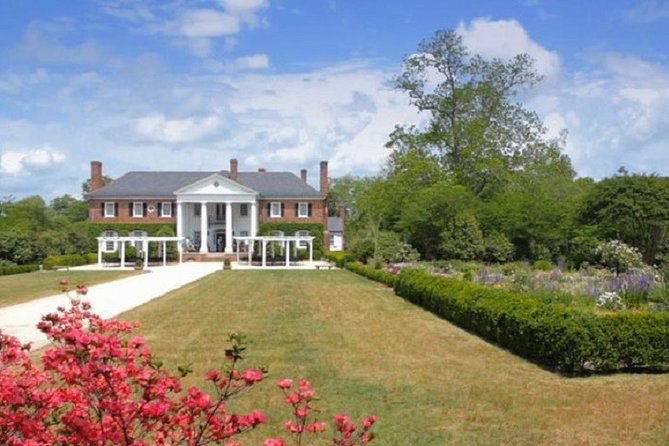
Boone Hall hits hard and beautiful, too. This half-day Charleston tour pairs Boone Hall Plantation admission with a Gullah performance, plus round-trip transportation so you skip the logistics headache.
I especially like that you get a guided start at the front porch, then plenty of time to wander at your own pace through gardens and historic grounds. You’ll also see why Boone Hall is treated as a working, living plantation site, not just a photo stop.
One thing to plan around: there’s a good amount of walking, and the optional tram/tractor experience may not stop at every single event location. If you have mobility limits, go in with a plan (and bring water on hot days).
In This Review
- Key things to know before you go
- Boone Hall Plantation from Charleston: The experience you’re actually buying
- Getting to Boone Hall: Air-conditioned bus and an easy starting point
- The guided front porch house tour: what you’ll get in 30 minutes
- Slave cabin viewing and the history presentation: emotionally important time on purpose
- The Gullah performance: cultural history you can feel, not just read
- Gardens, rose bushes, and the kind of beauty that slows you down
- Tram or tractor ride options: helpful, but don’t assume every stop is covered
- Timing and pacing: how to fit everything into 4.5 hours
- Price and value for $82 per person: what you get for your money
- What kind of visitor this tour fits best
- Should you book this Boone Hall Plantation admission tour from Charleston?
- FAQ
- How long is the Boone Hall Plantation admission and tour from Charleston?
- What is included in the tour price?
- Where do I meet the group in Charleston?
- Is the garden and grounds time self-guided or guided?
- Do I get to see the Gullah culture during the tour?
- Is a tram tour included?
- Are meals included?
- Is there walking involved and is it suitable for everyone?
- What’s the cancellation policy?
Key things to know before you go
- Small group size (up to about 15 people) helps the day feel organized and less chaotic.
- Front porch house tour with a costumed guide gives you the fast orientation you want.
- Gullah Theater presentation is scheduled as a live, seasonal performance and often becomes the highlight.
- Slave cabin visit + history talk keeps the plantation story honest and emotionally serious.
- Rose garden and long paths through the grounds make the time outside feel worthwhile, not rushed.
- Tram tour only if available can help, but don’t assume it works like a stop-at-everything shuttle.
Boone Hall Plantation from Charleston: The experience you’re actually buying
You’re not just buying admission to Boone Hall. You’re buying a timed day that moves you from downtown Charleston to a 17th-century plantation setting, with built-in context along the way. That matters, because plantation visits go so much faster when you know what you’re looking at: the house setting, the working property, and the people whose lives are central to the story.
This tour runs about 4 hours 30 minutes. You’ll leave from the Charleston Visitor Center, ride to Boone Hall, do guided pieces on the property, then return to the same meeting spot. The pace is designed to fit a morning or afternoon window without turning into a full day commitment.
If you like your history with human scale and specific detail, this format is a good match. The house portion is guided, the rest is mostly self-directed wandering, and the cultural component (the Gullah performance) adds meaning beyond the scenery.
See more of the region past the peninsula with our other Charleston plantation and garden visits.
- Magnolia Plantation Admission & Tour with Transportation from Charleston★ 4.5 · 836 reviews
- Boone Hall Plantation Admission & Tour with Transportation from Charleston★ 4.5 · 455 reviews
- Charleston: Magnolia Plantation Entry & Tour with Transport★ 4.6 · 438 reviews
Getting to Boone Hall: Air-conditioned bus and an easy starting point

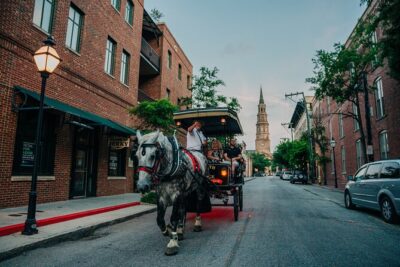
Your ride begins at 375 Meeting St, Charleston, SC 29403, at the Charleston Visitor Center. That’s one of the most practical spots in town: easy parking, restrooms, a gift shop, and a clear place to meet. You avoid the stress of finding a pickup point somewhere outside the city.
The bus is air-conditioned, and the drive is about 30 to 45 minutes. The tour includes some history pointers during the trip, which helps you arrive with better context rather than staring at live oaks and hoping you picked the right plantation facts.
A helpful detail: some drivers are noted for being friendly and for sharing local context during the ride. Names that came up include Alan and Gary, which tells you the experience can feel more like a narrated morning drive than a silent van shuffle.
The guided front porch house tour: what you’ll get in 30 minutes
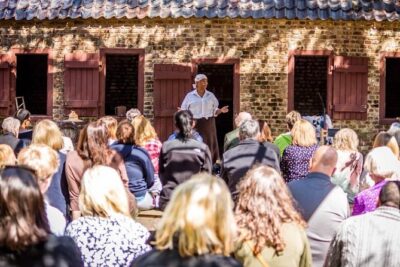
Once you arrive, you step to the front porch for a half-hour presentation from a guide in historical dress. This is one of the best uses of your time, because it sets the scene quickly: what Boone Hall is, how it evolved through multiple owners, and how the plantation story connects to Charleston.
The house tour itself is about 30 minutes, and it’s guided. It starts on the porch and keeps things moving. That’s a smart choice for a short tour, because most people don’t want to spend their entire half-day trapped inside waiting for their turn to see a room or two.
One caution: the main house may not be what some people expect in terms of era. Some visitors have been surprised by the age of the structure compared with Civil War-era expectations. If your dream is a specific period house look, set your mind on the larger Boone Hall story and the grounds, not just the building’s age.
Slave cabin viewing and the history presentation: emotionally important time on purpose
A major part of the experience focuses on the lives of the enslaved people who lived at Boone Hall, not as an afterthought but as a scheduled component of the tour. You’ll visit slave cabins and hear a presentation tied to historic relics and day-to-day realities.
This is where the trip becomes more than scenic. The cabins and their preserved context tend to land emotionally for most visitors, and it’s exactly the kind of content that benefits from being planned into a guided schedule. You don’t have to wonder what to read or what to ask. The tour sets it up.
In practical terms, this section can also affect your pacing. Plan to take your time here and don’t feel rushed to “power through” for the next stop. If you’re sensitive to heavy topics, know that this portion is intended to be direct.
The Gullah performance: cultural history you can feel, not just read
If you want one reason this tour gets booked, it’s the Gullah Theater presentation. The performance is described as a live, seasonal show focused on the Gullah culture—the descendants of enslaved Africans in this region—plus how culture adapted through time.
This isn’t framed as a separate add-on. It’s connected to the larger plantation context, and it brings voice, storytelling, and tradition into the day. Many people treat it as the highlight because it shifts the experience from “plantation as history” to “living culture as history.”
The other benefit is that it gives you a break from walking. After moving around gardens and cabins, the performance gives your feet a rest and your brain a different kind of information.



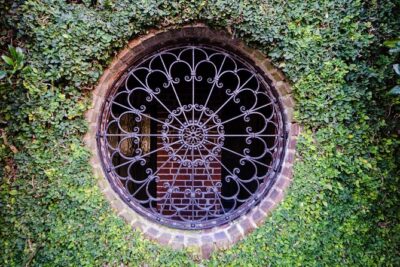
Gardens, rose bushes, and the kind of beauty that slows you down
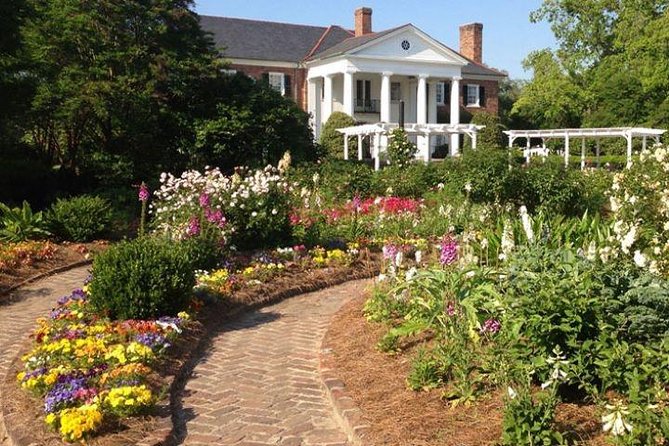
After the main guided parts, you’ll spend time on a self-guided garden and grounds tour. This is where Boone Hall’s famous look earns its reputation: long paths, shaded areas, and that dramatic live oak presence people associate with the region.
A specific treat on this tour is time at the rose garden, including bushes that are more than a century old. If you like visiting gardens that feel lived in rather than staged, you’ll probably enjoy wandering without a strict stopwatch.
For photography, go early in your self-guided time window if possible. The shaded areas under the large live oaks are wonderful, but light can change quickly during the day, so starting your garden wandering sooner usually pays off.
Tram or tractor ride options: helpful, but don’t assume every stop is covered
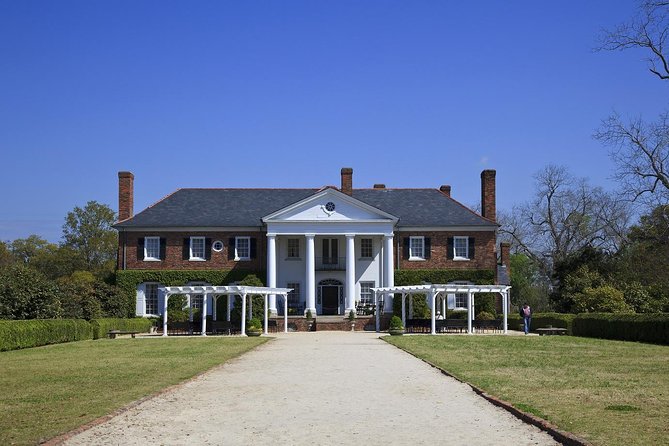
The tour can include a tram tour if available, and it’s described as seasonal and based on availability. A key practical point: the tram/tractor experience may not function like a stop-by-stop shuttle where you disembark and re-board at every single event location.
So, treat it as a moving story or an overhead view of parts of the property, not as a replacement for walking. If you’re counting on it for mobility reasons, plan for extra walking anyway.
Also, since this is built into a fixed schedule, you’ll want to follow your guide’s timing cues. If you’re the type who likes to arrive late to an activity because you’re enjoying the views, this is one day where timing matters.
Timing and pacing: how to fit everything into 4.5 hours
You’re working with a tight half-day window. The day is structured: bus ride out, porch presentation, history and cabin content, cultural performance, then self-guided gardens/grounds and return.
The biggest practical trick is mental order:
- Start with the guided porch / house piece when you’re told to.
- Make sure you don’t skip or postpone the Gullah performance.
- Give the cabin/history section the time it needs, then move into gardens.
If you’re hungry, there are food options available on-site for purchase. The info you’re given says drinks/snacks are available to buy at the plantation, and that food isn’t included in the tour price.
On hot days, plan for heat. People note it can be sunny and warm, and there’s walking involved. Bring water if you can, and wear shoes that can handle uneven ground.
Price and value for $82 per person: what you get for your money
At $82 per person, this tour competes well because so much is packaged in:
- Round-trip transportation from Charleston by air-conditioned bus
- All gate fees
- Guided house tour on the porch
- Slave cabin and history presentation
- Live Gullah performance
- Self-guided garden/grounds time
- A tram tour if available
If you had to assemble this yourself—transportation, tickets, and finding the right timing for the cultural presentation—cost and stress would likely rise quickly. What you’re paying for is not just access to Boone Hall, but the schedule that makes everything happen inside a half-day.
Is it pricey? Not in context. It’s a fair price for a guided-and-ticketed plantation outing that includes transport. The value is strongest if you want a one-and-done plan from Charleston without driving yourself.
What kind of visitor this tour fits best
This works best for people who want:
- A structured half-day that doesn’t require a car
- A mix of guided explanation and self-paced wandering
- Plantation history that includes both the house setting and the enslaved-person story
- A cultural segment centered on Gullah heritage
It may be less ideal if you want a slow, hours-long deep explore where you can linger everywhere without watching the clock. Since it’s about 4.5 hours, you’ll feel the time structure.
It also fits people with moderate physical fitness, since there is walking across the grounds. If you use mobility aids like a cane, plan carefully, and assume you may need more time to move between stops.
Should you book this Boone Hall Plantation admission tour from Charleston?
I’d book it if you want a dependable plan that delivers the big three: the house orientation, the enslaved-person history, and the Gullah performance, all tied to round-trip bus transportation. The small-group size helps keep the flow smooth, and the gardens give you that relaxed finish after the heavier material.
Skip it or reconsider if you strongly need a tram that stops at every landmark or if you’re hoping for a minimal-walking visit with almost no movement between activities. Also, if you have a very specific time-period expectation for the main house, adjust your mindset to the broader plantation story and the grounds.
Bottom line: this is a practical, meaningful way to see Boone Hall from Charleston without fiddling with timing on your own.
FAQ
How long is the Boone Hall Plantation admission and tour from Charleston?
The tour is approximately 4 hours 30 minutes.
What is included in the tour price?
It includes all gate fees, round-trip pickup and drop-off from the designated meeting point, air-conditioned bus transportation, the plantation house tour with a guide in historical dress, the Gullah Theater presentation, and self-guided garden tour plus access to historic slave cabins. A tram tour may be included based on availability.
Where do I meet the group in Charleston?
You meet at 375 Meeting St, Charleston, SC 29403. The tour ends back at the same meeting point.
Is the garden and grounds time self-guided or guided?
The gardens and grounds are self-guided, after the guided house and presentation components.
Do I get to see the Gullah culture during the tour?
Yes. The tour includes a live, seasonal Gullah presentation by a costumed performer.
Is a tram tour included?
A tram tour is included if available (based on availability).
Are meals included?
No. Food and drinks are not included, but drinks and snacks can be purchased at the plantation.
Is there walking involved and is it suitable for everyone?
There is walking involved around the plantation grounds, and the tour indicates a moderate physical fitness level is recommended.
What’s the cancellation policy?
Free cancellation is available up to 24 hours before the experience start time for a full refund.
More Tours Across Charleston






More Charleston Tours Worth Booking
More Plantations & Historic Gardens near Charleston






Still deciding? Here are the newest Charleston tours and experiences we have reviewed











Plantations & Historic Gardens, compared.
 ★ 4.5Boone Hall Plantation All-Access Admission TicketFrom $361,736 reviews
 ★ 4.5Magnolia Plantation Admission & Tour with Transportation from CharlestonFrom $90836 reviews
 ★ 4.6Magnolia Plantation Entry & Tour with TransportFrom $90438 reviews
 ★ 4.5Middleton Place Admission with Self Guided Tour and LunchFrom $120326 reviews
 ★ 4.4Historic City Tour & Magnolia Plantation ComboFrom $110187 reviews
 ★ 4.5Drayton Hall Admission Ticket with Interpreter-Guided Tour111 reviews
 ★ 4.6From Charleston: Boone Hall Plantation Entry with TransfersFrom $67106 reviews
 ★ 4.6Boone Hall Plantation Entry & Tour w/ TransportFrom $79106 reviews
Browse the lists this tour appears in