
Reviewed · PLANTATIONS & HISTORIC GARDENS
Drayton Hall Admission Ticket with Interpreter-Guided Tour
Drayton Hall is one of those places where the details feel real. This interpreter-guided house tour pairs a short orientation video with a walk through the home and museum galleries, then encourages you to keep going on your own across the property. It’s timed once daily at 9:00 am sharp, so you get a focused experience rather than a slow drift.
What I like most is the way the interpreters connect the house to the people who lived and worked there—over three centuries—without turning it into a costume show. I also love that the ticket is all-inclusive, so you can move from the guided part into the museum galleries and the outdoor property walk without paying extra.
One thing to plan for: the site is in South Carolina, and the outdoor part matters. If it’s very hot or humid, wear breathable clothes and be ready for some walking and steps during the tour.
In This Review
- Key things to know before you go
- Drayton Hall’s 9:00 am timing and why it matters
- Orientation video: the fast track to understanding the house
- The interpreter-led house tour: preservation you can see up close
- Galleries at your pace: Gates Gallery and Almeida Gallery
- The 18th-century African American cemetery stop
- After the house: self-guided time on the Ashley River estate
- What you’ll actually do: the one- to two-hour flow
- Price and value: why the all-inclusive ticket makes sense
- Who this tour is best for (and who might want a different plan)
- Practical tips that make the visit smoother
- Should you book Drayton Hall with an interpreter-guided tour?
- FAQ
- How long does the Drayton Hall interpreter-guided tour take?
- What time does the tour start?
- Is the tour offered in English?
- What’s included with the admission ticket?
- Are there any extra fees for the outdoor property walk or galleries?
- Do I need to bring a photo ID for check-in?
- Is transportation to Drayton Hall included?
- Can I bring a service animal?
- Is the tour family-friendly?
- What happens if the weather is bad?
Key things to know before you go
- Orientation video first: You start in the visitor center, then your guide builds the story from there.
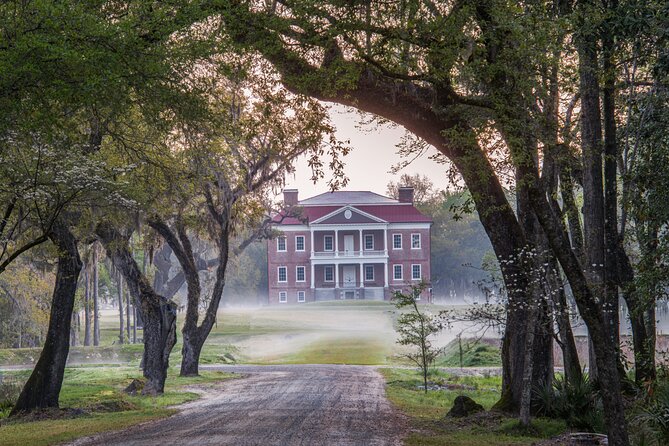
- A true house visit, not just rooms to peek at: It’s an interpreter-led tour of the home and its surviving materials.
- Gates Gallery and Almeida Gallery on your schedule: You can visit these at your leisure after the guided portion.
- A stop at an 18th-century African American cemetery: This is a meaningful part of the experience, handled as an educational visit.
- Then take the self-guided outdoor walk: After the tour, you’re encouraged to explore the property and views of the Ashley River area.
- Family-friendly for small groups: It works well for groups of 15 or less, and service animals are allowed.
Drayton Hall’s 9:00 am timing and why it matters
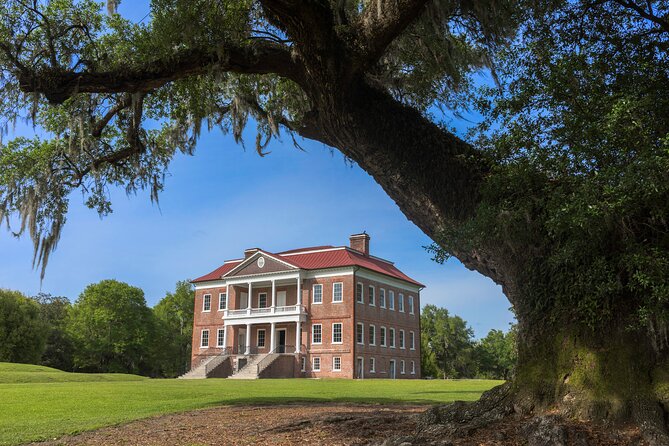
This tour runs once daily on open days, and it starts at 9:00 am sharp. The gate opens at 8:45 am, which is your hint to arrive early enough to park and check in without feeling rushed. If you’re the type who likes a calm start—good news. You’ll have time to get your bearings before the tour begins.
The timing also shapes the feel of the day. Instead of showing up whenever you want and waiting around, you’re pulled into a planned rhythm: video, guided house time, then galleries and outdoor exploration. For a site that’s both historic and actively maintained, that structure helps you focus on what you’re seeing.
Plan on about 1 to 2 hours total. That range makes sense because your outdoor pace and gallery time can stretch it. If you keep it tight, you can do it in close to an hour. If you linger for photos, explanations, and the grounds walk, it’ll be nearer the longer end.
See more of the region past the peninsula with our other Charleston plantation and garden visits.
- Magnolia Plantation Admission & Tour with Transportation from Charleston★ 4.5 · 836 reviews
- Boone Hall Plantation Admission & Tour with Transportation from Charleston★ 4.5 · 455 reviews
- Charleston: Magnolia Plantation Entry & Tour with Transport★ 4.6 · 438 reviews
Orientation video: the fast track to understanding the house
The tour begins with an orientation video in the visitor center. I like this format because it gives you context before anyone walks you into rooms. You’re not just looking at walls and wood—you’re learning how Drayton Hall’s story is interpreted and what to notice as you go.
A useful detail here is that the interpreters are described as professionals who have worked with and in the house for years. That matters because the video sets up a baseline, and then the tour answers the questions the video raises—especially around how the home has been preserved and studied over time.
If you’re wondering whether this will feel like a lecture, it usually doesn’t. The video is just the on-ramp. Then you’re on your feet with a real guide handling the specifics in a human way.
The interpreter-led house tour: preservation you can see up close
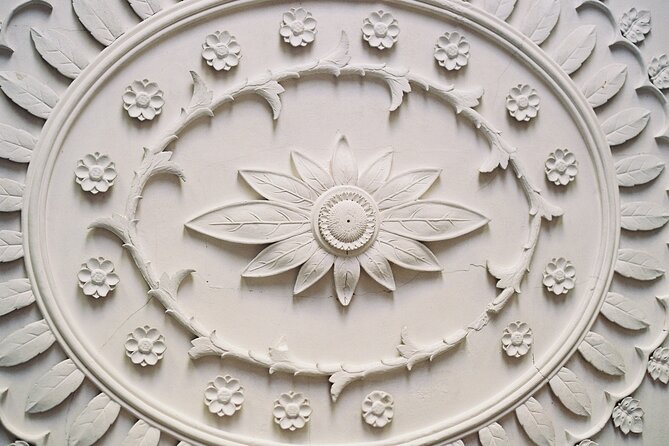
Drayton Hall is famous because it’s not trying to “look” like the past from a distance. A key theme you’ll feel during the house tour is preservation—keeping the surviving materials and the real construction details rather than rebuilding everything to create a perfect illusion.
That difference shows up in what you’re encouraged to notice. You’re paying attention to the building fabric itself: what’s still there, what has been stabilized, and what visitors can learn from the remaining elements. It’s the kind of experience that feels more like standing in a living artifact than viewing a stage set.
The guide’s role is big here. Based on how the tour is described, you should expect a tour that connects:
- how the house has changed (and what hasn’t),
- how archaeological and preservation work informs interpretation,
- and how multiple generations and different people are part of the story across three centuries.
If you’re lucky, your guide could be someone like Thomas, Cody, Becky, or Loretta—names that have been singled out for strong guiding. I can’t promise any specific interpreter, but the pattern is consistent: people value the depth of the explanations and the way the guide handles questions.
One more practical note: some tours include steps and standing time. If anyone in your group has mobility concerns, you’ll want to go in knowing that there is physical movement involved, not just a stroller-roll-and-stand tour.
Galleries at your pace: Gates Gallery and Almeida Gallery
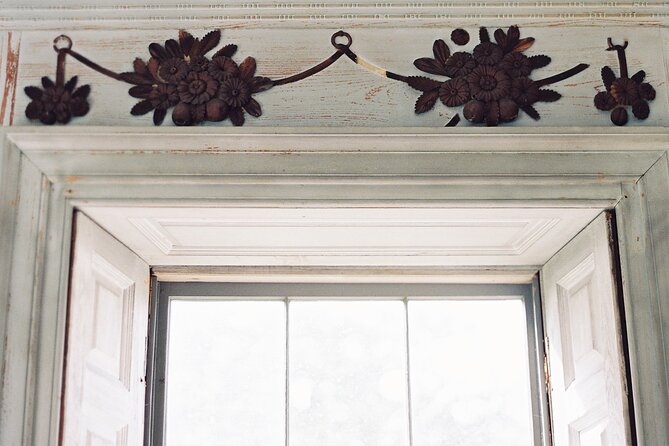
After the guided house portion, you’re given time to explore the Gates Gallery and the Almeida Gallery at your leisure. This part is valuable because it lets you adjust your attention span. If you want more detail, you can slow down here. If you’re itching to move outside, you can do that too.
Why the galleries help: a house tour can show you the structure, but galleries can expand the story—objects, interpretation, and context that don’t always fit in a spoken walkthrough. Since your ticket is all-inclusive, you won’t hit the annoying moment of deciding whether to pay more to see the exhibits.
Also, the tour experience is designed so you’re not trapped in a single path. You get the guided structure first, then you get autonomy.
The 18th-century African American cemetery stop
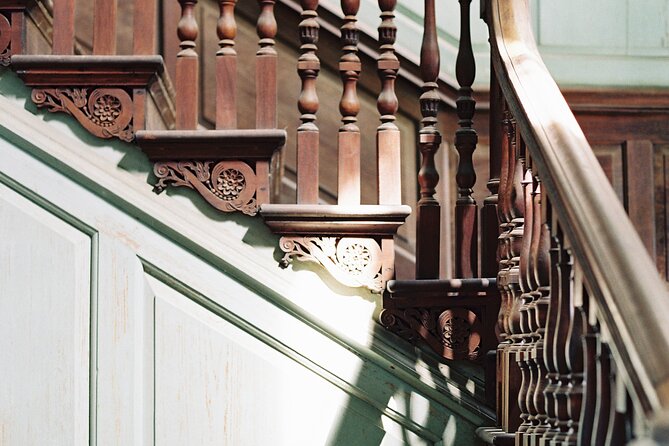
One stop you shouldn’t treat as a quick photo break is the visit to an 18th-century African American cemetery. This isn’t just a marker on a map. It’s presented as a historically significant place, and it’s part of the educational flow of the tour.
If you care about how history is told—especially the parts that are too often skipped—this is where the experience becomes more than sightseeing. The presence of the cemetery stop makes the tour feel grounded and accountable.
The cemetery visit can also be emotionally heavy, depending on your group. I’d suggest letting your group know ahead of time that there may be moments that feel serious. That way you’re not apologizing on the spot for someone needing a breather.




After the house: self-guided time on the Ashley River estate
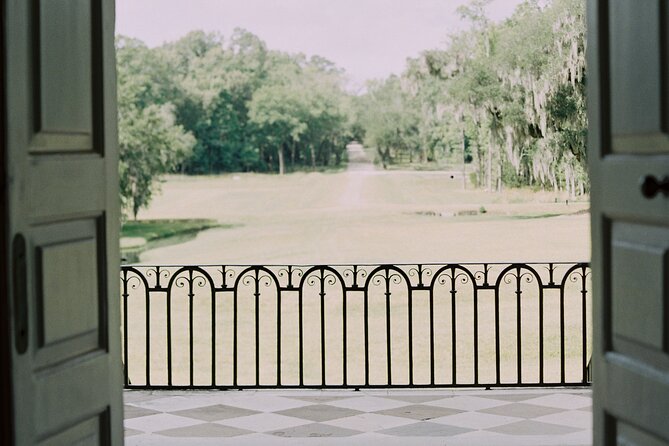
When you finish the guided part, you’re encouraged to take a self-guided walk on the property. The experience highlights historic grounds, sweeping views tied to the Ashley River area, and Lowcountry scenery that can include wildlife.
Here’s the practical magic: you get to choose how much of the outdoors you want. If your group wants photos and slow walking, you can do that. If you want to keep moving, you can focus on key viewpoints and then head out.
There’s also an educational angle to this outdoor time. When a preservation site includes ongoing study and maintenance, the grounds aren’t just decoration. The setting helps you understand the scale of the property and the way the plantation functioned as a landscape of work and living spaces.
And since it’s included with your ticket, you should plan for at least some outdoor time even if you’re not a “walk around” person.
What you’ll actually do: the one- to two-hour flow

Here’s the rhythm you can expect, from start to finish:
- Check in on site with a valid photo ID
- Begin at 9:00 am sharp after the 8:45 am gate opening window
- Watch the orientation video in the visitor center
- Take the 1-hour interpreter-led tour of the home
- Visit Gates Gallery and Almeida Gallery at your leisure
- Spend time at the 18th-century African American cemetery
- Finish with a self-guided outdoor walk on the property (included, no extra fee)
Your exact experience will depend on your group pace and how many questions you ask. But the structure is clear. You won’t spend the whole time listening from a distance; you’ll move, see, and then browse.
Price and value: why the all-inclusive ticket makes sense

Even without a stated dollar figure here, the value structure is obvious: the ticket is all-inclusive. That means no extra fees for the outdoor property walk or for museum gallery time tied to Drayton Hall.
For practical budgeting, this is a win. Plantation-style attractions often charge “for the experience” in multiple pieces. Here, you’re getting:
- the interpreter-led house tour (about an hour),
- orientation video,
- museum galleries (Gates and Almeida),
- the cemetery stop,
- self-guided outdoor time,
- and free parking.
If you’re visiting Charleston and want one strong, meaning-forward stop that doesn’t require multiple ticket add-ons, this is built for that. You pay for a guided core, and then you’re free to explore the included pieces.
Who this tour is best for (and who might want a different plan)
This is described as family-friendly and particularly good for groups of 15 or less. That makes it a solid choice for:
- couples who want a well-structured visit (guided first, explore second),
- families who can handle sitting through an orientation video and then moving through house and outdoor areas,
- small groups like friend trips where you want shared learning without chaos.
Where I’d consider a different plan is if your group needs a fully minimal walking and very low step count. Since there are steps involved and some outdoor time is part of the design, you’ll want to judge comfort realistically.
If you have a very young child who struggles with stillness, plan ahead. One account noted a scenario where the visit didn’t reach the full tour because a toddler wasn’t happy with the quiet/standing parts. That doesn’t mean it won’t work for you, just that it’s not a purely chaotic-kid-friendly environment.
Practical tips that make the visit smoother
- Wear breathable clothes. South Carolina heat can be intense, and this tour includes outdoor walking time after the guided portion.
- Plan for steps. Some parts involve moving through the house. If mobility is a concern, this matters.
- Bring questions. The guide experience is a major draw, and strong interpretation depends on interaction.
- Use your time after the tour. Don’t cut the galleries or skip the outdoor walk just because you’re “done.” The self-guided part is included and helps tie everything together.
- Start early mentally. The gate opens at 8:45 am for a reason—give yourself slack for parking and check-in.
Should you book Drayton Hall with an interpreter-guided tour?
If you want a plantation visit that focuses on preservation, interpretation, and context you can actually use, book this. The mix of the orientation video, the guided house time, the included museum galleries, and the cemetery stop is a strong package for an experience that takes history seriously.
It’s also a smart pick if you hate nickel-and-diming. You’re not paying extra for outdoor time or museum spaces—your ticket covers the key parts, with free parking to keep the logistics easier.
The only real “maybe” is if your group is very heat-sensitive or needs a tour with minimal walking and step time. If that’s you, think carefully about comfort before you commit.
If your ideal Charleston day includes a calm start, a guided story you can follow, and outdoor views after, this is a solid choice.
FAQ
How long does the Drayton Hall interpreter-guided tour take?
The experience runs about 1 to 2 hours, depending on your pace through the house, galleries, and the self-guided time on the property.
What time does the tour start?
The tour is offered once daily at 9:00 am sharp. The gate opens at 8:45 am.
Is the tour offered in English?
Yes, it is offered in English.
What’s included with the admission ticket?
Your ticket includes a 1-hour interpreter-led tour, the orientation video, Gates Gallery, Almeida Gallery, an 18th-century African American cemetery visit, free parking, and access to the included self-guided property time.
Are there any extra fees for the outdoor property walk or galleries?
No. The ticket is described as all-inclusive, with no extra fees for the landscape/property visit or for the museum galleries.
Do I need to bring a photo ID for check-in?
Yes. Check-in with valid photo ID is required.
Is transportation to Drayton Hall included?
No. Transportation to or from Drayton Hall is not included.
Can I bring a service animal?
Yes. Service animals are allowed.
Is the tour family-friendly?
Yes. It’s described as family-friendly, and it works well for groups of 15 or less.
What happens if the weather is bad?
The experience requires good weather. If it’s canceled due to poor weather, you’ll be offered a different date or a full refund.
More Tours Across Charleston






More Charleston Tours Worth Booking
More Plantations & Historic Gardens near Charleston





Still deciding? Here are the newest Charleston tours and experiences we have reviewed












Plantations & Historic Gardens, compared.
 ★ 4.5Boone Hall Plantation All-Access Admission TicketFrom $361,736 reviews
 ★ 4.5Magnolia Plantation Admission & Tour with Transportation from CharlestonFrom $90836 reviews
 ★ 4.5Boone Hall Plantation Admission & Tour with Transportation from CharlestonFrom $82455 reviews
 ★ 4.6Magnolia Plantation Entry & Tour with TransportFrom $90438 reviews
 ★ 4.5Middleton Place Admission with Self Guided Tour and LunchFrom $120326 reviews
 ★ 4.4Historic City Tour & Magnolia Plantation ComboFrom $110187 reviews
 ★ 4.6From Charleston: Boone Hall Plantation Entry with TransfersFrom $67106 reviews
 ★ 4.6Boone Hall Plantation Entry & Tour w/ TransportFrom $79106 reviews
Browse the lists this tour appears in