
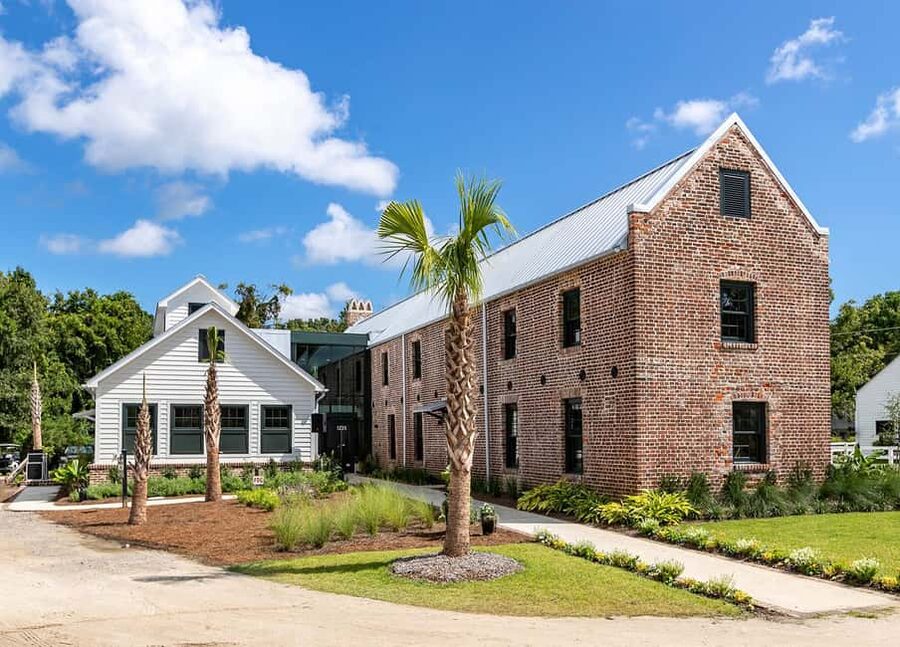
Reviewed · PLANTATIONS & HISTORIC GARDENS
Charleston: Boone Hall Plantation Tour
Oaks and Gullah stories in one packed 5 hours. This guided trip to Boone Hall Plantation turns an afternoon of photo stops into a focused walk through the plantation’s working past, highlighted by the Avenue of Oaks and the live Gullah presentation. I especially liked how the experience pairs beauty (those Spanish-moss-draped oaks) with clear, guided context. One possible drawback: the house time is fairly tight, so if you’re hoping for a slower look around every room, you may wish you had longer.
You start with pickup from the Charleston Visitor Center and ride out in a luxury minibus, which keeps the logistics simple. After the guided Boone Hall House tour, you get time to wander the gardens on your own and you also get the exclusive Farm & Nature Tractor Tour, which is a smart way to see more than just the paved paths. Just note that the walking and uneven ground can be tough, since the tour isn’t suitable for people with back problems or wheelchair users.
In This Review
- Key highlights at a glance
- Morning Pickup at 375 Meeting Street: Easy Charleston Logistics
- Boone Hall Grounds and Gardens: You Get Time to Wander
- The 3/4-Mile Avenue of Oaks: Where the Photos Actually Mean Something
- Eight Original Cabins: Settlement and Slavery Stories Told with Visual Clues
- Live Gullah Culture Presentation: Why This Tour Gives Context
- Boone Hall House Guided Tour: Worth It, But You’ll Feel the Time Limit
- Farm & Nature Tractor Tour: Seeing the Property Without Wearing Yourself Out
- Price and Value: What $63 Buys (and Why It Can Be Fair)
- What to Bring and What to Skip
- Who Should Book This Tour (and Who Should Pass)
- Should You Book the Charleston Boone Hall Plantation Tour?
- FAQ
- How long is the Boone Hall Plantation tour?
- How much does the tour cost?
- Where do I meet for pickup in Charleston?
- What parts of the day are guided?
- Is there a tractor tour included?
- Are meals included?
- What should I bring?
- Is flash photography allowed?
- Is this tour wheelchair accessible?
- Is there free cancellation?
Key highlights at a glance
- A 3/4-mile Avenue of Oaks lined with 270-year-old giant live oaks
- Live Gullah culture presentation about a unique tradition shaped by enslaved Africans
- Guided Boone Hall House tour plus self-guided garden time
- Exclusive Farm & Nature Tractor Tour for a wider view of the property
- Eight original cabins staged with photos and life-size figures covering settlement and slavery stories
Morning Pickup at 375 Meeting Street: Easy Charleston Logistics

The tour begins at the Charleston Visitor Center at 375 Meeting Street. From there, you board a luxury minibus for the ride to Boone Hall Plantation, and that’s a big part of why this option feels low-stress. You don’t have to figure out parking, timing, or a second mode of transportation once you’re on the peninsula and out toward the plantation.
The tour lasts about 5 hours and is usually available in the morning. That timing matters because Boone Hall is outdoors-heavy—oak shade can help, but you’ll still be outside for key segments. If you’re the type who likes a plan with breathing room, this format fits well: transport first, guided elements in the middle, then time to roam.
See more of the region past the peninsula with our other Charleston plantation and garden visits.
- Magnolia Plantation Admission & Tour with Transportation from Charleston★ 4.5 · 836 reviews
- Boone Hall Plantation Admission & Tour with Transportation from Charleston★ 4.5 · 455 reviews
- Charleston: Magnolia Plantation Entry & Tour with Transport★ 4.6 · 438 reviews
Boone Hall Grounds and Gardens: You Get Time to Wander
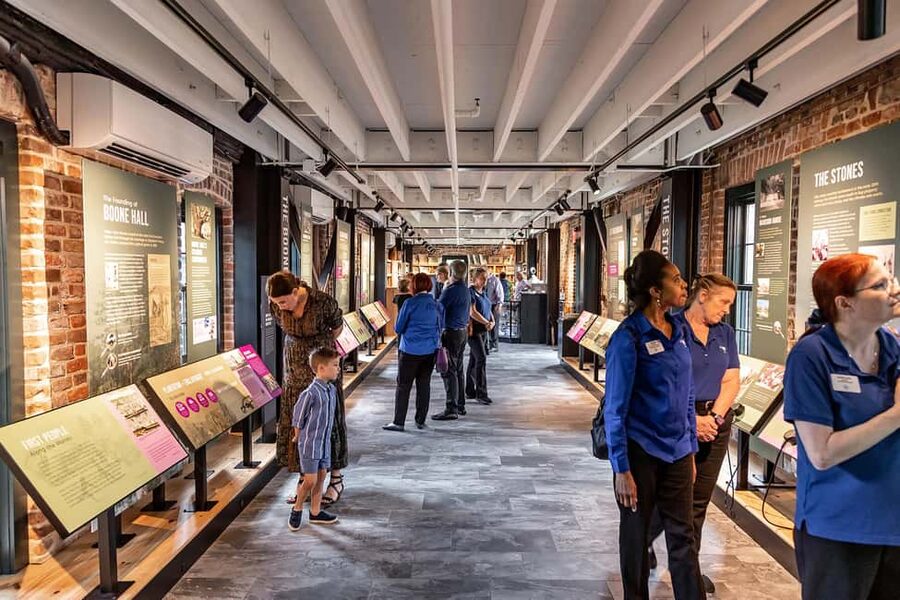
When you arrive, plantation staff guide you through the property and the experience mixes structured stops with self-guided walking. After the house portion, you’ll have plenty of time to explore at your own pace, including the gardens. I like this balance because a plantation tour can get intense fast—having open time to step back and choose what you want to look at helps.
Think of the gardens as your reset button. You can slow down, take photos, and decide whether you want to linger near points of interest you find most compelling. If you’d rather focus on the history areas, you can do that too; the tour gives you the option to shift gears instead of forcing a strict “stand here, move there” pattern nonstop.
The 3/4-Mile Avenue of Oaks: Where the Photos Actually Mean Something
The Avenue of Oaks is the signature stretch: a 3/4-mile drive-to-walk corridor featuring giant live oaks over 270 years old, draped with Spanish moss. It’s the kind of place you see in paintings and postcards, but the guided context helps it land differently than a simple scenic walk.
For practical reasons, this is where comfortable shoes earn their keep. The tree canopy can be gorgeous, but you’re still walking a long line, and you’ll want stable footing. If the day is sunny, the open sections will feel bright even under partial shade. A hat and sunscreen are a smart call.
Also, this is one of those moments where it helps to look up, then look again. The trees are the obvious win, but the rhythm of the avenue gives you a sense of how the plantation’s layout functioned—how people and goods moved through space.
Eight Original Cabins: Settlement and Slavery Stories Told with Visual Clues

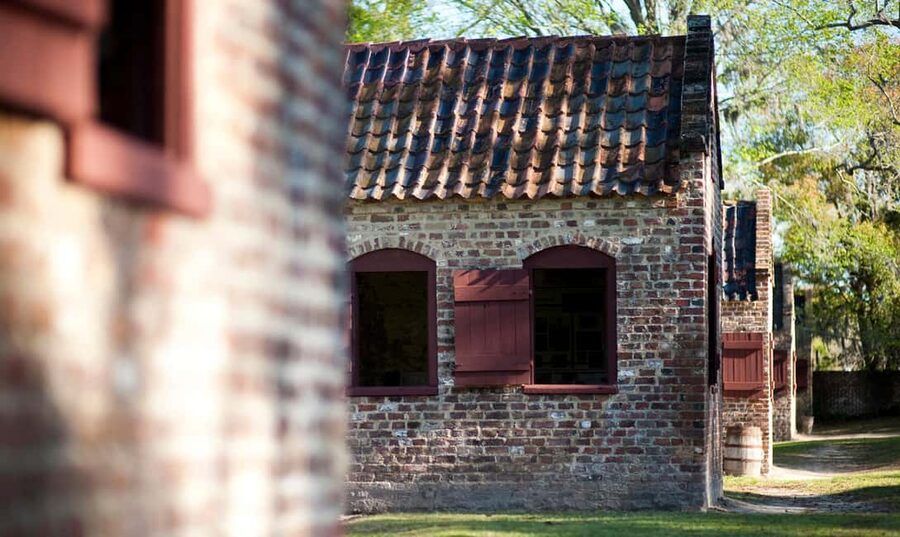
One of the most powerful parts of the experience is the set of eight original cabins. Each cabin tells part of the settlement and slavery story, and they’re completed in a different theme. You’ll also see photos and life-size figures as part of the presentation.
This isn’t a vague “history talk.” It’s a walking experience designed to make the themes concrete. I appreciate that it gives you multiple angles rather than one single viewpoint. The drawback is emotional: cabin stories tied to slavery and forced labor can feel heavy, so it’s worth giving yourself permission to pause if you need a minute.
If you’re someone who hates rushing through interpretive stops, this section can be a good fit because you can take your time reading what’s in front of you. On a hot day, you might want to pace yourself: drink water when you can and avoid trying to “power through” just to get it over with.
Live Gullah Culture Presentation: Why This Tour Gives Context
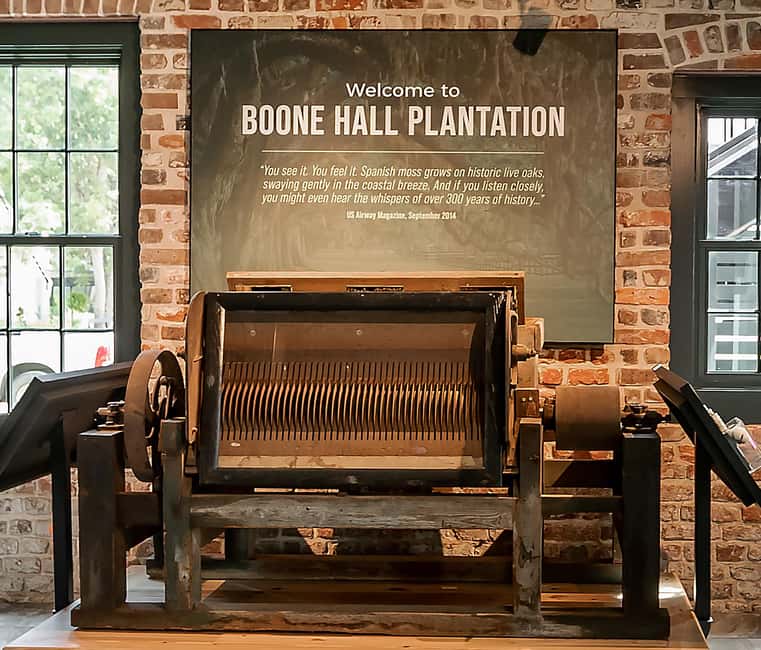
The live Gullah culture presentation is a core highlight, and it’s the part that connects the plantation story to living culture. The tour explains Gullah culture as something adapted by enslaved Africans—an important detail because it moves the conversation beyond dates and buildings.
I like this segment because it’s not just about the plantation past. It’s about people and how culture survived, changed, and shaped everyday life. You can walk away with a clearer understanding of why Gullah culture is recognized as distinct, not just as a footnote.
Timing also helps: you’re hearing this while the rest of the day is anchored in the property’s physical story—oaks, cabins, and the house. That pairing makes the message stick.
Tip: if you want the most out of the presentation, put your phone away for a bit. Listening closely is what turns it from a “watch the show” moment into real learning.



Boone Hall House Guided Tour: Worth It, But You’ll Feel the Time Limit
After pickup and arrival, you’ll start with a guided tour of the Boone Hall House. A guide leads you through what’s there and gives you the “why” behind the layout and the role the house played. For many visitors, this is the part that helps them understand the plantation as a whole instead of separate attractions.
That said, there’s a practical consideration: the house tour time is limited. If you love architecture and could happily spend an extra hour reading every detail, you might feel the schedule compresses the house experience. The upside is that the rest of the day offers other ways to learn—cabins, Gullah presentation, gardens, and tractor time—so you aren’t relying only on the house.
When you’re inside, take notes mentally about what the guide highlights. Later, when you’re walking the grounds, those details tend to click—how space was used, how the plantation functioned, and what you should pay attention to outdoors.
Farm & Nature Tractor Tour: Seeing the Property Without Wearing Yourself Out
This is the exclusive Farm & Nature Tractor Tour, and it’s a smart addition for two reasons. First, it gives you a wider view of the property than walking alone. Second, it adds variety to the day so the experience doesn’t feel like one long loop of standing and walking on foot.
I like tractor tours on plantation sites because they offer motion and perspective. Even if you’re not into tractors, the ride helps you visualize how the farm portion fits into the overall property. If you’re trying to cover a lot in 5 hours, this segment helps you do it without turning the day into a leg workout.
The main thing to keep in mind is comfort and personal mobility. You’re still outdoors and the tour has walking around other areas, so wear shoes that can handle grass, dirt, and uneven ground.
Price and Value: What $63 Buys (and Why It Can Be Fair)

At $63 per person, this tour is positioned as a midrange day option. The value comes from what’s bundled in: round-trip transportation from the Charleston Visitor Center, entry to Boone Hall Plantation, a guided Boone Hall House tour, the exclusive Farm & Nature Tractor Tour, and the live Gullah presentation. You also get self-guided time through the gardens and direct time to view the Avenue of Oaks.
If you were to piece this together yourself—transportation plus separate admission plus guided components—costs tend to rise quickly. Here, the price is doing its job: it’s paying for organized movement through multiple sections, not just a single attraction.
So is it worth it? I’d say yes if you want a single, guided day that combines house, history areas, culture programming, and a farm view. If your priority is only the house and you don’t care about the culture or tractor ride, you might feel the schedule is broader than you need. For a first-time Boone Hall visit from Charleston, though, this is a strong value.
What to Bring and What to Skip

Boone Hall is outdoors-first. Plan for that.
Bring:
- Comfortable shoes
- Hat
- Camera
- Sunscreen
- Water
Skip:
- Flash photography
- Smoking
The no-flash rule is common for guided sites, but it’s still a big practical thing. Plan to use natural light settings and be ready for shaded areas under the oaks. And because you’ll be outside for extended stretches, water isn’t optional—it’s basic common sense.
Who Should Book This Tour (and Who Should Pass)

This tour is a good fit if you want structure plus time to roam: guided house tour, live Gullah presentation, cabin storytelling areas, and a tractor ride, with gardens to explore on your own. It also suits you if you like learning through a mix of formats—guided narration, interpretive displays, and a live cultural presentation.
It may not be a great fit if you have back problems or if wheelchair use is part of your needs. The tour is noted as not suitable for wheelchair users, and the experience involves walking on grounds that aren’t described as fully accessible.
If you’re bringing kids, this can be a mixed bag depending on their stamina and interest in interpretive content. You know your crew best, but I’d plan on a lot of standing and walking.
Should You Book the Charleston Boone Hall Plantation Tour?
I’d book it if you want an organized 5-hour day that hits the big elements: the Avenue of Oaks, the Boone Hall House with a guide, a live Gullah culture presentation, cabin interpretive areas tied to settlement and slavery stories, and the Farm & Nature Tractor Tour. The bundled transportation from the Charleston Visitor Center is a practical win, especially if you don’t want to stress about driving and timing.
I’d think twice if you need lots of time inside the house, or if you have mobility limits that make walking hard. Also, be prepared for emotionally serious content in the cabin areas. If you can handle that with a calm pace, the tour’s structure helps—you’re not stuck only on the house or only on the scenery.
FAQ
How long is the Boone Hall Plantation tour?
It runs for about 5 hours.
How much does the tour cost?
The price is $63 per person.
Where do I meet for pickup in Charleston?
Pickup is at the Charleston Visitor Center, 375 Meeting Street.
What parts of the day are guided?
You’ll have a guided Boone Hall House tour, plus live Gullah culture presentation and a guided farm and nature tractor tour. You also get self-guided time through the gardens.
Is there a tractor tour included?
Yes. The tour includes an exclusive Farm & Nature Tractor Tour.
Are meals included?
No. Meals and drinks are not included.
What should I bring?
Bring comfortable shoes, a hat, a camera, sunscreen, and water.
Is flash photography allowed?
No. Flash photography is not allowed.
Is this tour wheelchair accessible?
No. It is not suitable for wheelchair users, and it’s also noted as not suitable for people with back problems.
Is there free cancellation?
Yes. Free cancellation is available up to 24 hours in advance for a full refund.
More Tours Across Charleston






More Charleston Tours Worth Booking
More Plantations & Historic Gardens near Charleston





Still deciding? Here are the newest Charleston tours and experiences we have reviewed











Plantations & Historic Gardens, compared.
 ★ 4.5Boone Hall Plantation All-Access Admission TicketFrom $361,736 reviews
 ★ 4.5Magnolia Plantation Admission & Tour with Transportation from CharlestonFrom $90836 reviews
 ★ 4.5Boone Hall Plantation Admission & Tour with Transportation from CharlestonFrom $82455 reviews
 ★ 4.6Magnolia Plantation Entry & Tour with TransportFrom $90438 reviews
 ★ 4.5Middleton Place Admission with Self Guided Tour and LunchFrom $120326 reviews
 ★ 4.4Historic City Tour & Magnolia Plantation ComboFrom $110187 reviews
 ★ 4.5Drayton Hall Admission Ticket with Interpreter-Guided Tour111 reviews
 ★ 4.6From Charleston: Boone Hall Plantation Entry with TransfersFrom $67106 reviews
Browse the lists this tour appears in