

Reviewed · PLANTATIONS & HISTORIC GARDENS
From Charleston: Boone Hall Plantation Entry with Transfers
A trip to Boone Hall moves fast. You get guided storytelling, time to wander, and the famous Avenue of Oaks on a schedule built around round-trip transportation from Charleston.
What I like most is the mix: you’re not stuck only in one room. You’ll do the guided mansion tour, then switch to self-paced time among the slave cabins with audio support, and that balance makes the whole visit easier to digest.
The one thing to consider is time. With a total duration of about 4.5 hours, you’ll want to move efficiently once you’re at the plantation, especially if you’re the type who reads every sign.
In This Review
- Why this tour is worth your time
- From Charleston to Boone Hall: Transfers That Make the Day Easier
- Entering Through the Avenue of Oaks and the Mansion Tour
- Gullah Presentation: The Cultural Thread People Remember
- Slave Cabins Self-Guided Time (with Audio): How to Use It Well
- Grounds and Tractor Overview: Seeing the Plantation as a Working Place
- Food and Pace on Site: What You Can Do with the Time You Have
- Price and Value: What $67 Really Buys You
- Best Fit: Who This Boone Hall Tour Works For
- Guides and Drivers: Why the Human Side Matters
- Should You Book This Boone Hall Tour with Transfers?
- FAQ
- How long is the Boone Hall tour from Charleston?
- Where do I meet for the tour?
- What’s included in the price?
- Does the tour run in bad weather?
- What language is the tour guide?
- What should I bring?
Why this tour is worth your time
- Avenue of Oaks first sets the tone right away, before you even get to the mansion.
- Gullah presentation is a standout learning moment tied to culture and generations of memory.
- Cabins with audio narratives help you slow down and understand what each stop represents.
- Round-trip Charleston transfers keep the day simple and comfortable in climate-controlled buses.
- Grounds time plus tractor overview gives you a sense of plantation life beyond the buildings.
From Charleston to Boone Hall: Transfers That Make the Day Easier
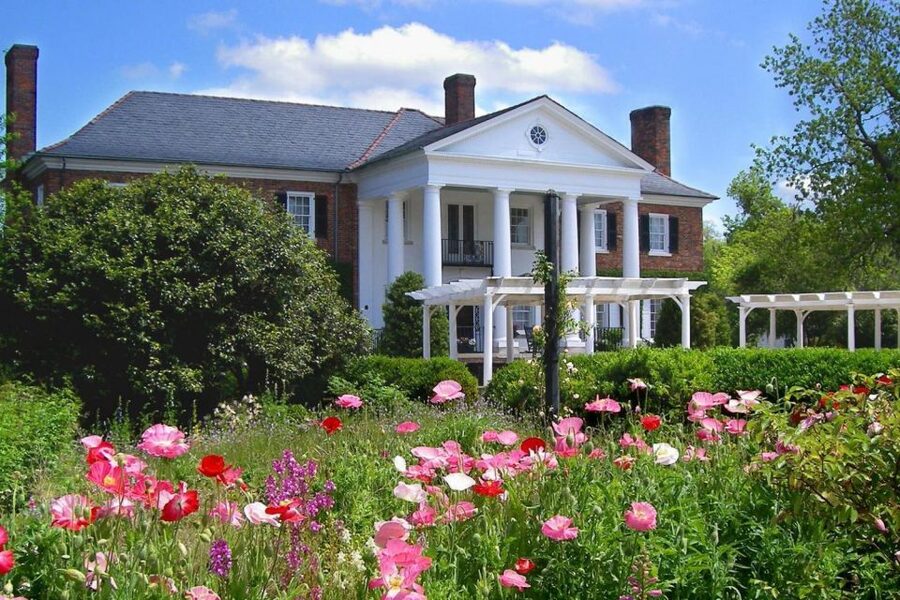
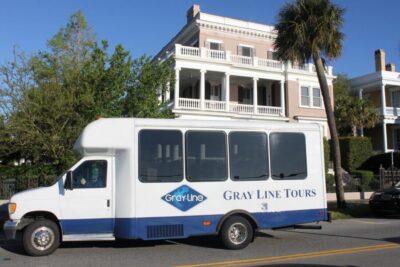
This tour is built for people who want to see Boone Hall without wrestling with parking, traffic, and timing on the Charleston side. You start at the bus check-in location behind the main building at the Visitors Center / Charleston Museum in downtown Charleston (Charleston, SC 29403). The meeting point matters because you need to check in directly at the buses there, and you’ll want to arrive about 15 minutes early so your group stays on schedule.
The transportation is round trip, and it’s climate controlled, which is a big deal in South Carolina heat and humidity—or if the weather turns. It also means you can focus on what you came for: the plantation experience.
The full tour time is about 270 minutes (around 4 hours 30 minutes). That length is ideal if you want a strong, memorable hit of history and culture, but it’s not a full-day slow wander. If you’re the kind of visitor who plans to spend extra time in every room, in every garden corner, and reading every interpretive panel, you may feel a little rushed.
See more of the region past the peninsula with our other Charleston plantation and garden visits.
- Magnolia Plantation Admission & Tour with Transportation from Charleston★ 4.5 · 836 reviews
- Boone Hall Plantation Admission & Tour with Transportation from Charleston★ 4.5 · 455 reviews
- Charleston: Magnolia Plantation Entry & Tour with Transport★ 4.6 · 438 reviews
Entering Through the Avenue of Oaks and the Mansion Tour
You don’t just arrive at Boone Hall—you transition into it. The Avenue of Oaks is the signature arrival moment: long, shaded, and dramatic enough to make the place feel real before the tour even starts. It’s also a good reset. You’ll see that you’re dealing with a plantation site that’s as much about space and timing as it is about a particular building.
From there, you go into the historic mansion for a guided tour. This part gives context—how the house fits into the operation and the era. It also helps you understand what you’re looking at once you’re back outside on the grounds.
One balanced note: the mansion portion is enjoyable, but it isn’t the kind of inside access you might expect from a museum that lets you roam freely through multiple levels. Some visitors point out that the house tour can feel limited, with access focusing on a small set of rooms. So, I’d treat the mansion as the orientation chapter, not the whole book.
Gullah Presentation: The Cultural Thread People Remember
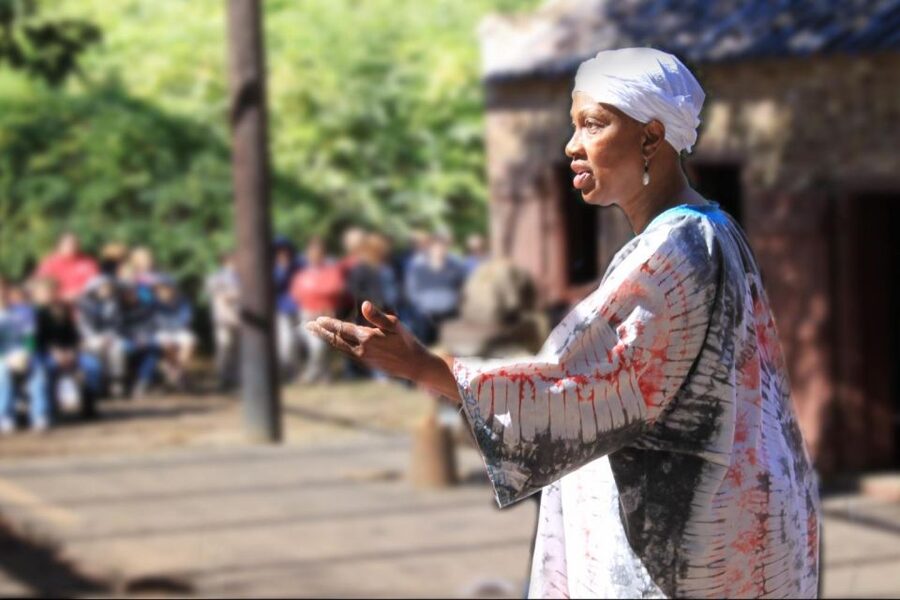
If you want one moment that tends to stick, it’s the Gullah presentation. Multiple guides and performances get praised for being engaging and informative, and the theme stays consistent: culture that survived, changed, and passed down through generations.
The strongest value here is that you’re not just being told dates and names. You’re getting cultural context—music, language, and lived experience—linked to how communities formed and endured. In practical terms, this helps your visit feel connected instead of just observational.
You may hear different styles depending on the presenter, and names like Jackie the Gullah come up in feedback as a memorable performer. Either way, I’d schedule this time in your mind as a learning anchor. If you’re moving through the grounds later, you’ll catch more meaning when you’ve already heard the cultural story.
Slave Cabins Self-Guided Time (with Audio): How to Use It Well
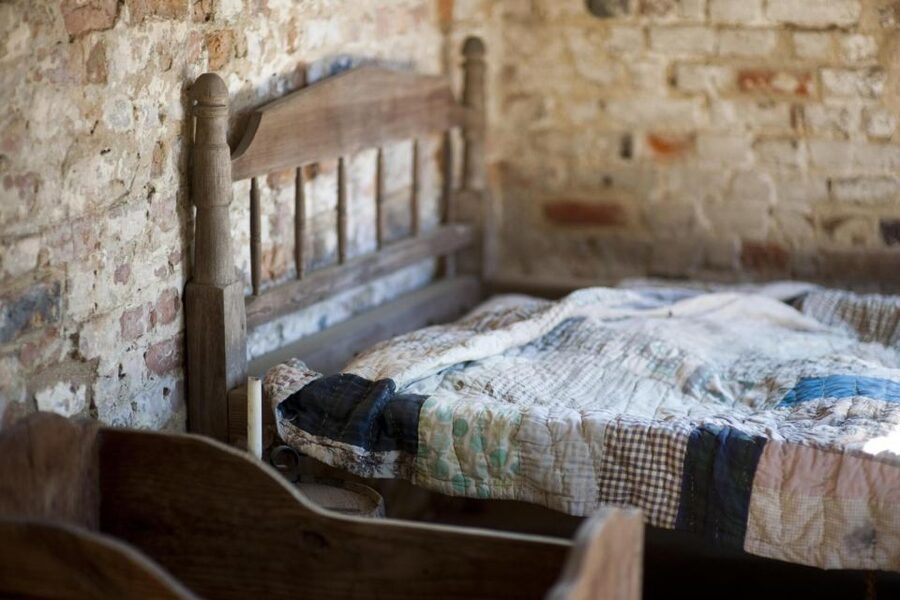
The slave cabins area is the emotional center of many visits, and the structure of this tour supports reflection. You do self-guided time in the original slave cabins while a presentation by a knowledgeable guide helps frame what you’re seeing.
Here’s the practical feature I appreciate: each cabin spot includes a way to press for audio narratives. That’s useful because it slows you down. You’re not just walking past buildings—you can listen, then look again, then keep moving when you’re ready. On a short overall schedule, audio stops like this can be the difference between rushing and understanding.
Some visitors also call out the cabin docent as particularly effective—names like Ms Presley show up as someone who described slavery and Gullah culture with care and clarity. That matters, because this area is about more than architecture. It’s about how people lived, what structures meant, and what was taken away.
A caution that’s worth saying plainly: the topic is heavy. Even when the tour uses a respectful tone, you will likely find it difficult at times. If you’re sensitive to suffering, pace yourself. Use the audio buttons, step away for a minute if you need to, and don’t feel guilty for taking breaks.
Grounds and Tractor Overview: Seeing the Plantation as a Working Place

Boone Hall isn’t only buildings. The grounds tour helps you picture how the plantation functioned beyond the house view. Many visitors highlight the grounds and homes storytelling aspect, especially when guides connect the dots between architecture, agriculture, and daily routines.
You may also get a tractor pulled farm and grounds tour. This is one of those smart add-ons for first-time visitors because it gives a fast overview of the property’s layout and how different parts relate. It won’t replace walking—nothing does—but it helps you understand the site’s scale before you start looking closely.
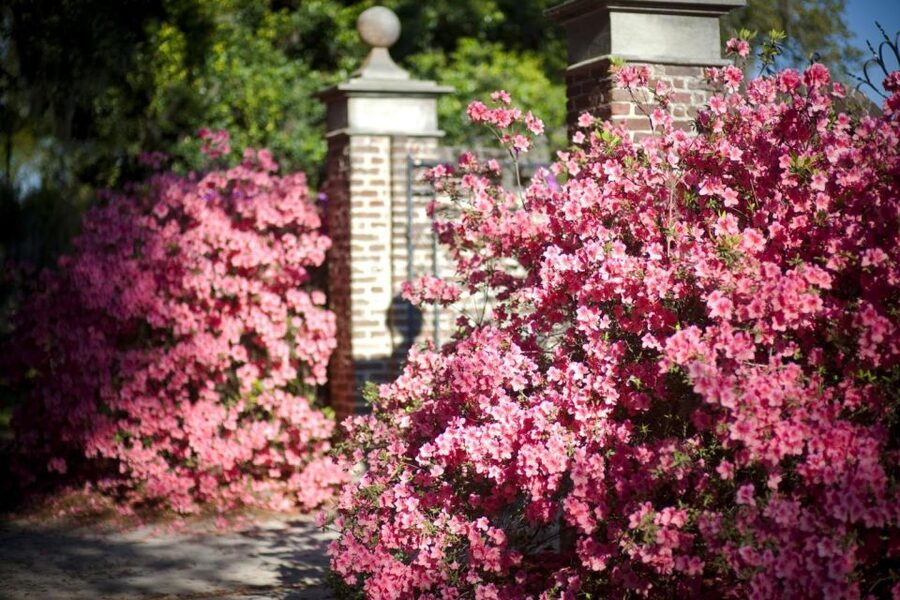
If you like photos, the plantation grounds are a clear win. The oak-lined pathways, views from open areas, and the overall framing of the property are the kind of images you remember later. And because the tour includes time to experience the grounds rather than only viewing buildings, you come away with a clearer sense of how people and work moved across the space.




Food and Pace on Site: What You Can Do with the Time You Have
You’ll have time to enjoy the experience on site, and there’s a snack bar option if you want a break. Some feedback points to food like pulled pork being pretty good, and the setting can also work if you want a simple moment off your feet before the next segment.
Pace is the main trade-off with a 4.5-hour total tour. One common complaint is that the time at the plantation can feel just a bit tight if you want to linger. That doesn’t mean the tour is bad—it just means you should go in with a plan.
Here’s a helpful way to think about it:
- If you want the best learning payoff, prioritize the Gullah presentation and slave cabins audio stops.
- If you also want photos, accept that you may need to choose between reading every panel and stopping for that one perfect picture.
If you’re worried about rushing, take advantage of audio. It gives you structure and reduces the feeling of chaos, even when time is moving.
Price and Value: What $67 Really Buys You
At about $67 per person, this tour isn’t just paying for admission to Boone Hall. You’re also paying for round-trip transportation from downtown Charleston and guided components (plus the mansion guidance and structured presentations).
That’s the value equation: you’re buying convenience plus guided context. If you tried to do this independently, you’d spend money on transport anyway, and you’d also deal with the timing pressure that comes from syncing your own schedule with tour slots.
You can think of the price as covering three things that matter on a short visit:
1) admission to the plantation site,
2) getting there and back without stress,
3) interpretive moments that make the history easier to understand.
Also, transportation ratings look strong—91% of reviewers score it perfect—so the comfort side isn’t just a nice perk. It helps you arrive less frazzled, which is honestly the best way to enjoy a heavy, educational site.
Best Fit: Who This Boone Hall Tour Works For

This tour fits best if you want an efficient, well-structured experience from Charleston that includes both guided and self-guided time. It’s also a good match if you:
- don’t want to drive yourself across the harbor,
- want the Avenue of Oaks and mansion context,
- care about cultural storytelling like the Gullah presentation,
- prefer audio-guided learning in the cabin area so you can go at your own pace.
It may be less ideal if you’re the kind of visitor who wants a long, slow day inside the mansion, reading everything with no time pressure. If that’s you, you may wish you had more hours on site.
Guides and Drivers: Why the Human Side Matters
One of the quietly important parts of this experience is the staff doing the narration and driving. Names like Scott show up frequently in positive comments for being prompt, friendly, and helpful with local context and tips for getting more out of your Charleston day.
Other names you may see mentioned include Watson, John, and Jim. The common thread is that the best days seem to combine good logistics with real context. Even when the itinerary is the same, a driver who shares practical local knowledge can turn the trip from transportation into a head start on your day in Charleston.
Should You Book This Boone Hall Tour with Transfers?
If your goal is a high-value, well-timed Boone Hall experience that includes Avenue of Oaks, a mansion tour, the Gullah presentation, and slave cabins with audio, then yes—this is a solid booking. The transfers are comfortable and remove the biggest planning headache, and the structure gives you both guided storytelling and self-paced learning.
Skip it only if you know you need more time on site than the schedule allows, or if you’re expecting a fully expansive mansion interior tour. In that case, you might do better with a format that gives longer on-property hours.
For most people doing Charleston for a few days, this is the kind of tour that lets you leave with the main emotional and educational beats—without turning the day into a logistics project.
FAQ
How long is the Boone Hall tour from Charleston?
The total duration is about 270 minutes (around 4.5 hours).
Where do I meet for the tour?
Check in directly at the buses behind the main building at the Visitors Center / Charleston Museum, Charleston, SC 29403.
What’s included in the price?
It includes Boone Hall Plantation admission and round-trip transportation from Charleston. Hotel pickup is not included.
Does the tour run in bad weather?
Yes. Tours operate in rain or shine.
What language is the tour guide?
The live tour guide is in English.
What should I bring?
Bring a camera and wear comfortable clothes. You’ll also want to arrive about 15 minutes before the activity starts.
More Charleston Tours Worth Booking






More Plantations & Historic Gardens near Charleston






Still deciding? Here are the newest Charleston tours and experiences we have reviewed












Plantations & Historic Gardens, compared.
 ★ 4.5Boone Hall Plantation All-Access Admission TicketFrom $361,736 reviews
 ★ 4.5Magnolia Plantation Admission & Tour with Transportation from CharlestonFrom $90836 reviews
 ★ 4.5Boone Hall Plantation Admission & Tour with Transportation from CharlestonFrom $82455 reviews
 ★ 4.6Magnolia Plantation Entry & Tour with TransportFrom $90438 reviews
 ★ 4.5Middleton Place Admission with Self Guided Tour and LunchFrom $120326 reviews
 ★ 4.4Historic City Tour & Magnolia Plantation ComboFrom $110187 reviews
 ★ 4.5Drayton Hall Admission Ticket with Interpreter-Guided Tour111 reviews
 ★ 4.6Boone Hall Plantation Entry & Tour w/ TransportFrom $79106 reviews
Browse the lists this tour appears in