
Reviewed · PLANTATIONS & HISTORIC GARDENS
Charleston: Boone Hall Plantation Entry & Tour w/ Transport
Boone Hall hits hard and helps you understand. I like the fact that you get a guided start on the front porch of a plantation dating to 1681, then you’re guided through the story in plain, human terms. I also like the balance of beauty plus truth: you’ll walk garden paths with 100+ year antique roses and then hear the Gullah Theater performances focused on enslaved people’s lives. One thing to consider: this tour is not set up for mobility needs, and the bus requires you to climb stairs.
The logistics are refreshingly simple. You meet at the Charleston Visitor’s Center on 375 Meeting Street, ride a comfortable air-conditioned coach out to Mount Pleasant, and then return downtown with the same ease. The guide helps you get your bearings fast, so the site doesn’t feel like random landmarks.
You’ll still want to plan for the rules and pace. You can’t bring large bags, there’s no restroom on the bus, and photography isn’t allowed inside the house—though you can photograph other areas. If you’re hoping for a relaxed all-day visit, this one is timed and feels like a focused tour.
In This Review
- Key points at a glance
- Getting to Boone Hall: The Downtown Bus From 375 Meeting St
- First Stop, Front Porch Guidance and Boone Hall’s Timeline
- The Slave Cabin and History Presentation: What You’ll See
- Gullah Theater: Stories and Songs That Carry Culture
- Gardens, Antique Roses, and the Butterfly Pavilion (When In Season)
- The Tram Ride View: Seeing the Plantation From Another Angle
- Photography, Comfort, and Practical Tips for a Smooth Half-Day
- Price and Value: Is $79 Worth It?
- Who This Tour Suits Best (and Who Might Prefer Something Else)
- Should You Book This Charleston Boone Hall Tour?
- FAQ
- Where do I meet for the Charleston to Boone Hall tour?
- How long is the tour?
- What’s included in the price?
- Are there restrooms on the bus?
- Can I take photos inside the plantation house?
- Is the bus wheelchair or mobility friendly?
Key points at a glance
- Round-trip bus from downtown Charleston keeps you from dealing with parking or driving yourself.
- A guided front-porch introduction sets context before you roam.
- Slave cabin and history presentation shows living quarters and historic relics in a structured way.
- Gullah Theater stories and songs bring culture and lived experience into the visit.
- Gardens with antique roses over 100 years old give you a real sense of the landscape.
- Tram rides and seasonal extras (like the Butterfly Pavilion) change how you see the plantation.
Getting to Boone Hall: The Downtown Bus From 375 Meeting St
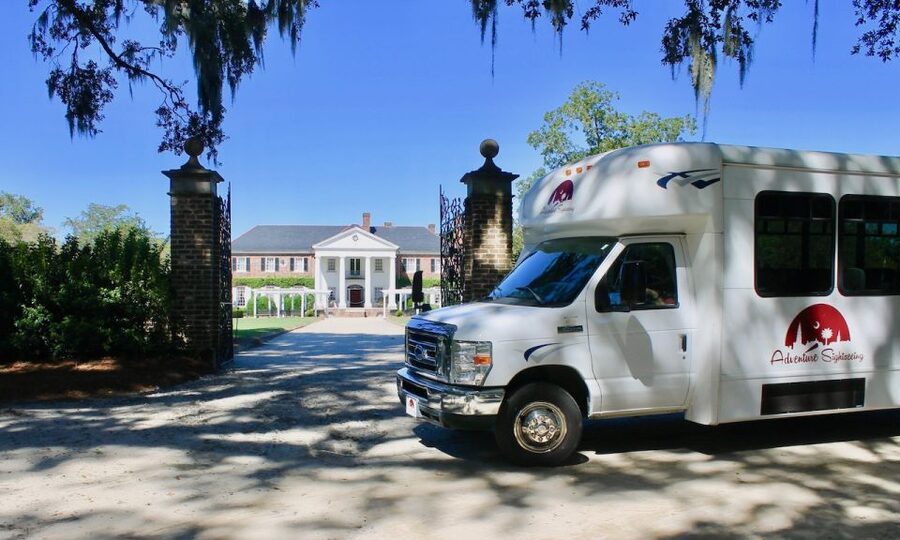
This tour is built for people who want Boone Hall without the hassle. You start at the Charleston Visitor’s Center at 375 Meeting Street, where there is free parking if you’re arriving by car. From there, you hop on a comfortable, air-conditioned bus and head to Boone Hall in Mount Pleasant.
The ride itself matters more than you might expect. The driver provides helpful context during the trip, which sets expectations before you ever step onto the grounds. That’s a smart way to make the whole half-day feel cohesive, not like you just showed up and started wandering.
One practical consideration: the bus is not handicap accessible because you have to climb stairs to get on. There are also no restrooms on the bus, though restrooms are available at the Visitor’s Center. So plan your timing around those facts.
See more of the region past the peninsula with our other Charleston plantation and garden visits.
- Magnolia Plantation Admission & Tour with Transportation from Charleston★ 4.5 · 836 reviews
- Boone Hall Plantation Admission & Tour with Transportation from Charleston★ 4.5 · 455 reviews
- Charleston: Magnolia Plantation Entry & Tour with Transport★ 4.6 · 438 reviews
First Stop, Front Porch Guidance and Boone Hall’s Timeline
Your tour begins with a guide in historical clothing meeting you at the front porch. That opening matters because it frames the plantation as a lived place across time, not just a collection of photos and brickwork. You’ll hear how Boone Hall evolved through several owners since the late 1600s.
After the introduction, you don’t just leave with a map and hope. The guide’s role is to connect what you’re seeing to what it meant—so when you later encounter the cabin area and the performance, the pieces fit together in your mind.
Then there’s a short window where you can take in parts of the site on your own pace. The schedule is tight, so don’t treat it like an open-ended museum visit. Think of it as time to refill your water bottle plans, look closely at garden details, and regroup before the next structured stop.
The Slave Cabin and History Presentation: What You’ll See
This is the emotionally serious part of the day. You’ll watch the Slave Cabin and History Presentation, which focuses on living quarters, historic relics, and day-to-day lifestyle for enslaved people who lived at Boone Hall. It isn’t just a lecture you passively endure; it’s designed around what those spaces looked like and how they functioned.
If you’re coming to Boone Hall mainly for scenery, this component will change the tone quickly. The goal is not to soften the past, and it’s not framed as distant history. The presentation helps you understand the conditions and realities tied to the plantation system.
Visually, this is where you’ll get the most grounded sense of the site. When you can see the quarters and learn what the objects and layout represented, the site stops being abstract. You’ll walk away with a clearer picture of how people lived, not just how the big house looked.
Gullah Theater: Stories and Songs That Carry Culture
Right after the tour’s historical framing, you’ll visit the Gullah Theater. This is where the experience shifts into performance—stories and songs performed in a way that highlights culture and life of enslaved people. It’s powerful because it uses voice and music, not only facts.
I like this part because it keeps you from reducing history to dates and architecture. You get language, rhythm, and emotion that make the past feel human. That matters on a plantation visit, because plantation history can otherwise feel like you’re scanning for facts instead of understanding people.
The theater visit is also a useful contrast to the garden spaces. You’ll see manicured grounds and then, shortly after, hear performances that remind you that the same grounds were tied to exploitation. That pairing is uncomfortable at times, but it’s also honest—and it’s often what visitors remember most.
Gardens, Antique Roses, and the Butterfly Pavilion (When In Season)
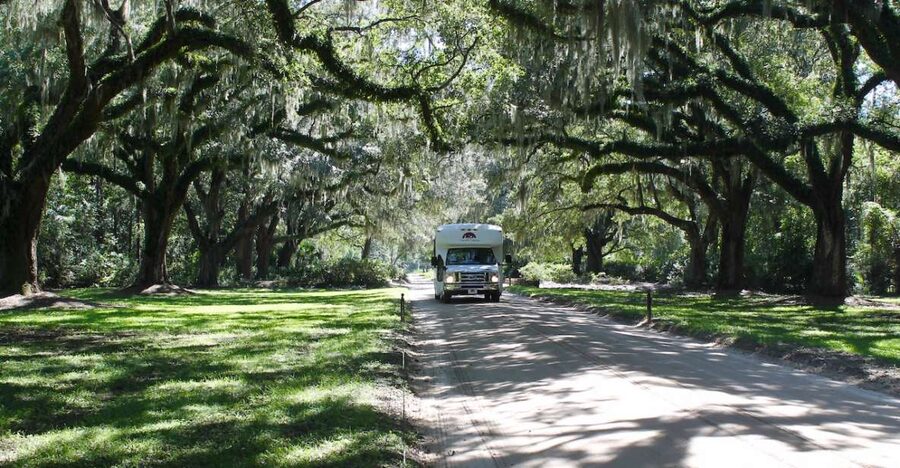
Once you’ve done the structured historical stops, you get time to stroll the grounds. This is where Boone Hall shows its physical beauty, and it’s not just window dressing. You’ll see manicured gardens with a major feature: antique roses that are over 100 years old.
I like that the gardens aren’t presented as a separate attraction. They’re part of the same property you just learned about, so your eyes adjust. You start noticing pathways, the way spaces are laid out, and how the landscape itself has been shaped over generations.
Depending on the season, you might also get the Butterfly Pavilion experience. If it’s operating, it adds a gentle change of pace without fully breaking the mood of the day. Even if it’s not available, you’ll still have the core garden walk.
Expect the scenery to photograph well in the outdoor areas. Just remember: photography is not allowed inside the house, but you can take photos during other portions of the tour.




The Tram Ride View: Seeing the Plantation From Another Angle
To round out the visit, you’ll board a tram to see the plantation from a different perspective. This part is useful if you tend to miss spatial context when you tour on foot. From the tram, you can better grasp the layout of the grounds and how the property extends beyond the front porch.
It also creates a mental reset. After theater and cabin history, the tram gives you a more visual, less “talking at you” segment of time. That’s helpful in a tour that lasts around 270 minutes total.
If you’re the type who loves understanding where things are relative to each other, the tram is a big plus. You’ll probably leave with a stronger sense of distance and scale than you would from walking the same areas only once.
Photography, Comfort, and Practical Tips for a Smooth Half-Day
There are a few rules you’ll want to remember so you don’t waste time worrying about them.
Inside the house, photography isn’t allowed. Outside the house and during other portions of the tour, you can take photos. If you’re hoping for full interior shots, you’ll need to adjust your plan and focus your camera on the grounds and exterior views.
The vehicle has its own limits too. Luggage or large bags aren’t allowed, and there’s no food and drinks in the vehicle. That means you’ll want to travel light with small personal items. If you need snacks, plan them around the Visitor Center restrooms and timing, since you won’t have a casual eating break on the bus.
Also note the walking and access reality. This tour isn’t suitable for people with mobility impairments, and the bus requires stairs. Even if you’re okay with outdoor walking, the boarding setup is the key issue.
Price and Value: Is $79 Worth It?
At $79 per person, this is not a cheap add-on. But you’re not paying just for access to Boone Hall. Your ticket includes entry to the plantation, a guided tour, and round-trip transportation from downtown Charleston via bus.
That “from downtown” piece is where the value often lands for first-time visitors. Driving yourself adds costs in gas, parking time, and figuring out timing. Here, the schedule is bundled: you start at the Charleston Visitor’s Center and return there after the experience.
You also get multiple layers of programming that usually cost extra when booked separately. You’re not only seeing buildings and gardens; you’re also getting the Slave Cabin and History Presentation and the Gullah Theater performance. For a 270-minute tour window, it’s packed but structured.
So who gets the best value? People who want a guided, narrative-based visit without doing a full self-planned day. If you want maximum free time, you might feel slightly rushed. If you want the storytelling and transport to handle the hard parts, $79 starts to look reasonable.
Who This Tour Suits Best (and Who Might Prefer Something Else)
This tour fits well if you like guided experiences with a clear storyline. The combination of front porch introduction, cabin-focused presentation, and Gullah Theater performances makes it easier to connect themes as you move through the grounds.
It also suits you if you prefer convenience. Round-trip bus transport from 375 Meeting St means you don’t have to worry about your own route to Mount Pleasant. Free parking at the Visitor’s Center is a helpful option if you’re not staying downtown.
Where it may not fit is accessibility and pacing. The bus isn’t handicap accessible, and the tour is timed, so it’s not ideal if you want long, slow garden wandering or an unhurried house exploration. And because photography is restricted inside the house, photographers should plan for exterior and garden shots rather than interior ones.
Should You Book This Charleston Boone Hall Tour?
If you want a plantation visit that combines guided context, serious history programming, and memorable performances, I think this is a smart book. The garden walk with antique roses and the tram ride add variety, so you’re not stuck in one mode for the entire visit.
Book it if you:
- Want round-trip bus transport from downtown Charleston
- Prefer a structured narrative over self-guided wandering
- Appreciate historical interpretation that includes enslaved people’s lived experiences
- Like the idea of gardens plus performance, not just architecture
Skip it or consider alternatives if:
- You need a fully accessible vehicle or boarding experience
- You want a long, flexible stay with lots of independent exploration time
- You’re traveling with large luggage or need food/drinks during transit
If you match those needs, you’ll likely find this feels like a well-paced, meaningful day trip from Charleston—beautiful in parts, serious in parts, and designed so you understand what you’re looking at.
FAQ
Where do I meet for the Charleston to Boone Hall tour?
You meet at the Charleston Visitor’s Center at 375 Meeting Street.
How long is the tour?
The total duration is 270 minutes.
What’s included in the price?
It includes pickup at the Charleston Visitor’s Center downtown, transportation to Boone Hall Plantation in Mount Pleasant, Boone Hall Plantation entry, and a guide.
Are there restrooms on the bus?
No. Restrooms are located at the Visitor’s Center.
Can I take photos inside the plantation house?
No. Photography is not allowed inside the house, but you can take photos during other portions of the tour.
Is the bus wheelchair or mobility friendly?
No. The bus is not handicap accessible, because you must climb stairs to access it, and the tour is not suitable for people with mobility impairments.
More Tours Across Charleston






More Charleston Tours Worth Booking
More Plantations & Historic Gardens near Charleston






Still deciding? Here are the newest Charleston tours and experiences we have reviewed











Plantations & Historic Gardens, compared.
 ★ 4.5Boone Hall Plantation All-Access Admission TicketFrom $361,736 reviews
 ★ 4.5Magnolia Plantation Admission & Tour with Transportation from CharlestonFrom $90836 reviews
 ★ 4.5Boone Hall Plantation Admission & Tour with Transportation from CharlestonFrom $82455 reviews
 ★ 4.6Magnolia Plantation Entry & Tour with TransportFrom $90438 reviews
 ★ 4.5Middleton Place Admission with Self Guided Tour and LunchFrom $120326 reviews
 ★ 4.4Historic City Tour & Magnolia Plantation ComboFrom $110187 reviews
 ★ 4.5Drayton Hall Admission Ticket with Interpreter-Guided Tour111 reviews
 ★ 4.6From Charleston: Boone Hall Plantation Entry with TransfersFrom $67106 reviews
Browse the lists this tour appears in