
Reviewed · PLANTATIONS & HISTORIC GARDENS
Boone Hall Plantation All-Access Admission Ticket
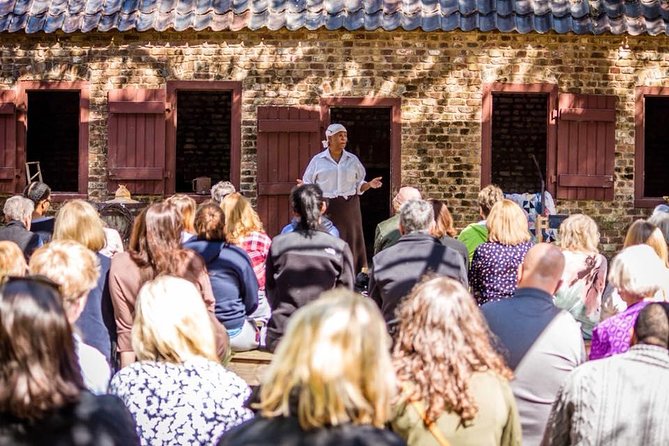
Boone Hall starts with a driveway full of attitude. You walk the Avenue of Oaks and get an all-access plan that uses guided stops to explain how this South Carolina plantation worked, and what enslaved life looked like. Two things I really liked: the way the program layers the plantation’s story with Black History in America exhibits in the cabins, and the live Exploring the Gullah Culture presentation.
For me, the best part is the variety packed into one admission price. You get guided time in the plantation home’s first floor, access to the cabins exhibit, plus property-wide experiences like the tractor tour and garden time. It’s not just one attraction—it’s a full run through the grounds and the working-farm details.
One consideration: the plantation home tour may feel short, and the main house isn’t the original Boone-era mansion. Some visitors are surprised by that, and photos inside the home can be handled differently than you expect, so keep your expectations flexible.
In This Review
- Key Highlights You Should Plan For
- First Impressions on the Avenue of Oaks
- What the All-Access Ticket Gets You in 2 to 4 Hours
- The Plantation Home Tour: First Floor Only (and Why That Matters)
- Cabins and the Black History in America Exhibit
- Gullah Culture Live Presentation: The Program’s Star Power
- Garden Tour, Beauty and Wildlife Viewing, and Time Outdoors
- Tractor Tour Across the Property (Weather Permitting)
- Stables and Gin House Museum: Working-Farm Details
- Price and Value: Is $36.50 a Fair Deal?
- Timing Tips: How to Get the Best Day
- Who This Visit Suits Best (and Who Might Want a Different Plan)
- Final Call: Should You Book Boone Hall All-Access Admission?
- FAQ
- FAQ
- How much is the Boone Hall Plantation all-access admission ticket?
- How long does the visit take?
- Where is the tour located?
- What’s included with the all-access admission?
- What is not included?
- Does the ticket require good weather?
- What are the opening hours?
- Is the ticket mobile?
- Are service animals allowed?
- What is the cancellation policy?
Key Highlights You Should Plan For
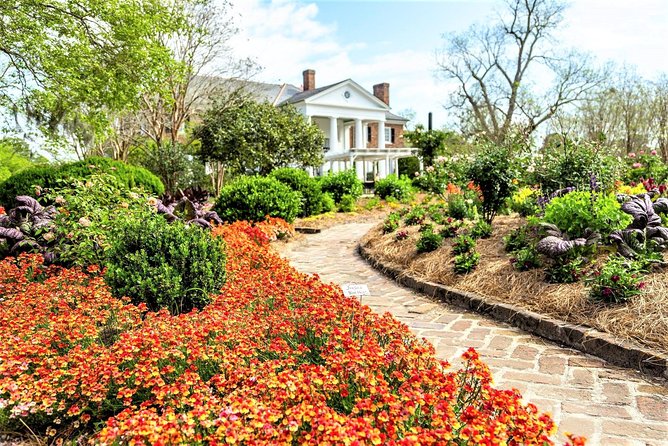
- Avenue of Oaks entry on a guided all-access admission
- Black History in America exhibit in cabins where enslaved people lived
- Exploring the Gullah Culture live presentation included with your ticket
- Tractor tour across the property when weather allows
- Garden Tour: Showcase of Color plus beauty and wildlife viewing
- Gin House Museum and the Stable Tour (at set times)
First Impressions on the Avenue of Oaks

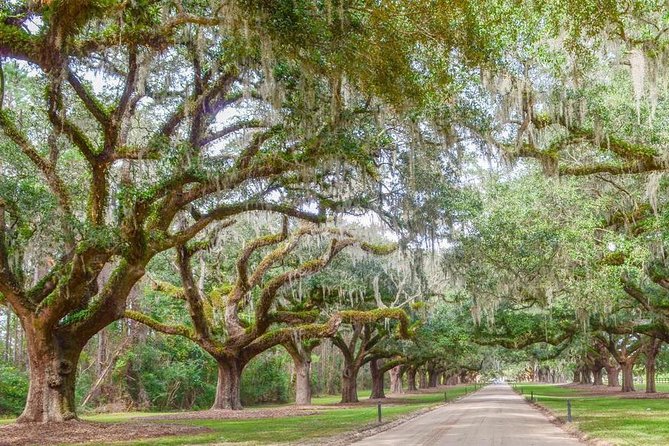
Boone Hall Plantation feels immediately different from the kind of historic site you just “look at.” You start with the approach down the Avenue of Oaks, a signature Charleston-area view that sets the mood fast—long, shaded, and dramatic. Even if you’ve seen plantations in photos before, being there in person is what makes the whole place click.
The all-access format matters too. Instead of cherry-picking just one museum-style stop, your ticket is built to move you through multiple parts of the property in a structured way. That’s the real value: you can cover the essentials without spending your day hopping between separate ticket lines.
See more of the region past the peninsula with our other Charleston plantation and garden visits.
- Magnolia Plantation Admission & Tour with Transportation from Charleston★ 4.5 · 836 reviews
- Boone Hall Plantation Admission & Tour with Transportation from Charleston★ 4.5 · 455 reviews
- Charleston: Magnolia Plantation Entry & Tour with Transport★ 4.6 · 438 reviews
What the All-Access Ticket Gets You in 2 to 4 Hours
The ticket is designed for a 2 to 4 hour visit, depending on how quickly you move and how much you linger at the stops. And yes, the time can be tight if you like to take your time with every exhibit—but it’s also perfect if you want a complete introduction without turning it into a full-day commitment.
Here’s what you can expect included with your admission:
- Guided tours of the first floor of the plantation home
- Access to the Black History in America exhibit in the cabins where enslaved people lived
- A history presentation
- Live Exploring the Gullah Culture presentation
- A tractor tour across the property (weather permitting)
- Garden Tour: Showcase of Color plus beauty and wildlife viewing
- Access to the stable area via the new Stable Tour
- The Gin House Museum, which covers roughly 300 years of history
- Free parking and a mobile ticket
In other words, you’re not just touring buildings. You’re being taught how the site functioned, how crops and labor fit together, and how Gullah culture connects to the region.
The Plantation Home Tour: First Floor Only (and Why That Matters)
The guided home portion focuses on the first floor, and it’s meant to give context rather than turn into a full mansion marathon. Several visitors note that the home tour can feel brief, partly because it covers only a handful of rooms on the main level.
A big heads-up: the main house you see is not the original Boone-era mansion. Reviews point out the house dates to the 1930s (some mention 1934 or 1935). That doesn’t mean the tour is pointless—it means you should think of it as a thoughtfully presented interpretive experience, not a survival from the earliest plantation period.
What I find useful for planning: go into the home tour expecting architecture, layout explanations, and guided storytelling, then pivot to the cabins for the heart of the human history. If you’re hunting for a fully preserved 1600s mansion, you might walk out wishing for something older. If you want clear explanation and a guided route that keeps you moving, the home portion fits well.
Practical tip: if you care about photos indoors, don’t assume you’ll be able to take them freely. At least some visitors have been told not to photograph inside, so it’s smart to follow the guide’s cues and ask before you raise your camera.
Cabins and the Black History in America Exhibit
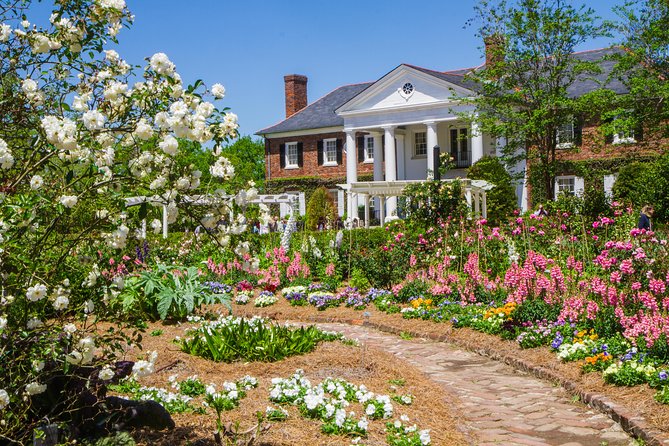
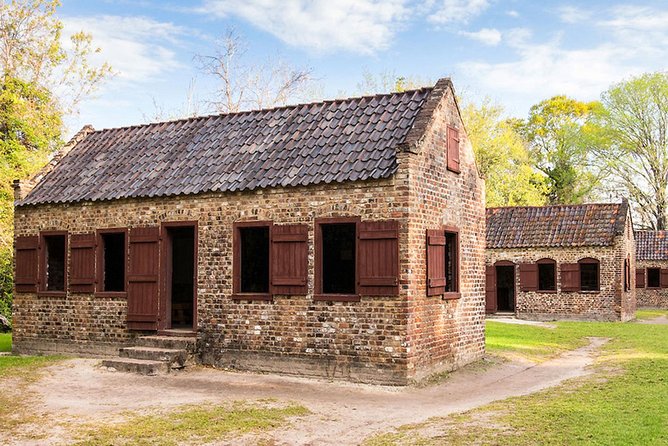
If you want the “can’t miss” part, make it the cabins. The ticket includes access to the Black History in America exhibit located in cabins where enslaved people lived. This is where the visit turns from scenic plantation sightseeing into something heavier and more direct.
What you’re looking for here isn’t just artifacts. It’s placement—how the exhibit lives inside the spaces that represent daily existence under slavery. That shift in setting changes how the story lands. Even when the tour is guided and structured, the cabins create a different kind of silence: you read, you look, and you absorb without distraction.
Plan a little time here even if you think you’ll “speed-run” the exhibits. It’s the part that benefits most from pauses—because you’ll likely want to re-read signage or take a moment after a talk before moving on.
Gullah Culture Live Presentation: The Program’s Star Power
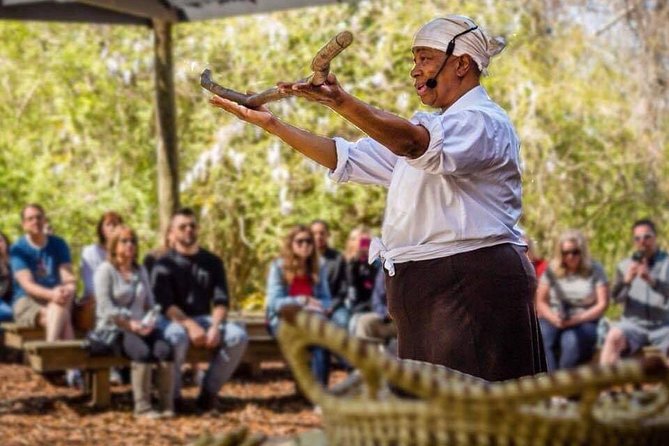
One reason this ticket gets such strong ratings is the live Exploring the Gullah Culture presentation. People consistently call it worth the admission price on its own, and the program treats Gullah culture as a living connection, not just a sidebar.
In practical terms, this isn’t something you watch from far away. It’s presented on-site as part of your day, and it ties the region’s African American heritage to South Carolina’s coastal world. If you’re the type who wants to understand how culture survives through language, foodways, crafts, and community memory, this will likely be the section you remember most.
It also helps the rest of the visit make sense. Once you understand the Gullah cultural lens, you’ll often read the plantation story differently—less like isolated historic facts, more like a continuous thread of people, resilience, and identity.
A few more Charleston tours worth a look before you go.
Garden Tour, Beauty and Wildlife Viewing, and Time Outdoors
The all-access ticket includes a Garden Tour: Showcase of Color plus time for beauty and wildlife viewing. This is a welcome pace change between the heavier cabin exhibits and the home interpretation. The gardens are also part of how the plantation is presented today: maintained, managed, and actively curated for visitors and learning.
A practical note: if you’re visiting in summer heat, plan to move calmly. Outdoor garden time can feel longer than the scheduled stops because you’ll want to look at details—flowers, plantings, and the overall way the grounds are kept.
If you like photography, you’ll find plenty of material, but don’t let it eat your timing. The best visits keep a balance: look, learn, then move before you fall behind schedule for the other included activities.
Tractor Tour Across the Property (Weather Permitting)
The ticket includes a tractor tour across the entire property, but it’s weather permitting. That clause matters because it can change your schedule on the day you go. If weather threatens the tractor ride, you might need to be flexible—maybe shifting more time into the home and cabin exhibits.
That said, the tractor tour is a practical way to cover distance without walking yourself into a tired, cranky finale. It also gives context for how the property is laid out—how buildings relate to one another, where viewpoints sit, and what parts of the plantation functioned as working zones.
If you’re the kind of visitor who gets bored with long bus rides, don’t worry. This one is typically aimed at tying visuals to the story being told, and it helps you understand the scale quickly.
Stables and Gin House Museum: Working-Farm Details
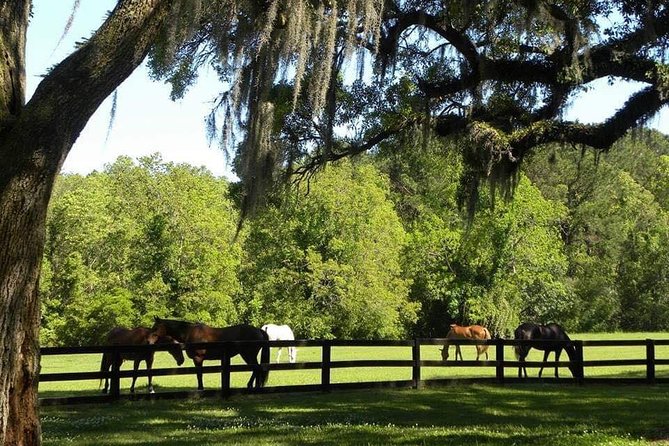
Boone Hall also leans into the idea that this is still a functioning operation and not just a set of static ruins. You have access to the Stable Tour and the Gin House Museum.
The gin house portion is especially valuable if you want to understand plantation economics rather than only plantation aesthetics. The Gin House Museum spans 300 years of history, and that helps explain how crop processing, labor, and technology connected to daily life on plantations.
For the stables: some visitors note that stable access can be limited to certain times. If the stables matter to you—whether for the horses or just to see more of how the site operates—arrive ready to follow the day’s schedule and don’t assume everything runs continuously.
Price and Value: Is $36.50 a Fair Deal?
At $36.50 per person, this ticket is priced to cover a full program of guided and live elements rather than a single attraction. The math works best if you actually plan to take in multiple included parts: cabin exhibits, home tour, live Gullah presentation, plus the tractor and garden experiences.
Here’s the value lens I’d use:
- If you only wanted one building tour, you’d probably feel the cost.
- If you want guided storytelling across several settings—home, cabins, museum spaces, and outdoor areas—then the price becomes more reasonable fast.
There’s also a budgeting angle. One visitor pointed out that third-party ticket pricing can be higher than buying direct or at the gate. If you’re booking online, it’s worth checking whether a third-party fee is inflating what you pay. If you’re going with a group or you’re booking for seniors, those differences can matter.
Overall, this is best treated as a structured 2 to 4 hour experience where the guided stops are part of the product. The live Gullah culture presentation is repeatedly described as a major reason people feel the ticket is worth it.
Timing Tips: How to Get the Best Day
Even with an all-access ticket, you’ll have a better experience if you plan around the day’s flow.
- Go when you’ll have enough energy for walking and outdoor time.
- If weather is iffy, assume the tractor tour could shift or not run.
- Don’t pack tight after your visit; the day can run longer if you pause for exhibits and talks.
Also, consider the type of visit you’re after. If you want a quick photo stop, skip. If you want a guided learning day—complete with both interpretive house content and the cabins exhibit—this fits nicely.
The venue is open Monday through Saturday, 9:00 AM to 5:00 PM. If you’re building a Charleston day, choosing a mid-morning slot often gives you less pressure if something runs at a slower pace than expected.
Who This Visit Suits Best (and Who Might Want a Different Plan)
This is a strong match for you if:
- You want a guided plantation experience that includes slavery-era storytelling rather than treating it as an optional footnote
- You’re interested in Gullah culture and want a live presentation, not just a reading sign
- You like structure: a ticket that bundles multiple experiences into one plan
It may not be ideal if:
- You expect the plantation home to be the original Boone-era mansion (the house dates to the 1930s, and the tour focuses on the first floor)
- You dislike the idea of guided timing and prefer totally self-directed exploration
- You only have time for a short, light attraction and would rather skip heavier interpretive stops
Final Call: Should You Book Boone Hall All-Access Admission?
I think you should book if you want a guided day that covers the plantation story in multiple places, especially the cabins exhibit and the live Gullah presentation. This ticket is built for learning, and the program’s strongest points are the parts that explain lived experience and cultural connections.
If you’re mostly looking for a long, in-depth mansion tour of an original historic house, adjust your expectations. The home portion is limited to the first floor and the main house is from the 1930s. Still, the cabins and Gullah-focused programming make the visit worth serious consideration.
FAQ
FAQ
How much is the Boone Hall Plantation all-access admission ticket?
It’s listed at $36.50 per person.
How long does the visit take?
The duration is about 2 to 4 hours.
Where is the tour located?
It’s at Boone Hall Plantation near Charleston, USA.
What’s included with the all-access admission?
Your ticket includes guided tours of the first floor of the plantation home, access to the Black History in America exhibit, the Exploring the Gullah Culture live presentation, a tractor tour across the property (weather permitting), a history presentation, garden tour, stable tour, Gin House Museum access, free parking, and beauty and wildlife viewing.
What is not included?
Tickets cannot be used for special events hosted on site.
Does the ticket require good weather?
Yes. The experience requires good weather, and if it’s canceled due to poor weather, you’ll be offered a different date or a full refund.
What are the opening hours?
From 9:00 AM to 5:00 PM, Monday through Saturday.
Is the ticket mobile?
Yes, it’s a mobile ticket.
Are service animals allowed?
Yes, service animals are allowed.
What is the cancellation policy?
Free cancellation is available up to 24 hours in advance for a full refund. If you cancel less than 24 hours before the experience starts, the amount paid is not refunded. If the experience is canceled due to poor weather, you’ll be offered a different date or a full refund.
More Charleston All-Access Passes

More Charleston Tours Worth Booking






More Plantations & Historic Gardens near Charleston





Still deciding? Here are the newest Charleston tours and experiences we have reviewed











Plantations & Historic Gardens, compared.
 ★ 4.5Magnolia Plantation Admission & Tour with Transportation from CharlestonFrom $90836 reviews
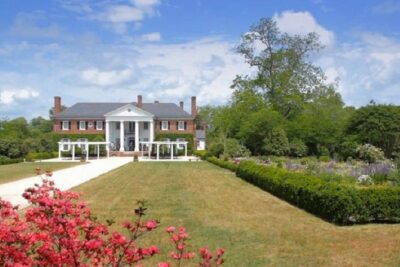 ★ 4.5Boone Hall Plantation Admission & Tour with Transportation from CharlestonFrom $82455 reviews
 ★ 4.6Magnolia Plantation Entry & Tour with TransportFrom $90438 reviews
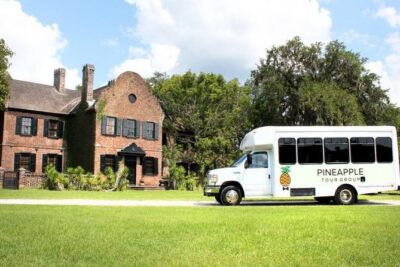 ★ 4.5Middleton Place Admission with Self Guided Tour and LunchFrom $120326 reviews
 ★ 4.4Historic City Tour & Magnolia Plantation ComboFrom $110187 reviews
 ★ 4.5Drayton Hall Admission Ticket with Interpreter-Guided Tour111 reviews
 ★ 4.6From Charleston: Boone Hall Plantation Entry with TransfersFrom $67106 reviews
 ★ 4.6Boone Hall Plantation Entry & Tour w/ TransportFrom $79106 reviews
Browse the lists this tour appears in