
Reviewed · HISTORICAL TOURS
108 Elemental Presents Beauty & Tragedy: History w/ Adam Miles
Charleston has a loud, honest past. With Adam Miles, you walk between the Powder Magazine and the places that explain how the city’s fortunes were built, then you get a breather at Rainbow Row. I love the mix of landmark-and-story, and I love that the pace stays easy enough to actually notice the details. One consideration: parts of the route cover slavery and other painful chapters, so go in with the right mindset.
At $40 per person for about two hours, with a maximum of 20 people, this feels made for attention, not head-butting crowds. You’ll use a mobile ticket, the tour is in English, and it starts on Cumberland Street near Church Street, then returns to the same spot. Since it averages being booked about 32 days ahead, I’d reserve early if your dates are set.
In This Review
- Key things I’d pay attention to
- How Adam Miles keeps Charleston’s beauty and tragedy on schedule
- Stop 1: The Powder Magazine and the city’s early colonial footprint
- Stop 2: Old Slave Mart Museum—heartbreak with real importance
- Stop 3: Old Exchange & Provost Dungeon—jail history and a surprising George Washington
- Rainbow Row: why restored pastel homes still carry story
- The Battery & White Point Gardens: harbor views that justify the walk
- Historic Downtown Charleston: cobblestones, French Quarter vibes, and four-corners symbolism
- Price and value: is $40 worth it?
- Who should book this tour—and who might want a different style
- Should you book Beauty & Tragedy in Charleston?
- FAQ
- How long is the Charleston tour?
- What does it cost?
- Where do I meet, and where does the tour end?
- Is admission included for every stop?
- Is the tour offered in English, and do I get a mobile ticket?
- How big is the group?
- What is the cancellation policy?
Key things I’d pay attention to
- Small group format (up to 20) keeps the walk from feeling like a cattle chute
- Adam Miles guides the tone through both beauty and tragedy, without skipping the hard parts
- Free stops at Rainbow Row and the Battery area mean you’re not constantly hunting tickets
- Most sites don’t include admission at the first three stops, so plan for possible extra costs
- Harbor views from the Battery give you a scenic break after heavier history
- A tight 2-hour route helps you see a lot without burning an entire afternoon
How Adam Miles keeps Charleston’s beauty and tragedy on schedule
This is a focused, two-hour walking tour built around a simple idea: you can’t really understand Charleston if you only look at the pretty photos. You start downtown and move site to site in short blocks, so you get momentum without sprinting. The whole thing is capped at 20 people, which matters. Smaller groups let the guide steer you toward what to look for, instead of shouting over everyone.
I also like the timing. The early stops are about 10 minutes each, then the Battery area stretches longer (around 20 minutes) for views and a breather. That rhythm helps when the subject matter turns heavy. You’re not stuck in one museum mood for the entire two hours.
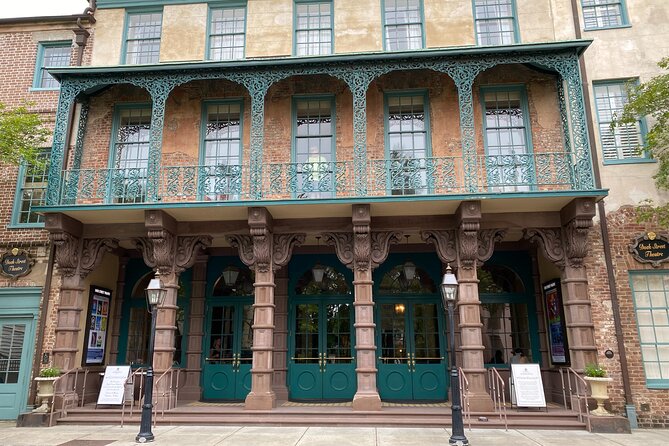
You’ll be walking in a very “Charleston” way: cobblestones, old streets, and public spaces where it’s easy to slow down and actually read what the guide is pointing at. Service animals are allowed, and it’s described as something most people can participate in, with the tour being near public transportation. In plain terms: it’s not a marathon plan.
Dig deeper into the past with more Charleston history tours.
- Charleston’s Old South Carriage Historic Horse & Carriage Tour★ 5.0 · 10,023 reviews
- Historic Charleston Guided Sightseeing Walking Tour★ 5.0 · 6,216 reviews
- Charleston Horse-Drawn Carriage Tour: Explore Historic Charleston★ 5.0 · 3,561 reviews
Stop 1: The Powder Magazine and the city’s early colonial footprint
The first stop is the Powder Magazine, described as the oldest public building in South Carolina and a place tied to early colonial history in Charleston. Even if you’re not a deep-dive history nerd, there’s a good traveler logic here. Starting with a foundational landmark sets the stage before the tour shifts to darker material.
What you should expect at this stop is mostly orientation through story: where you are, what era the building represents, and why it matters for understanding the city’s development. This is one of those places where context changes what you notice. A guided explanation can turn a simple historic building into a clue about how the city functioned.
Practical note: admission isn’t included for this stop. So if you want to go inside (or if the tour includes you stopping at points that require entry), it helps to have a little extra budget or time flexibility. If you’re trying to keep your day costs predictable, this is the first place you’ll want to check.
Stop 2: Old Slave Mart Museum—heartbreak with real importance
Next up is the Old Slave Mart Museum, one of the most heartbreaking and important buildings in historic Charleston. The tone shifts clearly here. This is part of the tour’s name for a reason: beauty and tragedy aren’t separate themes in this city—they’re woven together.
I appreciate that this stop isn’t presented as a quick photo stop. Instead, it’s framed as an essential lesson about some of the city’s darker history. You’re given short time (around 10 minutes), but the point is to make sure you don’t skip over the truth just because it’s uncomfortable. If you’re the type who likes to understand the whole story—no soft focus—this is where the tour earns its keep.
Emotional consideration matters. Some people can handle this kind of subject easily; others need a pause. Because the tour keeps moving, you may want to mentally prepare for that shift: you’re walking from a symbol of early city life into the reality of the slave trade system connected to Charleston.
Admission isn’t included here either. That’s another detail that can affect value. If you plan to pay for entry at multiple ticketed stops, $40 may look different once you add those extras.
Stop 3: Old Exchange & Provost Dungeon—jail history and a surprising George Washington
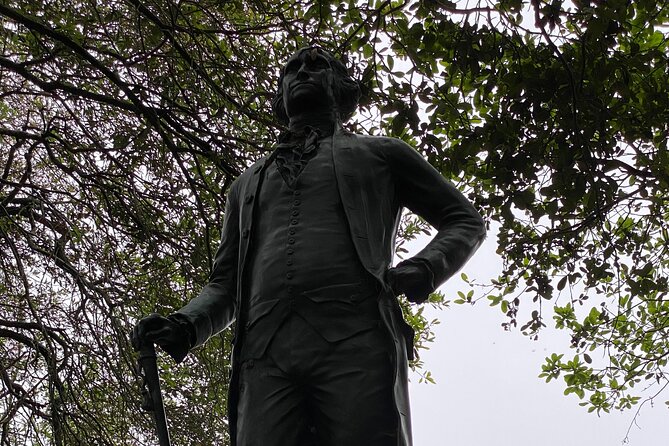
The third major stop is the Old Exchange & Provost Dungeon. The description paints it as a fascinating, checkered setting that spans everything from jailed pirates to a dancing George Washington. That’s not just trivia. It’s a strong example of how one building can hold contradictory stories across time.
This kind of stop is ideal for a guided walk because it helps you make sense of the unusual mix. Pirates and a dancing George Washington might sound like two separate worlds, but the building ties them together. The guide’s job here is to connect the dots so the place feels coherent, not random.
You’ll get about 10 minutes at this stop, which is tight. For me, that’s actually a plus for a tour like this. You’re not stuck in one spot trying to read everything at museum depth. Instead, you get a clear overview, and then the walk moves you along.
Again, admission isn’t included for this stop. If you want to spend extra time inside, you’ll likely need to do it on your own either before or after the tour. The tour itself is about interpretation and orientation, not full museum marathons.
Rainbow Row: why restored pastel homes still carry story
Then you get one of Charleston’s most famous postcard scenes: Rainbow Row. The big draw here is that it’s not just a set of pretty buildings. The tour frames these pastel homes as restored in the 1930s and 1940s, which adds a layer beyond aesthetics. Restoration is its own kind of history. It tells you what people decided was worth saving.
You also get short time—about 10 minutes—but this is the right stop for a quick reset after earlier heartbreak. I like how the tour uses Rainbow Row as a palate cleanser without pretending the rest of the city isn’t complicated. You can admire the colors while still understanding the tour’s overall message: beauty can exist alongside tragedy, and you don’t have to choose one.
Admission is free for this stop. That’s a real value perk. You can spend time looking, taking pictures, and letting the guide’s comments land without worrying about a separate entry fee. It also makes it easier to keep the overall cost from creeping up.



The Battery & White Point Gardens: harbor views that justify the walk
After Rainbow Row, the tour reaches the Battery & White Point Gardens area. This is your scenic payoff: the Charleston Battery offers beautiful views of Fort Sumter, the USS Yorktown, Castle Pinckney, and the Charleston harbor. Even if you’ve already seen photos online, a guided pause here helps you orient quickly—what you’re looking at, where it sits, and why the waterfront matters to the way Charleston feels.
This stop runs about 20 minutes, which is longer than the earlier ones for a reason. Views don’t work well when you rush them. This is your chance to slow down, look around, and get a sense of distance and direction. It’s also a nice break from indoor history and heavy topics.
Admission is free for the Battery & White Point Gardens stop. So if you’re trying to keep your money focused on the guide experience rather than site fees, this is where you feel the tour’s value clearly.
One more practical thought: because you’re outside and viewing a lot at once, it helps to wear comfortable walking shoes and plan for weather. A two-hour tour is short, but the waterfront can feel different depending on wind and sun.
Historic Downtown Charleston: cobblestones, French Quarter vibes, and four-corners symbolism

The final stretch is “Historic Downtown Charleston,” where the guide leads you through multiple key areas. Expect stops and walk-by moments connected with places like the French Quarter and Four Corners of law, plus parks and cobblestone streets.
This part matters because it turns individual buildings into a connected city story. You’re not just learning about four or five sites in isolation. You’re seeing the way streets and public spaces connect what you learned earlier to what it feels like on the ground.
I especially like this ending style for one reason: it gives you a chance to absorb the tour without forcing extra ticket decisions. Most of the walk is described as free, which makes it easier to keep your day simple.
If you’re the kind of visitor who likes to keep moving but still wants real context, this final walk segment is a good fit. It helps you get your bearings fast and makes your next self-guided stroll more meaningful.
Price and value: is $40 worth it?
At $40 per person for roughly two hours, the value depends on what you plan to do at ticketed sites. The first three stops (Powder Magazine, Old Slave Mart Museum, and Old Exchange & Provost Dungeon) list admission as not included, while Rainbow Row and the Battery area are free.
So here’s the practical way to think about it:
- If you want guided storytelling more than paid entry time, the tour is good value. You’re paying for context, pacing, and a guided route that stitches sites together.
- If you expect to enter all three ticketed stops, your all-in day cost will be higher. In that case, you’re still paying for the guide’s interpretation, but tickets will add to the total.
- The small group limit (20 people) is part of what justifies the price. It’s easier to get your questions answered or to hear what matters when you’re not stuck in a big pack.
Also, the tour is in English and uses a mobile ticket. That’s minor, but it reduces friction. Less fuss means you spend more of your two hours actually learning.
Who should book this tour—and who might want a different style
This one is best for you if you want a balanced walk through Charleston’s public landmarks with a guide-led narrative. You’ll like it if you enjoy historic settings, streetscape moments, and a route that keeps moving at a steady pace.
It’s also a good choice if you’re short on time. Two hours is enough to sample major parts of downtown and the waterfront, then still have time for your own plans afterward.
It may be less ideal if you’re looking for a light, purely scenic tour. The route includes the Old Slave Mart Museum and frames darker history as essential, not optional. If that feels too intense for your vacation style, you could consider a different tour that focuses only on architecture or only on waterfront views.
Should you book Beauty & Tragedy in Charleston?
I’d book it if you want Charleston to make sense beyond the obvious. The tour structure is efficient: short landmark stops, a scenic harbor break, and a downtown walk that helps you connect the dots between places. The strong point is how Adam Miles guides the story through both the beautiful and the heartbreaking, without making it feel like one theme erases the other.
Book early. With an average booking lead time around 32 days, popular times can fill. Also, decide ahead of time whether you plan to pay for admissions at the first three stops. If you’re good with that trade-off, this is a smart, focused way to get real context in a limited afternoon window.
FAQ
How long is the Charleston tour?
The tour is approximately 2 hours.
What does it cost?
It costs $40.00 per person.
Where do I meet, and where does the tour end?
You meet at Cumberland Street & Church Street in Charleston, SC 29401, USA. The tour ends back at the meeting point.
Is admission included for every stop?
Admission ticket details vary by stop. The Powder Magazine, Old Slave Mart Museum, and Old Exchange & Provost Dungeon list admission tickets as not included. Rainbow Row and the Battery & White Point Gardens are free.
Is the tour offered in English, and do I get a mobile ticket?
Yes. The tour is offered in English, and it provides a mobile ticket.
How big is the group?
The tour has a maximum of 20 travelers.
What is the cancellation policy?
Free cancellation is available. You can cancel up to 24 hours in advance for a full refund. If you cancel less than 24 hours before the experience starts, the amount paid is not refunded.
More History Tours in Charleston






More Charleston Tours Worth Booking



Still deciding? Here are the newest Charleston tours and experiences we have reviewed












Historical Tours, compared.
 ★ 5.0Charleston’s Old South Carriage Historic Horse & Carriage TourFrom $5010,023 reviews
 ★ 5.0Historic Charleston Guided Sightseeing Walking TourFrom $306,216 reviews
 ★ 5.0Charleston Horse-Drawn Carriage Tour: Explore Historic CharlestonFrom $493,561 reviews
 ★ 4.5Charleston Harbor History Day-Time or Sunset Boat CruiseFrom $442,788 reviews
 ★ 5.0Hidden Alleyways and Historic Sites Small-Group Walking TourFrom $342,335 reviews
 ★ 4.5Daytime or Sunset Historic Harbor CruiseFrom $491,352 reviews
 ★ 5.0Charleston historical walking tour with a Professor of History at The CitadelFrom $401,284 reviews
 ★ 4.8Historical Downtown Tour by Horse-drawn CarriageFrom $501,009 reviews
Browse the lists this tour appears in