
Reviewed · HISTORIC DISTRICT WALKING TOURS
Behind the Scenes of Shem Creek Shrimp Walking Tour
Shrimp boats, but make it a story walk. On this Shem Creek shrimp walking tour, I like the way Capt Bryan connects the working shrimping world to the homes, streets, and setbacks that shaped Mount Pleasant. You’re not stuck watching from afar either—you end with a cast net demonstration that turns history into something you can try with your own hands.
One heads-up: this is a history-led walk, not a food tour. You may leave hungry if you assumed there would be shrimp snacks along the way—plan lunch soon after.
In This Review
- Key things to know before you go
- Shem Creek shrimping: why this walk feels different
- Price and value: what $29 buys you
- Meeting at 111 Coleman Blvd: pacing, weather, and what to bring
- Stop 1: Mary Street and the harbor story you can picture
- Stop 2: Magwood Drive, shrimp shacks, and original shrimper homes
- Stop 3: Shem Creek and the ferry system that once mattered
- Stop 4: Hibben Street and how shrimping began in the area
- Stop 5: Mt Pleasant Seafood and the decline of a fishery
- Stop 6: Shem Creek Park boardwalk and the cast net finale
- Is it really about shrimp? A practical expectation check
- Who this tour is best for
- Quick tips so you get the most out of it
- Should you book the Shem Creek Shrimp Walking Tour?
- FAQ
- How long is the Shem Creek shrimp walking tour?
- Where does the tour start and end?
- How far do you walk?
- How big is the group?
- What language is the tour offered in?
- Is it a mobile ticket experience?
- Is there an interactive part?
- Are service animals allowed?
- Does the tour run in any weather?
- Is there a cancellation window for a full refund?
Key things to know before you go
- Small group (max 15) means more questions, more back-and-forth, and a calmer walk along the water.
- Capt Bryan’s storytelling ties together Charleston-area history with how commercial shrimping started and changed.
- A stop-by-stop “place history” route takes you past shrimp shacks, ferry-era sites, and old waterfront structures.
- Cast net demo at the end teaches you how shrimping works up close, not just from photos.
- About a 1.5-mile walk that matters most in summer heat—bring water and plan for a slow, steady pace.
- It ends at the Mt Pleasant waterfront boardwalk, which is a nice spot to keep exploring after the tour.
Shem Creek shrimping: why this walk feels different
Shem Creek is one of those places where the past doesn’t sit behind glass. It’s out in the open—streets you can walk, old houses you can spot, and waterfront views that still make sense even if you’re new to South Carolina seafood culture.
What makes this tour work is the balance. You’re not just learning dates. You’re learning reasons: why this community formed where it did, how people moved goods by water, and how shrimping became a day-to-day industry instead of a postcard idea. That turns Shem Creek into a living story about work, risk, weather, and change.
And because the group is capped at 15, Capt Bryan can actually steer the conversation—answer questions and keep kids and adults engaged without feeling like you’re being herded.
Trade one set of cobblestones for another with more Charleston walking tours.
- Historic Charleston Guided Sightseeing Walking Tour★ 5.0 · 6,216 reviews
- Charleston Horse-Drawn Carriage Tour: Explore Historic Charleston★ 5.0 · 3,561 reviews
- Ghosts of Charleston Night-Time Walking Tour with Unitarian Church Graveyard★ 4.5 · 2,835 reviews
Price and value: what $29 buys you
At $29 per person, the price lands in the “good value” zone—mostly because you’re getting more than a basic walk. You’re paying for:
- A guided route with multiple specific stops tied to one theme (how commercial shrimping developed)
- Two generational family seafood stops where you can see how the industry operates
- A hands-on cast net demonstration at the end, which is where the tour becomes memorable
Time-wise, you’re looking at about 1 hour 30 minutes. That’s enough to cover the core story without turning your day into a long, exhausting commitment—especially since the walk is roughly 1.5 miles total.
Also, this tour tends to book ahead. If you’re visiting in peak season, plan early, because the tour schedule can fill.
Meeting at 111 Coleman Blvd: pacing, weather, and what to bring
The tour starts at 111 Coleman Blvd, Mt Pleasant, SC 29464, at 10:00am. You’ll end at 1313 Shrimp Boat Ln after a short walk to a public boardwalk beside the creek—handy if you want to keep wandering on your own afterward.
This is a real walking tour. The route is about 1.5 miles, and the guidance is pretty clear that summer heat can be a factor. I’d treat it like a warm-weather city walk:
- Bring water
- Wear walking shoes
- Use sunscreen
- If you’re the kind of traveler who sweats easily, plan to go slower than you think
One nice detail: Capt Bryan has shown up prepared with extras like umbrellas and a sweet treat for the group, which can save your day if the weather flips.
Stop 1: Mary Street and the harbor story you can picture
You begin by heading to Mary Street. Here you’re not rushing toward shrimp docks. You’re getting orientation—an overview of Charleston Harbor and the kinds of changes seaside communities face over time.
The point of this stop is mental context. Once you see the harbor layout and understand how conflict, disasters, and infestations can reshape a place, the later shrimping details make more sense. It’s the “why this neighborhood became what it is” portion of the tour.
If you’re the type who likes structure, this first stop helps. It sets a frame so the rest of the walk feels connected instead of random.
Stop 2: Magwood Drive, shrimp shacks, and original shrimper homes
Next up is Magwood Drive, where you pass by the home of the first commercial shrimper on Shem Creek and see the idea of shrimp shacks—the historic neighborhood where early shrimpers lived.
This is one of the stops that makes the tour feel locally grounded. Instead of only talking about boats and nets, you’re looking at where people slept, worked, and built a life around the water.
A potential drawback? If you’re expecting a lot of time staring at working vessels right away, you may find this portion slower. But that’s also why it’s memorable: you start seeing the shrimp industry as a whole community system, not a single activity.
Get back in the creek with more Charleston kayak and paddleboard outings.


Stop 3: Shem Creek and the ferry system that once mattered
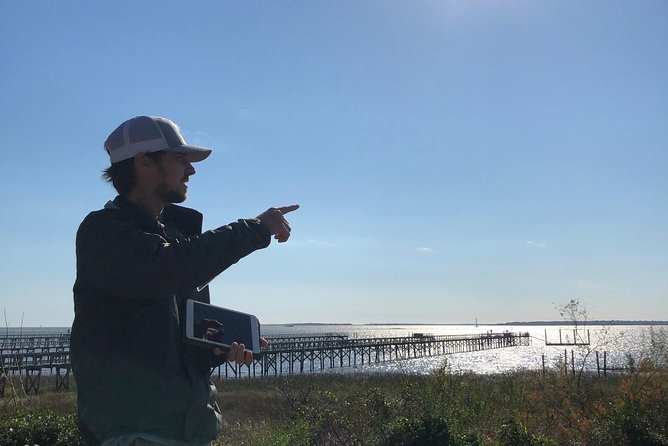
At Shem Creek, you’ll walk by the Captain Peter Lewis House (1855) and discuss how the ferry system once operated on the creek.
This stop highlights something easy to overlook: before modern roads and bridges, moving people and supplies by water was often the most practical option. That ferry-era thinking helps explain why shrimping could develop where it did—because logistics shaped the whole industry.
You’ll also notice how the tour keeps connecting architecture, transportation, and work. It’s not just “here’s an old building.” It’s “here’s why this location made economic sense.”
Stop 4: Hibben Street and how shrimping began in the area
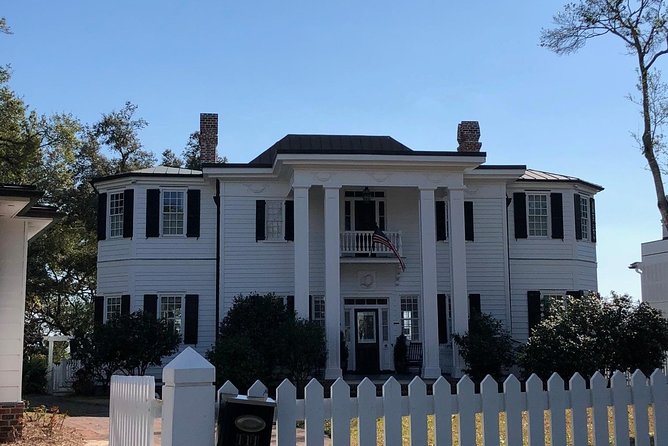
On Hibben Street, you’ll view the Hibben House, which dates to the mid-1700s and is the oldest standing structure in the town.
The value here is that you get to see how far back the built environment goes, and how commercial shrimping grew out of that longer timeline. It helps you understand that seafood work didn’t begin in a vacuum—it developed in a community with older roots, older patterns of settlement, and established waterfront life.
If you love architecture and street-level history, this is a strong stop. If you’re mainly there for hands-on shrimping action, treat it as the “set-up” before the practical finale.
Stop 5: Mt Pleasant Seafood and the decline of a fishery
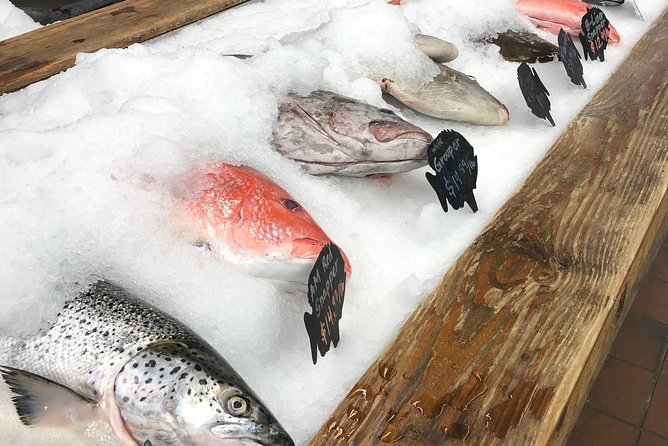
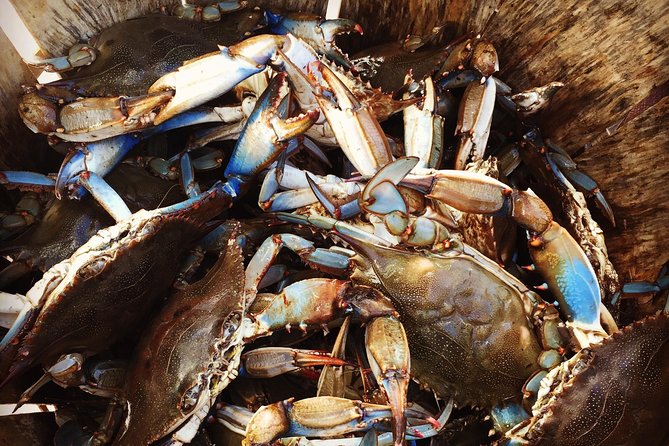
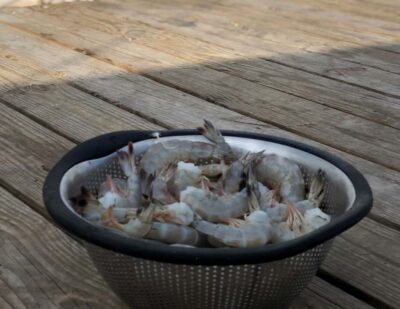
You’ll then visit Mt Pleasant Seafood and look at an assortment of locally sourced seafood at this generational family facility. This is also where the tour doesn’t gloss over hard truths.
You’ll learn about the decline of the fishery—how the town went from nearly 100 trawlers down to 4 by 1998. That kind of number makes the story real. It shifts the vibe from pure nostalgia to a conversation about sustainability, market pressures, and what “working waterfront” means when the industry shrinks.
This stop is one of the reasons I’d recommend the tour even if you’re not a shrimp super-fan. You’re getting a snapshot of an industry that’s changing, and you’re learning how local businesses adapt.
Stop 6: Shem Creek Park boardwalk and the cast net finale
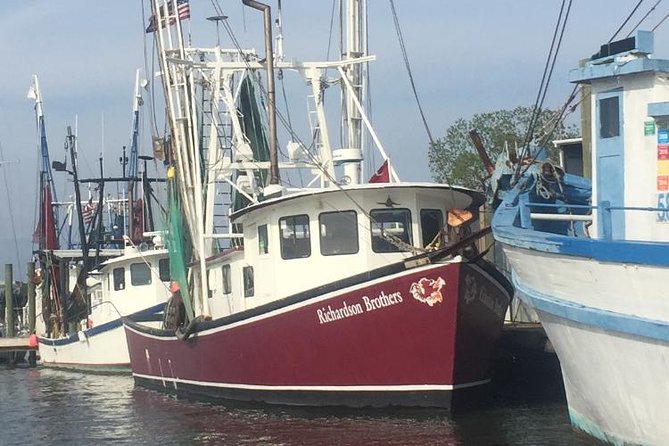
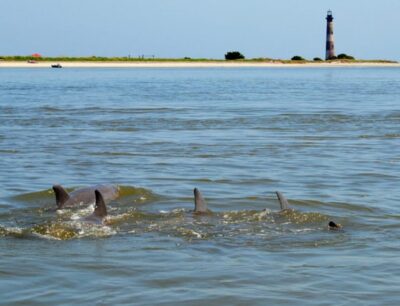
The walk finishes at Shem Creek Park, where you traverse the boardwalk to see shrimp trawlers and learn how they operate.
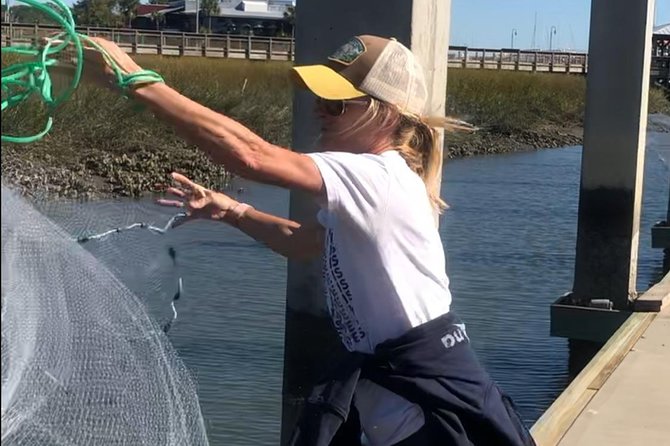
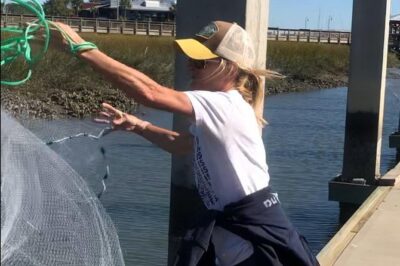
Then comes the part many people remember later: a cast net demonstration. This is where you stop being a passive observer and start learning how shrimping works in practice. You’ll get taught how to toss the net, and it’s the most interactive moment of the entire tour.
One fun example from past tours: Capt Bryan has caught a puffer fish during the activity at the end, which shows how unpredictable and alive the waterfront can be in the real world. You shouldn’t count on that exact moment, but the point is clear—you’ll be hands-on in a way that feels like you’re learning a skill, not just hearing a lecture.
After the tour ends near 1313 Shrimp Boat Ln, you’ll be close to the public boardwalk where you can keep exploring the creek views at your own pace.
Is it really about shrimp? A practical expectation check
Yes, it’s about shrimping—but in a smart order.
Think of it as:
- Context first (streets, harbor, old structures, ferry systems)
- Industry next (shrimp shacks, seafood facilities, trawlers)
- Action last (cast net demo)
That structure is exactly why it works for families and why people rate it so highly. The story builds, then you get to try something.
But here’s the consideration: if you come in expecting a classic food-and-boat tour, you might feel disappointed. This isn’t described as a snack stop, and if you want shrimp to eat, you’ll need to plan a meal after.
Who this tour is best for
This is a great fit if you:
- Want a break from the most crowded parts of historic Charleston
- Like local history that connects to real work today
- Prefer small-group tours where the guide can answer questions
- Travel with kids who can handle a slow walk (the experience is often described as engaging for children)
It’s also a smart choice if you’re curious about sustainability and how working waterfront industries survive over time. The tour doesn’t pretend shrimping is static—it explains the decline and what that means for the present.
If you dislike walking, or if heat is a big issue for you, that 1.5-mile route is the biggest factor to weigh. The walk isn’t described as extreme, but it is still walking, and the summer timing matters.
Quick tips so you get the most out of it
- Arrive a few minutes early so you’re not rushing into the start.
- Wear shoes you can walk in comfortably; the boardwalk and streets are part of the experience.
- Bring water and plan for sun, especially in summer.
- Come with at least one question you’d genuinely ask on a boat-and-nets topic. Capt Bryan is good at turning those into stories.
- If you want to eat shrimp after, don’t leave it to luck. Pick a nearby lunch spot ahead of time.
Should you book the Shem Creek Shrimp Walking Tour?
I think you should book it if you want a small-group, story-driven look at shrimping that ends with real, hands-on practice. The cast net demo alone makes it worth considering, but the real value is how the tour ties together the harbor, older waterfront life, family seafood businesses, and the reality of a changing fishery.
Skip it (or at least adjust expectations) if you’re mainly chasing a food experience or if you expect the tour to spend most of its time at working docks. This is a history-based walk that uses shrimping to explain how a community became what it is—and it ends with enough practical action to make that story stick.
If you’re in the Mount Pleasant area and you want something memorable that’s not just another quick stop, this is one of the best bets for your morning.
FAQ
How long is the Shem Creek shrimp walking tour?
The tour is about 1 hour 30 minutes.
Where does the tour start and end?
It starts at 111 Coleman Blvd, Mt Pleasant, SC 29464, and ends at 1313 Shrimp Boat Ln, Mt Pleasant, SC 29464.
How far do you walk?
The total walking distance is about 1.5 miles.
How big is the group?
The tour has a maximum of 15 travelers.
What language is the tour offered in?
The tour is offered in English.
Is it a mobile ticket experience?
Yes, you’ll use a mobile ticket.
Is there an interactive part?
Yes. The tour includes a cast net demonstration where you learn how to catch shrimp.
Are service animals allowed?
Yes, service animals are allowed.
Does the tour run in any weather?
It requires good weather. If it’s canceled due to poor weather, you’ll be offered a different date or a full refund.
Is there a cancellation window for a full refund?
You can cancel up to 24 hours in advance for a full refund. Within 24 hours, you won’t receive a refund.
More Lowcountry Food Tours in Charleston



More Kayak & Paddleboard Trips in Charleston



More Historic District Walking Tours in Charleston
Still deciding? Here are the newest Charleston tours and experiences we have reviewed







Historic District Walking Tours, compared.
 ★ 5.0Historic Charleston Guided Sightseeing Walking TourFrom $306,216 reviews
 ★ 5.0Charleston Horse-Drawn Carriage Tour: Explore Historic CharlestonFrom $493,561 reviews
 ★ 4.5Ghosts of Charleston Night-Time Walking Tour with Unitarian Church GraveyardFrom $352,835 reviews
 ★ 5.0Hidden Alleyways and Historic Sites Small-Group Walking TourFrom $342,335 reviews
 ★ 5.0Highlights of Charleston Guided Walking Tour2,206 reviews
 ★ 5.0Charleston Haunted Booze and Boos Ghost Walking TourFrom $391,569 reviews
 ★ 5.0Charleston’s Pleasing Terrors Night-Time Walking Ghost TourFrom $291,345 reviews
 ★ 5.0Charleston historical walking tour with a Professor of History at The CitadelFrom $401,284 reviews
Browse the lists this tour appears in