
Reviewed · SUNSET SAILS & DOLPHIN CRUISES
Charleston: Folly Beach Stand Up Paddleboard Dolphin Safari
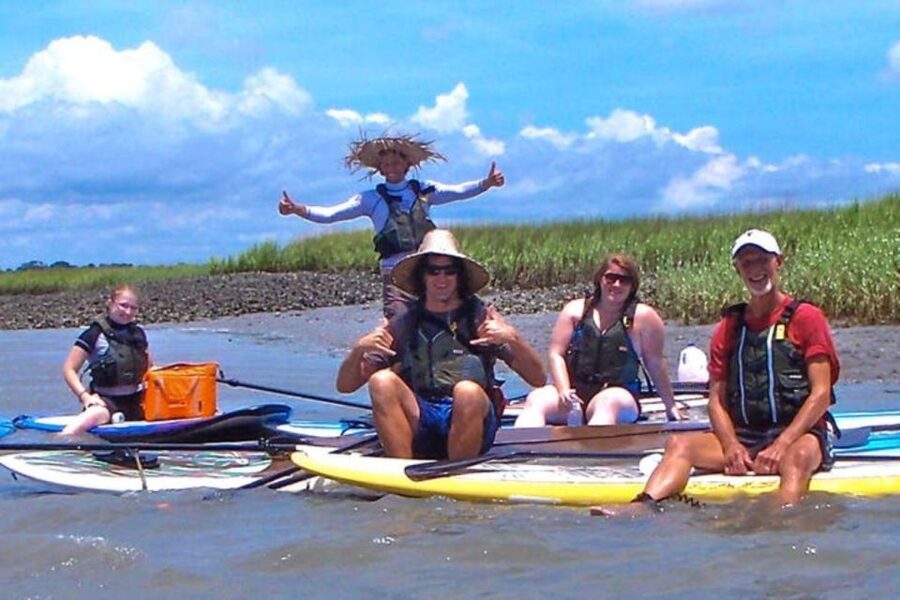
Dolphins and SUP on the same trip. This Charleston-area outing pairs a calm glide on the Folly River with an honest wildlife hunt for bottlenose dolphins, guided step-by-step on a stand up paddleboard. The whole vibe is friendly, active, and built for first-timers who want a memorable South Carolina water day.
I love how patient instruction can turn wobble-prone beginners into confident paddlers fast, with guides like Pat and Eric repeatedly praised for patience and coaching. I also love the payoff of wildlife viewing, including moments when dolphins swim unusually close to the group, plus other sightings like stingrays and crabs when conditions line up.
One consideration: dolphin sightings are not guaranteed. On at least one trip, a group didn’t see dolphins, even with enthusiastic guiding, so keep your expectations flexible and enjoy the ride either way.
In This Review
- Key things to know before you paddle
- Gliding the Folly River with a Dolphin-Safari Mindset
- Your two-hour SUP lesson: what you’ll actually do
- How the guide helps you spot dolphins (and other wildlife)
- Timing options: morning, afternoon, and sunset rides
- Equipment and gear: what’s provided, what’s on you
- Price and value: is $60 worth it?
- Who this tour fits best (and who should rethink it)
- Small practical tips that make your paddle easier
- Should you book the Charleston SUP Safaris dolphin safari?
- FAQ
- How long is the Charleston: Folly Beach Stand Up Paddleboard Dolphin Safari?
- Where does the tour meet?
- What gear is included?
- What should I bring to the tour?
- Is this suitable for kids?
- Do you always see dolphins?
- What languages are the tours taught in?
Key things to know before you paddle
- Beginner-focused coaching: You’ll learn the basics and get corrections on form and balance.
- Modern SUP setup: Boards, paddle, leash, and a personal floatation device are provided.
- Folly River wildlife timing: Your instructor works with tides and wind direction to improve your odds.
- Guides with a steady hand: Named guides like Pat, Eric, Kate, Jack, Lindsey, and others come up again and again.
- A true two-hour experience: Enough time to learn, explore, and still enjoy the views.
Gliding the Folly River with a Dolphin-Safari Mindset
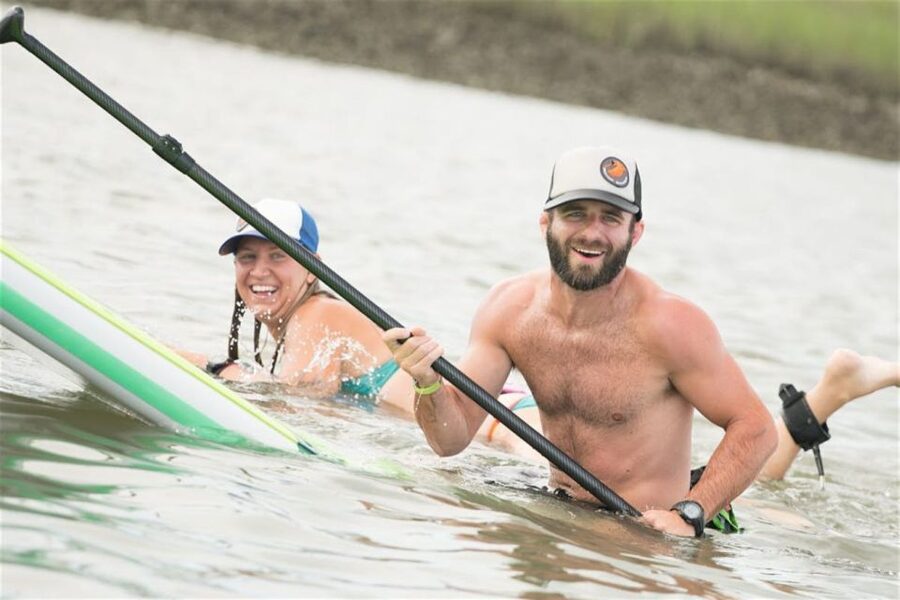
This isn’t just a paddle around for the sake of paddling. The experience is built like a safari, where the instructor helps you move efficiently while staying alert for wildlife. You’re out on the Folly River with a landscape of marsh edges, birds, and water life—then you’re trained to notice what matters, not just stare at your board.
The dolphin part is the headline, but the better story is the pacing. Your guide follows the tides and wind so you’re not fighting the water the whole time. That one change makes the difference between a tiring outing and a relaxing, skills-building adventure.
If you like nature experiences that feel personal, this format works. You’re not in a big vessel looking for a speck in the distance. Instead, you’re moving slowly, learning balance in real time, and scanning the water while you go.
Catch another golden hour on more Charleston sunset sails and dolphin cruises.
- Charleston Harbor History Day-Time or Sunset Boat Cruise★ 4.5 · 2,788 reviews
- Charleston Harbor Sunset Cruise★ 5.0 · 905 reviews
- Charleston Water Taxi Cruise with Dolphin Sighting★ 5.0 · 857 reviews
Your two-hour SUP lesson: what you’ll actually do
You should think of this as an introductory SUP session with a wildlife goal. You’ll start with the basics of standing up and controlling your direction, then move into gliding along the river as your confidence grows.
Because it’s an intro, you’ll get real coaching, not just a vague safety talk. If you’ve never been on a board before, that matters. Even in heat and less-than-perfect conditions, the best trips are the ones where someone helps you re-set when you wobble, and guides here are repeatedly described as calm and patient.
Expect to get a little water on you. Some people handle it by staying steady, others by taking a controlled fall. Either way, falling is part of learning, and a good instructor keeps it low-stress and quick so you’re back on the board fast.
You’ll also learn how to coordinate your paddle strokes with the board’s movement. That’s the hidden skill that makes wildlife spotting easier, because you’re not panicking about direction every time you look up.
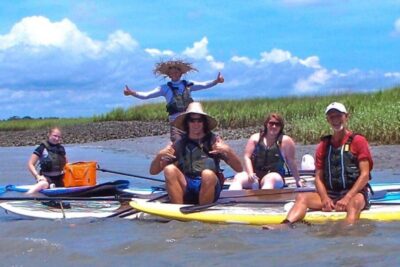
Finally, there’s a group photo at the end. It’s a small thing, but it turns the experience from a solo “I was on water” moment into a shared memory you can actually take home.
How the guide helps you spot dolphins (and other wildlife)
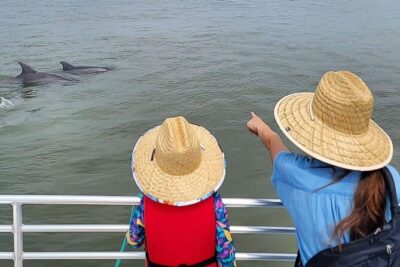
The best part of this tour, when it comes together, is how close the dolphins can feel. Multiple guides are credited with helping groups see bottlenose dolphins in a way that feels surprisingly intimate, not distant.
Your instructor’s role is practical here. They watch conditions, adjust where you paddle, and point out what you’re likely to notice—water movement, animal behavior, and where dolphins may surface. That doesn’t mean dolphins appear on command, but it does mean you’re not just guessing.
You might also see other river creatures. Stingrays show up for some groups, and there are mentions of crabs and general coastal life along the route. The key is that you’ll paddle slowly enough to observe, while still moving with purpose.
One more realism check: on at least one outing, dolphins didn’t show. That’s not a failure of the guide. Wildlife is wildlife. So if you come for dolphins, come also for the SUP lesson and the peaceful river time. That way, the trip still delivers even when the animals don’t cooperate.
Timing options: morning, afternoon, and sunset rides
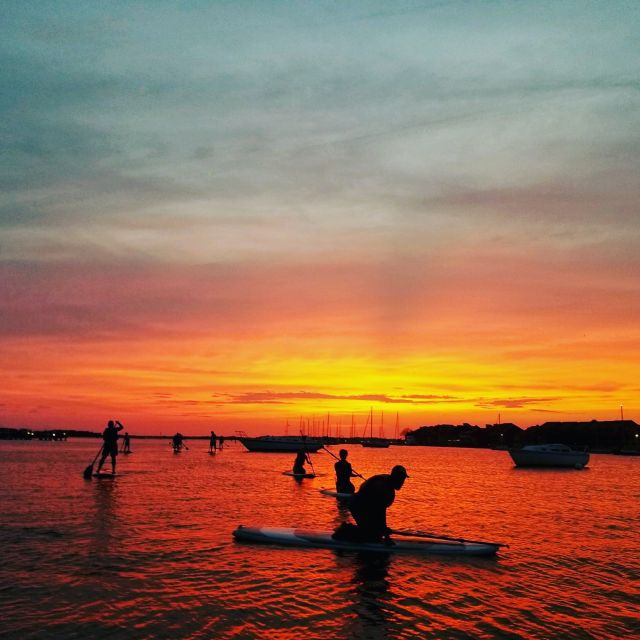
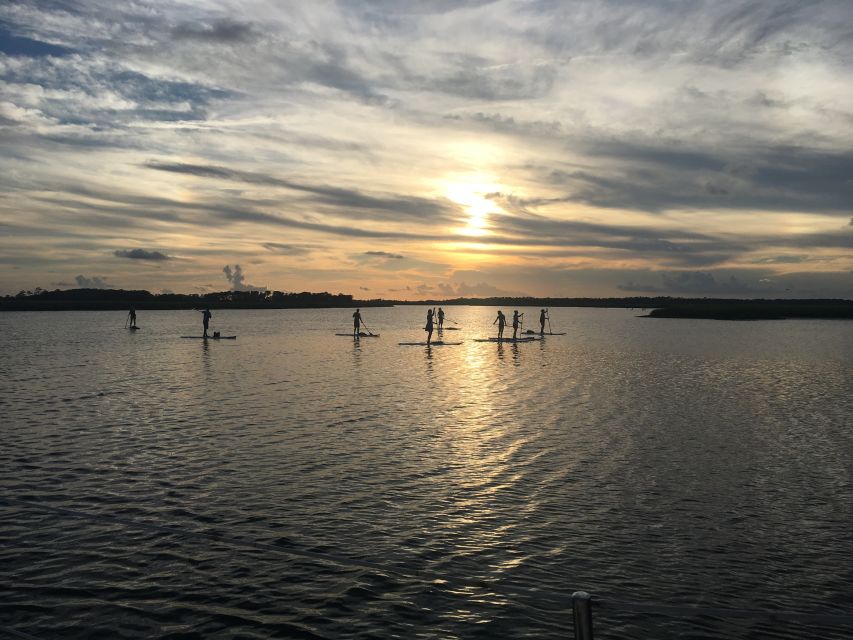
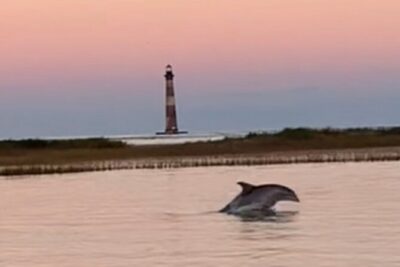
This experience runs on multiple daily options, including sunset. If you’re choosing between time slots, sunset can add a gentler feel to the water and a beautiful end-of-day glow that makes the whole outing more memorable.
That said, any slot can work if you’re flexible. You’re still out for the same two-hour coaching window with the same gear and the same dolphin-search approach. Your instructor still follows tide and wind, which is what usually controls how comfortable your paddle will feel.
If you’re sensitive to heat, consider picking a cooler part of the day. A hot day won’t stop the tour, but you’ll want to manage hydration and wear sunscreen like it’s your main job.
Equipment and gear: what’s provided, what’s on you
The tour includes the equipment you need to get started: SUP board, paddle, leash, and a personal floatation device (PFD). That’s a big value point, because you avoid the hassle and cost of renting gear elsewhere.
You just bring the human essentials. Plan on wearing swimwear and bringing a towel, sunscreen, and water. Water shoes or flip-flops help keep your feet comfortable at the start and during getting on and off the board.
A simple packing list goes a long way:
- Swimwear and towel
- Sunscreen and a full water bottle
- Water shoes or flip-flops
If you tend to overthink gear, trust the basics. The included PFD and leash are there for a reason, and the instructor’s equipment setup is meant for safe learning. If you show up dressed for the water and ready to move, you’ll spend your time enjoying the lesson instead of fussing with gear.
Sand, dunes, and lighthouses fill more of our Charleston beach trips.


Price and value: is $60 worth it?
At $60 per person for about two hours, the value hinges on two things: included equipment and instruction quality. Since the board, paddle, leash, and PFD are provided, you’re paying for an actual guided experience rather than a plain rental.
The other value driver is the coaching. Guides like Pat and Eric are repeatedly praised for patience, and that’s not just a nice-to-have when you’re learning balance for the first time. Good instruction shortens the learning curve, so you spend less time stuck and more time gliding.
Now for the fair math on dolphins: the animal part can be hit or miss. One group reported missing dolphins entirely. So if you treat dolphins as guaranteed, you might feel let down. But if you value a beginner-friendly SUP session with professional guidance and the chance at wildlife, the pricing feels more reasonable.
In plain terms: you’re paying for two hours of gear plus coaching plus a focused dolphin-search plan. If you enjoy active, outdoor lessons, it’s a solid deal.
Who this tour fits best (and who should rethink it)
This one is best for people comfortable being active on the water and learning new balance skills. It’s set up as an intro lesson, and many beginners finish feeling confident.
It’s not suitable for everyone, though. The tour isn’t recommended for children under 8 years, and it’s also not suitable for people with mobility impairments. That’s worth respecting early so you can pick an option that matches your needs and safety.
If you’re going with friends or as a family unit, the guides’ patience is a recurring theme. Even groups with mixed experience levels are handled well, which is comforting if you’re traveling with someone who’s nervous about water or falling.
If you want a relaxing, low-pressure day on the river, this can deliver. If you want a super intense workout the whole time, you might be happier with a more strenuous paddling-focused outing.
Small practical tips that make your paddle easier
These are the things that help most people get the most from a SUP lesson like this:
1) Bring water shoes, not just bare feet. Even if you think flip-flops are enough, water shoes tend to feel safer and more comfortable, especially if the surface is uneven.
2) Wear sunscreen even if it looks cloudy. You’re on the water, and the sun has a way of showing up.
3) Don’t fight the board too hard. When you wobble, focus on small adjustments instead of big moves. Your instructor will guide your corrections, and following that plan keeps you calmer.
4) Keep your eyes up sometimes. Dolphin spotting improves when you alternate between paddling and scanning. The best wildlife moments happen when you’re stable enough to look without losing control.
Should you book the Charleston SUP Safaris dolphin safari?
I’d book it if you want a guided SUP introduction plus a serious shot at seeing dolphins, ideally with an instructor who keeps things calm while you learn. The repeated praise for patient guiding and quick learning is a strong sign that this isn’t “figure it out” SUP.
I would hesitate only if dolphins are your only reason for booking. Since sightings can vary, you could leave without the dolphin moment, even on a great tour. If you still want river time, skills, and a fun water day even without dolphins, then book away.
One last nudge: pick the time slot that matches your energy and weather tolerance. Sunset can be a standout option, but any departure can work if you come ready to learn, paddle, and enjoy the water.
FAQ
How long is the Charleston: Folly Beach Stand Up Paddleboard Dolphin Safari?
It lasts about 2 hours.
Where does the tour meet?
The meeting point is 83 Center St, Folly Beach, SC 29439, USA.
What gear is included?
You get a stand up paddleboard, paddle, leash, and a personal floatation device.
What should I bring to the tour?
Bring swimwear, a towel, sunscreen, water, and water shoes or flip-flops.
Is this suitable for kids?
It is not suitable for children under 8 years old.
Do you always see dolphins?
Dolphin sightings are a major highlight, but they are not guaranteed. At least one group did not see dolphins during the experience.
What languages are the tours taught in?
The instruction is in English.
More Kayak & Paddleboard Trips in Charleston

More Folly Beach & Morris Island Trips


More Sunset Sails & Dolphin Cruises in Charleston





Still deciding? Here are the newest Charleston tours and experiences we have reviewed












Sunset Sails & Dolphin Cruises, compared.
 ★ 4.5Charleston Harbor History Day-Time or Sunset Boat CruiseFrom $442,788 reviews
 ★ 5.0Charleston Harbor Sunset CruiseFrom $60905 reviews
 ★ 5.0Charleston Water Taxi Cruise with Dolphin Sighting857 reviews
 ★ 4.5Sightseeing Harbor Tour & Dolphin WatchFrom $40649 reviews
 ★ 4.5Afternoon Schooner Sightseeing Dolphin Cruise on Charleston HarborFrom $45620 reviews
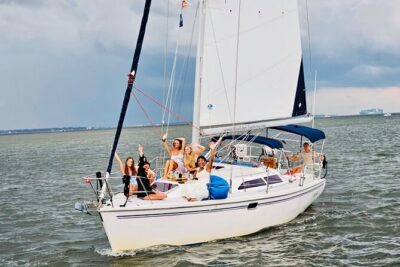 ★ 5.0Private Luxury Yacht Charters, BYOB & DolphinsFrom $499395 reviews
 ★ 4.8Sunset Harbor CruiseFrom $60260 reviews
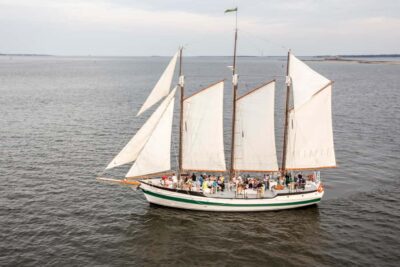 ★ 4.6Schooner Sailing Harbor Tour & Dolphin WatchFrom $48255 reviews
Browse the lists this tour appears in