
Reviewed · FOLLY BEACH & MORRIS ISLAND
Charleston Eco Boat Cruise with stop at Morris Island Lighthouse
Morris Island looks like a secret, but it’s real. This Charleston Eco Boat Cruise glides through Lowcountry tidal creeks and marshes in a smaller boat, then gives you time on uninhabited Morris Island to see the lighthouse and hunt for shells. I really like the naturalist-style live narration from the captain, and how guides such as Chris and George were repeatedly praised for mixing real local know-how with an easy, fun vibe.
My other big love is the way the tour builds in “wildlife + beach” time, not just a quick pass-by. You’re out searching for Atlantic bottlenose dolphins, wading birds, pelicans, and even sea turtles, then you step onto the sand for about an hour to walk, take photos, and comb for treasures. One consideration: it can get windy and chilly on the water, and there are no restrooms during the tour, only before departure—so plan your timing and pack smart.
In This Review
- Key Things That Make This Cruise Worth Your Afternoon
- Bowens Island Start: Calm Check-In Before You Hit the Marsh
- The Boat Ride Through Tidal Creeks: Where the Tour Actually Happens
- What to expect while you’re scanning
- Morris Island Lighthouse Stop: Photos, Stories, and a Way to Read the Coast
- A practical photo tip
- Beach Time on Morris Island: Shelling, Sand Dollars, and Tide-Driven Fun
- How to make shelling easier
- Wildlife Chances: Dolphins, Turtles, Birds, and More
- Naturalist Captain Storytelling: Why the Narration Matters
- Timing, Weather, and What to Pack (So You Don’t Regret It)
- Value and Inclusions: What You’re Getting for a Half-Day
- Who Should Book This Morris Island Eco Boat Cruise
- Quick Help for Your Decision: Book It or Skip It?
- FAQ
- How long is the Charleston Eco Boat Cruise with stop at Morris Island Lighthouse?
- Where does the tour depart and return?
- What boat is used for this tour?
- Is there a restroom available during the cruise?
- How much time do I get on Morris Island?
- Can I bring snacks or food and drinks?
- Does the tour run in bad weather like rain?
- Is the Morris Island Lighthouse accessible inside during the tour?
- What’s the maximum group size?
Key Things That Make This Cruise Worth Your Afternoon
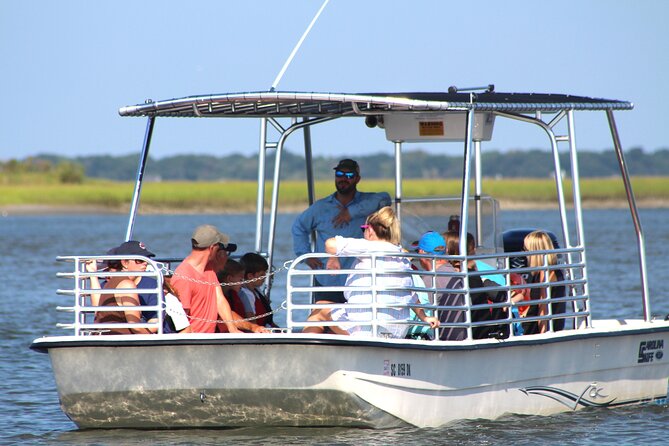
- Small boat, max 21 people: You’ll likely feel less crammed than on bigger sightseeing boats.
- Carolina Skiff bay boat ride: A comfortable setup designed for this kind of marsh-and-creek cruising.
- Real time on Morris Island: Expect a short lighthouse visit plus a longer beach window for shelling and photos.
- Wildlife comes with the scenery: Dolphins, turtles, birds, crabs, and more are part of the point of the day.
- Naturalist captain narration: You get on-the-water ecosystem and local history context while you’re moving.
- Beachcombing is not a gimmick: People find sand dollars and shark teeth, and you can bring a bag for collecting.
Bowens Island Start: Calm Check-In Before You Hit the Marsh
You start at 1871 Bowens Island Rd. There’s an office at the dock area, plus restrooms right there before you go out. Arrive 15 minutes early so you can sign in and settle before boarding—this matters because once you’re out on the water, you won’t have a chance to run back for anything.
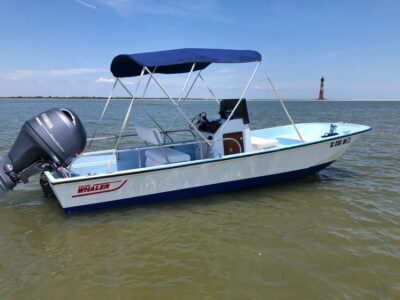
The trip runs on a smaller vessel (a Carolina Skiff bay boat), and that’s a practical advantage in Charleston. The creeks and marsh channels can feel crowded if you’re packed into a large sightseeing crowd. Here, the smaller feel supports a calmer ride and makes it easier to hear the live narration while you’re scanning for wildlife.
One small but important tip: bring a bag for shell collecting if that’s your goal. On Morris Island, you’ll be tempted to pick up “just one more” find, especially sand dollars. Having a dedicated bag keeps it organized and helps you avoid sand everywhere later.
Sand, dunes, and lighthouses fill more of our Charleston beach trips.
- Sip History in The Sun Cabana Covered Cocktail Class★ 5.0 · 332 reviews
- Folly Beach Dolphin Viewing Boat Excursion and Estuary Tour★ 5.0 · 126 reviews
- Folly Beach Eco Boat Excursion and Morris Island Drop Off★ 5.0 · 51 reviews
The Boat Ride Through Tidal Creeks: Where the Tour Actually Happens
The heart of this excursion is the quiet stretch through tidal creeks and marshes on the way to Morris Island. This isn’t the kind of cruise where you sit and stare at one view for 45 minutes. The route is designed to put you inside the Lowcountry water-world—where birds forage, where sea life shows up along the edges, and where you’re constantly shifting your gaze.
This is also where the eco angle becomes more than marketing. The captain shares what you’re seeing and why it matters: saltwater estuaries, oyster beds, maritime forest, and the everyday relationship between people and these waters. If you like your nature trips to explain how the system works, this tour tends to deliver that “I get it now” feeling fast.
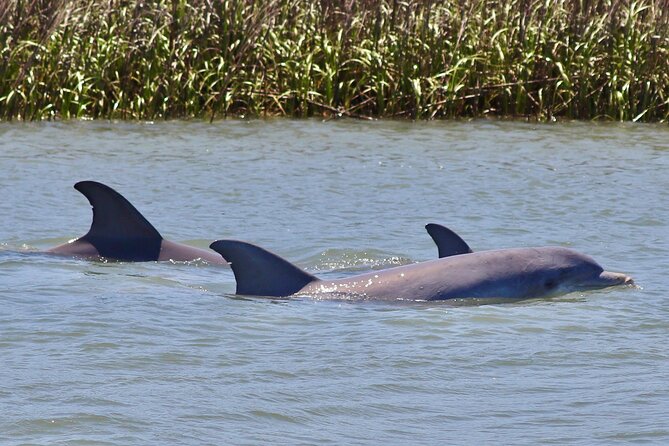
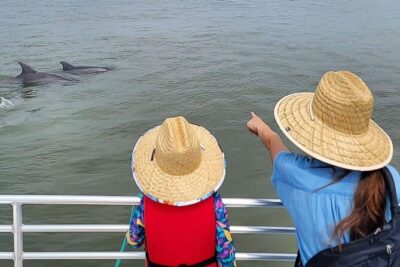
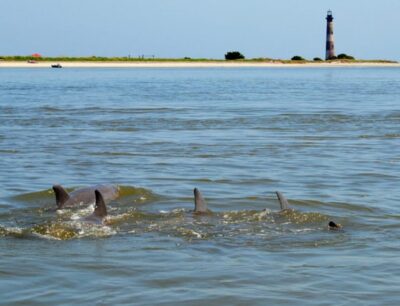
You’ll also get repeated opportunities to spot wildlife. On good days, people are seeing Atlantic bottlenose dolphins, wading birds, pelicans, and sometimes sea turtles. The best part is that the narration keeps you looking—so you’re not just waiting for a dolphin like it’s a slot machine.
What to expect while you’re scanning
- Wildlife usually shows up in short bursts. A dolphin pop-up might last minutes, then the water goes quiet again.
- Birds are easier to track than you think—especially along marsh edges and shoreline currents.
- If you’re hoping for turtles, keep your eyes on the surface near where the water changes texture.
Morris Island Lighthouse Stop: Photos, Stories, and a Way to Read the Coast
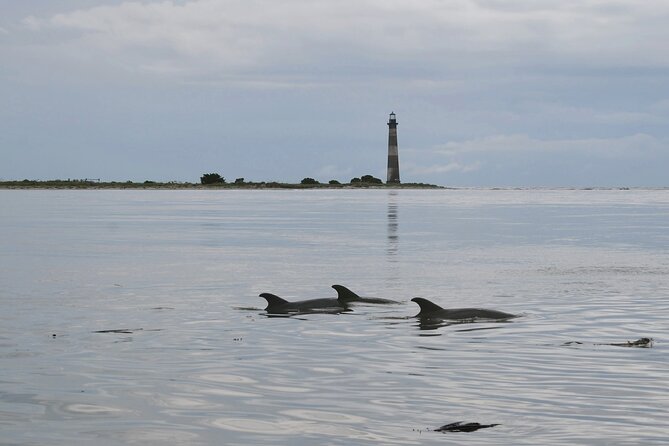
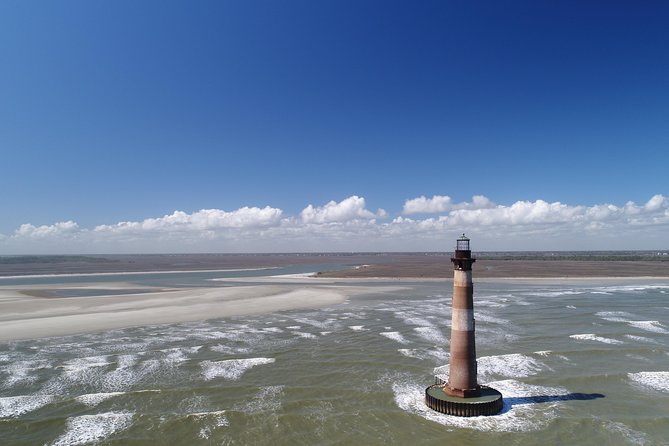
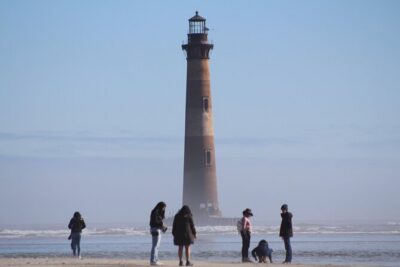
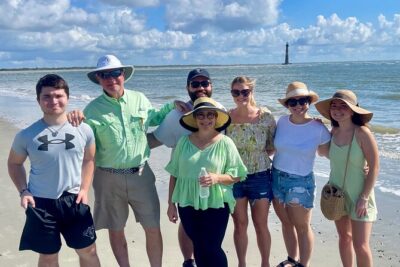
Morris Island is uninhabited barrier-island territory, which is part of why it feels like a different world from downtown Charleston. The lighthouse is the headline, and you’ll get time to appreciate it and take photos. You also get context about the area—enough that the lighthouse stops being just a pretty structure and starts to feel like a working landmark tied to the coast.
Plan for time at the lighthouse area, but remember: the tower itself isn’t open to the public. What you can do is enjoy the view, walk where you’re allowed, and take photos from the beach and shoreline angles you’re given.
If you love “spot the detail” travel—watching how light hits water, how birds use the edges, and how the coastline shifts—this stop rewards you. It’s also one of those rare moments where Charleston doesn’t feel like a museum. It feels like the land is still doing its job.
A practical photo tip
Bring sunglasses and get your camera ready before you think you’ll need it. The water glare can be intense, and wildlife moments are fast. If you’re using a phone, wipe the lens once you’re out on the sand—salt spray happens.
Get back in the creek with more Charleston kayak and paddleboard outings.

Beach Time on Morris Island: Shelling, Sand Dollars, and Tide-Driven Fun
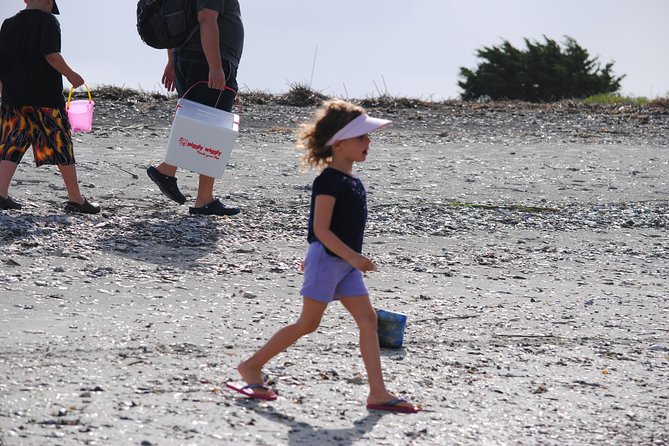
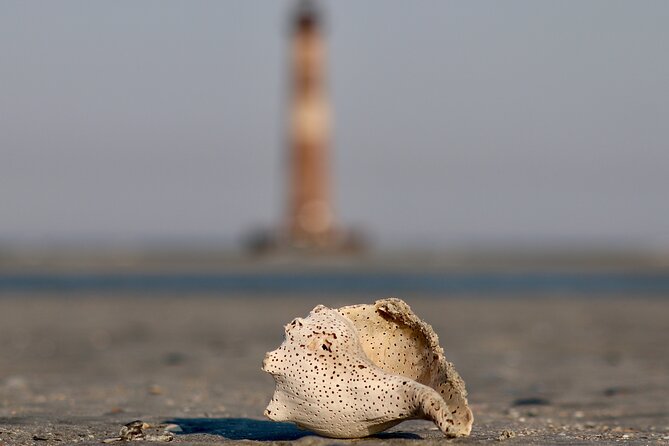
This is the moment many people remember most: walking the beach and combing for shells. You’ll have a 1-hour beach window, and it’s long enough to do real exploring without feeling rushed.
What’s great is that the beach time isn’t just for aesthetics. It’s interactive. You can hunt for seashells, and it’s common to find fun shoreline treasures like sand dollars and shark teeth. One captain even shared fossil finds he’d discovered on the beach, which shows the tour staff really pays attention to what the island gives up.
How to make shelling easier
- Bring a bag so you can carry finds without dropping them.
- Wear shoes you don’t mind getting sandy.
- If the tide is lower when you arrive, you may have more exposed shoreline to search.
This stop also works well if you’re traveling with kids. Shell collecting turns a wildlife cruise into a treasure hunt. Even if you’re not the outdoorsy type, you’ll still have something to do while you’re looking for dolphins.
Wildlife Chances: Dolphins, Turtles, Birds, and More
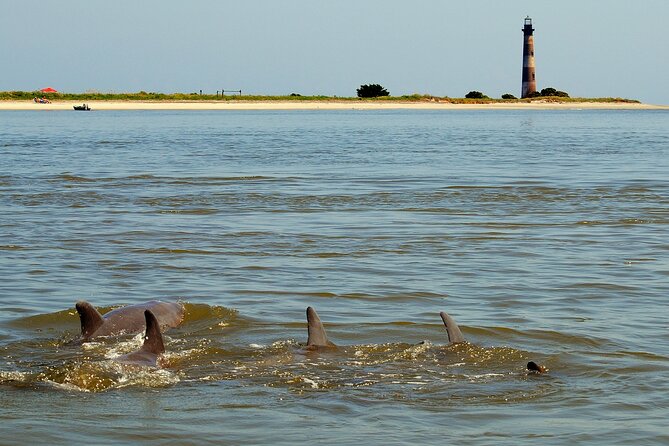
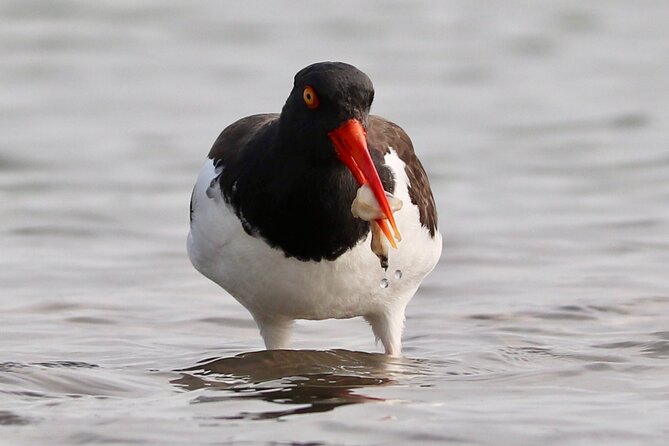
The tour is built around wildlife viewing, and the species list gives you more than one target. The most commonly mentioned highlights include Atlantic bottlenose dolphins, wading birds, pelicans, and sea turtles. You might also see smaller shoreline characters like crabs as you walk the beach.
A key thing: wildlife viewing is never guaranteed. But this cruise improves your odds because you’re in the right habitat, at the right place, at a time when dolphins and birds use the water actively. And since the captain is scanning as part of the job, you’re not left to guess what you’re looking at.
If you’re the type who likes a focused checklist, this tour fits that style:
- Dolphins while cruising
- Birds along edges
- Turtles when the timing is right
- Beach wildlife and shell finds on arrival
Naturalist Captain Storytelling: Why the Narration Matters
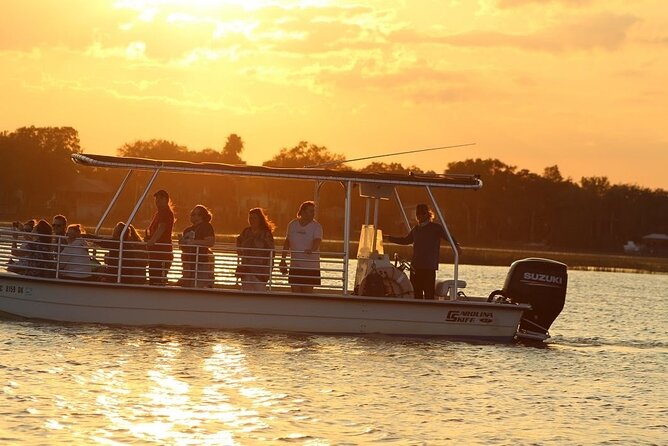
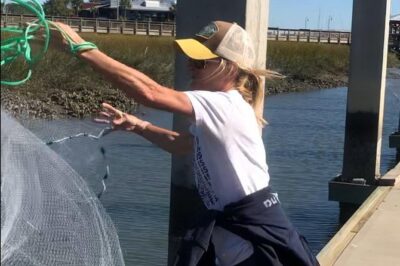
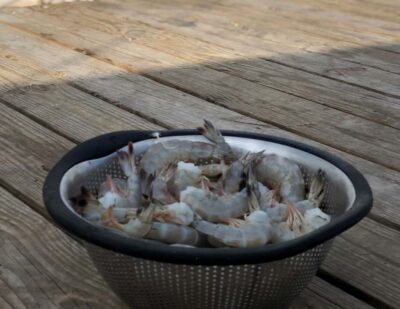
What makes this cruise feel “worth it” for a lot of people is the way the narration connects points. You hear what you’re seeing, not just names of animals. The captain talks about the ecosystem and also shares local context like how people fish, harvest oysters, and catch shrimp in these waters.
That human connection is quietly important. It changes the experience from nature viewing into understanding. Suddenly, you’re not just watching marshland—you’re learning how coastal communities depend on it, and how that dependency shaped the landscape and culture around Charleston.
And yes, the guides really do stand out in reviews for the right reasons: good humor, clear storytelling, and strong boat handling. Names you may hear on the schedule include Chris, Jacob, Matt, Jason, Tripp, and George—each praised for mixing facts with a friendly personality.
Timing, Weather, and What to Pack (So You Don’t Regret It)
This cruise is about 2 hours 30 minutes total, including time on the water and time on the island. There are multiple departure times throughout the day, so you can choose what fits your Charleston plan.
Weather is the big swing factor. The good news: they go out rain or shine. The not-so-fun news: high wind or lightning can shut things down, and late-day breezes can make the boat feel much colder than you expected.
So pack like you’re joining a coastal mission:
- Sunscreen, sunglasses, hat
- Water
- Sunscreen and sunglasses matter more than you think out on open water
- A camera (wildlife moments happen fast)
- A bag for shell collecting
- Clothes and sturdy shoes you’re okay with getting sandy or wet
Bring layers if you’re going later in the day or in cooler months. One review specifically flagged that late November wind can be chilly—but that it still felt “worth it,” especially once you’re out seeing wildlife and walking the beach.
Also note the restroom situation: there are restrooms at the dock before you depart, but none during the tour. Plan a quick stop before boarding so you can enjoy the full experience without interruptions.
Value and Inclusions: What You’re Getting for a Half-Day
Even without knowing your exact price tag, you can judge value by what’s included versus what you must add yourself.
Included:
- A 2.5-hour tidal creeks eco boat cruise
- Live narration and ecosystem/history storytelling
- Wildlife sightings are part of the goal (dolphins, birds, pelicans, sea turtles, and more)
- 1 hour on the beach (plus lighthouse time)
- Fuel surcharge
Not included:
- Snacks and bottled water
For me, the best value signal is the structure: you get a full water route experience plus meaningful beach time. This isn’t a short “drive-by” tour. It gives you a reason to bring a hat, because you’ll actually use it—then a reason to bring a bag for shells, because you’ll likely use that too.
If you snack, bring your own simple food. Avoid litter, and follow the tour guidance about single-use glass bottles.
Who Should Book This Morris Island Eco Boat Cruise
This tour is a strong fit if you:
- Want wildlife viewing without the stress of a complicated day plan
- Like small-group settings (max 21 people)
- Prefer nature with storytelling, not a lecture that forgets the fun
- Want a beach moment in the middle of your Charleston visit, not at the end of a long drive
- Travel with kids who will enjoy shell hunting and a quick landing on an uninhabited island
It may be less ideal if you:
- Hate wind and cold—unless you pack layers
- Need restroom access during the whole outing (because there isn’t any during the tour)
Quick Help for Your Decision: Book It or Skip It?
I’d book this if your Charleston trip includes at least half a day for something outdoorsy and you want a route that goes beyond the city streets. The combination is what seals it: tidal creek cruising + Morris Island lighthouse views + real beach time for shelling.
Skip or wait for a different day if you’re extremely sensitive to wind-chill. The tour is weather-dependent when conditions get unsafe, and you’ll be out on open water long enough that comfort matters.
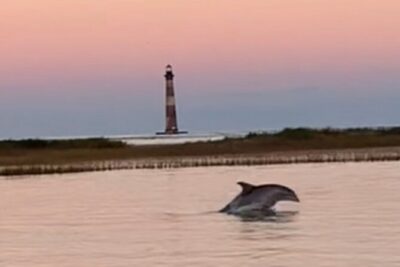
If you want one practical move: choose the departure time that gives you good light for photos and bring layers. That small effort pays off fast when dolphins surface and the lighthouse turns into a dramatic photo backdrop.
FAQ
How long is the Charleston Eco Boat Cruise with stop at Morris Island Lighthouse?
It’s approximately 2 hours 30 minutes total.
Where does the tour depart and return?
It departs from and returns to the dock at 1871 Bowens Island Road, Charleston, SC 29412.
What boat is used for this tour?
The tour uses a Carolina Skiff bay boat.
Is there a restroom available during the cruise?
Restrooms are available at the meeting location before departure, but there are no restrooms during the tour.
How much time do I get on Morris Island?
You’ll have a stop at the Morris Island Lighthouse and also about 1 hour on the beach.
Can I bring snacks or food and drinks?
Yes, you can bring snacks and drinks as long as you do not litter, and you should not bring single-use glass bottles.
Does the tour run in bad weather like rain?
Yes, the cruise goes rain or shine, but it may be postponed or canceled if conditions are unsafe, such as lightning or very high wind.
Is the Morris Island Lighthouse accessible inside during the tour?
No. The historic lighthouse is not accessible to the public.
What’s the maximum group size?
The tour has a maximum of 21 travelers.
More Charleston Tours Worth Booking





More Kayak & Paddleboard Trips in Charleston



More Folly Beach & Morris Island Trips


Still deciding? Here are the newest Charleston tours and experiences we have reviewed












Folly Beach & Morris Island, compared.
 ★ 5.0Sip History in The Sun Cabana Covered Cocktail ClassFrom $97332 reviews
 ★ 5.0Folly Beach Dolphin Viewing Boat Excursion and Estuary TourFrom $56126 reviews
 ★ 5.0Folly Beach Eco Boat Excursion and Morris Island Drop OffFrom $6951 reviews
 ★ 4.9Folly Beach Stand Up Paddleboard Dolphin SafariFrom $6049 reviews
 ★ 5.0Folly River Dolphin Adventure (options for private or public)From $5543 reviews
 ★ 4.9Morris Island Lighthouse Eco-Boat TourFrom $5242 reviews
 ★ 5.0Get Out of Town! Lighthouses, Beaches and Forts Tour! Folly to Sullivan’s IslandFrom $8541 reviews
 ★ 5.0Morris Island Dolphin Cruise with BeachcombingFrom $10520 reviews
Browse the lists this tour appears in