
Reviewed · KAYAK, PADDLEBOARD & WATERSPORTS
2-Hour Guided Kayak Eco Tour in Charleston
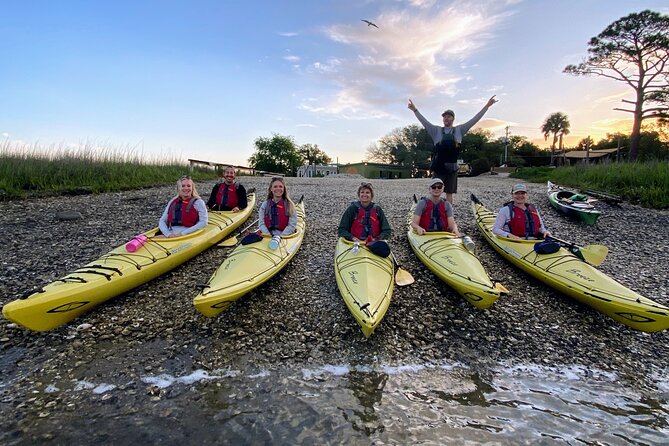
You get up close to Charleston’s salt marsh. A 2-hour guided eco kayak turns a scenic paddle into a wildlife hunt with purpose. I like how this tour pairs guided routes with a relaxed pace, and I especially love the small-group feel capped at 12 travelers. You also get the kind of onboard help that makes first-time paddlers feel steady fast.
One thing to plan for: wind and tides can change how much you feel like paddling versus listening and repositioning as the group moves.
In This Review
- Quick takes for your kayak day
- Bowens Island Launch: Safety Briefing and Foot-Steering Setup
- Two Hours Through Tidal Creeks and Salt Marsh Behind Folly Beach
- Wildlife Chances: Dolphins, Loggerhead Turtles, and the Birds You’ll Actually Spot
- The Paddle Pace: Easy-Going for Beginners, Still Real for Strong Paddlers
- Gear and Fit: Dry Bags, Wet Shoes, and the Oyster-Shell Reality
- Guides Make the Difference: Funny, Calm, and Route-Savvy in Real Tides
- Meeting Point and Timing: Make It Easy on Yourself
- Value Check: Why the Guide Time Is the Point
- Who Should Book This Kayak Eco Tour
- Should You Book It?
- FAQ
- How long is the 2-Hour Guided Kayaking Eco Tour in Charleston?
- Where does the tour meet and start?
- Is the tour guided?
- Do I get my own kayak?
- What kayaking equipment is included?
- Is there a dry bag included?
- What should I bring and wear?
- Does the tour require me to know how to swim?
- Will the tour run in the rain?
- Is there parking near the departure point?
- What are the kayak weight limits?
Quick takes for your kayak day
- Bowens Island launch + foot steering practice so you’re not figuring out your kayak on the fly
- Small-group flow (max 12) that helps everyone stay together and actually see things
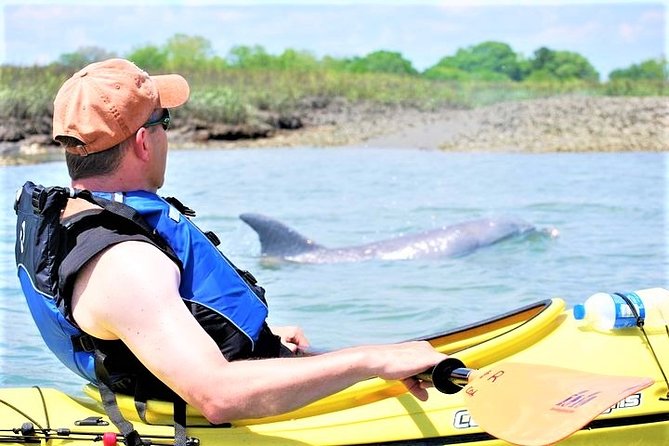
- Wildlife focus with real odds for dolphins, turtles, wading birds, and more
- Dry bag included so your phone and keys survive spray and splashes
- Bring wet shoes since oyster shells can be sharp on the route to and from the water
Bowens Island Launch: Safety Briefing and Foot-Steering Setup
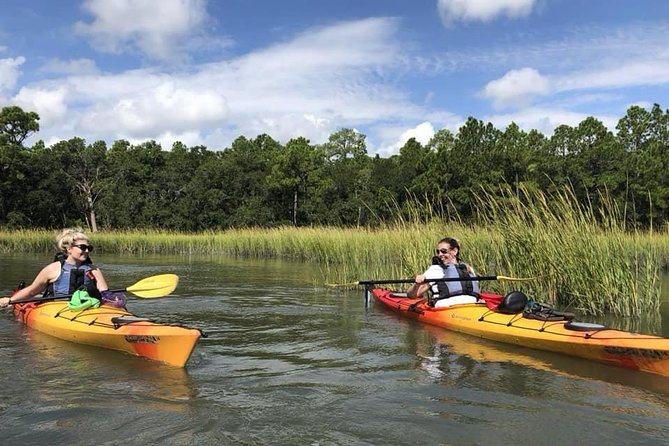
The tour starts at Charleston Outdoor Adventures on Bowens Island (1871 Bowens Island Rd). Before you hit open marsh water, you go through a quick instruction session right at the private launching area. It’s not a long lecture. It’s practical: how to wear your personal floatation device, how to carry your kayak basics, and how to use the kayaks’ foot-driven steering system.
That foot-steering detail matters more than you might think. The kayak responds differently than you expect at first, especially when you’re balancing on uneven marsh edges and currents. Learning it up front helps you spend the next two hours looking for wildlife instead of fighting your own gear. If you get a guide like KD or Aiden, you’ll often get a friendly, low-pressure vibe that keeps the group calm even at the start.
You’ll also get a safety discussion and route overview. Expect some time spent listening before you paddle, and that’s the tradeoff for being guided in real tidal waters rather than just being sent out on your own.
Get back in the creek with more Charleston kayak and paddleboard outings.
- Charleston Eco Boat Cruise with stop at Morris Island Lighthouse★ 5.0 · 2,111 reviews
- 2-Hour Guided Kayak Eco Tour in Charleston★ 5.0 · 954 reviews
- Behind the Scenes of Shem Creek Shrimp Walking Tour★ 5.0 · 171 reviews
Two Hours Through Tidal Creeks and Salt Marsh Behind Folly Beach
Once you’re out, the tour follows Charleston’s tidal creeks and salt marsh system. You’ll paddle in estuarine waters behind Folly Beach, which is a fancy way of saying: you’re in the kind of place where marsh grasses, shallow mudflats, and moving water create constant wildlife “staging areas.”
Your guide sets the pace and route, and you’ll usually get both scenic time and purposeful stops. The guide also talks about how the marsh works—how different parts of the ecosystem support different animals, and why the tidal rhythm changes what you’ll see.
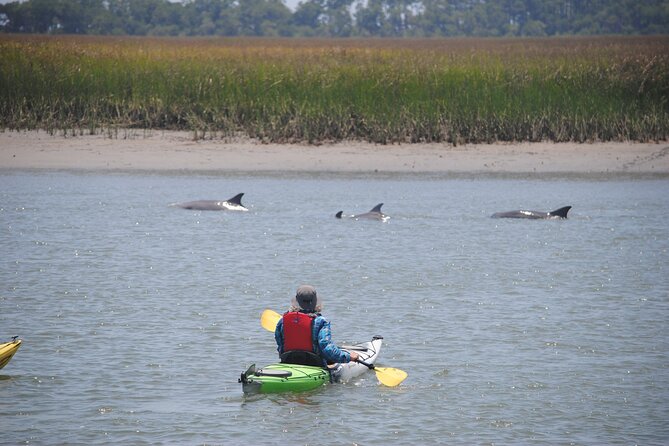
What I like about this structure is that the education doesn’t feel like a classroom. It’s tied to what’s right in front of you. You’ll hear what to watch for: wading birds moving through shallows, crabs and invertebrates in the mudflats, and pelicans foraging (not just sitting on a post). And if you’re lucky—or if your timing lines up with the local animal movement—you may see dolphins feeding and playing as the group paddles through.
One practical note from the day-to-day reality of kayaking in the Lowcountry: weather can shift the experience. On windy days, paddling takes more effort, and the guide may have to balance group management with explanation time. That can make the trip feel more talk-heavy than you expected, even though the goal stays the same: keep you safe and help you get the best wildlife viewing possible.
Wildlife Chances: Dolphins, Loggerhead Turtles, and the Birds You’ll Actually Spot
Wildlife spotting here is the main event, but you should go in with the right mindset: the animals are not putting on a show for you. They react to tides, temperature, and the time of day. The upside is that a guide makes your odds better by steering you toward the right areas and pointing out signs you might otherwise miss.
From the experience details, you can reasonably hope for sightings such as:
- Atlantic bottlenose dolphins
- Loggerhead sea turtles
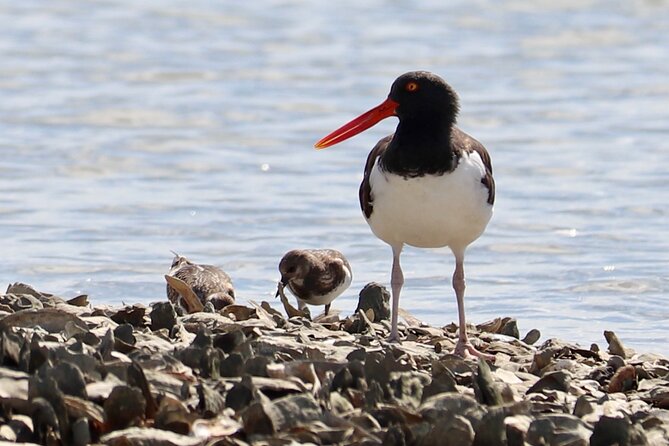
- Waterfowl and wading birds
- Crabs and other invertebrates on mudflats
The reviews add useful color. People consistently mention dolphins showing up close enough to feel special, sometimes as pods near the route. Some groups also reported turtles and a mix of birds like egrets and herons. Even when wildlife numbers weren’t huge on a given day, guides worked to keep the tour meaningful by explaining what you were paddling through and how that habitat supports the creatures in it.
If you want a tip that makes a difference: keep your eyes moving. Marsh wildlife can be small, still, or partially hidden by grasses. Your guide will likely help you “scan” better, like pointing out where birds feed or what the water movement is doing near the edges.
The Paddle Pace: Easy-Going for Beginners, Still Real for Strong Paddlers
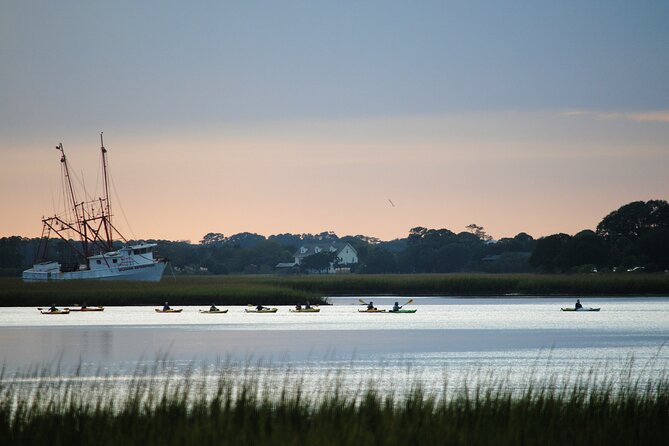
For two hours, this tour is designed to feel approachable. Many first-time paddlers report no big problems getting started, and the staff’s setup and guidance help you settle quickly. Guides often keep things relaxed, with enough breathing room to look around and enjoy the scenery without feeling rushed.
But there’s also one message worth taking seriously: you really are paddling for two hours. One guide reminder you should expect is that you need to be capable of sustained paddling for the duration. If you’re only expecting a gentle float, plan for effort—especially on days with stronger wind or choppier water.
The biggest factor in comfort is how well the group stays together. When things are working smoothly, you feel supported and you don’t have to constantly worry about catching up. When you spread out too much, paddling becomes more stressful and wildlife spotting gets harder because you lose the shared route.
So here’s my advice for making this experience land well for you: pay attention early, follow your guide’s cues, and don’t drift into autopilot. Stay where your guide expects the group to be. That’s how you get the best chance at sightings without feeling like you’re paddling solo in a tidal setting.
Gear and Fit: Dry Bags, Wet Shoes, and the Oyster-Shell Reality
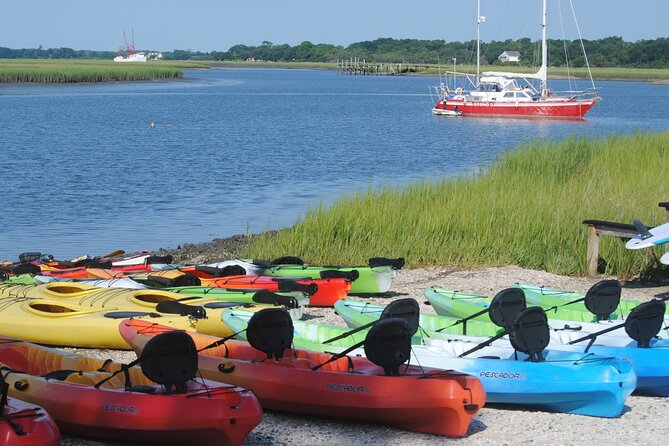
The basics are handled for you. You’re provided with a kayak, paddles, and a personal floatation device, plus a dry bag for your phone or other small items you want protected.
Where you can make or break your day is footwear and clothing.
Bring and wear:
- Shoes that can get wet
- Water shoes, sandals, or tennis shoes that can get wet (no slick, unsafe flip-flops)
- Sun protection: hat, sunscreen, sunglasses
- Water
Why footwear matters: oyster shells and rough edges can cut unprotected feet. One clear review heads-up was to wear beefy sandals or water shoes because oyster shells are sharp enough to turn an otherwise relaxing paddle into a painful hike back and forth. If you’ve ever had to walk on shells in a tide pool setting, you already know the vibe.
Clothing-wise, the tour guidance points to synthetic materials. Think swimsuit or quick-dry fabrics. Avoid cotton or heavy jeans. Afternoon rain can happen in the Lowcountry, and they go rain or shine, so pack for wet weather rather than hoping you stay dry.
If you’re the person who hates soggy clothes, this is still manageable. Dry bag the phone, wear quick-dry layers, and accept that the marsh is wet by nature.
Prefer a guide out front? Browse more guided Charleston tours.




Guides Make the Difference: Funny, Calm, and Route-Savvy in Real Tides
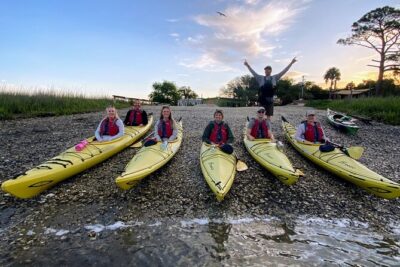
What people rave about most is not just that they saw animals. It’s the feel of the tour with a good guide. The best guides manage pacing, share useful habitat info, and keep you laughing so the time doesn’t drag—even when clouds roll in.
You’ll see names like Alexandra, Aiden, Jack, Josh, Emily, Sunny, and Max pop up in reviews, and the themes are consistent: friendly staff, helpful instruction, and guides who connect what you’re seeing with how the marsh functions.
One specific pattern worth noting: routes are picked based on conditions like tide level, wind, and recent rain. In one account, the guide built the route around high tide after rainy weather. That’s exactly how you should want a marsh tour handled. Tides can change how shallow or easy the water feels, and they can affect wildlife movement too.
Also, some guides are serious about safety and group cohesion. One negative note you should treat as a lesson: don’t assume the group will automatically stay together unless you follow the guide’s positioning cues. A tour can still be good overall, but you’ll enjoy it more if you stay alert and supportive of the group flow.
Meeting Point and Timing: Make It Easy on Yourself
Plan to arrive 15 minutes before departure time. It’s not busy-guest theater. It’s the time you need for parking, check-in, gear fitting, and the briefing before anyone pushes off.
The start point is easy to find by car, and there’s complimentary onsite parking. It’s also listed as near public transportation, which can help if you’d rather not fight traffic or park far away.
If you’re thinking about when to go, consider an afternoon departure. Reviews mention sunset timing as a highlight, with people returning to the landing under stunning evening light. Even if you don’t get a perfect sunset, that low-angle light often makes birds and water textures look extra sharp.
Value Check: Why the Guide Time Is the Point
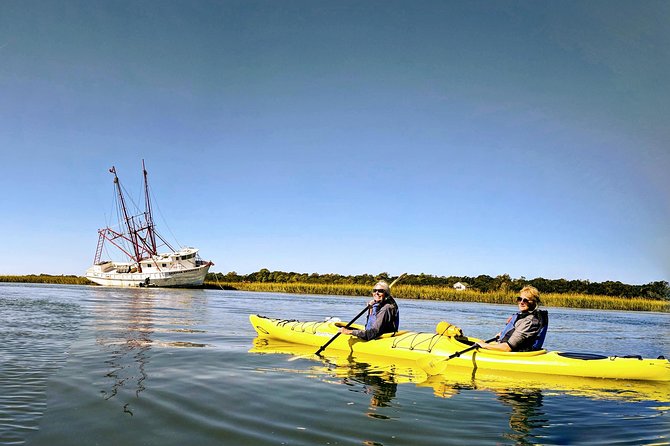
This tour’s value comes from what you can’t easily DIY in marsh waters: the guidance that turns random paddling into smarter habitat viewing. The guide knows where to go for sightings, and they also explain what you’re passing—so even a quiet day still teaches you something.
You also get practical value through what’s included:
- Equipment is provided
- A dry bag is provided
- You get the foot-steering basics covered before you paddle
- You’re in a group capped at 12, which usually means more attention and quicker problem-solving
If you’re a beginner, this is a big deal. It reduces the learning curve and helps you focus on the fun part. If you’re more experienced, it still helps because a guided route in tidal terrain saves you time and guesswork, and it can lead to better wildlife odds than you’d get without local context.
Who Should Book This Kayak Eco Tour
You’ll likely love this tour if:
- You’re a wildlife-focused traveler who wants a guided route
- You’re new to kayaking and want instruction before paddling
- You want a relaxed pace with plenty of time to look around
- You enjoy learning about ecosystems while you’re actually seeing them
You might consider a different option if:
- You want only active paddling with minimal explanation time, especially on windy days
- You’re easily bothered by minor discomfort like wet clothing and shell-sharp walking areas
- You dislike group dynamics; small groups help here, but you still paddle together for safety
Should You Book It?
If your idea of a great Charleston day is marsh air, wildlife sightings, and a guide who keeps things safe and fun, I’d book this. The small-group size, included gear and dry bag, and the chance to see dolphins, turtles, and birds make it a strong match for nature lovers who also want their time structured.
Go in prepared: wear real water shoes, bring sun protection and a hat, and be ready for the reality of wind and tides. If you do that, you’re setting yourself up for a calm, rewarding two hours where the marsh feels alive—and you actually understand why.
FAQ
How long is the 2-Hour Guided Kayaking Eco Tour in Charleston?
The tour lasts about 2 hours.
Where does the tour meet and start?
The meeting point is 1871 Bowens Island Rd, Charleston, SC 29412, USA.
Is the tour guided?
Yes. You’ll have a professional guide with you during the eco-tour.
Do I get my own kayak?
You may choose between a single or tandem kayak. Participants 12 years old and under must ride in a tandem kayak with an adult.
What kayaking equipment is included?
You’ll receive a kayak, paddles, and a personal floatation device.
Is there a dry bag included?
Yes. A dry bag is provided to keep your phone or other personal belongings dry.
What should I bring and wear?
Bring water, sunscreen, sunglasses, a hat, and shoes that can get wet. Dress for the weather and wear clothes or a bathing suit that can get wet.
Does the tour require me to know how to swim?
No. You do not need to swim, but you will be required by law to wear a personal floatation device.
Will the tour run in the rain?
Yes. The tour goes out rain or shine, so it’s smart to bring rain gear if rain is in the forecast.
Is there parking near the departure point?
Yes. Complimentary parking is available onsite.
What are the kayak weight limits?
The weight limit is 350 lbs for the one-person kayak and 650 lbs for the two-person kayak.
More Tours Across Charleston





More Charleston Tours Worth Booking
More Kayak & Paddleboard Trips in Charleston


Still deciding? Here are the newest Charleston tours and experiences we have reviewed












Kayak, Paddleboard & Watersports, compared.
 ★ 5.0Charleston Eco Boat Cruise with stop at Morris Island Lighthouse2,111 reviews
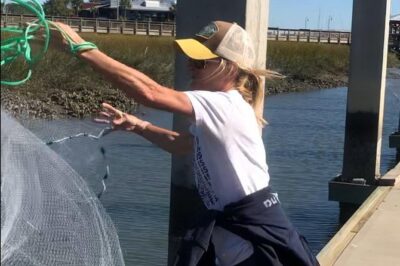 ★ 5.0Behind the Scenes of Shem Creek Shrimp Walking TourFrom $29171 reviews
 ★ 5.0Folly Beach Dolphin Viewing Boat Excursion and Estuary TourFrom $56126 reviews
 ★ 5.0Folly Beach Eco Boat Excursion and Morris Island Drop OffFrom $6951 reviews
 ★ 4.9Folly Beach Stand Up Paddleboard Dolphin SafariFrom $6049 reviews
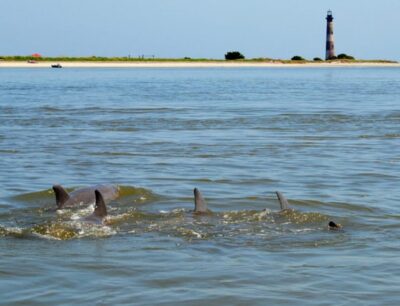 ★ 4.9Morris Island Lighthouse Eco-Boat TourFrom $5242 reviews
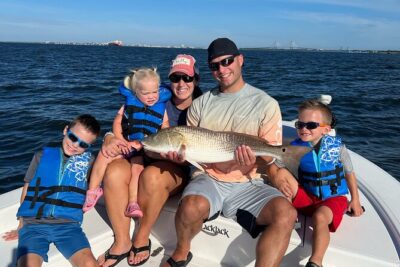 ★ 5.0Inshore Fishing CharterFrom $32530 reviews
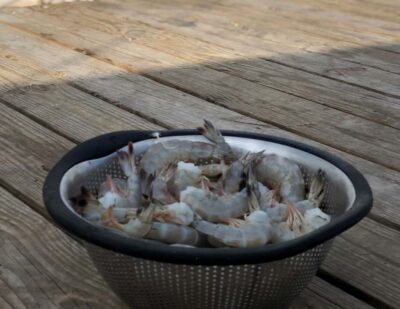 ★ 5.0Shem Creek Culture TourFrom $2625 reviews
Browse the lists this tour appears in