Reviewed · PLANTATIONS & HISTORIC GARDENS
Middleton Place Plantation Tour
A plantation tour that actually walks you through how people lived. At Middleton Place, you’ll see formal gardens laid out with Versailles-style drama, then move into a plantation home tied to major American names, and end in a working stable yard where daily crafts are shown. I also appreciate that the tour doesn’t treat slavery as a side note—it’s part of the story, taught with care and clarity. The main thing to plan around is walking: this experience is not suitable for people with mobility impairments.
I like that the whole experience is built for people who want context, not just photos. You get a guided flow that takes you from gardens to history-heavy rooms to the stable yard, so the place feels like one living system, not three random stops. And with hotel pickup included and a 3-hour time window, it’s an easy fit into a Charleston day—just know you’ll be out there rain or shine, so dress for weather.
In This Review
- Key things that make this tour worth your time
- Entering Middleton Place’s Versailles-Style Gardens (and why 1741 is a big deal)
- From the gardens to the plantation home: Henry, Arthur, and Williams Middleton
- Plantation life and slavery history: what the tour teaches and how it lands
- Stable yard craft demonstrations: seamstress, barrel maker, potter, and blacksmith
- What 3 hours feels like in real life (and how to plan your day)
- Price and value: is $125 per person worth it?
- Who this tour suits best (and who should consider alternatives)
- Should you book the Middleton Place Plantation Tour?
- FAQ
- How long is the Middleton Place Plantation Tour?
- What is the price per person?
- Is hotel pickup included?
- What’s included in the tour price?
- Is the plantation admission fee included?
- Will the tour run in bad weather?
- Are there any recommended starting times?
- Can I cancel for a full refund?
- Is reserve now and pay later available?
- Is this tour suitable for people with mobility impairments?
Key things that make this tour worth your time
- Versailles-style gardens first: you start with design, not dust and trivia
- Middleton family history you can’t fake: Henry, Arthur, and Williams Middleton show up in major events
- Honest slavery history: you learn how plantation labor worked, not just what the grounds looked like
- Working craftsmen in period clothing: seamstress, barrel maker, pottery maker, blacksmith
- 3 hours with pickup: a structured tour that saves you from extra driving and guessing
Entering Middleton Place’s Versailles-Style Gardens (and why 1741 is a big deal)
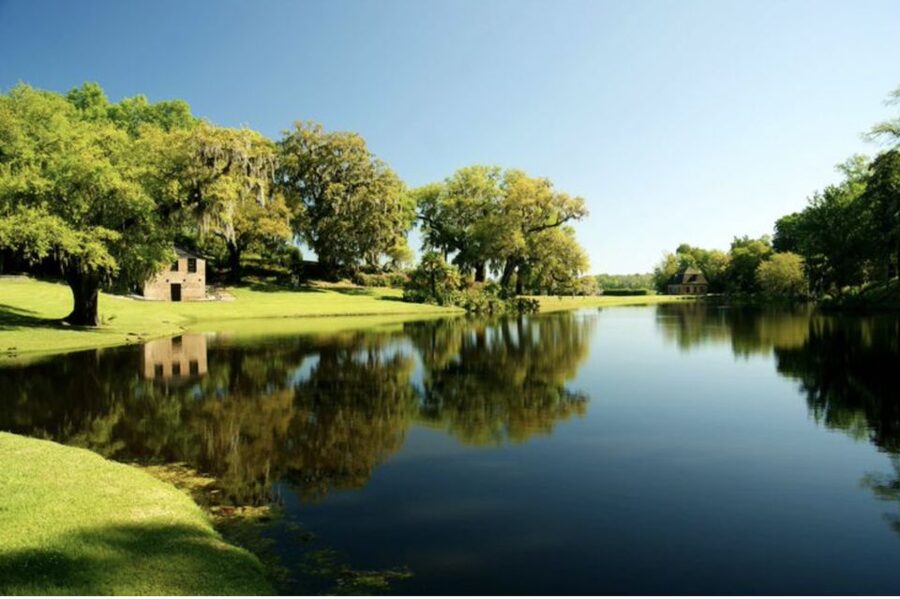
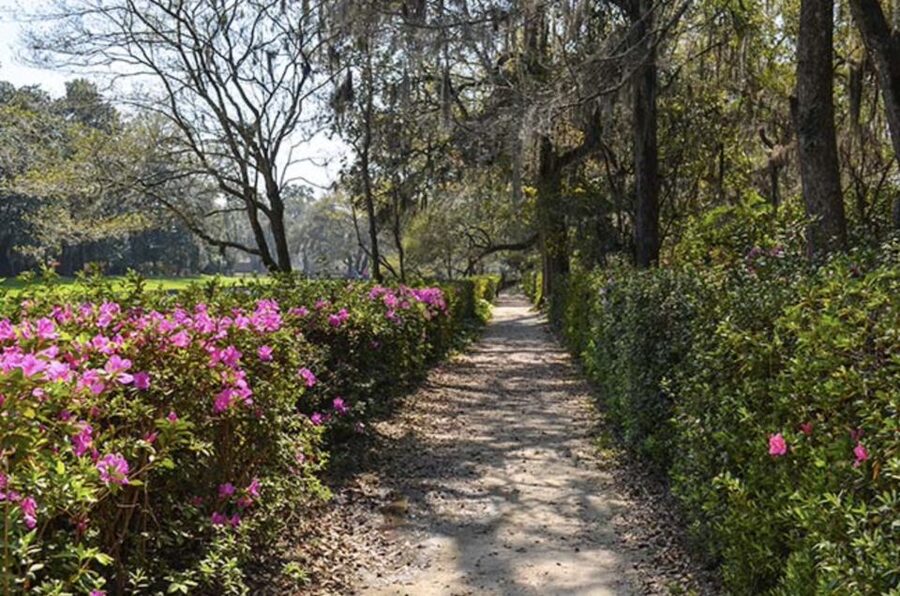
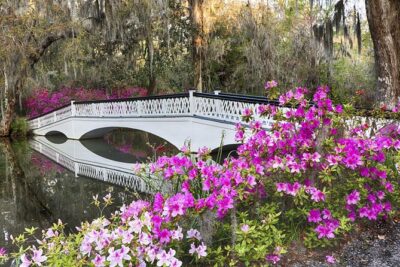
The experience starts in the gardens, and that’s a smart choice. These are America’s first formal gardens designed in the image of Versailles—meaning you’re not just seeing pretty plants. You’re stepping into a kind of power statement: symmetry, planning, and long-term care.
You’ll learn the Middleton family began construction of the gardens in 1741, and that the work continued for generations. That detail matters because it explains why the gardens feel deliberate. They aren’t a quick landscaping project; they’re built over time, maintained, and shaped by the people who owned and used the property.
If you love history that you can see, the gardens give you an easy entry point. You can look at the layout, notice how it guides your movement, and then connect it to the plantation home and the working yard later.
The only consideration here is practical: gardens are still outdoors. So bring shoes you trust for walking and plan for weather, because the tour runs rain or shine.
See more of the region past the peninsula with our other Charleston plantation and garden visits.
- Magnolia Plantation Admission & Tour with Transportation from Charleston★ 4.5 · 836 reviews
- Boone Hall Plantation Admission & Tour with Transportation from Charleston★ 4.5 · 455 reviews
- Charleston: Magnolia Plantation Entry & Tour with Transport★ 4.6 · 438 reviews
From the gardens to the plantation home: Henry, Arthur, and Williams Middleton
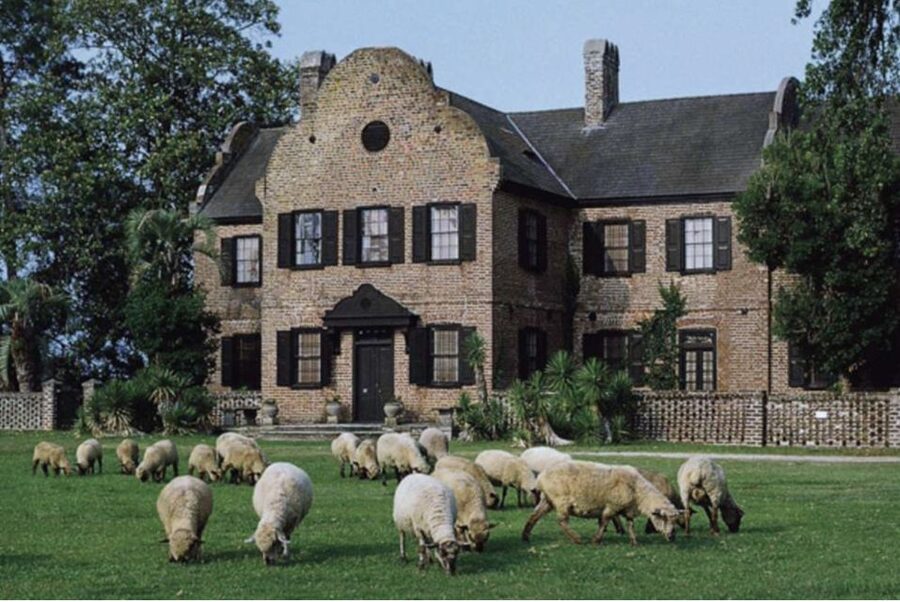
After the gardens, you move to the plantation home—described as the most authentic in the Charleston area. That authenticity matters because this isn’t just a stage set. The tour uses the home to connect you to important early American figures tied to Middleton Place.
You start with the second owner, Henry Middleton, who served as the second President of the First Continental Congress. If you’ve studied U.S. history before, you’ll recognize the kind of political weight that comes with that office. Here, it’s not a textbook name. It’s anchored to place.
Then you go further through the family line. Henry’s son, Arthur Middleton, signed the Declaration of Independence. And Arthur’s son, Williams Middleton, signed the Ordinance of Secession. That sequence is a striking reminder: the same family line sits on both sides of America’s turning points—independence and later secession.
I like how this stop turns the plantation into more than a local attraction. It becomes an American story location, with names you’ve probably heard before. And because you’re touring with a guide, you’re not left to connect the dots alone.
One caution: if you’re sensitive to difficult history, this is still a plantation tour. The home and its stories set the stage for what came next.
Plantation life and slavery history: what the tour teaches and how it lands
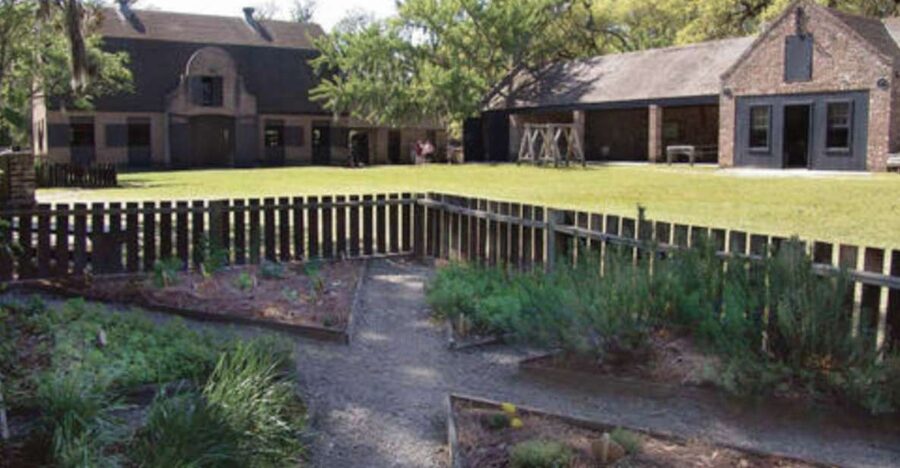
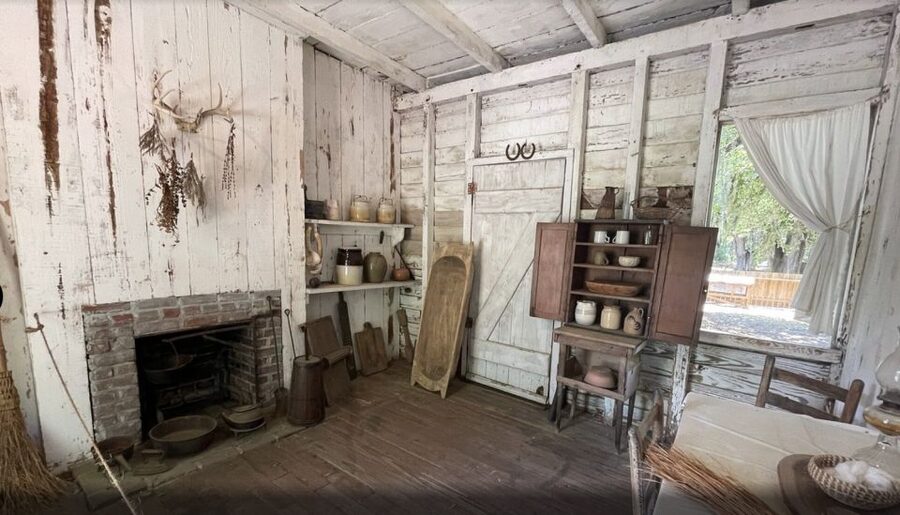
This part is handled directly: you’ll learn about the history of slavery on the plantation, including the lived realities of enslaved people. The tour doesn’t frame slavery as background noise. It treats it as core to understanding how Middleton Place functioned.
That approach matters because plantation history is often reduced to big houses and elegant grounds. But the truth is that plantations ran on forced labor. So when the guide explains plantation life and the realities enslaved people faced, you start seeing the entire property differently—especially when you’ve just walked formal gardens and then look ahead to the working areas.
I appreciate that the tour also emphasizes multiple elements of plantation work. You’ll learn the history of rice, cotton, and indigo. Those crops weren’t just farming topics; they shaped labor demands, schedules, and daily life.
This is the moment where the tour earns its title as an authentic example of plantation life in the Charleston area. You aren’t only learning when the house was built or who lived there. You’re learning what it took to keep the place running—and at what human cost.
If you want to understand Charleston beyond postcards, this is where you’ll feel the biggest shift in your understanding.
Stable yard craft demonstrations: seamstress, barrel maker, potter, and blacksmith
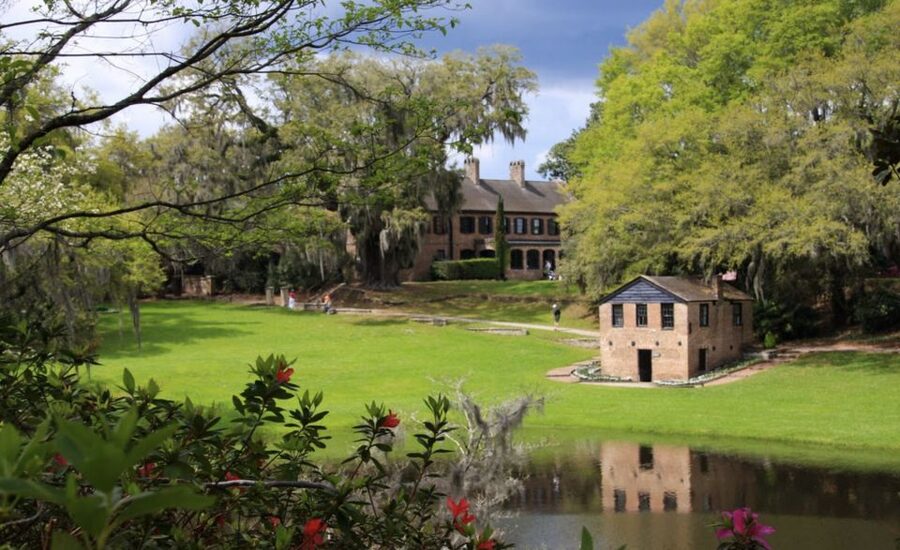
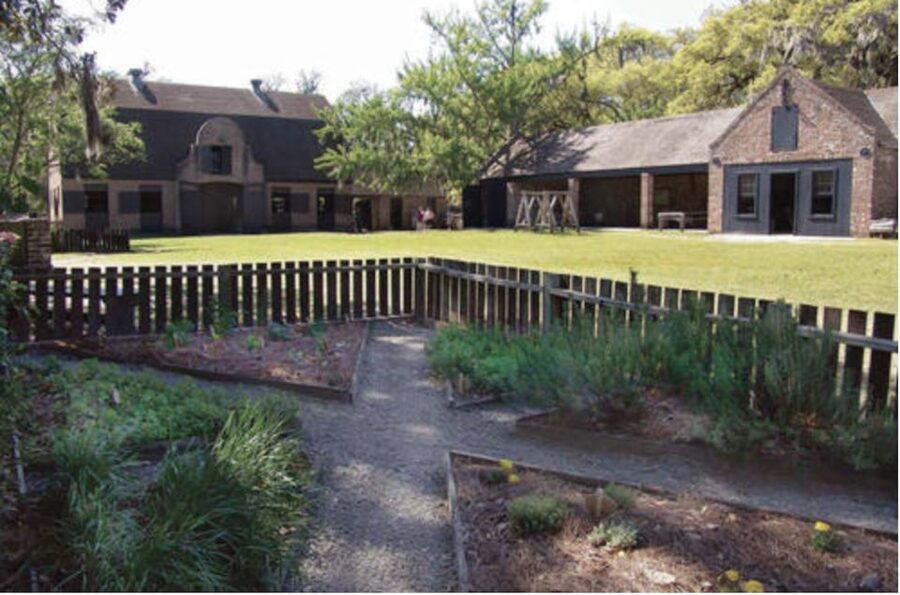
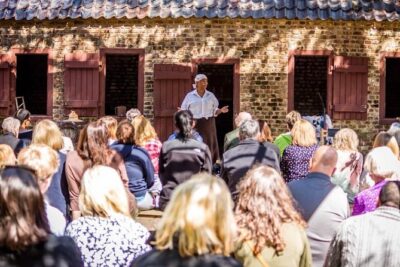
The tour wraps up at the stable yard, and this stop gives you a “how it worked” view. Working craftsmen perform daily chores in period clothing, with roles including a seamstress, barrel maker, pottery maker, and a blacksmith.
That lineup is more than entertainment. It shows how a plantation wasn’t only fields and buildings—it needed constant repair, production, and maintenance. Even if you know the broad idea of plantation self-sufficiency, seeing these crafts explained in context helps make it concrete.
I like this structure: you’ve already learned about the big picture (history and labor). Then you see practical skills that would keep goods and tools moving. It helps you understand the daily rhythm behind the formal parts of the property.
If you’re the type who enjoys watching people work, this yard stop is often the most satisfying. It feels grounded. And because the craftsmen dress in period attire, you get the visual link between the story and the tools.
What 3 hours feels like in real life (and how to plan your day)
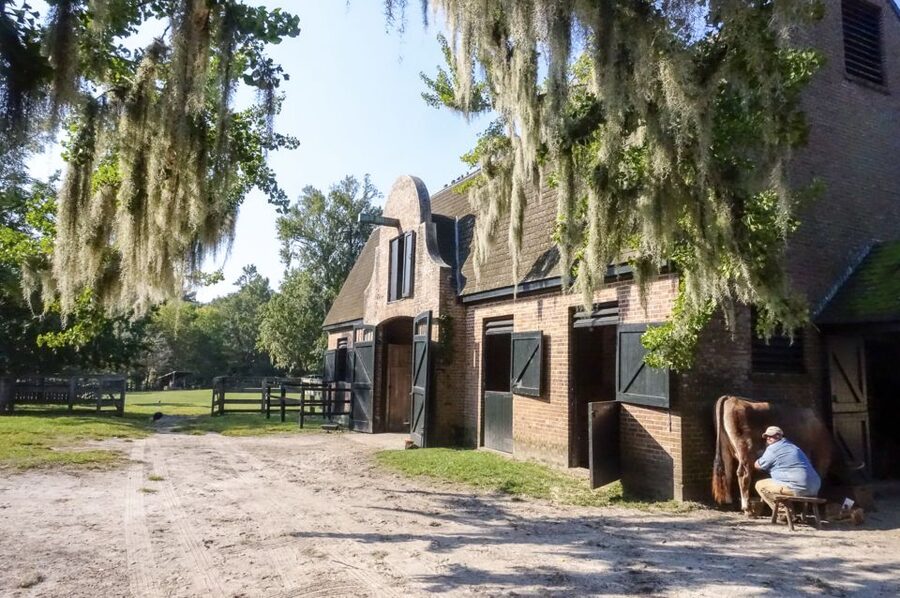
This tour runs about 3 hours, which is a sweet spot. Long enough for context, short enough that you don’t lose the day to transportation and waiting. You also don’t have to stress too much about transitions, because the flow naturally goes garden → home → stable yard, with the guide driving the narrative.
Hotel pickup is included, which helps a lot in Charleston. You’re picked up where you’re staying or at another point you choose. That saves time and cuts down the “where do I park?” headache.
Because the tour happens rain or shine, plan your outfit like you’re expecting outdoor walking. Bring layers if weather shifts, and keep something simple in your bag for sudden showers.
Also, keep your expectations aligned: this is an organized guided tour, not a free-roam museum. So if you like to wander at your own pace, you may still enjoy the structure—but you’ll want to be comfortable following along and asking questions.



Price and value: is $125 per person worth it?

At $125 per person, Middleton Place isn’t a bargain, but it can be strong value if you care about real interpretation. You’re paying for three things that add up:
- A guided experience that connects the gardens, the home, and working crafts into one story
- Focus on serious content, including slavery history and the plantation’s crop history (rice, cotton, indigo)
- Pickup convenience, plus the tour timing that keeps your day efficient
One important note: the admission fee to the plantation is not included. That means your final cost will be higher than the tour price alone. Still, the tour itself includes hotel pickup and the guided tour.
So here’s my practical take: if you want a guided explanation that makes Middleton Place more than a pretty setting, the price is more reasonable. If you just want to wander casually and snap photos, you might feel the cost more.
Who this tour suits best (and who should consider alternatives)
This tour is a great match if you want an authentic Charleston plantation experience with a serious educational lens. I’d especially recommend it if you:
- Like historic sites that explain people’s lives, not only famous buildings
- Want the connection between American political names and the place they’re tied to
- Prefer guided storytelling that connects gardens, home, and working areas
- Appreciate seeing crafts and daily work as part of the bigger system
It’s also not for everyone. The tour is not suitable for people with mobility impairments, so if you rely on mobility assistance or have difficulty walking outdoors, plan differently.
Finally, if you’re traveling with limited time, the 3-hour length helps you fit Middleton Place into a packed Charleston itinerary without losing your whole day.
Should you book the Middleton Place Plantation Tour?
If you want a Charleston plantation tour that balances beauty with hard truth, I think you should book it. The combination of Versailles-style gardens, a plantation home tied to major historical figures, and a stable yard showing working crafts gives you a more complete understanding than a quick stop ever could.
Just go in prepared for outdoor time, expect walking, and remember the tour includes slavery history as a core topic. If that fits your travel style, this is one of the most meaningful ways to spend a few hours in the Lowcountry.
FAQ
How long is the Middleton Place Plantation Tour?
The tour lasts about 3 hours.
What is the price per person?
The price is $125 per person.
Is hotel pickup included?
Yes. Hotel pickup is included, with pick-up at your hotel or another chosen point.
What’s included in the tour price?
The tour includes a guided tour of the plantation and hotel pickup.
Is the plantation admission fee included?
No. The admission fee to the plantation is not included.
Will the tour run in bad weather?
Yes. The tour takes place rain or shine.
Are there any recommended starting times?
The tour has starting times based on availability, so you’ll want to check what’s offered when you book.
Can I cancel for a full refund?
Yes. You can cancel up to 24 hours in advance for a full refund.
Is reserve now and pay later available?
Yes. You can reserve now and pay later.
Is this tour suitable for people with mobility impairments?
No. It is not suitable for people with mobility impairments.
More Tours Across Charleston





More Charleston Tours Worth Booking
More Plantations & Historic Gardens near Charleston






Still deciding? Here are the newest Charleston tours and experiences we have reviewed











Plantations & Historic Gardens, compared.
 ★ 4.5Boone Hall Plantation All-Access Admission TicketFrom $361,736 reviews
 ★ 4.5Magnolia Plantation Admission & Tour with Transportation from CharlestonFrom $90836 reviews
 ★ 4.5Boone Hall Plantation Admission & Tour with Transportation from CharlestonFrom $82455 reviews
 ★ 4.6Magnolia Plantation Entry & Tour with TransportFrom $90438 reviews
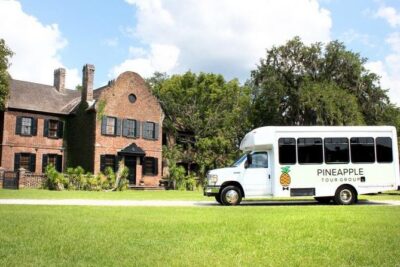 ★ 4.5Middleton Place Admission with Self Guided Tour and LunchFrom $120326 reviews
 ★ 4.4Historic City Tour & Magnolia Plantation ComboFrom $110187 reviews
 ★ 4.5Drayton Hall Admission Ticket with Interpreter-Guided Tour111 reviews
 ★ 4.6From Charleston: Boone Hall Plantation Entry with TransfersFrom $67106 reviews
Browse the lists this tour appears in