Reviewed · PLANTATIONS & HISTORIC GARDENS
Drayton Hall: Interpreter Guided Tour, Charleston, SC
A plantation you can tour in one hour? Yes, and it’s a smart way in. Drayton Hall is one of the most important early American architecture sites in the country, with an interpreter guiding you through what the place was and what it meant.
I especially like the 1-hour guided tour format. It gives you the key facts fast, then you can slow down on your own with the included self-guided audio landscape tour and access to the grounds.
One thing to consider: the story focus can feel uneven for some visitors, with less time spent on the enslaved community compared with the Drayton family storyline. If that balance matters a lot to you, go in ready to read closely around the site and let the cemetery and interpretive areas do more of the work.
In This Review
- Key things you’ll notice on this Drayton Hall visit
- Drayton Hall in plain English: why this place matters
- The 1-hour interpreter-guided tour: what the guide actually helps with
- After the guide: using the audio and grounds time well
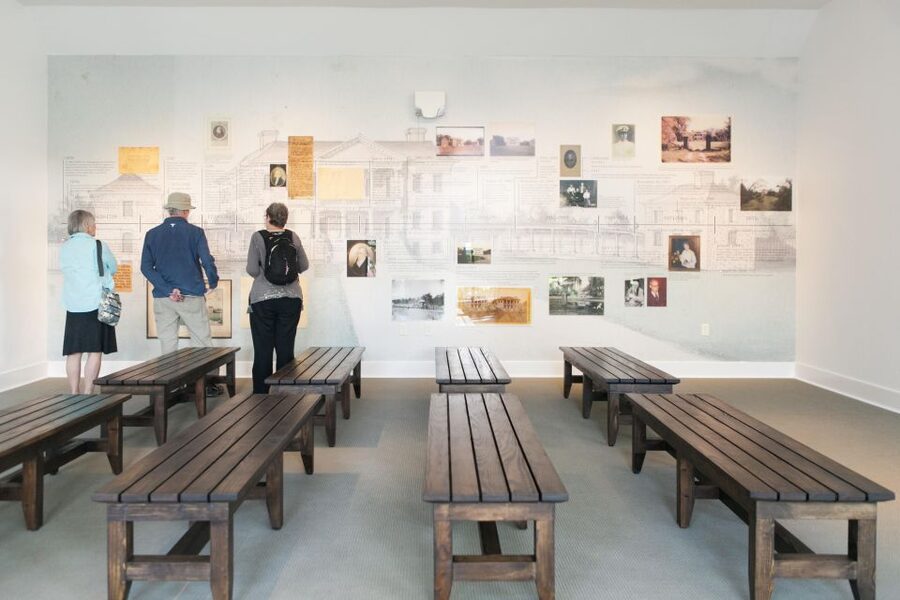
- Galleries, conservation lab, and the active archaeological site
- The 18th-century African-American cemetery: don’t rush this part
- Entering a historic house: steps, routes, and what to wear
- Price and value: how $32 stacks up
- Getting there from downtown Charleston: parking and timing
- Who this tour fits (and who should plan differently)
- Should you book the Drayton Hall interpreter-guided tour?
- FAQ
- How long is the interpreter-guided tour?
- What’s included with the ticket besides the guided tour?
- Is there a self-guided audio option?
- Can I access the 18th-century African-American cemetery?
- Are the conservation lab and galleries included?
- Is the tour guide available in English?
- Are pets allowed?
- What mobility/accessibility limitations should I know about the house tour?
- Can I drive there and do I need to book ahead?
Key things you’ll notice on this Drayton Hall visit
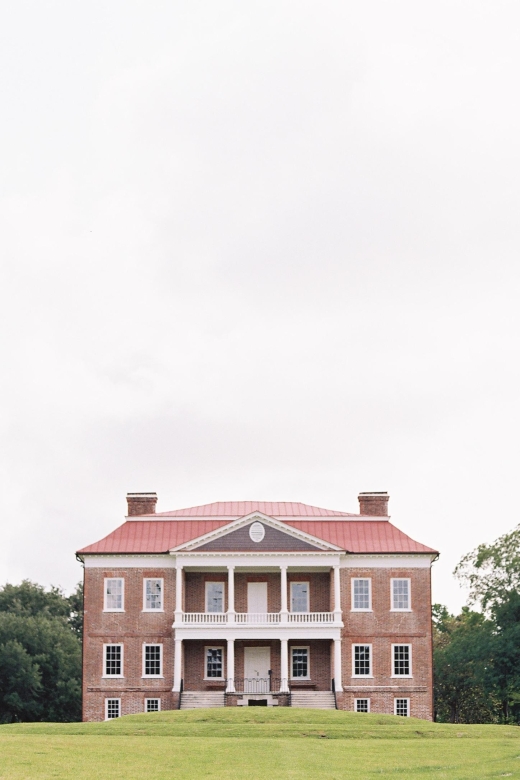
- Palladian architecture: Drayton Hall is described as the nation’s earliest fully executed example of this style.
- 1738 foundation: it’s the oldest preserved plantation house in America still open to the public.
- More than a house tour: you also get access to two galleries, a conservation lab, and an active archaeological site.
- An 18th-century African-American cemetery is part of the experience, not an afterthought.
- One guided hour plus self-guided time: you get structure first, then flexibility.
Drayton Hall in plain English: why this place matters
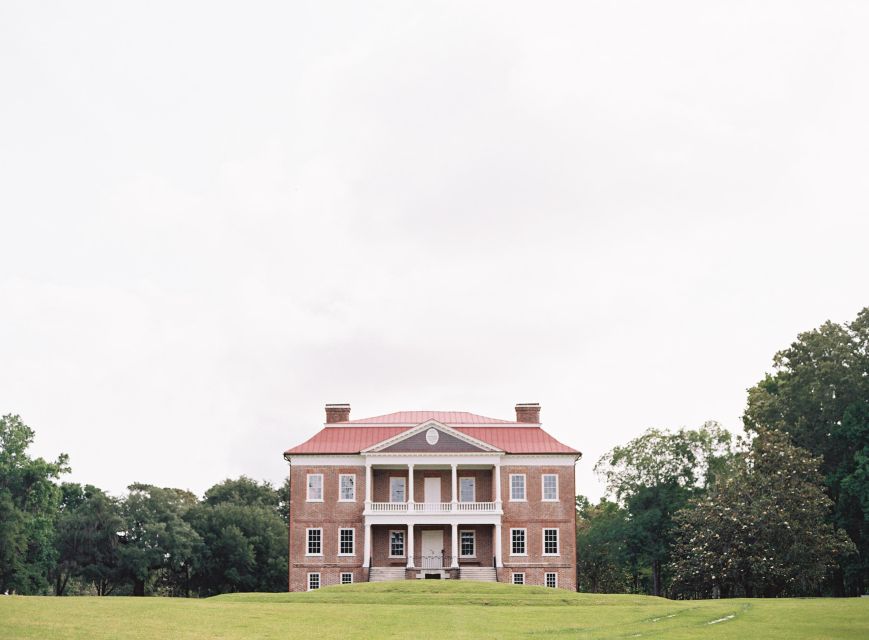
Drayton Hall, founded in 1738, is the oldest preserved plantation house in America that’s still open to the public. That alone makes it worth your time—but the bigger reason I’d put it on your Charleston list is the architecture.
The site is noted as the nation’s earliest example of fully executed Palladian architecture. If you’ve never heard that term before, you don’t need a design degree. The interpreter-style approach helps you see the building choices as deliberate, not decorative. You’ll start to recognize that symmetry, proportions, and layout weren’t random. They were a statement.
See more of the region past the peninsula with our other Charleston plantation and garden visits.
- Magnolia Plantation Admission & Tour with Transportation from Charleston★ 4.5 · 836 reviews
- Boone Hall Plantation Admission & Tour with Transportation from Charleston★ 4.5 · 455 reviews
- Charleston: Magnolia Plantation Entry & Tour with Transport★ 4.6 · 438 reviews
The 1-hour interpreter-guided tour: what the guide actually helps with
The guided portion is one hour with a live English interpreter-guide. In that time, your job is simple: listen for the big picture and use it to orient yourself for the rest of the visit.
This kind of tour works best when the guide does two things at once: explains the layout of the estate and gives you a way to interpret what you see. Here, the experience is designed around the Drayton Hall story, and it also connects you to the plantation community through the site’s interpretive areas you can visit afterward.
Now, a practical note. One booking found the balance between the Drayton dynasty and the enslaved community storyline needed attention. I don’t think that means the tour is wrong—it means you should keep expectations flexible. If you want a heavy emphasis on enslaved lives, take your time with the areas built to represent that part of the story, especially the cemetery and interpretive spaces you can access during your visit.
After the guide: using the audio and grounds time well
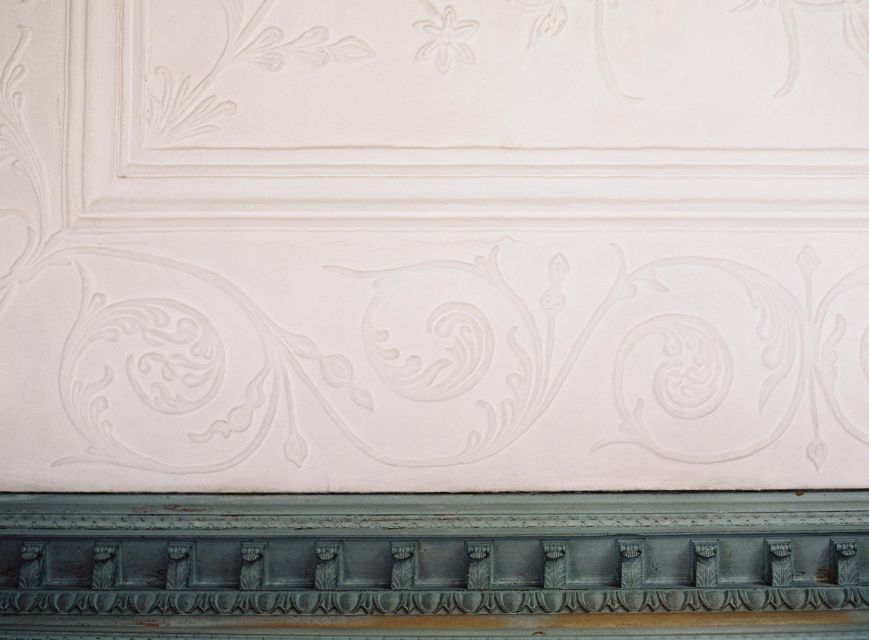
Once your guided hour ends, you’re not done. Your ticket includes access to the grounds & galleries, plus a self-guided audio component (the audio landscape tour).
This is where you should slow down. The audio portion is useful because it helps you keep context while you walk—especially when the site is more complex than a single building you can circle in five minutes. I like that you get structure first, then freedom. You’re not trapped in a group pace for the whole time.
If you’re visiting with kids or anyone who struggles with long museum time, this setup is a win. You get the essential explanation up front, and then you can choose where to spend extra minutes—without feeling like you’re falling behind.
Galleries, conservation lab, and the active archaeological site
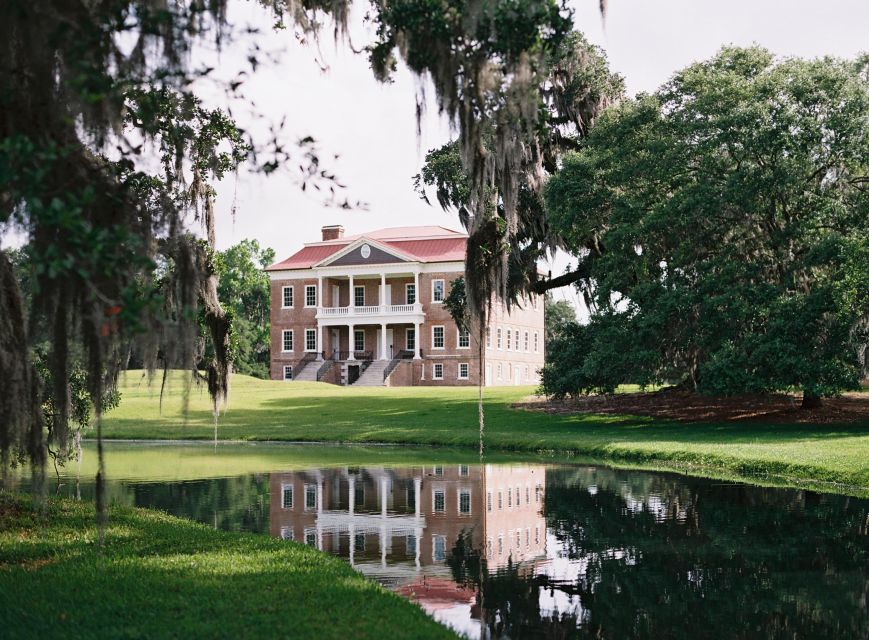
One of my favorite things about this tour is that it doesn’t stop at photos of a house. Your admission includes access to two galleries and the conservation lab, plus an active archaeological site.
Why that matters: a plantation house can turn into a stage set if the visit only focuses on the exterior and the highlight facts. By adding galleries and a conservation lab, the experience frames Drayton Hall as a living research project. Restoration and preservation are part of what you’re seeing, not something that happens offstage.
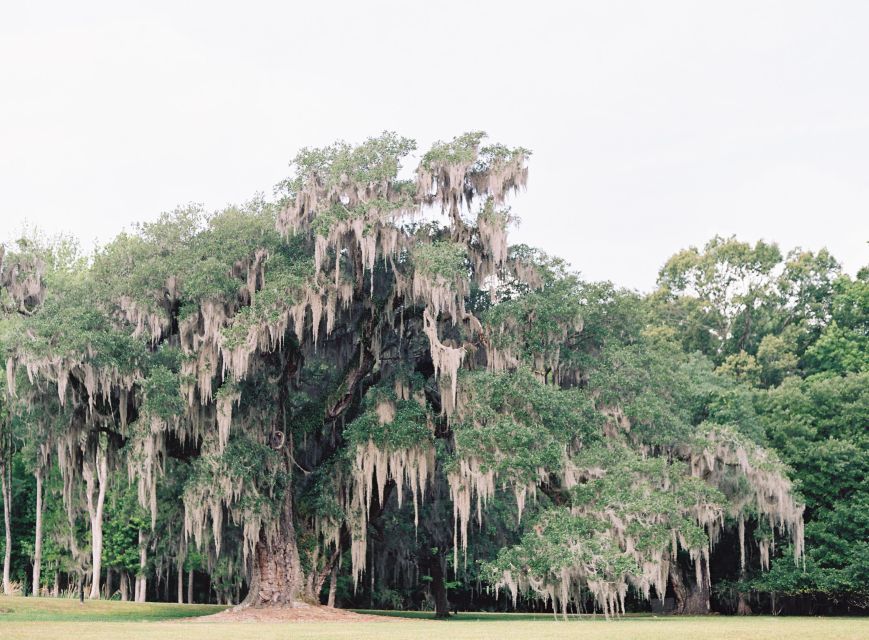
Then there’s the active archaeological site. Even without getting a lecture about what’s under your feet, the concept changes how you look at the place. You start realizing the estate has layers—literal and historical—and that what you see today is shaped by ongoing work.
The 18th-century African-American cemetery: don’t rush this part
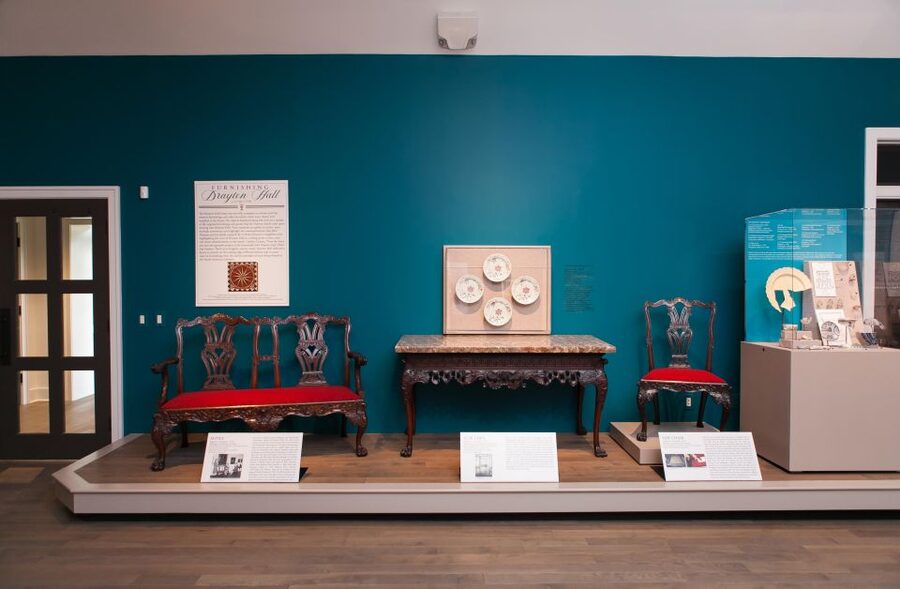
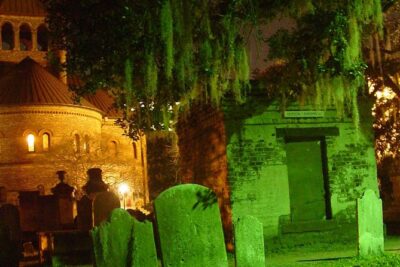
Drayton Hall includes access to an 18th-century African-American cemetery. In my view, this is the emotional core of the visit because it anchors the story in real lives and real loss.
This is also where you can balance what the guide emphasized during the one-hour tour. If you felt the main storyline leaned toward the Drayton dynasty, you can let the cemetery and its interpretive presentation carry more weight. Don’t treat it like a quick stop on the way to the galleries.
Tip: give yourself time here. Sit for a minute if there’s space, read closely, and don’t feel pressured to move on fast. This is the kind of site where your pace matters as much as what you learn.
Prefer a guide out front? Browse more guided Charleston tours.




Entering a historic house: steps, routes, and what to wear
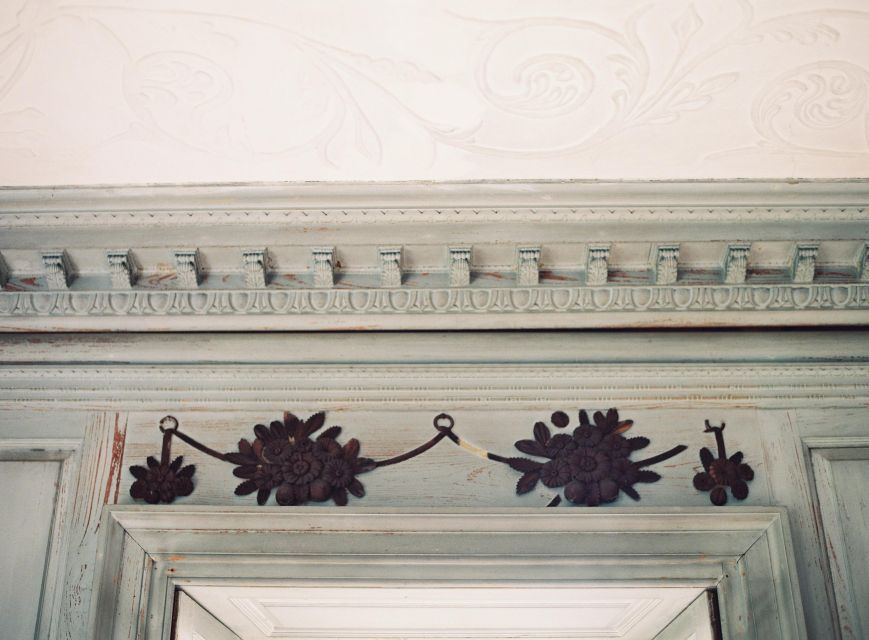
The visit includes a guided house tour, and that matters for logistics. The guided House Tour requires walking up portico steps into the house. Also, personal wheelchairs and scooters are prohibited on House Tours.
That doesn’t mean you’re out of luck if you use mobility support. The site is described as handicapped accessible through exhibits, garden, museum shop, and walking trails. But the same info also notes that wheelchairs, walkers, and motorized scooters may have difficulty maneuvering on unpaved paths.
So, what should you do? Wear shoes you can trust outdoors and be ready for uneven ground. If mobility is a factor for you or your group, plan your visit with those restrictions in mind and be flexible about how much of the house portion you can access.
Price and value: how $32 stacks up
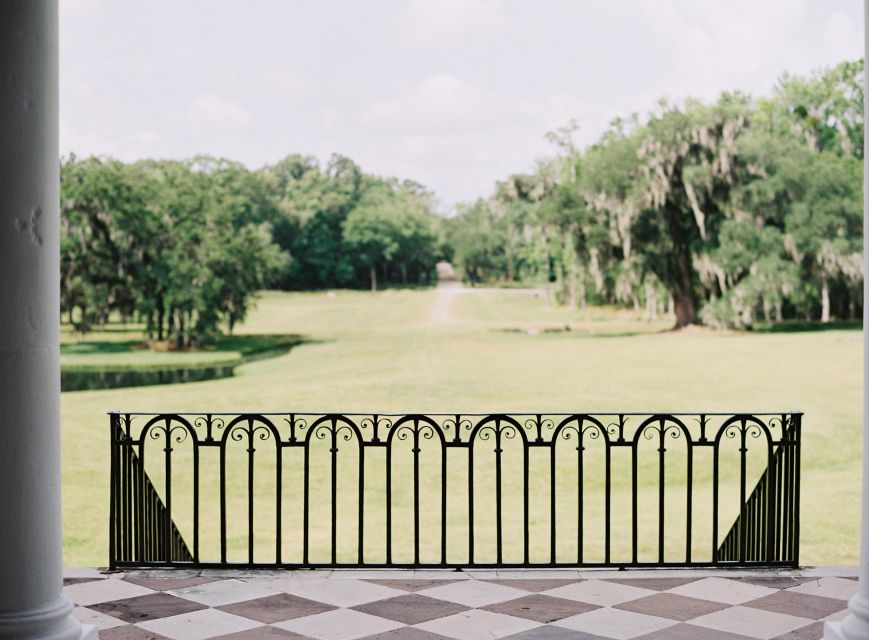
The price is $32 per person, with the ticket including admission to all Drayton Hall attractions. For a 1-hour guided tour plus access to grounds, galleries, a conservation lab, and the cemetery, that’s a strong value proposition.
Here’s why: you’re not just buying entry to a single building. You’re paying for multiple parts of the experience, including spaces that explain how preservation and archaeology shape what you learn. If you were trying to piece together those stops separately, the total cost and time would usually add up quickly.
Also, you’re in Charleston, where parking and admission lines can turn a simple outing into a hassle. This site offers plenty of free parking and is described as easy to reach by car from downtown Charleston, which can save you time and stress.
Getting there from downtown Charleston: parking and timing
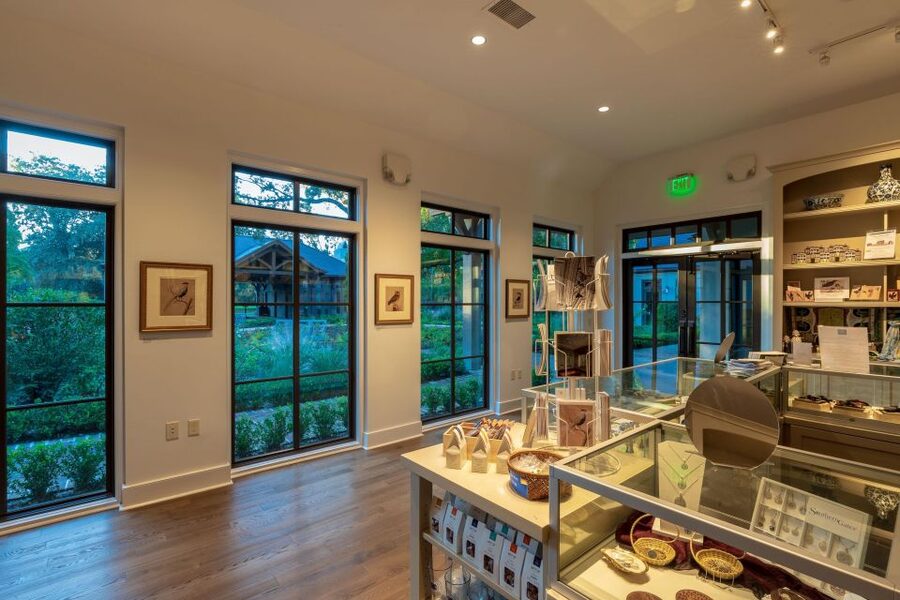
This is positioned as a family-friendly excursion from downtown Charleston, and the site is set up for visitors who drive in. The biggest practical win is free parking, which makes the visit easier than many downtown-adjacent stops.
Because Drayton Hall is popular, booking ahead helps you avoid disappointment. The experience information also says that booking ahead guarantees admission to this popular site. That matters if you’re on a tight Charleston schedule or traveling in peak season.
Who this tour fits (and who should plan differently)
If you like structured museum time but hate being dragged along for hours, this works. The 1-hour interpreter-guided tour gives you context, and the included self-guided time lets you adjust your pace.
This is also a good pick if you care about preservation. The conservation lab and the active archaeology site push the experience beyond a simple walk-through.
On the other hand, if your top priority is getting a very even, very heavy emphasis on the enslaved community throughout the guided portion, you should know the experience may not match your ideal balance. In that case, plan to spend extra time on the areas designed to tell that story, especially the African-American cemetery.
Should you book the Drayton Hall interpreter-guided tour?
I’d book it if you want a high-impact Charleston stop that combines architecture, interpretation, and preservation work in one ticket. At $32 with admission to the galleries, conservation lab, cemetery, and the audio self-guided portion, it’s a good value for how much you can cover.
I’d also book it if you’re comfortable with outdoor walking and a few steps into the house. If mobility access is a concern, check the House Tour limitations (steps and restrictions on personal scooters/wheelchairs) and plan around what you can access comfortably.
If you care deeply about interpretive balance, come with a flexible mindset: the guided hour sets the stage, but you’ll get the most out of the visit by giving your time to the cemetery and the other on-site interpretive spaces.
FAQ
How long is the interpreter-guided tour?
The interpreter-guided tour lasts 1 hour.
What’s included with the ticket besides the guided tour?
Your ticket includes the 1-hour interpreter-guided tour, a self-guided audio landscape tour, access to the grounds and galleries, access to the 18th century African-American cemetery, access to a conservation lab, and access to an active archaeological site.
Is there a self-guided audio option?
Yes. The ticket includes a self-guided audio landscape tour.
Can I access the 18th-century African-American cemetery?
Yes. The ticket includes access to the 18th century African-American Cemetery.
Are the conservation lab and galleries included?
Yes. The ticket includes access to two galleries and a conservation lab.
Is the tour guide available in English?
Yes. The live tour guide is English, and the experience is listed as English-language.
Are pets allowed?
No. Pets are not allowed.
What mobility/accessibility limitations should I know about the house tour?
The site is described as handicapped accessible through exhibits, garden, museum shop, and walking trails, but wheelchairs, walkers, and motorized scooters may have difficulty on unpaved paths. The guided House Tour requires walking up portico steps into the house, and personal wheelchairs and scooters are prohibited on House Tours.
Can I drive there and do I need to book ahead?
There is plenty of free parking, and admission to this popular site is guaranteed by booking ahead.
More Tours Across Charleston






More Charleston Tours Worth Booking
More Plantations & Historic Gardens near Charleston






Still deciding? Here are the newest Charleston tours and experiences we have reviewed












Plantations & Historic Gardens, compared.
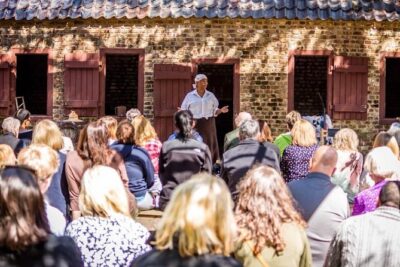 ★ 4.5Boone Hall Plantation All-Access Admission TicketFrom $361,736 reviews
 ★ 4.5Magnolia Plantation Admission & Tour with Transportation from CharlestonFrom $90836 reviews
 ★ 4.5Boone Hall Plantation Admission & Tour with Transportation from CharlestonFrom $82455 reviews
 ★ 4.6Magnolia Plantation Entry & Tour with TransportFrom $90438 reviews
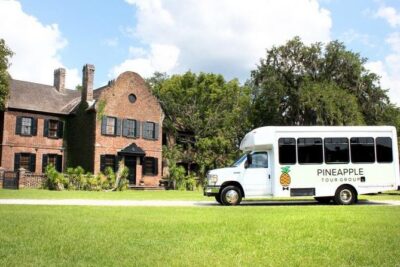 ★ 4.5Middleton Place Admission with Self Guided Tour and LunchFrom $120326 reviews
 ★ 4.4Historic City Tour & Magnolia Plantation ComboFrom $110187 reviews
 ★ 4.5Drayton Hall Admission Ticket with Interpreter-Guided Tour111 reviews
 ★ 4.6From Charleston: Boone Hall Plantation Entry with TransfersFrom $67106 reviews
Browse the lists this tour appears in