
Reviewed · HISTORIC DISTRICT WALKING TOURS
Charleston: History and Architecture Guided Walking Tour
Charleston feels like it’s whispering secrets at every corner. This 90-minute history and architecture walking tour gives you a guided way to read the city, from South of Broad to the French Quarter and ending at Pineapple Fountain, with visits that go past the street-level photo stops and include interior access when available. I especially love the three secret alleys and the way the guide points out details most people miss.
What I really like: you get landmark interiors like St Michael’s Church and the Old Exchange (plus Dock Street Theatre when possible), and you also come away with a clearer sense of why Charleston’s design looks the way it does. As one example from past guests, having guides like Jeff and Emerson helped turn the buildings into stories you can actually remember.
One drawback to plan around: the tour is about a one-mile, leisurely walk but it still involves frequent stops and a lot of pavement and old-street surfaces, so it may not feel comfortable if you have mobility limitations or need extra assistance.
In This Review
- Key highlights
- Meeting under the awning: the 90-minute flow
- South of Broad to the French Quarter: reading Charleston on foot
- Landmark interiors: St Michael’s, the Old Exchange, and Dock Street Theatre
- Rainbow Row, City Market, and St Philip’s Church: public icons with context
- Wrought-iron gates and the three secret alleys
- Ending at the Pineapple Fountain: what to do next
- Price, pace, and who should join
- Should you book this Charleston history and architecture tour?
- FAQ
- How long is the Charleston history and architecture guided walking tour?
- Where is the meeting point for the tour?
- What’s included in the tour?
- Which landmark sights will I see?
- Does the tour run if it rains?
- Is the tour suitable for wheelchairs or mobility needs?
- What should I bring, and what’s the cancellation policy?
Key highlights
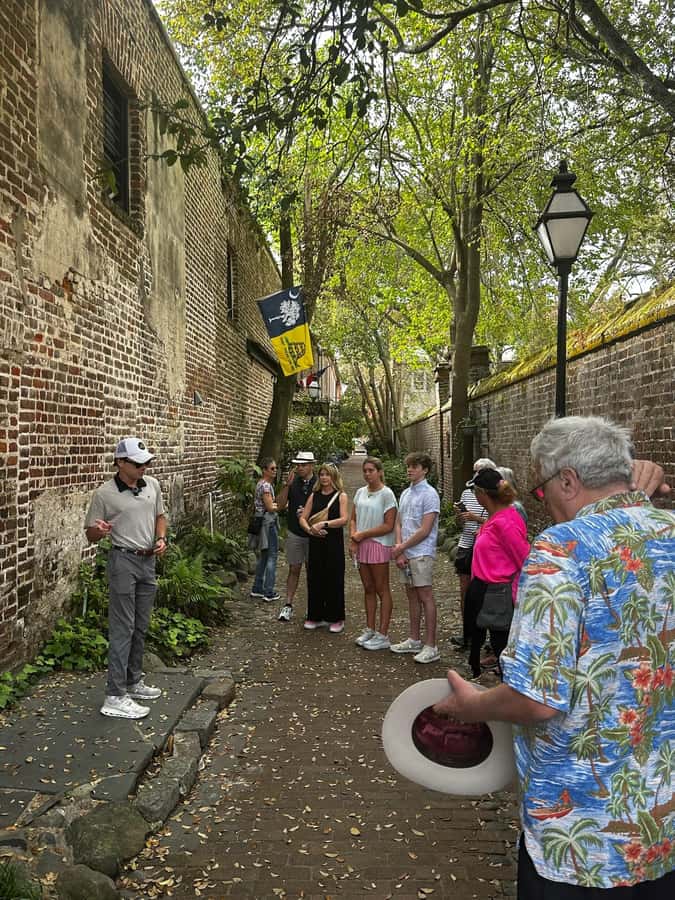
- Three secret alleys you’d never find without a guide
- Interior access to St Michael’s Church, plus Old Exchange and Dock Street Theatre when available
- Ironwork details on centuries-old gates that help you understand Charleston’s style
- Rainbow Row, City Market, and St Philip’s Church for major landmarks with context
- A guided pace with frequent stops over about one mile in 90 minutes
Meeting under the awning: the 90-minute flow
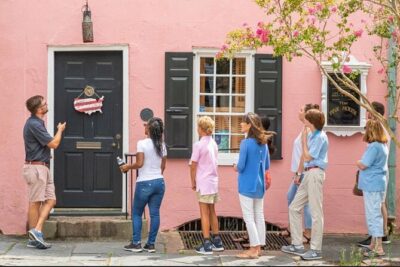
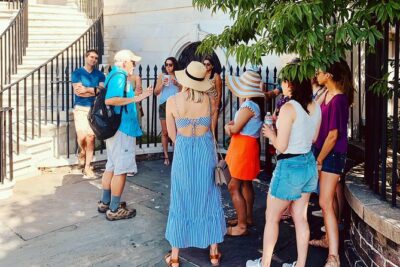
The tour starts in Historic Downtown, where your guide meets you underneath the awning in front of the Charleston Tours & Activities windows. It runs for 90 minutes, and the walking is described as a leisurely stroll of about one mile, with frequent stops. Translation: you won’t be sprinting between stops, but you also won’t be standing still for long stretches.
A small timing tip that saves stress: guides typically arrive around 15 minutes early, and it’s best if you aim to be there about 10 minutes before departure. If you show up earlier than that, just wait patiently—this is a check-in rhythm, not a strict minute-by-minute sprint.
You’ll also want to dress for “rain or shine.” Charleston weather can change fast, and the tour is designed to keep moving. Comfortable shoes matter here. Cobblestones and older sidewalks are part of the experience, and your feet will decide how much you enjoy the architecture close up.
Trade one set of cobblestones for another with more Charleston walking tours.
- Historic Charleston Guided Sightseeing Walking Tour★ 5.0 · 6,216 reviews
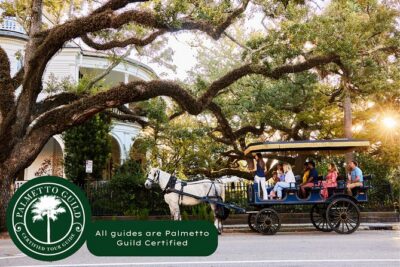
- Charleston Horse-Drawn Carriage Tour: Explore Historic Charleston★ 5.0 · 3,561 reviews
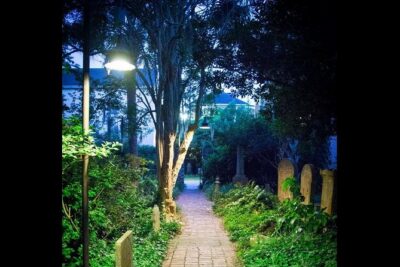
- Ghosts of Charleston Night-Time Walking Tour with Unitarian Church Graveyard★ 4.5 · 2,835 reviews
South of Broad to the French Quarter: reading Charleston on foot
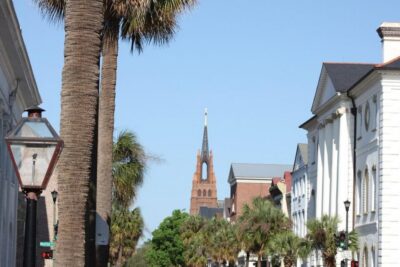
From the start, the route works like an on-foot orientation through Charleston’s historic core. You’ll head through South of Broad and then into the French Quarter District, where the streets and building shapes do a lot of the storytelling.
This is where the tour earns its keep. Charleston architecture isn’t just pretty facades—it’s a system. As you walk, the guide helps you connect things you can see, like doorway proportions and gate designs, to the city’s past. You’ll also hear how Charleston’s neighborhoods developed and what the city’s layout reveals about daily life over time.
Rainbow Row also fits into this broader walk plan. Even if you’ve seen photos, seeing it as part of a guided route helps you understand why it matters. One of the best parts is that you’re not only looking at buildings—you’re learning how to notice them. Expect the guide to point out specific features and then explain why those details mattered historically.
If you’re the type who likes asking questions, you’re in the right place. Multiple guides have been praised for answering questions clearly and keeping the group engaged. That matters on a tour like this, because architecture questions often lead to deeper context.
Landmark interiors: St Michael’s, the Old Exchange, and Dock Street Theatre
You don’t just peek at buildings from the sidewalk. A highlight of this tour is getting into interiors when access is available.
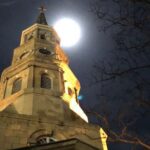
St Michael’s Church is one of the main interior stops. The guide will help you notice what you can’t easily see from outside: the way the interior space feels, how the building is used, and what that says about Charleston over time. This stop is especially useful if you tend to remember places better once you’ve physically been inside them.
Then there’s the Old Exchange Building and Dock Street Theatre. Both are listed as subject to availability, which means you should go in with flexibility. Even if access changes day to day, the point is the same: you’re learning the city by seeing how these landmarks function, not only by viewing exterior angles.
One reason this interior access is such good value for the price is simple. Many city walking tours stay outside the gates. Here, you’re paying for a guided walk plus a few meaningful chances to get inside major Charleston landmarks, which turns the tour from a photo route into a lived-in experience.
Rainbow Row, City Market, and St Philip’s Church: public icons with context
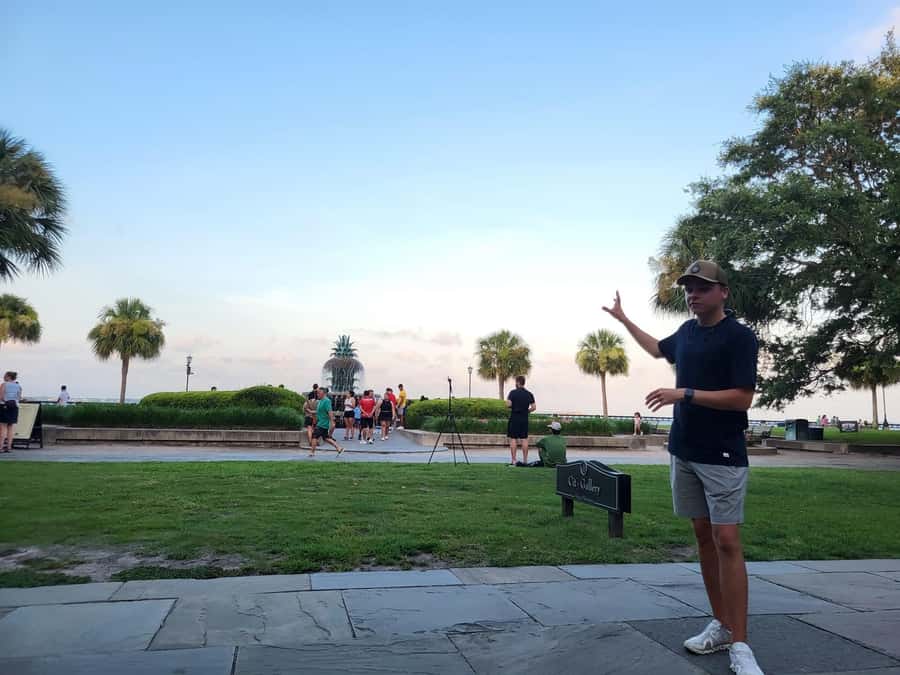
After the architecture-and-alleys side of the walk, you’ll hit the big names: Rainbow Row, City Market, and St Philip’s Church.
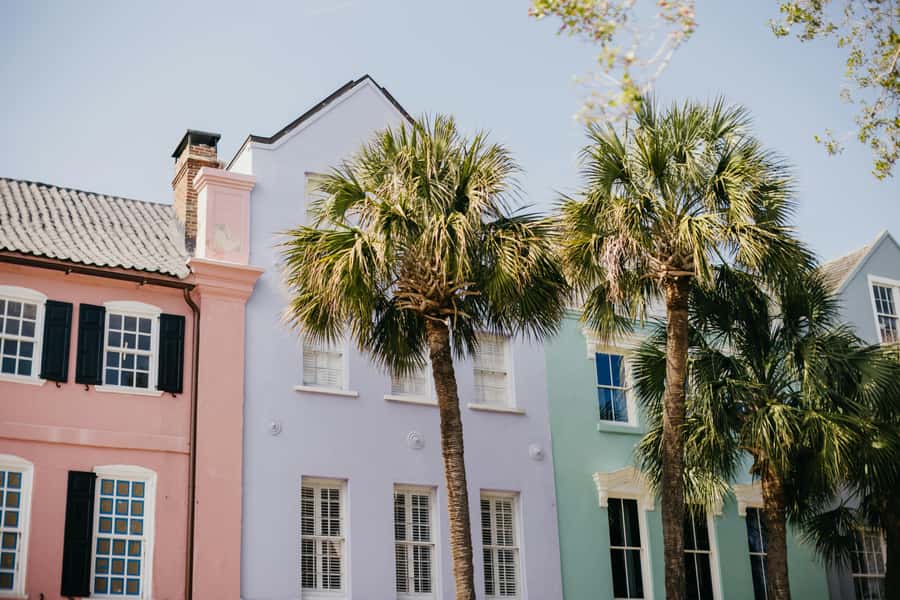
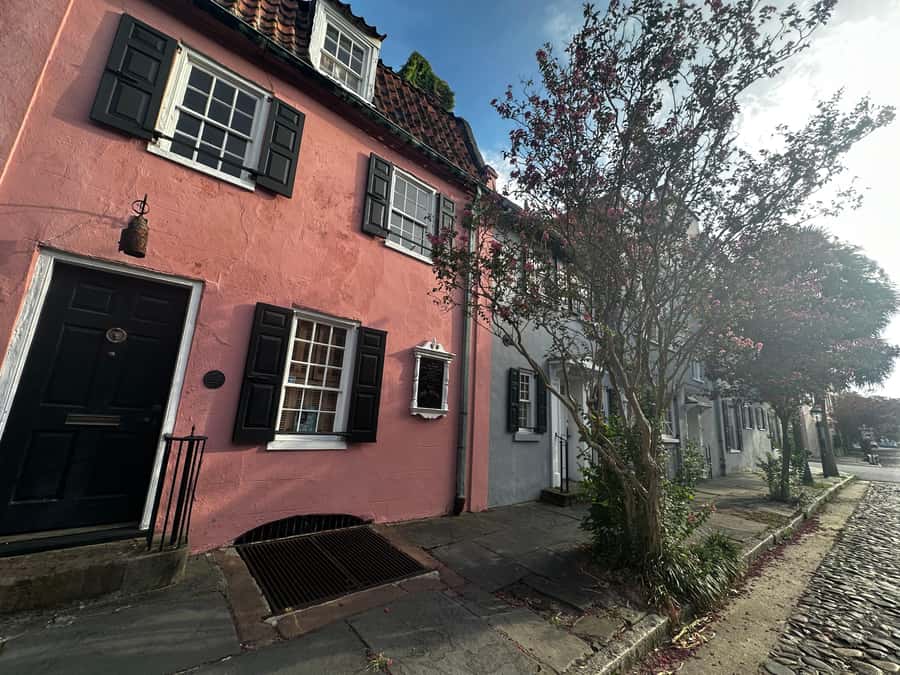
Rainbow Row is the postcard you expect, but the tour adds what most people don’t get on a quick photo stop: context. Seeing Rainbow Row in sequence with nearby streets makes it easier to understand the neighborhood feel and how the city’s design communicates status and history.
City Market adds a different flavor. It’s a place you can wander even on your own later, but on this tour you get the benefit of timing and framing. You’re not just passing through; you’re learning what makes the market area historically important and why people have always gathered here.
Then there’s St Philip’s Church, another essential anchor of Charleston’s historic downtown. When the guide explains the church in relation to the surrounding streets, it helps you see the city as a network of institutions—not just individual sights.
This set of stops is a good fit for first-timers. If Charleston is new to you, you’ll leave with a mental map: the civic spaces, the commercial hubs, and the architectural statements all connect.
Wrought-iron gates and the three secret alleys
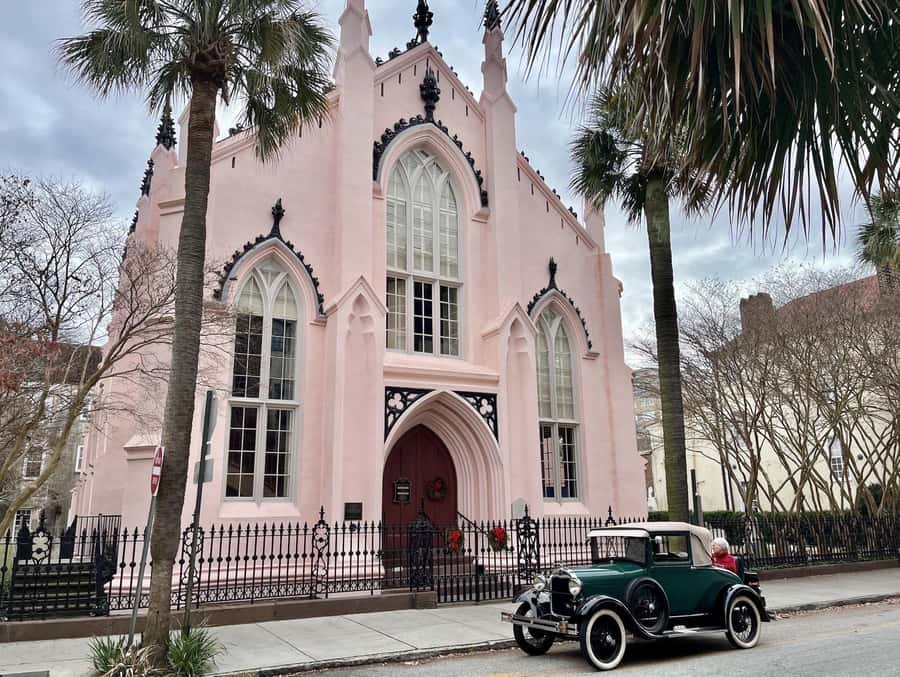
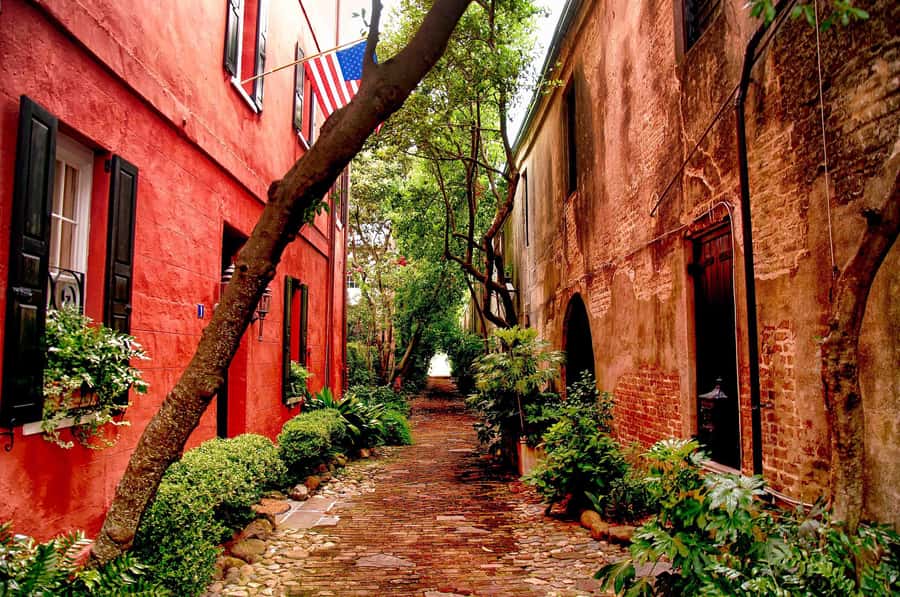
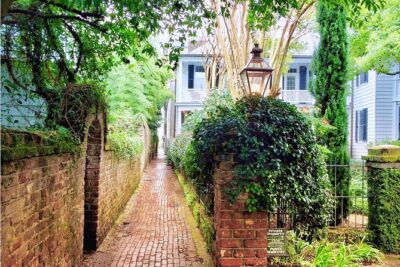
The signature part of the tour is the chance to visit three hidden alleys. These aren’t just narrow passages for fun—they’re a window into how Charleston buildings and property lines interact. When you step off the main streets and into these smaller corridors, you start to understand how the city stays elegant even at the in-between edges.
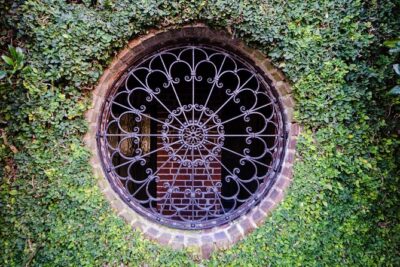
This is also where the tour’s detail level shows. You’ll be looking at beautiful wrought iron work on centuries-old gates, and the guide helps you read those iron details as part of the city’s identity. Ironwork becomes more than decoration. It becomes a clue to craftsmanship, privacy, and design choices that shaped everyday life.
One more thing: the best alley moments usually depend on you slowing down. Your feet will still move, but your eyes have to do the work. So I recommend you keep your phone away for a bit in the alleys and just look first. Then take pictures once you’ve understood what you’re seeing.
If you care about how historic cities evolve, this is also where the stories tend to land hardest. Several guides have been noted for storytelling that connects the physical place to people and events in a way that sticks. A guide named Page, for example, was highlighted for talking about the Gullah Geechee people—an important layer that adds depth beyond architecture alone.
Look up at more porches and piazzas on our other Charleston architecture tours.

Ending at the Pineapple Fountain: what to do next
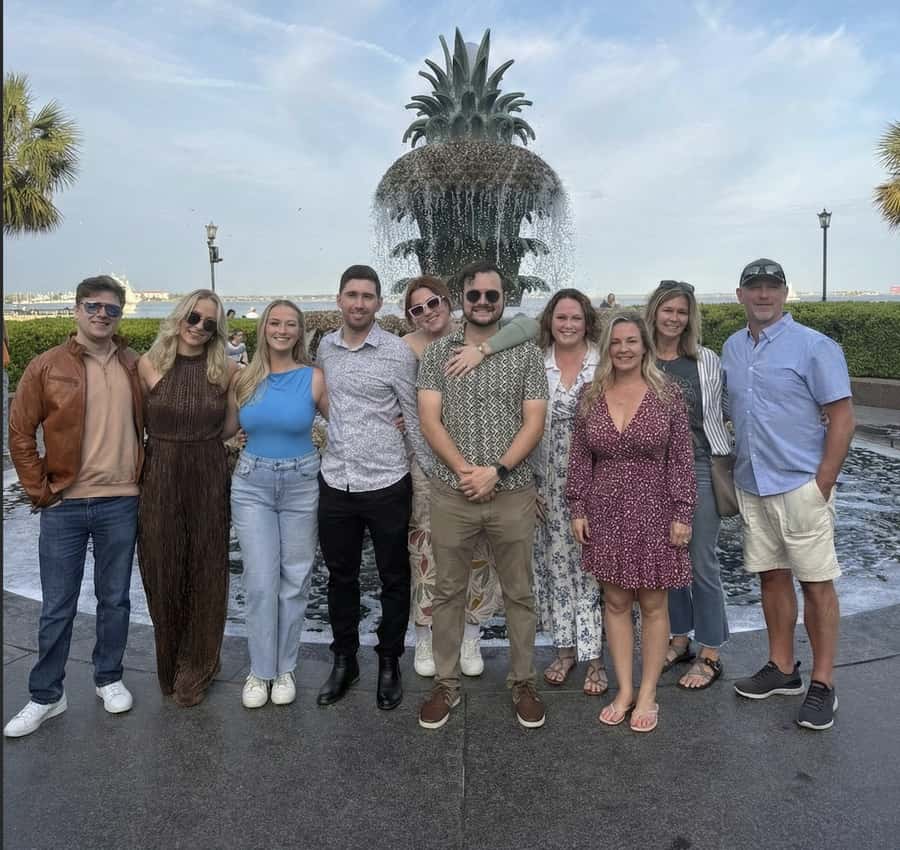
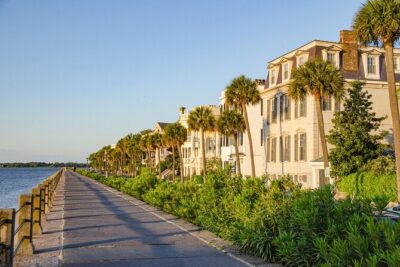
The walk finishes at the Pineapple Fountain, which is a fitting end point because it gives you a clear, easy-to-find location to regroup. It’s also a good moment to reset your bearings. By the time you reach the fountain, you’ll have walked about a mile through the historic core and learned how the streets connect.
From there, you’ll be better set up for independent time—whether that means hopping to more photography spots along Rainbow Row, grabbing a meal near City Market, or returning to St Michael’s area to take in the mood at a different hour. The tour helps you understand where you are and why the streets feel the way they do, so your solo wandering gets smarter.
One practical note: since the tour runs rain or shine, you may want a small plan for weather after. If it’s wet, you’ll appreciate finishing at a familiar landmark where you can quickly duck into a nearby café or shop.
Price, pace, and who should join
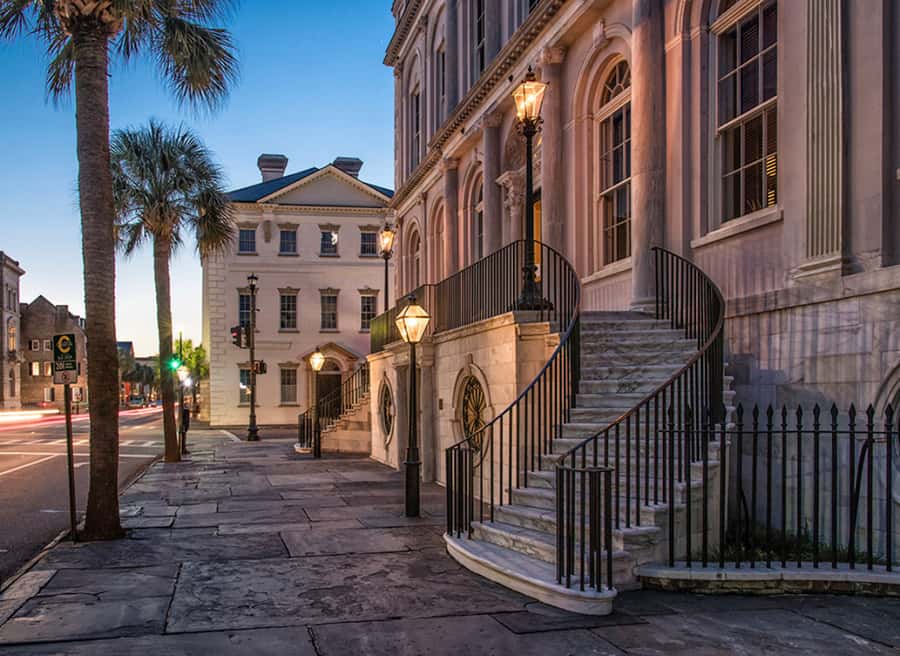
At $29 per person for 90 minutes, this is strong value if you want more than a quick overview. You’re paying for an expert local guide, a walking route through key historic areas, stops at major landmarks, and interior access to St Michael’s Church and additional buildings when available.
The pace is the right kind of relaxed for most people: it’s described as a leisurely stroll with frequent stops, and that structure helps you absorb architecture details instead of rushing past them. You should still plan on solid walking time, though. If you have difficulty with uneven sidewalks or need low-impact routes, consider whether this is the best fit—because it’s described as wheelchair accessible but also noted as not suitable for people with mobility impairments.
This tour is a great match if:
- You’re in Charleston for a short time and want an efficient route through the historic downtown
- You care about architecture details, not just sightseeing checkmarks
- You like stories that connect buildings to the people who lived around them
- You want a guide who will answer questions rather than recite a script
Should you book this Charleston history and architecture tour?
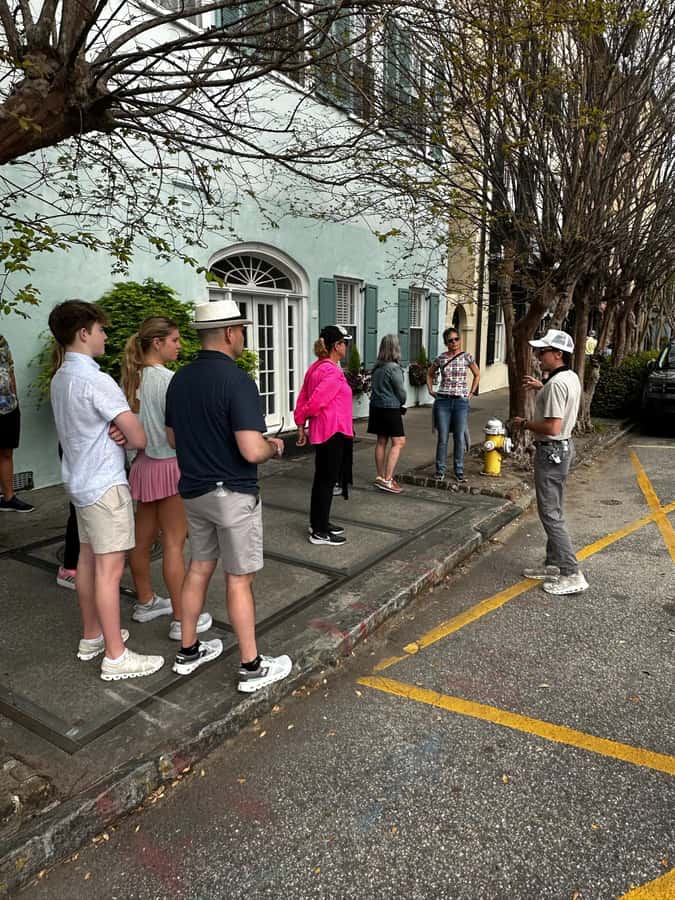
I’d book it if you want a guided way to understand Charleston’s design and stories in one practical walking loop. The combination of secret alleys, ironwork gate details, and the chance to see interiors at St Michael’s Church (plus Old Exchange and Dock Street Theatre when available) turns this from a standard “walk and look” into an experience with real takeaways.
Skip it or think twice if you want a mostly seated tour, or if your mobility needs make walking older streets tough. Otherwise, for the price and the time, it’s a smart way to get oriented fast—and it leaves you with a city you can actually navigate and remember.
FAQ
How long is the Charleston history and architecture guided walking tour?
The tour lasts 90 minutes and covers about one mile on a leisurely stroll with frequent stops.
Where is the meeting point for the tour?
Your guide meets you underneath the awning in front of the Charleston Tours & Activities windows. Guides typically arrive about 15 minutes early, so arriving around 10 minutes early helps with check-in.
What’s included in the tour?
You’ll get a guided walking tour with an expert local guide, visits to three secret alleys, and entrance to St Michael’s Church, Old Exchange Building, and Dock Street Theatre subject to availability.
Which landmark sights will I see?
The tour includes stops at Rainbow Row, City Market, and St Philip’s Church, plus interior access to St Michael’s Church and other landmark interiors when available.
Does the tour run if it rains?
Yes. The tour departs rain or shine.
Is the tour suitable for wheelchairs or mobility needs?
It is listed as wheelchair accessible, but it is also noted as not suitable for people with mobility impairments. If that applies to you, it’s worth confirming details with the provider before booking.
What should I bring, and what’s the cancellation policy?
Wear comfortable shoes and bring weather-appropriate clothing. The tour offers free cancellation up to 24 hours in advance for a full refund. The tour is priced at $29 per person, and there’s a reserve now & pay later option.
More Charleston Tours Worth Booking






More Architecture & Homes Tours in Charleston





More Historic District Walking Tours in Charleston



Still deciding? Here are the newest Charleston tours and experiences we have reviewed










Historic District Walking Tours, compared.
 ★ 5.0Historic Charleston Guided Sightseeing Walking TourFrom $306,216 reviews
 ★ 5.0Charleston Horse-Drawn Carriage Tour: Explore Historic CharlestonFrom $493,561 reviews
 ★ 4.5Ghosts of Charleston Night-Time Walking Tour with Unitarian Church GraveyardFrom $352,835 reviews
 ★ 5.0Hidden Alleyways and Historic Sites Small-Group Walking TourFrom $342,335 reviews
 ★ 5.0Highlights of Charleston Guided Walking Tour2,206 reviews
 ★ 5.0Charleston Haunted Booze and Boos Ghost Walking TourFrom $391,569 reviews
 ★ 5.0Charleston’s Pleasing Terrors Night-Time Walking Ghost TourFrom $291,345 reviews
 ★ 5.0Charleston historical walking tour with a Professor of History at The CitadelFrom $401,284 reviews
Browse the lists this tour appears in