
Reviewed · RAINBOW ROW & THE BATTERY
Charleston History: Battery, Rainbow Row, St. Michael Church
Charleston history walks better than you think. This 2-hour guided stroll threads colonial streets, churches, and quiet law-and-war landmarks, with big-picture stories that make places like Rainbow Row and the Battery feel personal.
What I love most is the way the guide, Eric, connects buildings to the people and decisions that shaped them, and the chance to step inside working landmarks when openings allow.
One thing to plan for: it’s a true walking tour on cobblestones, and interior access is subject to availability since churches and theaters are still in use.
In This Review
- Key highlights you’ll actually feel
- Where it starts: Washington Square Park and a quick sense of place
- Why the price feels fair for a walking tour at $39
- Old Exchange & Provost: the oldest surviving public building in South Carolina
- St. Michael’s Church and the working-church reality
- Rainbow Row: pastel houses with actual context
- The Dock Street Theatre: America’s first theater-designed building (if open)
- The Battery walk: where you understand the Civil War without overdoing it
- Four Corners of Law and why legal power feels physical
- Waterfront Park, live oaks, and the pleasant reset moments
- Philip Simmons ironwork and the skill behind the beauty
- Old Slave Mart Museum: the heavy part handled with care
- Stamina check: what to wear and how to make the most of the cobblestones
- Who should book this tour (and who might look elsewhere)
- Should you book Charleston History: Battery, Rainbow Row, St. Michael Church?
- FAQ
- How long is the Charleston History walking tour?
- What does the tour cost?
- Where do I meet the guide?
- Is there a chance to enter historic buildings?
- Which stops should I expect to see?
- Do I actually visit Fort Sumter?
- What kinds of stories will I hear?
- What’s included in the price?
- Is the tour in English?
Key highlights you’ll actually feel
- Eric the local guide ties architecture, politics, and Civil War moments into one easy story
- Old Exchange & Provost gets you into the oldest surviving public building in South Carolina (when included)
- Rainbow Row becomes more than photos, with details that help you understand the neighborhood’s past
- The Battery + Fort Sumter view from afar gives you context without needing a ferry day
- Dock Street Theatre and St. Michael’s Church can add real interior atmosphere when they’re open
- Haunted lore and legends are worked into the walk in a fun, human way
Where it starts: Washington Square Park and a quick sense of place
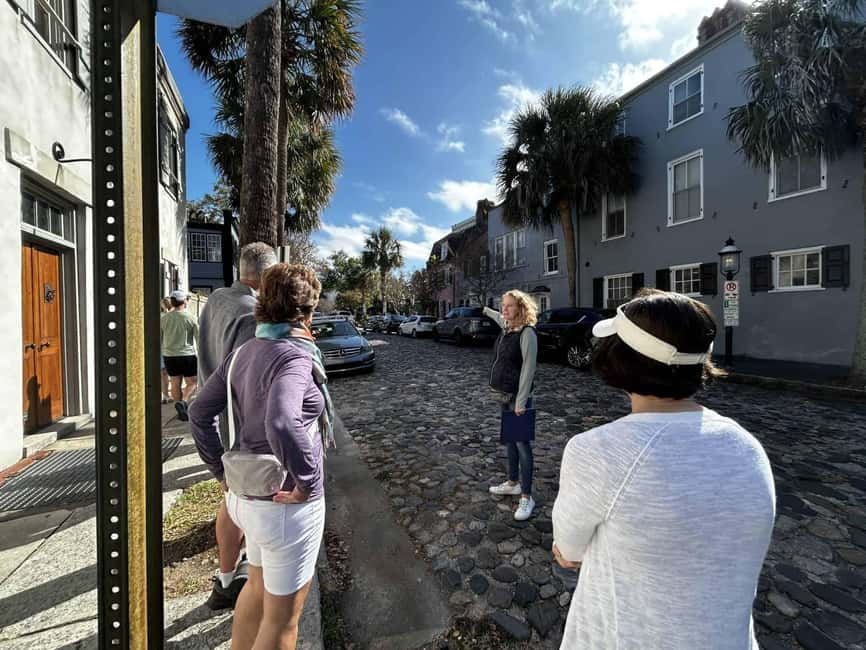
You begin inside Washington Square Park at 98 Meeting Street, right next to the statue of George Washington. It’s a smart start. You get trees, shade, and a calm little pause before the cobblestones and tight streets start moving under your feet.
This tour is built for first-time Charlestoners and people who only have a short window. In two hours, you’re not trying to do everything. You’re getting the spine of the historic district: the public buildings, the religious landmarks, the waterfront’s military importance, and the streets where laws and commerce collided.
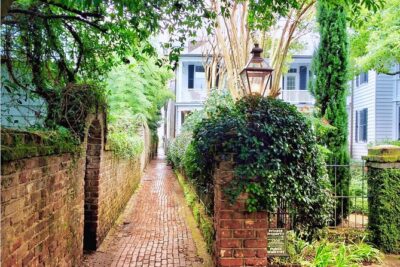
The guide runs it as a small-group walking experience. Expect you’ll cover the main sights plus a few less-obvious corners, including back alleys where the city’s layout tells its own story. And yes, you’ll hear stories from colonial times, through the Civil War, and into modern preservation—the three layers that make Charleston what it is.
Rainbow Row and the Battery turn up again in more Charleston walks.
- Charleston French Quarter or Brunch Food Tour with 7+ Tastings★ 5.0 · 1,853 reviews
- Historic Charleston Walking Tour: Rainbow Row, Churches, and More★ 5.0 · 691 reviews
- Private Charleston Walking Food Tour at the French Quarter★ 5.0 · 201 reviews
Why the price feels fair for a walking tour at $39
At $39 per person for a two-hour walk, the value comes from what you don’t get when you self-wander. You’re paying for a licensed, professional guide and for the chance to enter 1–3 historic buildings when access is available.
If you’re the type who likes to understand what you’re seeing—why a building is there, why that corner matters, why certain laws shaped daily life—you’ll likely feel good about the cost. If you mostly want a casual photo loop with zero context, then you might not feel the same payoff.
Also, Charleston isn’t huge, but the historic center is full of details. A good guide helps you spot what matters fast, so you don’t burn your time guessing.
Old Exchange & Provost: the oldest surviving public building in South Carolina
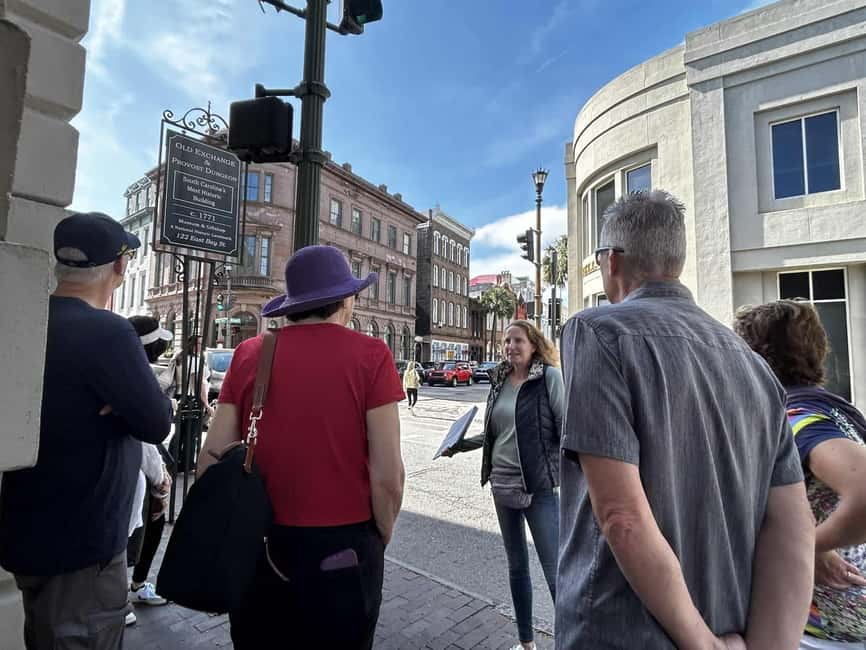
One of the most rewarding stops on this kind of route is the Old Exchange & Provost. This is the spot tied to the claim of being the oldest surviving public building in South Carolina, and it’s the kind of place you can’t fully understand just by staring at the outside.
When access is available, you’ll step inside and get a feel for how Charleston organized civic life. It’s also a building that fits the tour’s bigger theme: government and commerce were tied together, and the city’s authority was physical—built into stone and street-facing architecture.
What you’ll walk away with isn’t just trivia. It’s a clearer mental map of how Charleston functioned. That makes the later stops—churches, legal intersections, and Civil War storytelling—click into place.
St. Michael’s Church and the working-church reality
St. Michael’s Church is a centerpiece stop because it’s not just a landmark; it’s a living place of worship. If entry is possible, you’ll get that rare bonus of being inside rather than viewing from the edge of the sidewalk.
The important consideration here is simple: entrances are subject to availability. These are working churches, so plans depend on what’s happening. Even if you can’t enter, the exterior and the surrounding story still matter, because the tour’s approach links religious influence to civic life across centuries.
If you’re sensitive to atmosphere—like quiet reverence, respect for services, or just wanting to follow local rules—this stop is usually worth it. It’s also one of those moments where Charleston stops feeling like a postcard and starts feeling like an actual city.
Rainbow Row: pastel houses with actual context
Then comes the part most people recognize instantly: Rainbow Row. Yes, it’s gorgeous. But the value on this tour is the explanations that make the street more than a skyline background.
You’ll get a sense for why these homes look the way they do and how the neighborhood’s identity formed over time. The tour’s storytelling style helps you connect the architecture to the city’s layers—colonial foundations, later growth, and modern preservation.
One practical note: if you’re a photographer, this is a strong stop. Bring patience for angles and light, and don’t just snap from one spot. The street has viewpoints that work better depending on where you stand, and your guide can help you choose where to look.
Dig deeper into the past with more Charleston history tours.




The Dock Street Theatre: America’s first theater-designed building (if open)
Charleston gets theatrical in a historic way at Dock Street Theatre. The tour aims to visit it, with entry when possible. The claim here is that it’s America’s first building designed for theater performances, which gives you a concrete anchor for the city’s cultural evolution.
Even if you can’t enter, the stop adds a useful counterpoint to the usual history-only tour. Charleston wasn’t just war and governance. It also had arts, audiences, and a social rhythm that could bring people together.
If you do get inside, pay attention to how performance space affects how people gather. It’s a small detail, but it changes how you think about public life in the past.
The Battery walk: where you understand the Civil War without overdoing it
Walking along The Battery is the moment where the tour’s geography turns into history. The harbor views do the heavy lifting, and then the guide adds the Civil War context that makes those views meaningful.
Fort Sumter is a must for many history fans, and on this tour you see it from afar, not as a full ferry-and-ticket day. That works well if you want the story connected to where you stand, without turning your vacation into a logistics problem.
As you walk, you’ll also talk through the role of artillery along this kind of coastline. It’s one thing to read about a battle; it’s another to stand where the strategic thinking had to be clear.
Bring your eyes outward, not just downward at your footing. You’ll be on cobblestones, but the payoff is the way the waterfront explains why Charleston mattered.
Four Corners of Law and why legal power feels physical
You’ll also hear about the Four Corners of Law—an intersection where local, state, federal, and church laws meet. This is one of those stops that sounds abstract until the guide explains how law shapes real daily life.
What I like about this part is that it pushes beyond war dates and pretty buildings. It tells you that Charleston wasn’t governed by one simple rule. Different authorities overlapped, and that overlap shaped civic behavior—who had power, who enforced it, and where people felt it.
It’s also a great reminder for you as a visitor: the city’s design isn’t random. Streets, corners, and public landmarks reflect who had authority and how that authority was practiced.
Waterfront Park, live oaks, and the pleasant reset moments
As the route moves forward, there are small breathing spaces built in, including Waterfront Park and Washington Square itself. These stops matter because Charleston history gets intense if you rush it.
At Washington Square, you’ll notice the live oaks, statues, and plaques that work like an outdoor textbook. It’s a practical moment too. If your feet are getting sore, this is where you catch your breath while the guide points out what to look for next.
And because the tour starts in this park, it also gives you continuity. You’re not constantly starting over with a new place; you’re building a mental map as you go.
Philip Simmons ironwork and the skill behind the beauty
Another meaningful stop is Philip Simmons Iron Work. This is where the tour shifts from big civic themes to craft—and craft is part of the city’s identity.
You’ll get the chance to see ironwork pieces up close and learn about Simmons, an iconic artisan known for intricate ironwork. For me, that kind of detail makes Charleston feel less like a museum and more like a living tradition.
It also gives you a different angle for your photos. Instead of only wide streets and building fronts, you can focus on textures—iron patterns, gates, and small visual rhythms that make historic Charleston look the way it does.
Old Slave Mart Museum: the heavy part handled with care
The route includes the Old Slave Mart Museum, which is a poignant stop in the tour’s overall arc. This isn’t just about seeing a landmark. It’s about understanding that Charleston’s story includes brutal exploitation, and that the city’s history can’t be told honestly without naming that reality.
On this part of the walk, expect the tone to shift. The guide’s job here is to connect what you’re seeing to the lives of enslaved people and how that history shaped Charleston and the wider American story.
If you’re short on time, this is still a stop worth making. It’s not a quick photo moment. It’s a moment that changes how the rest of the tour lands.
Stamina check: what to wear and how to make the most of the cobblestones
This is a walking tour, and it crosses cobblestone streets and tight areas. Wear shoes you trust for uneven ground. Charleston is pretty, but it can be slippery in spots, and cobbles punish the wrong sole.
Also, plan for the fact that you’ll be walking through active parts of downtown where streets are crowded. Your guide can help you manage the flow, but you’ll still want to keep your pace steady and your attention up.
If you like questions, bring them. The guide encourages questions, and that’s a big reason this tour earns strong scores. You’ll likely want to ask about architecture details, the way laws worked, or how the Civil War story fits the specific spots you’re standing on.
Who should book this tour (and who might look elsewhere)
This tour is ideal if you want a clear, chronological-feeling walk through the key historic anchors: Rainbow Row, The Battery, St. Michael’s area, and the big civic and cultural buildings.
It’s also a good pick if you love architecture and want stories that explain more than what something looks like. The route is built to give you a first-pass understanding so you can return later and explore on your own with better instincts.
You might consider something else if:
- you want a long, sit-down museum day instead of a walking tour
- you’re not interested in stories that touch slavery and the Civil War
- you struggle with standing and walking on cobblestones
Should you book Charleston History: Battery, Rainbow Row, St. Michael Church?
If you’re trying to get your bearings fast in Charleston, I’d book it. For $39 and two hours, the mix of architecture, civic history, church life, and waterfront Civil War context is a strong value. The best part is the guide’s storytelling style—Eric brings the city into focus so you’re not just collecting stops, you’re building understanding.
One final practical thought: since interior access depends on what’s open, go in with flexibility. When entries are available, they add real atmosphere. When they aren’t, the exterior and the stories still keep the tour moving in a useful, memorable direction.
FAQ
How long is the Charleston History walking tour?
It’s a 2-hour walking tour.
What does the tour cost?
The price is $39 per person.
Where do I meet the guide?
The tour meets inside Washington Square Park (98 Meeting Street). Look for your guide next to the statue of George Washington.
Is there a chance to enter historic buildings?
Yes. The tour includes entrance inside 1–3 historic buildings, but entrances are subject to availability.
Which stops should I expect to see?
You’ll pass key Charleston sites such as Rainbow Row, The Battery, Washington Square, and stops that may include St. Michael Church, Old Exchange & Provost, Dock Street Theatre (when open), and other nearby historic landmarks.
Do I actually visit Fort Sumter?
You see Fort Sumter from afar while walking along The Battery.
What kinds of stories will I hear?
The tour covers Charleston’s history from colonial times to the Civil War, plus modern preservation, and it includes local legends and lore.
What’s included in the price?
Included are a professional, licensed tour guide and the 2-hour walking tour, with entrance into 1–3 historic buildings if access is available.
Is the tour in English?
Yes, the tour is in English.
More History Tours in Charleston






More Charleston Tours Worth Booking



More Rainbow Row & Battery Walks in Charleston






Still deciding? Here are the newest Charleston tours and experiences we have reviewed











Rainbow Row & The Battery, compared.
 ★ 5.0Charleston French Quarter or Brunch Food Tour with 7+ TastingsFrom $1081,853 reviews
 ★ 5.0Historic Charleston Walking Tour: Rainbow Row, Churches, and MoreFrom $40691 reviews
 ★ 5.0Private Charleston Walking Food Tour at the French QuarterFrom $370201 reviews
 ★ 4.0Self-Guided “The French Quarter Charleston” Solo Walking TourFrom $935 reviews
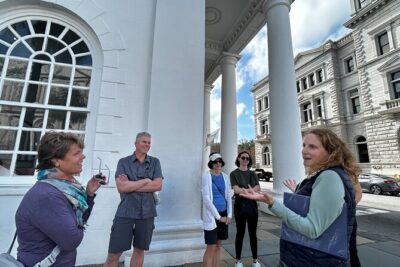 ★ 5.0Historic Charleston: The Battery, Rainbow Row, St. Michael Church26 reviews
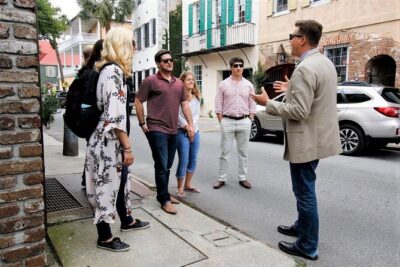 ★ 5.0Charleston City Walking Tour with Edmondston-Alston House AdmissionFrom $5012 reviews
 ★ 5.0White point Battery and River Run through Charleston Harbor BoatFrom $1999 reviews
Browse the lists this tour appears in