
Reviewed · HISTORIC DISTRICT WALKING TOURS
Historic Charleston: The Battery, Rainbow Row, St. Michael Church
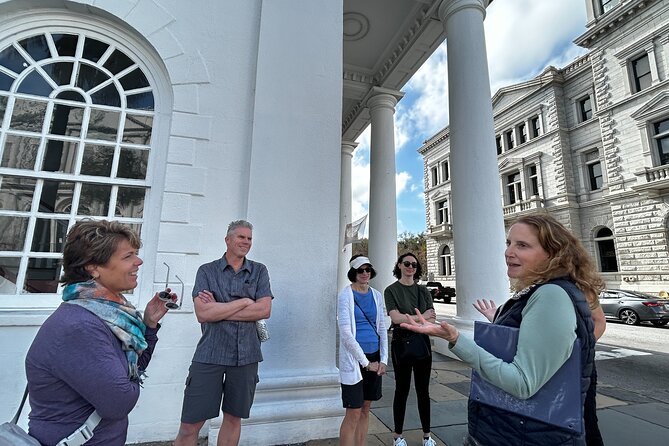
Charleston works fast on your senses. In about two hours, you’ll trace key stops—St. Philip’s, St. Michael’s, Rainbow Row, Washington Square, The Battery, and more—using a guided route that connects buildings to the people and power behind them. It’s a practical way to get oriented without cramming in a full day of museum-hopping.
Two things I really like: first, the live commentary is built to make each stop feel connected, not like random photo stops. Second, the pace stays relaxed enough that you can actually look closely—then catch the big views at Rainbow Row and along The Battery without feeling rushed.
One thing to consider: because you’re dealing with working churches, access can vary, so entrances may be limited based on what’s going on that day. Even the Dock Street Theater visit can depend on availability, so keep a flexible mindset.
In This Review
- Key highlights you’ll feel on this walk
- Start at Washington Square: where the walk gets its rhythm
- St. Philip’s Church on Church Street: steeple, organ, and the graveyard context
- St. Michael’s Church and its Tiffany windows: oldest surviving structure energy
- Four Corners of Law: a tiny stop with a big power lesson
- Rainbow Row: pastel homes that reward patience
- Dock Street Theater: America’s first theater building (and why it matters)
- Washington Square: a calm pause under live oaks
- The Battery: harbor views with artillery and grand mansions
- Old Slave Mart Museum: when the walk turns to truth
- What makes the guide experience feel worth it
- Price and value: what you get for your time
- Who this tour suits best
- Should you book this Charleston walk?
- FAQ
- How long is the tour?
- Where does the tour start and where does it end?
- What’s included in the ticket?
- Are the churches open for entry?
- Is the tour offered in English?
- How big is the group?
- Is service allowed?
- Is there a refund if plans change?
Key highlights you’ll feel on this walk
- Small group (max 20), which usually means more questions and fewer “stand here and watch” moments
- Historic churches with notable features like St. Michael’s Tiffany stained glass and St. Philip’s famous steeple
- Rainbow Row and The Battery timed as quick breaks for photos and harbor views
- Four Corners of Law, a short stop that explains a big idea about how authority worked in Charleston
- Dock Street Theater entry included, giving you more than just an outside look
Start at Washington Square: where the walk gets its rhythm
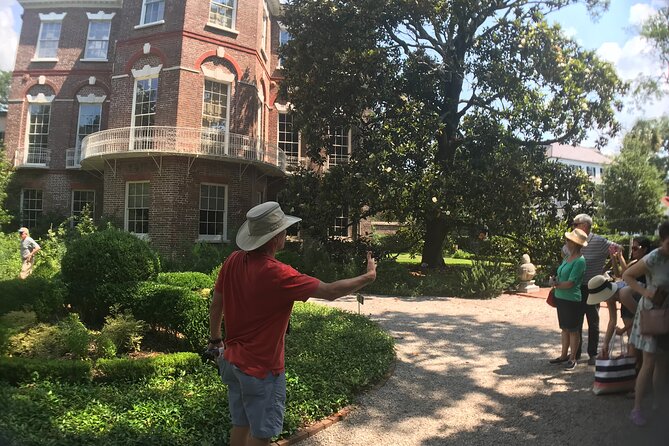
Your tour begins at Washington Square, 80 Broad St, and it ends back near the same meeting point. Starting here makes sense because you’re already in the thick of central Charleston, with lots of sights in a compact area.
This is a 2-hour walking experience, so wear shoes you trust. The route is manageable for most people, but you will be on your feet. I also like that the group stays limited—20 or fewer—because it keeps the guide’s focus tight and makes it easier to hear the story without yelling over the crowd.
Trade one set of cobblestones for another with more Charleston walking tours.
- Historic Charleston Guided Sightseeing Walking Tour★ 5.0 · 6,216 reviews
- Charleston Horse-Drawn Carriage Tour: Explore Historic Charleston★ 5.0 · 3,561 reviews
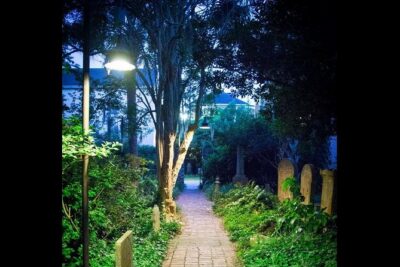
- Ghosts of Charleston Night-Time Walking Tour with Unitarian Church Graveyard★ 4.5 · 2,835 reviews
St. Philip’s Church on Church Street: steeple, organ, and the graveyard context
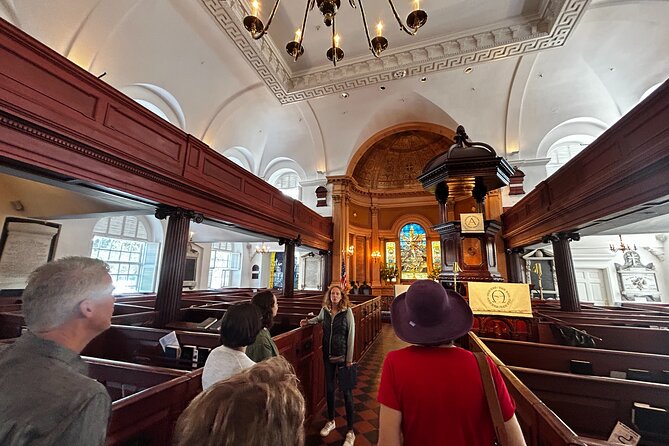
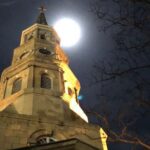
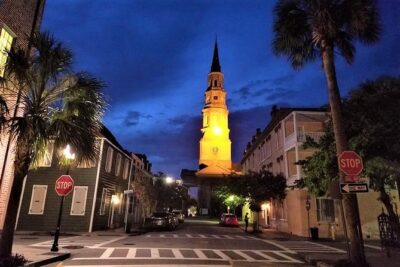
St. Philip’s Church sits on Church Street and it’s one of those landmarks you recognize even before you fully zoom in. Completed in 1836, the steeple is famous for being visible for miles, which tells you right away Charleston loved visible markers of faith and status.
Inside, you’re looking at a grand interior and a treasured organ, but the real payoff comes when the guide connects what you’re seeing to what’s around it. The graveyard matters here. It isn’t just names on stones—it’s a window into notable people linked to Charleston’s story, and it helps you understand how the city kept memory close.
This stop is about 5 minutes, and admission is free. One practical note: since this is a working church, access to interior areas can depend on availability.
St. Michael’s Church and its Tiffany windows: oldest surviving structure energy
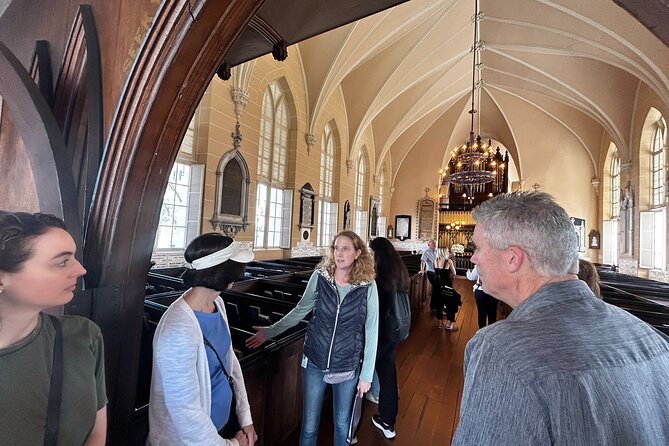
Next is St. Michael’s Church, famous for two big reasons: the towering spire and its Tiffany stained-glass windows. You don’t need an art history degree to feel the impact once the light hits those colors.
The structure dates to 1752, and it’s known as the oldest surviving religious structure in Charleston. There’s also a historical thread the guide weaves in: the church was once frequented by historical figures including George Washington and Robert E. Lee. That doesn’t mean the building is just a backdrop for famous names—it helps explain why the place carried weight in public life, not only private worship.
Again, this is a working church. You might see the buildings and learn a lot from the areas open to the public, but entrance can be limited based on what’s happening with the congregation. Plan for a quick stop—about 5 minutes—and treat it as a chance to notice details, not rush through them.
Four Corners of Law: a tiny stop with a big power lesson
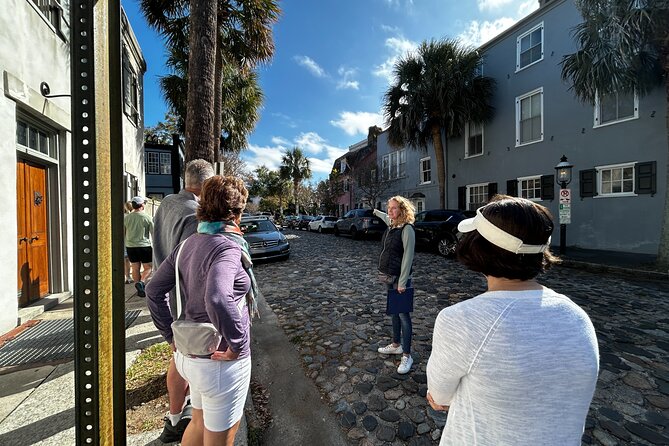
The Four Corners of Law is quick—around 5 minutes—but it hits hard in a smart way. You’re standing at the unique intersection where local, state, federal, and church laws overlap.
That’s an unusual idea to encounter on a walking tour, and it changes how you think about Charleston. It’s not just architecture and scenic streets. It’s governance, authority, and how different types of power touched daily life. When the guide explains what those overlapping jurisdictions meant, the city stops feeling like a postcard and starts feeling like a system—complex, sometimes conflicting, and deeply human.
Rainbow Row: pastel homes that reward patience
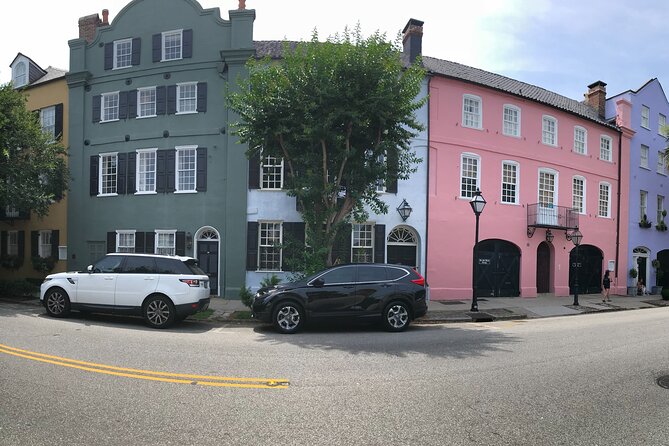
Then comes Rainbow Row, the postcard-famous line of pastel historic homes that photographers love for good reason. This is another 5-minute stop, so you won’t have time to make it your entire project. But you will have enough time to take a couple of good shots and actually look at the building rhythm—windows, porches, and the way the color changes with the light.
This is also the kind of moment where your guide’s framing helps. Instead of only pointing at “the pretty houses,” the guide ties them into the broader Charleston story so you understand why these buildings still matter.
Admission here is free, and the stop is short. If you want the best photos, show up ready to pause—don’t wait until the last minute, because the group moves.
Rainbow Row and the Battery turn up again in more Charleston walks.


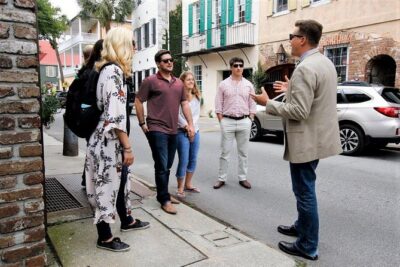

Dock Street Theater: America’s first theater building (and why it matters)
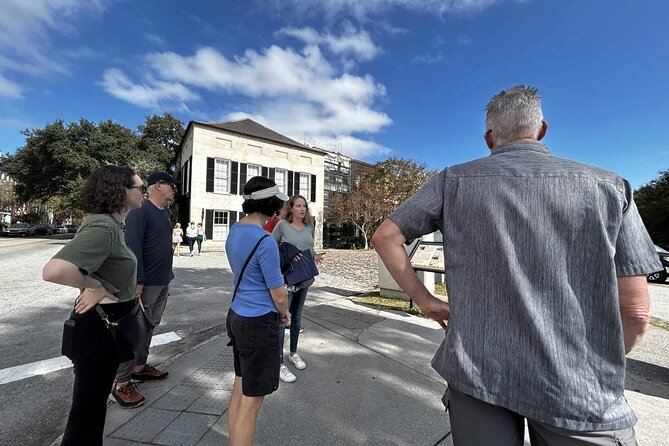
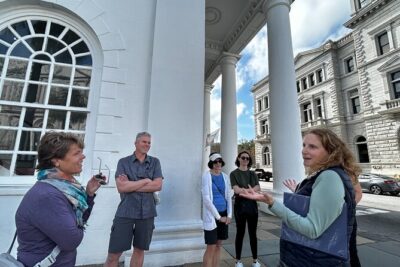
Dock Street Theater is one of the most fun “culture surprise” stops in this walk. You’re looking at America’s first building designed for theatrical performances, and the tour gives it context so it doesn’t become just a trivia fact.
Entrance is included with the tour, but it’s still subject to availability. The stop lasts about 10 minutes, which is just enough time to take it in—especially because theaters aren’t just walls. You’re learning what this space was built to do: gather people, shape public taste, and turn performance into something the city could share.
If you like history you can feel—places where people once sat, watched, laughed, and reacted—this stop is a highlight.
Washington Square: a calm pause under live oaks
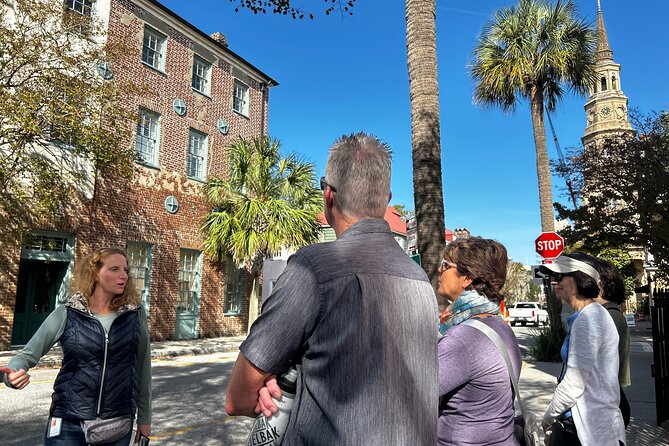
After the more structured historic stops, Washington Square brings a different pace. Think shade, statues, plaques, and that soft “sit with it for a minute” feeling.
You’ll spend about 10 minutes, and the focus is on the live oaks and the carefully preserved, park-like setting in the heart of the city. There are also statues and plaques that help translate the surrounding streets into stories—people, events, and the meaning of place.
This is a great breather. Even if you’re pushing through a tight travel schedule, this is one of those spots that helps your brain reset so the next historical stop lands better.
The Battery: harbor views with artillery and grand mansions
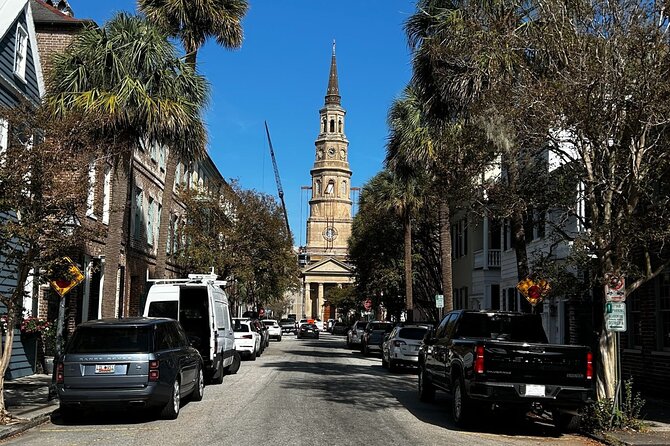
Finally, the walk leans into scenery at The Battery. Expect stunning views over the Charleston harbor, plus a promenade lined with historic artillery and stately mansions. It’s a classic “walk and photograph while learning” section of the city.
This stop is about 10 minutes, and it’s completely free. The key here is to treat it like two experiences in one: first, enjoy the view. Second, pay attention to the historical markers—because artillery and mansions aren’t random decorations. They hint at Charleston’s relationship with defense, wealth, and power along the water.
If it’s windy or rainy, you’ll still likely find it worth it. A good guide helps you keep moving and keeps the stories steady even when the weather tries to steal the show.
Old Slave Mart Museum: when the walk turns to truth
One part of this experience doesn’t let you stay in comfortable sightseeing mode. The tour includes time to see the Old Slave Mart Museum, described as a poignant reminder of a troubled past.
You’ll get insight into the lives of enslaved people and their resilience, and you’ll connect how this local story fits into the larger American narrative. This isn’t trivia or a quick stop for a photo op. It’s a moment where a guided explanation matters, because the meaning is bigger than the walls.
If you’re sensitive to heavy topics, give yourself permission to slow down. I find the value here is not rushing through pain, but letting the information land so it changes how you view the rest of Charleston.
What makes the guide experience feel worth it
The strongest theme from this kind of walk is the guide. One name that shows up in the experience is Eric, praised for tying events together and answering questions clearly. Another note calls out Erik, with the same vibe: friendly, patient pacing, and in-depth storytelling tied to what you can see in front of you.
That matters because Charleston history can feel like a blur of dates and names if nobody stitches it into a coherent picture. A good guide helps you connect: religion and architecture, law and power, culture and public life, beauty and the realities underneath it.
Also, the pace is often described as leisurely, which is exactly what you want for a city like this. You’re not sprinting between stops. You’re walking, looking, listening, and occasionally getting a moment to just enjoy the view.
Price and value: what you get for your time
Even without knowing a specific dollar amount, you can judge value by what’s included. You’re getting a licensed professional guide, live commentary, and a 2-hour guided walk that concentrates multiple major Charleston sites into a single route.
Most stops are free to visit in general terms, while Dock Street Theater includes admission as part of the experience. Churches like St. Philip’s and St. Michael’s are also free in terms of admission, but interior access can depend on availability because they’re active congregations.
So the value equation looks like this:
- You pay for the guide and structure, not just entrances
- You gain context that you’d likely miss if you walked it alone
- You accept a small amount of uncertainty around entry timing at working sites
If that trade-off sounds fair to you, this is a strong way to spend a short stay.
Who this tour suits best
This is a smart fit if you:
- want a first-time orientation to central Charleston
- like architecture and want it explained in plain language
- want a route that mixes beauty with accountability, not just pretty streets
- prefer a small group over a large bus tour
It’s also a good pick if your schedule is tight and you don’t want to plan a route across multiple neighborhoods. With the start at Washington Square and the stop sequence staying close, it keeps your energy for sightseeing.
If you need extra time due to mobility limits, you can still consider it, since the tour is described as doable for most travelers. Just bring supportive shoes and expect a normal walking pace.
Should you book this Charleston walk?
If you want a guided introduction that hits the big signatures—Rainbow Row, The Battery, and two major churches—this is easy to recommend. The experience gets especially strong when the guide connects the dots, and when the pacing gives you time to see what’s in front of you.
The only real reason not to book is if you dislike uncertainty around access at working churches or if you prefer long, unstructured museum time. This is a walking tour first. It’s built to move, even when it stops at heavier places like the Old Slave Mart Museum.
FAQ
How long is the tour?
It runs for about 2 hours.
Where does the tour start and where does it end?
It starts at Washington Square, 80 Broad St, Charleston, SC 29401, and it ends back at the meeting point.
What’s included in the ticket?
You get a mobile ticket, live commentary, and a professional licensed tour guide. Dock Street Theater entry is included, and access to up to 1–3 historic church sites is included but subject to availability.
Are the churches open for entry?
The churches are working congregations, so entrance is subject to availability even though admission is free.
Is the tour offered in English?
Yes, it’s offered in English.
How big is the group?
The tour has a maximum of 20 travelers.
Is service allowed?
Yes, service animals are allowed.
Is there a refund if plans change?
You can cancel for a full refund up to 24 hours before the experience starts. If you cancel within 24 hours of the start time, the amount paid is not refunded.
More Charleston Tours Worth Booking





More Rainbow Row & Battery Walks in Charleston






More Historic District Walking Tours in Charleston

Still deciding? Here are the newest Charleston tours and experiences we have reviewed









Historic District Walking Tours, compared.
 ★ 5.0Historic Charleston Guided Sightseeing Walking TourFrom $306,216 reviews
 ★ 5.0Charleston Horse-Drawn Carriage Tour: Explore Historic CharlestonFrom $493,561 reviews
 ★ 4.5Ghosts of Charleston Night-Time Walking Tour with Unitarian Church GraveyardFrom $352,835 reviews
 ★ 5.0Hidden Alleyways and Historic Sites Small-Group Walking TourFrom $342,335 reviews
 ★ 5.0Highlights of Charleston Guided Walking Tour2,206 reviews
 ★ 5.0Charleston Haunted Booze and Boos Ghost Walking TourFrom $391,569 reviews
 ★ 5.0Charleston’s Pleasing Terrors Night-Time Walking Ghost TourFrom $291,345 reviews
 ★ 5.0Charleston historical walking tour with a Professor of History at The CitadelFrom $401,284 reviews
Browse the lists this tour appears in