
Reviewed · HISTORICAL TOURS
Charleston: 2-Hour Strong Women of the South History Tour
Charleston history has a new angle. This Strong Women of the South History Tour reframes the city by spotlighting the founding women and the women of every color who shaped Charleston’s “Great American Dream,” from the street level to the stories people tried to bury. I love how the tour makes you look at familiar places with new context, not just names on plaques.
I also like the concrete, hands-on stops—especially the Philip Simmons House and its ironwork, plus the architectural feel of Harleston Village. The “women built this city” focus is the point, and the route keeps bringing it back in a way that’s easy to follow.
One possible drawback to consider: this is a story-driven, guide-led experience. If your guide doesn’t cover all the promised highlights with enough time for the indoor admissions, you may feel like you paid for more than you got.
In This Review
- Key things I’d circle on your Charleston map
- Enter Old Charleston Jail and start with a hard hook
- The women’s power theme is the real itinerary
- Philip Simmons House: ironwork you’ll never forget
- The Old Maids route: activists, printers, madams, makers
- Harleston Village: architecture as a clue to social power
- Halsey Gallery of Contemporary Art: past and present in the same breath
- What I’d expect from the guide (and how to judge it fast)
- Price and value: is $37 for 2 hours fair?
- Who this tour suits best (and who should pick something else)
- Tips, rain, and simple comfort planning
- Final call: should you book the Strong Women of the South tour?
- FAQ
- Where does the tour meet?
- How long is the Charleston Strong Women of the South History Tour?
- Is the tour rain or shine?
- What is included in the ticket price?
- How much does it cost?
- Is the tour wheelchair accessible?
- What language is the tour in?
- Are tips included?
- Do tickets support any charitable causes?
Key things I’d circle on your Charleston map
- A women-first storyline that pushes past the usual Charleston script
- Philip Simmons House ironwork as a centerpiece, not a footnote
- Harleston Village architecture that helps you “see” the past through design
- The Old Maids stop—activists, printers, artisans, madams, shopkeepers, plantation owners
- Myth-busting about Southern femininity and slavery told in a more contemporary voice
- $1 per ticket donated to the Halsey Contemporary Art Foundation and the Philip Simmons Foundation
Enter Old Charleston Jail and start with a hard hook
This tour meets at the front of the Old Charleston Jail on Magazine Street (21 Magazine Street). That location matters. Charleston’s history can feel tidy and curated when you’re just shopping or snapping photos. Starting at a jail puts you in the real machinery of a city—rules, punishment, control—right away.
From there, the tour kicks off at the alleged execution site of America’s first female serial killer. Even if you’re not a true-crime person, it works as a jolt. You’re forced to pay attention early, and you quickly learn this isn’t a soft, postcard-only version of the past. It’s history with teeth, and then it pivots toward the women who lived inside that same world—some celebrated, some erased, some criminalized, some commercial, some political.
What I like here is the pacing philosophy. You don’t start with “once upon a time.” You start with power—how it’s used, how it’s taken, and who gets to tell the story afterward. That sets you up for the rest of the walk, which is much more than a long explanation.
Dig deeper into the past with more Charleston history tours.
- Charleston’s Old South Carriage Historic Horse & Carriage Tour★ 5.0 · 10,023 reviews
- Historic Charleston Guided Sightseeing Walking Tour★ 5.0 · 6,216 reviews
- Charleston Horse-Drawn Carriage Tour: Explore Historic Charleston★ 5.0 · 3,561 reviews
The women’s power theme is the real itinerary
A typical city tour tries to cover a lot of landmarks quickly. This one has a different mission: it’s Charleston history through women’s contributions, framed around the founding mothers and women of every color who contributed to the Great American Dream. The tour also makes a point that Charleston was once owned and controlled by women—so you’re not just learning “who did what,” you’re learning who held leverage and how that changed what the city became.
You’ll hear stories that intentionally smash common myths, like the fainting Southern Belle, the woman behind the man, and the idea of chattel slavery being some distant abstraction. Instead, you get the human logic: women organized, worked, sold, published, built, resisted, and ran businesses inside systems that often tried to shrink their choices.
And rather than keeping everything in museum-tones, the tour uses contemporary voice and framing to keep it understandable. That’s not the same thing as being casual. It’s more like translation—making older, complicated lives legible without turning them into a simple moral.
Philip Simmons House: ironwork you’ll never forget
If you care about craft, this stop is a standout. The tour highlights the iron works at the Philip Simmons House, and once you’re there, you see why it’s a key part of the experience. Ironwork in Charleston isn’t just decoration; it’s design, skill, and identity. It also reflects the kind of labor that shaped the physical city as much as politics and money did.
This is one of those moments where the tour’s concept becomes visual. The theme is women’s strength. The ironwork is strength you can touch with your eyes—fences, details, and forms that show intention rather than accident.
The tour includes admission to the Philip Simmons House, so you’re not only peeking from the sidewalk. That makes a difference for value: you’re paying for access and interpretation, not just walking past.
Practical note: plan for some standing and looking. It’s not a sit-and-watch lecture. You’ll want good walking shoes, and if it’s hot or sunny, bring something to protect your head.
The Old Maids route: activists, printers, madams, makers
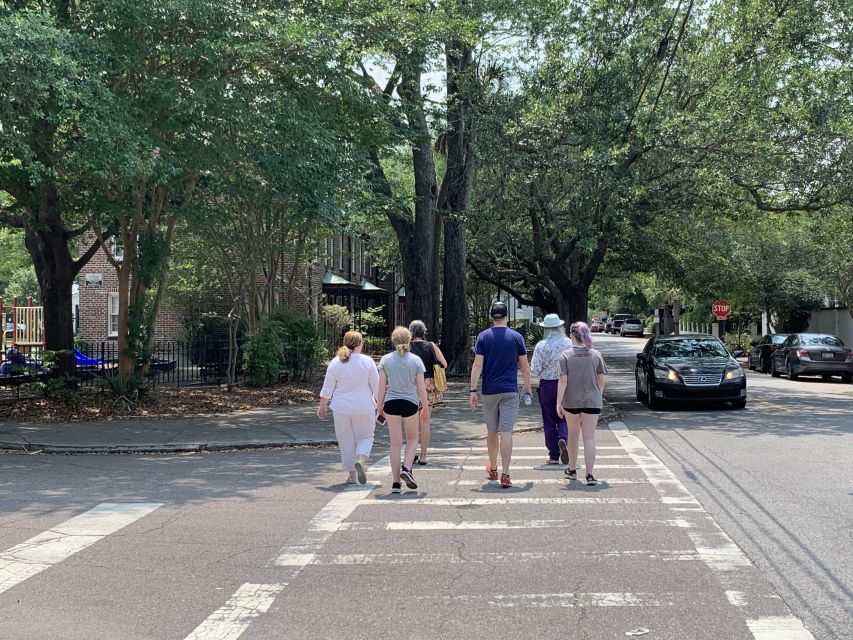
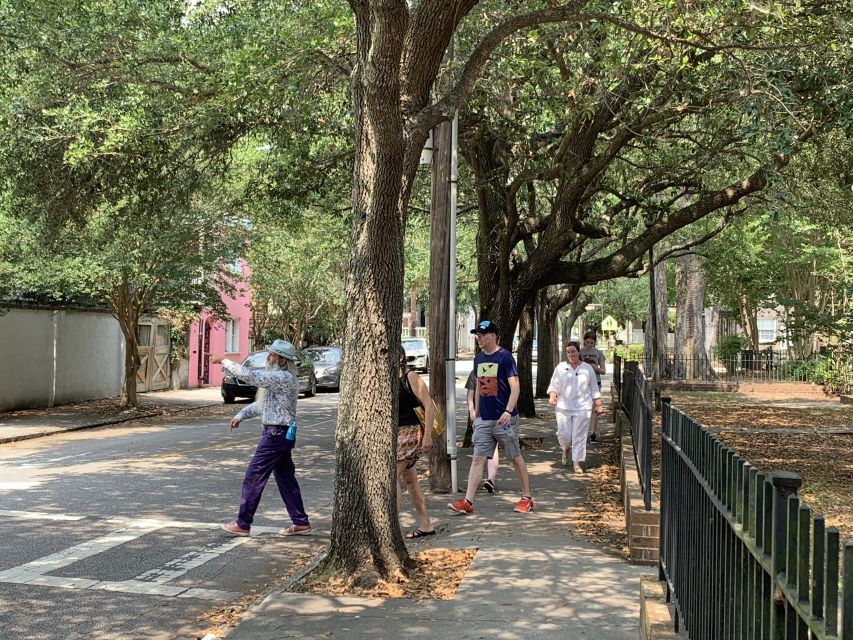
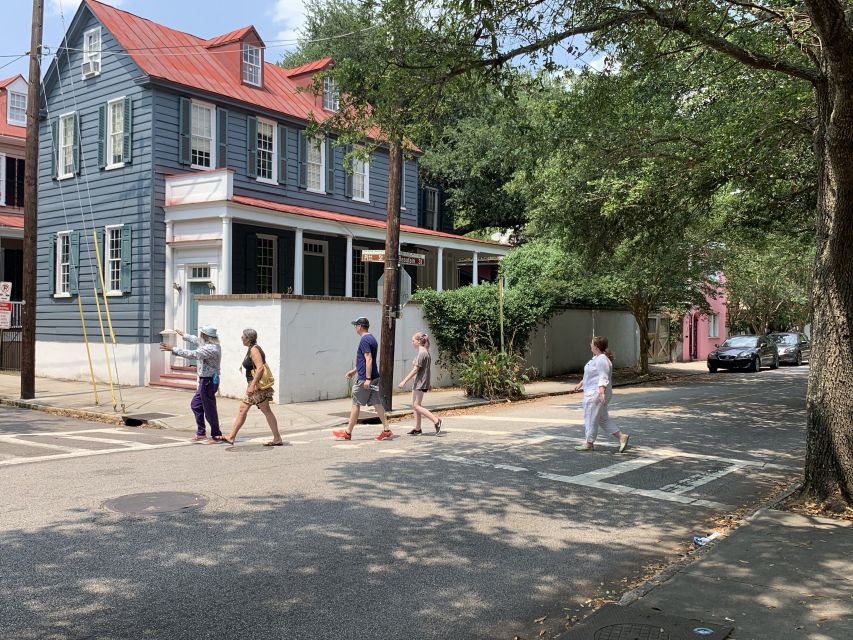
One of the most interesting parts of the walk is the section focused on the “Old Maids.” The tour takes you to homes and sites tied to these women—activists, printers, artisans, madams, shopkeepers, and plantation owners—so you can see how many different kinds of influence existed in one city.
This is where the tour feels different from the standard “great women” storytelling. It doesn’t only highlight easy, inspirational examples. Instead, it shows women moving through the real categories that history used: business owners and workers, public voices and private decision-makers. Some were crafting networks. Some were selling goods. Some were running complicated lives inside a society with strict expectations.
The payoff is perspective. When you walk past a home or a shop, you start asking better questions: Who lived here and made money? Who wrote the text? Who printed the material? Who negotiated with others? Who had leverage, and who had to improvise?
The downside to a story-heavy walk is that it asks you to stay mentally switched on. If you drift into sightseeing mode too early, you might miss the connections the guide keeps returning to. But if you’re the type who likes to “read” a neighborhood as you walk, this section will click.
Harleston Village: architecture as a clue to social power
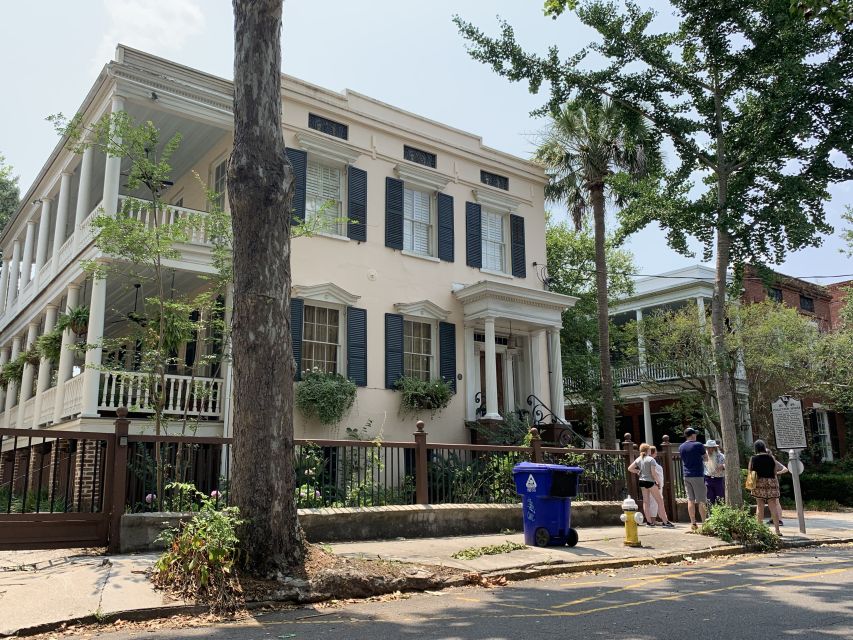
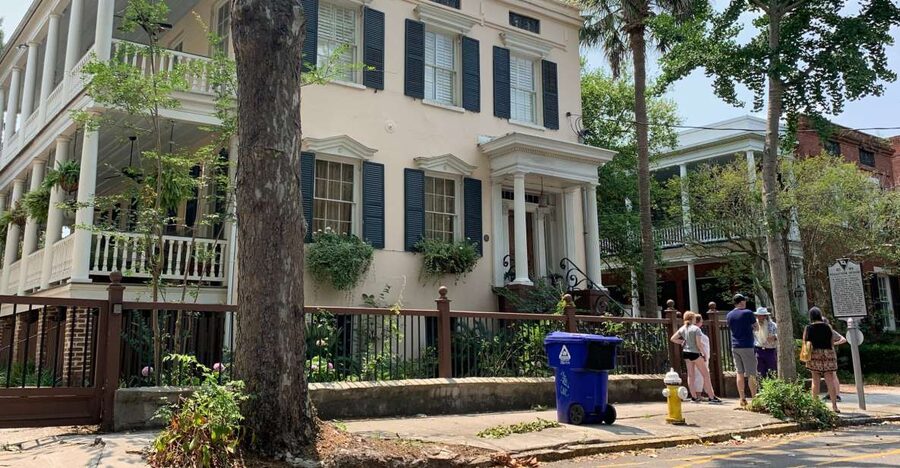
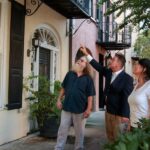
The tour also has you admire the architecture of the Harleston Village Neighborhood. That’s not an offhand photo stop. It matters because buildings record social choices—wealth, neighborhood design, streetscape logic, and what people believed was worth showing.
When the tour is working well, the architecture section turns into a bridge between “story” and “place.” You start to notice how a city’s layout and design can hint at class and opportunity. Even if you’re not an architecture nerd, you’ll likely find yourself looking at details—windows, façades, rhythm—because the guide is tying them back to the tour’s women-first theme.
This is also a good moment to slow down and actually look. Two hours goes fast, and Charleston can tempt you to multitask. Try to let Harleston Village be its own mini lesson.
A few more Charleston tours worth a look before you go.


Halsey Gallery of Contemporary Art: past and present in the same breath
One of the included upsides is admission to the Halsey Gallery of Contemporary Art. That matters because it keeps the tour from feeling like a closed-book history assignment.
You’ll likely leave thinking about why a contemporary art space is part of a women’s history walk. The connection is simple: history isn’t only about what happened. It’s about what gets remembered, how it gets framed, and who controls the interpretation.
In practice, the gallery stop also adds a welcome change of pace. You’re not only outside translating streets into stories. You’re inside a space where art can echo themes the tour has already introduced.
And your ticket dollars aren’t just for admission. From each ticket sold, $1 is donated to the Halsey Contemporary Art Foundation and the Philip Simmons Foundation. It’s a small line item, but it’s a direct link between what you’re learning and where support is going.
What I’d expect from the guide (and how to judge it fast)
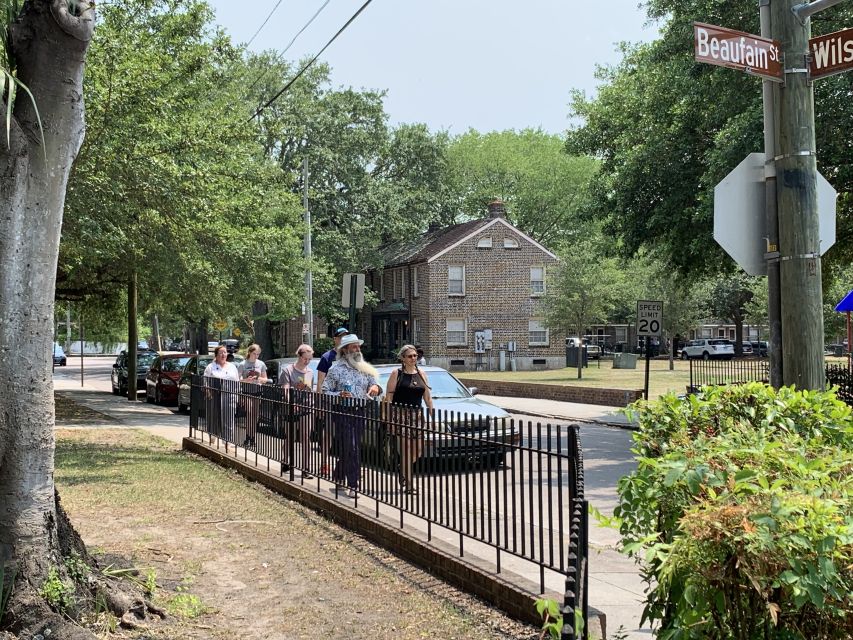
The tour is led by an expert guide, and in the real world that’s where the experience can be truly great—or merely average. The named guide I’ve seen associated with the tour is Larry, and the stronger versions of the experience tend to come from a guide who can balance humor with clarity while keeping the storyline on track.
Here’s the practical part for you: since the tour includes specific admissions (Halsey Gallery and Philip Simmons House), the quickest way to protect your value is to pay attention early. If you’re at the meeting point and the guide starts steering the day into a generic walk-through with no mention of the included indoor stops, consider asking directly when you’ll get those admissions. You’re paying for those specific experiences.
In other words: don’t wait until the end to discover you didn’t get the stops you were expecting. The tour lasts 2 hours, so every minute should serve the theme.
Price and value: is $37 for 2 hours fair?
At $37 per person for a 2-hour guided tour, the value depends on one thing: whether you get the full experience you’re paying for—storytelling plus real access to the Halsey Gallery and the Philip Simmons House.
If it runs as designed, you’re getting:
- a tight, themed Charleston walk with a strong point of view
- admissions to two specific sites
- a guide who translates complicated topics into understandable street-level history
That’s a lot more than the usual “two hours and a bunch of sidewalks.” You’re also connected to the donation line through the $1-per-ticket support of the Halsey Contemporary Art Foundation and the Philip Simmons Foundation.
Where you might question value is when the tour effectively turns into a light street walk without delivering the indoor components. Since that’s built into the price, it’s worth checking early if the day is tracking toward those stops.
Who this tour suits best (and who should pick something else)
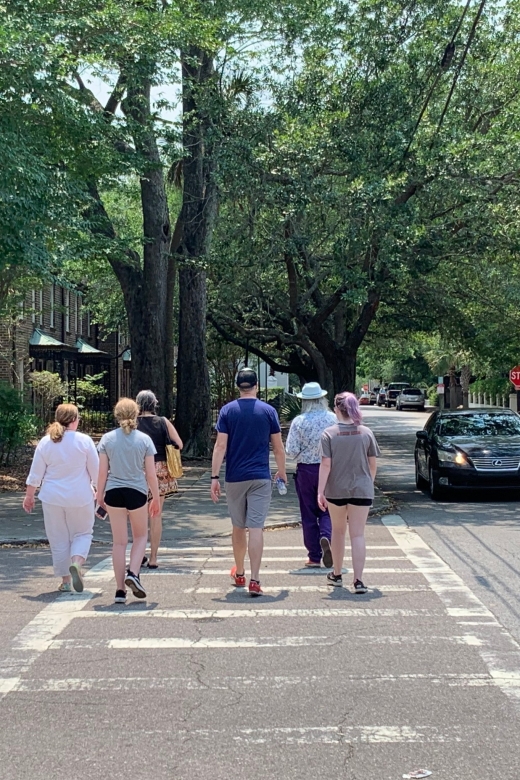
I’d steer you toward this tour if you want Charleston history with a point of view—especially if you’re tired of tours that treat women as background characters. The focus on women of every color, plus the “Old Maids” framing, is a strong match for anyone who wants history that feels more accurate to real life.
This is also a nice option if you’re celebrating something (bachelorettes, couples, even a group of friends). The tour’s structure is easy to follow, and the mix of architecture, ironwork, and a gallery stop gives you variety in just two hours.
I’d steer you a little more carefully if you’re the type who prefers very formal delivery. Because the tour uses contemporary voice and storytelling energy, you want a guide who can keep the tone respectful and focused. If you get that, you’ll likely love it. If not, you might find yourself wishing for tighter pacing.
Tips, rain, and simple comfort planning
This tour runs rain or shine, so plan accordingly. Bring layers, and if the forecast looks messy, consider a compact rain layer rather than relying on umbrellas. The day is still walk-based, so comfort counts.
Tips are not included, so set aside a little extra if the guide earns it. Also, because it’s only two hours, there’s not much time to recover from discomfort. Think shoes, hydration, and a phone battery if you’re using it for photos.
If you like flexible planning, this experience offers reserve now & pay later, and it includes free cancellation up to 24 hours in advance.
Final call: should you book the Strong Women of the South tour?
Book it if you want Charleston history that actually changes how you look at the city—through women’s work, business, activism, and craft. I’d especially recommend it if you’re interested in the Philip Simmons House, ironwork you can see up close, and a route that includes the Halsey Gallery instead of staying outside the whole time.
Skip it—or at least reconsider—if you know you’ll be disappointed by any version that feels like a generic walk without the promised indoor admissions. Since the tour’s value depends on those specific stops, choose this one with eyes open: arrive ready to learn, and make sure the day delivers on the full experience.
If it does, you’ll leave with Charleston in your head differently: not just pretty streets and famous names, but a clearer sense of who built power, who paid the price, and who kept going anyway.
FAQ
Where does the tour meet?
The group meets in front of the Old Charleston Jail at 21 Magazine Street.
How long is the Charleston Strong Women of the South History Tour?
It lasts 2 hours.
Is the tour rain or shine?
Yes, it takes place rain or shine.
What is included in the ticket price?
You get an expert guide, admission to the Halsey Gallery of Contemporary Art, and admission to the Philip Simmons House.
How much does it cost?
The price is $37 per person.
Is the tour wheelchair accessible?
Yes, it is wheelchair accessible.
What language is the tour in?
The tour is offered in English.
Are tips included?
No, tips are not included.
Do tickets support any charitable causes?
Yes. From each ticket sold, $1 is donated to the Halsey Contemporary Art Foundation and the Philip Simmons Foundation.
More History Tours in Charleston




More Tours Across Charleston



More Charleston Tours Worth Booking
Still deciding? Here are the newest Charleston tours and experiences we have reviewed








Historical Tours, compared.
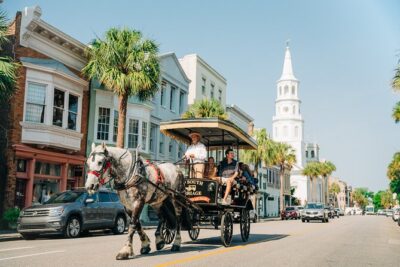 ★ 5.0Charleston’s Old South Carriage Historic Horse & Carriage TourFrom $5010,023 reviews
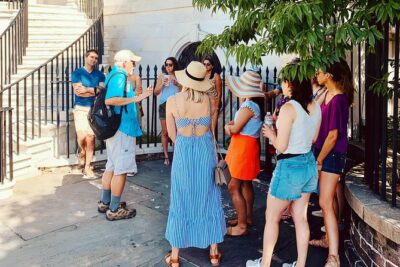 ★ 5.0Historic Charleston Guided Sightseeing Walking TourFrom $306,216 reviews
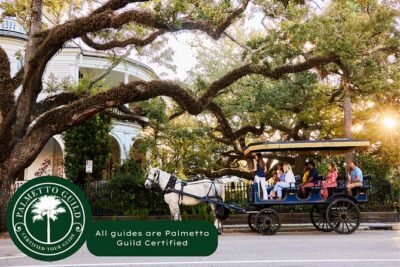 ★ 5.0Charleston Horse-Drawn Carriage Tour: Explore Historic CharlestonFrom $493,561 reviews
 ★ 4.5Charleston Harbor History Day-Time or Sunset Boat CruiseFrom $442,788 reviews
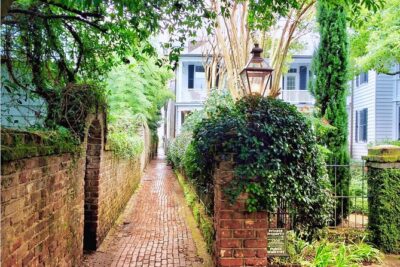 ★ 5.0Hidden Alleyways and Historic Sites Small-Group Walking TourFrom $342,335 reviews
 ★ 4.5Daytime or Sunset Historic Harbor CruiseFrom $491,352 reviews
 ★ 5.0Charleston historical walking tour with a Professor of History at The CitadelFrom $401,284 reviews
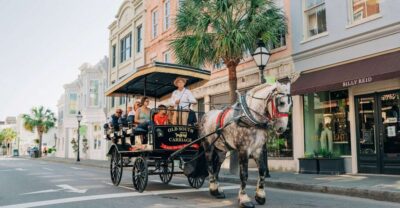 ★ 4.8Historical Downtown Tour by Horse-drawn CarriageFrom $501,009 reviews
Browse the lists this tour appears in