
Reviewed · LOWCOUNTRY FOOD TOURS
The Historic Table- 18th and 19th century dining and museum visit
History in Charleston gets better when you stay seated. This Historic Table supper club turns 18th- and 19th-century food into a narrated timeline led by culinary historian Mike Hebb, paired with a multi-course meal that spans multiple eras. And you get an added after-hours museum visit at the Fireproof Building, so the evening doesn’t end when dessert does.
What I like most is the format: you skip the usual foot-slogging history tour. Instead, you get a guided meal where each course connects to a specific slice of Charleston life—domestic life, the walled city of Charlestowne, the Revolution, and even Civil War and Reconstruction topics—without walking yourself into a blister.
The other standout for me is the host-food pairing. The narration is built around the plates themselves, not just general storytelling, and it’s served in a classic, formal service a la Francais style. The possible drawback is that this is a longer sit-down experience centered on food history, so if you’re not in the mood for multiple courses (and conversation about heavy chapters), you may want to choose a different kind of tour.
In This Review
- Key highlights at a glance
- A seated timeline of Charleston, from Charlestowne onward
- Meeting at 100 Meeting St and getting the drink setup right
- The seven-course menu: soup, three entrees, dessert, and candies
- How the storytelling works without feeling like a lecture
- The Fireproof Building museum visit after dinner
- Time, group size, and what to plan for
- Price and value: what $160 buys you in practice
- Who should book this supper club night
- Should you book the Historic Table experience?
- FAQ
- FAQ
- What does the Historic Table meal include?
- Is alcohol included in the price?
- How long is the experience?
- Where does the museum visit take place?
- What time does it start?
- Is there an age limit?
- Can I cancel if plans change?
Key highlights at a glance
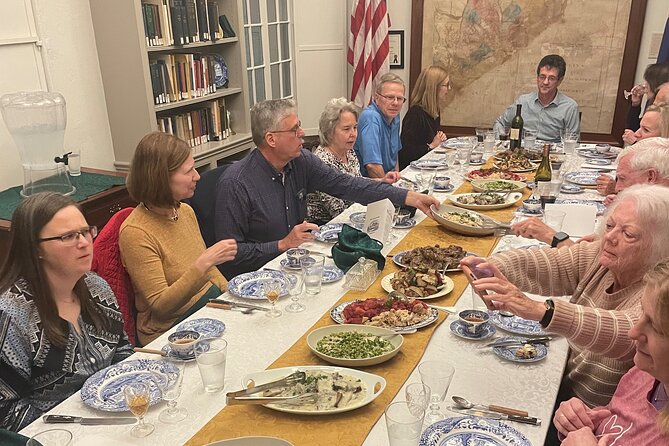
- A seated, period-by-period dining timeline led by Mike Hebb
- Seven courses (soup, three entrees, dessert, and candies) tied to Charleston eras
- Madeira wine included, with BYOB for everything else
- Service a la Francais style for a more formal, old-school dining pace
- After-hours museum time at the Fireproof Building (South Carolina Historical Society Museum)
- Small group size, with a maximum of 16 travelers
A seated timeline of Charleston, from Charlestowne onward
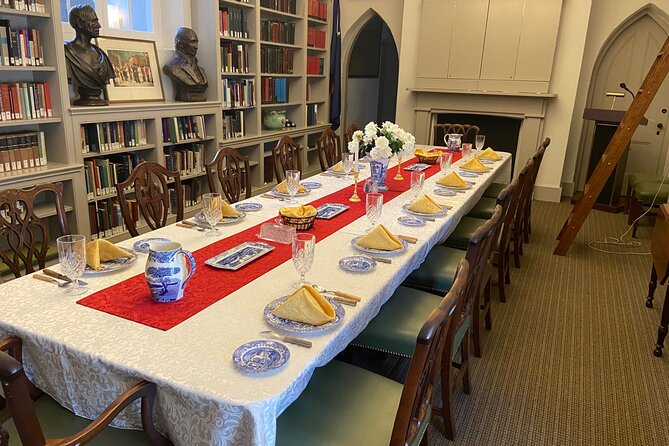
This experience is built around two things Charleston does best: food and history. The clever part is how the tour avoids the usual trade-off. Walking tours can be packed with facts, then you’re exhausted by hour two. Here, the “tour” is your dinner. You move through time by course, not by sidewalk.
Each entree is mapped to a different period, with dishes presented as authentic to the era. The overall sweep stretches across the 18th and 19th centuries, and the themes don’t shy away from major realities—Revolution-era life, slavery, the Civil War, and Reconstruction. For many people, that’s the point: you don’t just learn dates. You learn how people ate, how domestic life worked, and how ingredients and cooking styles reflected the Charleston world of the time.
Dining also gives you time to think. A good narrative needs a place to land, and a table forces it. You can listen, take a breath between courses, and look at what’s in front of you while the story connects the meal to the era.
And it’s not a bland lecture disguised as dinner. The host frames the plates—why they were served, how they were seasoned, and what domestic life looked like—so the history feels anchored rather than abstract.
Still hungry? Line up more Charleston food tours and Lowcountry tastings.
- Charleston French Quarter or Brunch Food Tour with 7+ Tastings★ 5.0 · 1,853 reviews
- Undiscovered Charleston: Half Day Food, Wine & History Tour with Cooking Class★ 5.0 · 948 reviews
- Savor the Flavors of Charleston Walking Food Tour★ 4.5 · 881 reviews
Meeting at 100 Meeting St and getting the drink setup right
The night starts at 100 Meeting St, Charleston, SC 29401, with the tour beginning at 6:00 pm. It’s a smart start time for two reasons. First, you’re not fighting early dinner lines. Second, you’re set up for the after-hours museum visit afterward, rather than rushing out before everything closes.
You’ll receive water and a glass of Madeira wine to begin. After that, it’s BYOB for other drinks, so decide ahead of time what you want in your glass. If you enjoy matching food to drink, plan for it. If you don’t, at least bring something straightforward and drink-friendly because the evening is long enough that you’ll want your preferred beverage choices.
You also get a mobile ticket, which matters in real life. No hunting for paper in a hotel drawer. Just keep your phone handy at check-in.
One more practical note: this is 16 and older only. If you’re traveling as a family and you’re looking for a mixed-age group activity, you’ll need to plan around this age limit.
The seven-course menu: soup, three entrees, dessert, and candies
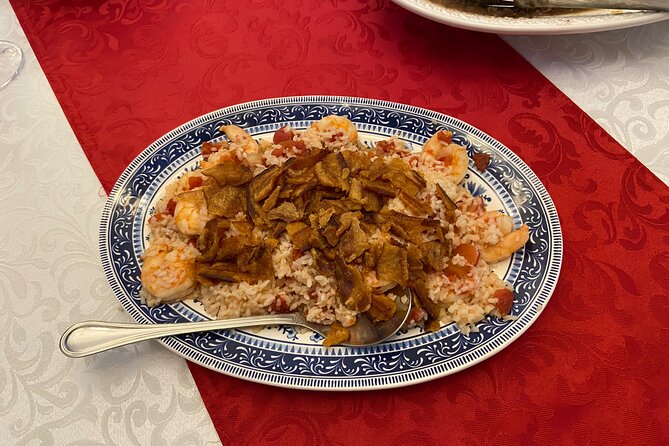
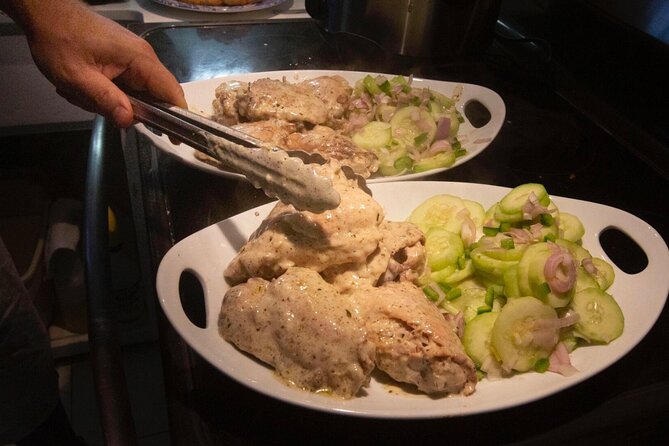
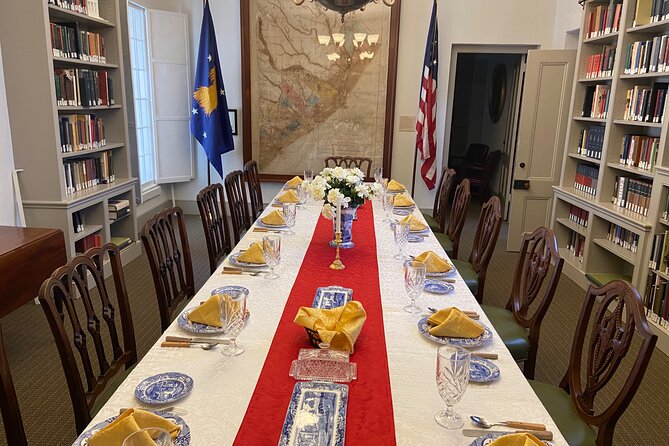
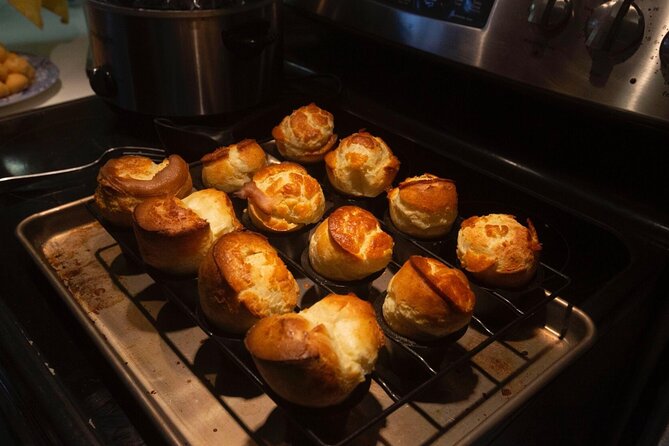
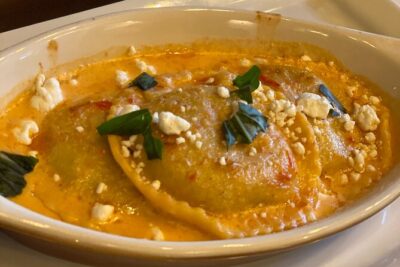
The main event is a multi-course supper described as a seven-course dining experience. The structure is clear: soup, three entrees, dessert, and candies. That gives you enough variety to experience different cooking styles without the meal turning into one endless tasting.
The meal is served service a la Francais, which is a formal, course-by-course way of dining. Translation for your night: expect a paced dinner rather than a fast, cafeteria-style service. This pacing helps the history land between bites. It also means you’ll likely feel full by the time dessert arrives, especially because you’ll be eating while listening and not in “grab food and go” mode.
What you should take from the course structure is the time-jump effect. Each entree represents a period of Charleston’s past, so you don’t just get “a historic meal.” You get a curated sequence where ingredients, seasoning choices, and presentation reflect the era being discussed.
Also, you’ll be offered narration throughout the meal by Mike Hebb, the culinary historian. The story is tied to the food, including the domestic-life angles—what people ate, how meals fit into daily routines, and how Charleston’s location and culture shaped cooking. Topics also stretch beyond the kitchen: the story touches on major turning points in Charleston history, including the Revolution and the Civil War period, plus Reconstruction and what comes after.
If you’re someone who worries about “history tours where the food is an afterthought,” this is the opposite. The plates drive the conversation.
How the storytelling works without feeling like a lecture
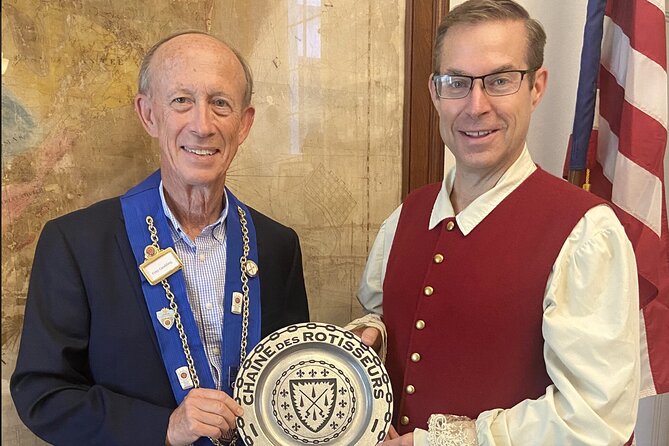
The biggest strength here is the way the guide talks about food while you’re eating it. Mike Hebb doesn’t just narrate from a distance. He frames the meal like a living artifact.
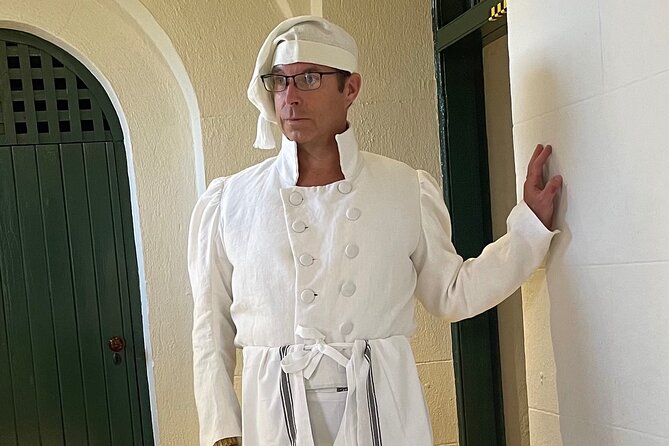
One detail that helps: he presents in period clothing, which signals right away that this is meant to feel like a time-travel dinner rather than a standard restaurant speech. The tone also seems designed to keep you engaged. In particular, there’s an emphasis on making it comfortable to participate, so you’re not stuck in passive-listener mode all night.
Another thing that makes the experience more than just “stuff you learn” is that the narration includes the behind-the-scenes thinking. You’re not only told what was eaten—you’re guided through why the choices make sense for the period: spices and ingredients, how meals were made, and how local life shaped what ended up on the table.
Be aware that the historical themes include slavery and the Civil War and Reconstruction periods. This won’t be a feel-good evening the whole way through. Still, for many visitors it’s exactly why this kind of tour matters: the meal becomes a lens for understanding people’s real lives and realities, not just costumes and dates.
The Fireproof Building museum visit after dinner
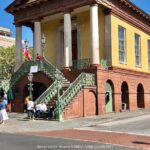
Dinner is only half the story. You also get a free after-hours visit to the South Carolina Historical Society Museum located in the Fireproof Building. The Fireproof Building is described as the first fireproof building in the nation’s history, which is one of those facts that makes the setting click immediately. You’re stepping into a building with a survival story of its own, then using that context to look at what the museum preserves.
This museum time is built into the experience, so you’re not trying to find it after a long day of sightseeing. It also changes the mood. After hours usually means fewer distractions, and you can browse at your own pace.
Practically, expect your evening to feel like a single arc: meal, narration, then museum exploration. That flow is a real value because it reduces decision fatigue. You don’t have to plan when to fit the museum in around crowds, dinner reservations, or museum closing times.
Dig deeper into the past with more Charleston history tours.


Time, group size, and what to plan for
The experience runs about 2 hours 30 minutes. With that timing, you’ll want to plan your evening so you’re not rushing to an event afterward. Think “one main activity night,” not “a quick stop between other plans.”
The group size is capped at 16 travelers. That matters for two reasons. First, it makes the room feel less chaotic. Second, a smaller group makes it easier for the host to deliver detailed narration without talking over everyone.
A few practical elements to plan around:
- BYOB after the initial Madeira wine, so decide what you’ll bring before you arrive.
- Gratuity is not included in the price, so have a plan for tip budgeting.
- You can bring leftovers home, which is a nice perk if the meal runs generous on your plate.
Also note the location setup: it’s near public transportation. If you’re not driving, that helps a lot. And service animals are allowed, which is useful for travelers with accessibility needs.
Finally, this is one of those activities you should only book if you actually want the format. It’s not a drive-by history stop. It’s a dinner-centered program with real attention to period details.
Price and value: what $160 buys you in practice
At $160 per person, this isn’t a cheap “add-on” activity. But it’s also not just a walking tour price with a snack. You’re paying for several things bundled together: a hosted, narrated supper built around authentic period-era themes; a multi-course meal; one glass of Madeira wine; and an included after-hours museum visit at the Fireproof Building.
Here’s the value logic I’d use. If you’d otherwise pay for:
- a guided history tour, especially one that doesn’t require a long trek,
- a dinner meal in Charleston,
- and a museum visit,
…then the cost starts to look more reasonable because those pieces are already packaged.
You’re also buying a specific kind of storytelling: food-history narration led by culinary historian Mike Hebb, with the meal used like primary evidence. That’s harder to replicate on your own than, say, a generic museum audio guide.
Still, be honest about your preferences. If you’re not into food history, or if heavy topics like slavery and war history make you want to avoid structured discussion during dinner, then the price becomes harder to justify. This is not background entertainment. It’s an evening built to teach through meals.
Who should book this supper club night
I think this fits best if you:
- love Charleston and want history told through food, not just architecture
- enjoy guided storytelling with a small group
- like formal dining pacing and multi-course meals
- want an after-hours museum visit without extra planning
It may not be ideal if you:
- don’t want to sit for a long dinner with several courses
- prefer light, casual history instead of serious historical themes
- don’t want to bring your own drinks (since BYOB applies)
If you’re celebrating something, this is also the kind of activity that feels special. The combination of a narrated, period-style meal and museum access makes it feel like a full event.
Should you book the Historic Table experience?
If your goal is to understand Charleston beyond postcards, this is a strong pick. I like that it trades walking miles for a seated, course-by-course education. I also like that the host focuses on culinary details and connects them to real historical context—so you leave with better mental pictures of how people lived and ate.
Book it if you’re hungry for both food and history, and you’re comfortable with narratives that include slavery and war-era topics. Skip it if you want a quick, casual activity or you’d rather keep your evening lighter.
FAQ
FAQ
What does the Historic Table meal include?
The experience includes a seven-course supper with soup, three entrees, dessert, and candies, plus narration on Charleston and culinary history.
Is alcohol included in the price?
You’ll start with water and a glass of Madeira wine, and then it’s BYOB for other drinks.
How long is the experience?
It runs about 2 hours 30 minutes.
Where does the museum visit take place?
The included after-hours visit is to the South Carolina Historical Society Museum in the Fireproof Building.
What time does it start?
The tour starts at 6:00 pm.
Is there an age limit?
Yes. The experience is 16 and older only.
Can I cancel if plans change?
There’s free cancellation if you cancel up to 24 hours in advance of the experience’s start time for a full refund.
More History Tours in Charleston


More Charleston Tours Worth Booking


More Lowcountry Food Tours in Charleston


Still deciding? Here are the newest Charleston tours and experiences we have reviewed




Lowcountry Food Tours, compared.
 ★ 5.0Charleston French Quarter or Brunch Food Tour with 7+ TastingsFrom $1081,853 reviews
 ★ 4.5Downtown Charleston Food TourFrom $1101,376 reviews
 ★ 5.0Undiscovered Charleston: Half Day Food, Wine & History Tour with Cooking Class948 reviews
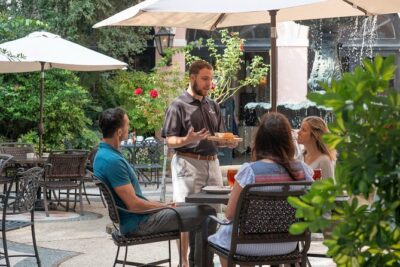 ★ 4.5Savor the Flavors of Charleston Walking Food TourFrom $110881 reviews
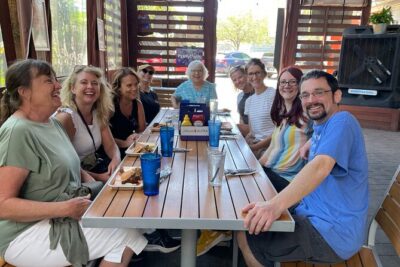 ★ 4.5Charleston’s Historic Downtown Food TourFrom $110349 reviews
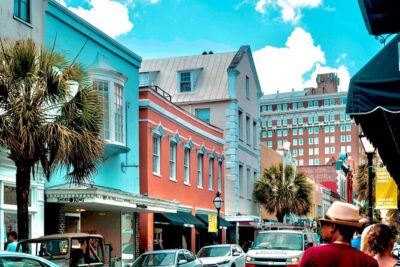 ★ 5.0Charleston Brunch Food Tour: Biscuits, Shrimps, Grits and MoreFrom $108239 reviews
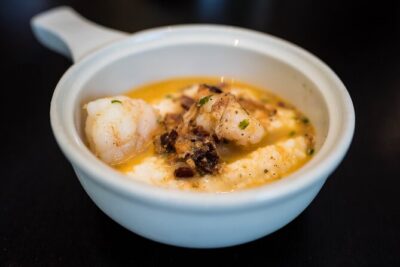 ★ 5.0Private Charleston Walking Food Tour at the French QuarterFrom $370201 reviews
 ★ 4.5Charleston Upper King Street Food TourFrom $110200 reviews
Browse the lists this tour appears in