
Reviewed · HISTORICAL TOURS
Take a History Tour with an actual Historian – Cooper!
A good history tour should change how you see the street. This one starts with conversation and ends with you noticing details most people miss, led by a PhD historian named Cooper. I like the way he builds personal context before you start walking, and I also like how the tour treats slavery with honest, sensitive context instead of shock tactics. The main consideration is timing: the tour can’t wait for latecomers, so plan to arrive early.
Charleston can feel like a postcard until someone puts the pieces together. Here you connect the harbor’s role in colonial trade to the streets of the historic district, with stops that explain why buildings, walls, and even small landmarks matter. Expect a rain-or-shine walk that favors good shoes and patience for a talk-heavy start.
In This Review
- Key highlights at a glance
- Why Cooper’s PhD makes Charleston history click
- Starting at Waterfront Park: the harbor story before the sidewalks
- The 1680 seawall: where the city’s earliest defenses still show
- Walking the colonial streets: architecture with a job
- White Point Gardens: defense and daily life in the same space
- Meeting Street and the social forces behind the facades
- Addressing slavery with context, not shock
- The Pineapple Fountain story: small symbol, big meaning
- Hidden courtyards, churches, and the walled-city footprint
- Price and time: what $45 buys in 150 minutes
- Practical tips so you can enjoy the walk more
- Who this Charleston history walk is best for
- Should you book Cooper’s history tour with Chucktown Walking Tours?
- FAQ
- What is the duration of the Charleston history tour?
- Where is the meeting point?
- How much does the tour cost?
- Is the tour offered in English?
- Does the tour run in rain?
- Will the tour wait for latecomers?
- Is street parking available nearby?
Key highlights at a glance
- A PhD historian guide (Cooper), not a memorized-script walking tour
- Open dialogue at the start to shape what you care about
- The original seawall from 1680, with details most people skip
- White Point Gardens and Meeting Street tied to defense, daily life, and colonial architecture
- The real story of the Pineapple Fountain, plus fun facts you’ll actually recall
Why Cooper’s PhD makes Charleston history click
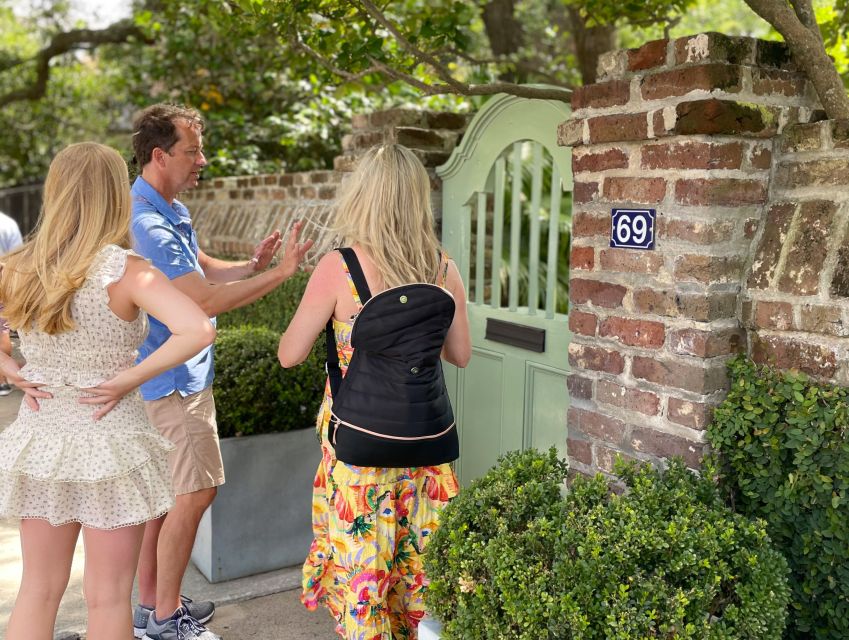
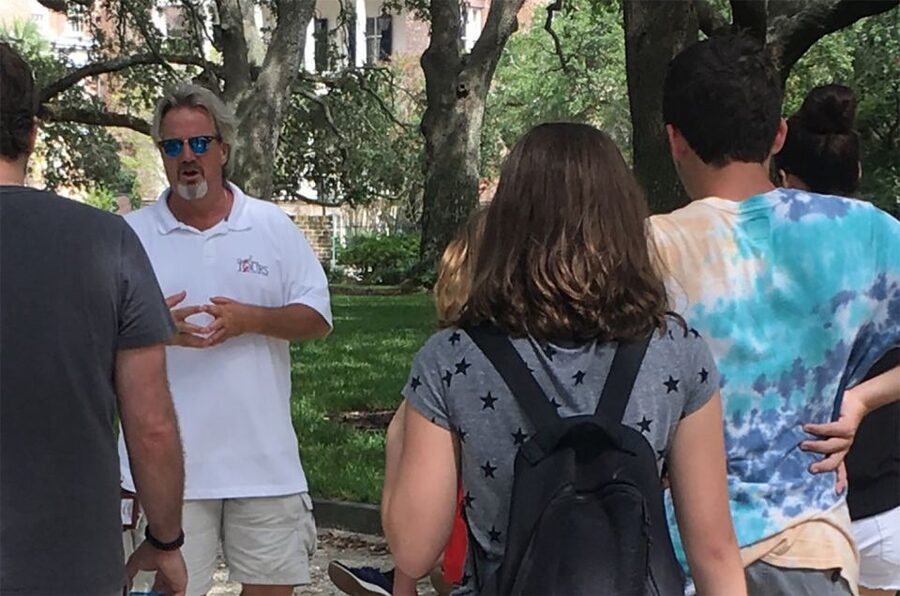
I like tours where the guide explains not just what happened, but why that place looks the way it does now. With Cooper, the tone is teacher-student: he’s there to teach history, and it shows in how he connects symbols, stones, and street layouts to real events. You’re not stuck with a dry lecture either. The vibe is conversational, with room for questions and follow-ups.
Two parts stand out right away. First, the tour begins with dialogue that surfaces what you find interesting, then builds the route around those interests. Second, the tour’s approach to slavery uses context and clarity, including distinctions between rural and urban slavery and discussion of Charleston’s specific laws and social dynamics.
One of my favorite benefits of this format is what it does to your attention span. After Cooper sets the framework at the harbor, the waterfront stops feeling like scenery and starts feeling like evidence. You end up looking at the right things—materials, angles, positions, and layout—because you understand what each one helped do.
Dig deeper into the past with more Charleston history tours.
- Charleston’s Old South Carriage Historic Horse & Carriage Tour★ 5.0 · 10,023 reviews
- Historic Charleston Guided Sightseeing Walking Tour★ 5.0 · 6,216 reviews
- Charleston Horse-Drawn Carriage Tour: Explore Historic Charleston★ 5.0 · 3,561 reviews
Starting at Waterfront Park: the harbor story before the sidewalks
The meeting point is easy to find once you know the landmark: meet directly across from the Harbor View Inn at Waterfront Park, under the street sign for Concord & Vendue Range. Look for someone wearing a Chucktown Tours logo.
From the start, you’re oriented using Charleston’s harbor view. Cooper anchors the discussion in geography and economy, and that matters. Charleston’s rise didn’t happen in a vacuum; its natural advantages shaped its growth as a colonial port, and that economic engine left fingerprints on the city you’re walking through.
The tour begins with more talking than walking, and that’s not filler. It’s how you get the layers in the right order. If you’ve ever toured old cities and felt like you were collecting dates, this approach helps you build a map in your head: where power came from, how trade worked, and why the waterfront and defense lines mattered.
And yes, this is a walking tour, but the pace is built around understanding. Once you start moving, you’ll notice how often Charleston’s historic district looks the way it does because people built around risk, shipping needs, and the flow of labor and goods.
The 1680 seawall: where the city’s earliest defenses still show

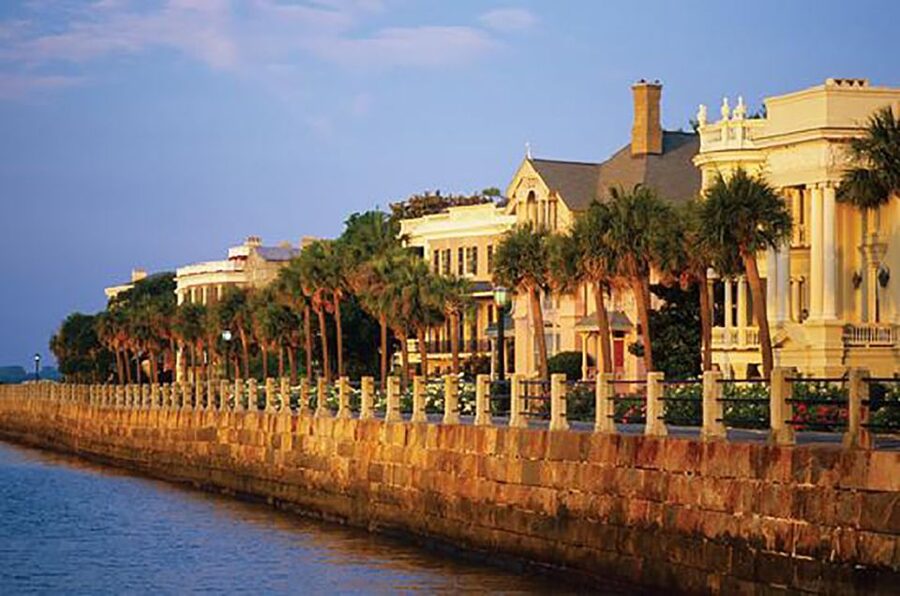
One of the strongest stops is the original seawall, built in 1680. Seeing it in person changes the scale of Charleston fast. This isn’t a decorative relic; it’s one of the oldest surviving structures of its kind in the South, and it signals that the city’s waterfront has been a problem to solve for a long time.
Cooper’s focus here is on details many visitors overlook. You’ll learn how fortifications and architectural traces tell stories about what defenders feared and what residents needed. When you hear the why behind the stonework, the seawall stops looking random. It becomes part of a defense system shaped by time, trade, and threat.
Also, this is where you’ll start to understand Charleston as a layered city. You can feel 350 years of change when you know what to look for. It’s not just “old things.” It’s the physical record of decisions—who built, who controlled, and what priorities survived.
Walking the colonial streets: architecture with a job
After the seawall, you step into the historic district on cobblestone streets that hold more than vibes. Cooper ties the walk to broader stories of innovation, resilience, and identity, but he keeps it grounded in what you can actually see in front of you.
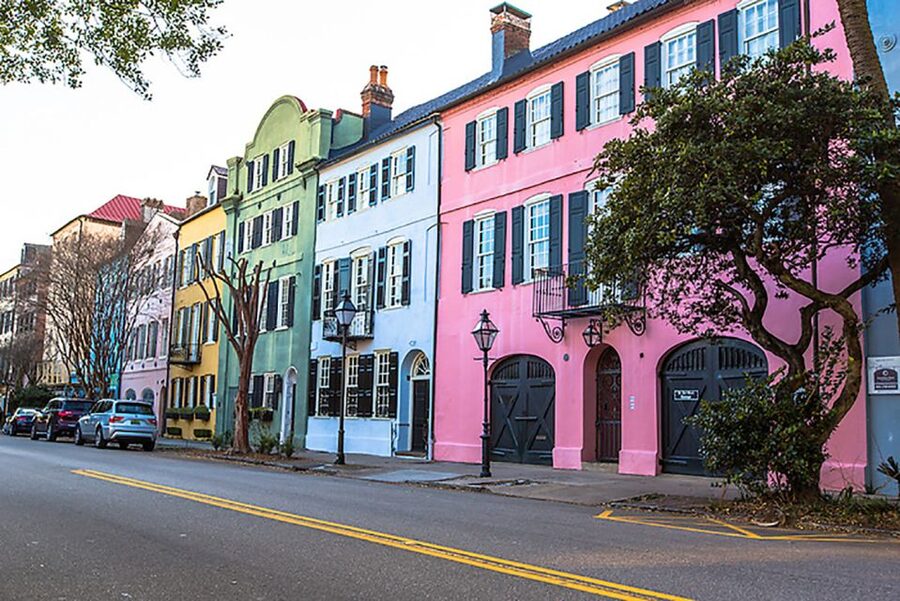
A big theme is how colonial architecture reflects social forces. As you move along, you’ll talk about the elegant homes you spot and the reasons they were built where they were. The tour helps you connect building style to status, trade access, and neighborhood function, instead of treating architecture as a museum-only topic.
You’ll also get a clearer sense of what Charleston’s “walled city” concept meant in practice. Cooper discusses the location of Charleston’s original walled city as you walk through streets dating to the early 1700s. That gives you a way to mentally redraw the city—where movement was managed, where safety mattered, and how the urban layout shaped daily life.
White Point Gardens: defense and daily life in the same space
White Point Gardens is one of those spots that feels like an easy stroll until someone explains what it used to do. Cooper breaks down its pivotal role in defense and daily life through different eras, so the space starts making sense beyond photos.
This is a good example of why the tour’s conversation-first style works. If you already have the harbor and colonial port context in your head, the defense story lands differently. You see why open views mattered, why certain areas were exposed, and how residents balanced security with living and working.
Even if you’re not a “gardens person,” this stop gives you a satisfying kind of understanding: the layout was designed for human needs under pressure. Charleston’s elegance didn’t erase conflict and necessity. It grew alongside them.

Meeting Street and the social forces behind the facades
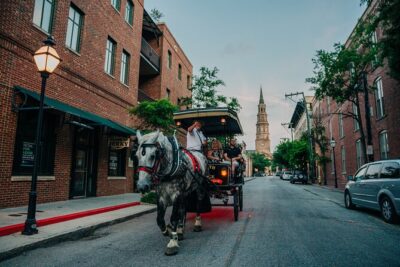
As you move up Meeting Street, expect the tour to go beyond pretty houses. Cooper links what you see—street life, architectural cues, and neighborhood patterns—to social and historical pressures that shaped the city.
This is one of the most rewarding parts for people who enjoy architecture but also want meaning. You’re not being asked to memorize a list of dates. You’re learning how the city’s structure reflects its power relationships and its economic base.
Also, Cooper is interactive. If you ask questions, he’ll take time to answer them, and he adjusts the focus based on what you’re curious about. That’s a major reason many people leave feeling like they got something tailored, not generic.
Addressing slavery with context, not shock
One of the most important strengths of this tour is the way it addresses the history of slavery. Cooper doesn’t treat it as a single dramatic moment or a one-note tragedy. Instead, you’ll get clarity and context: distinctions between rural and urban slavery, discussion of Charleston’s unique laws, and the complex social dynamics of free people of color who owned enslaved people.
This kind of framing matters because Charleston’s history isn’t simple. If you only skim the surface, you miss how laws, economics, and community relationships shaped the system. This tour helps you understand the city as it was built and maintained, and it gives you a more accurate picture of how the past lived inside daily routines.
It’s also handled with sensitivity. You’ll feel the intention to inform, not to sensationalize. That keeps the conversation serious while still allowing you to keep moving through the streets with understanding.
The Pineapple Fountain story: small symbol, big meaning
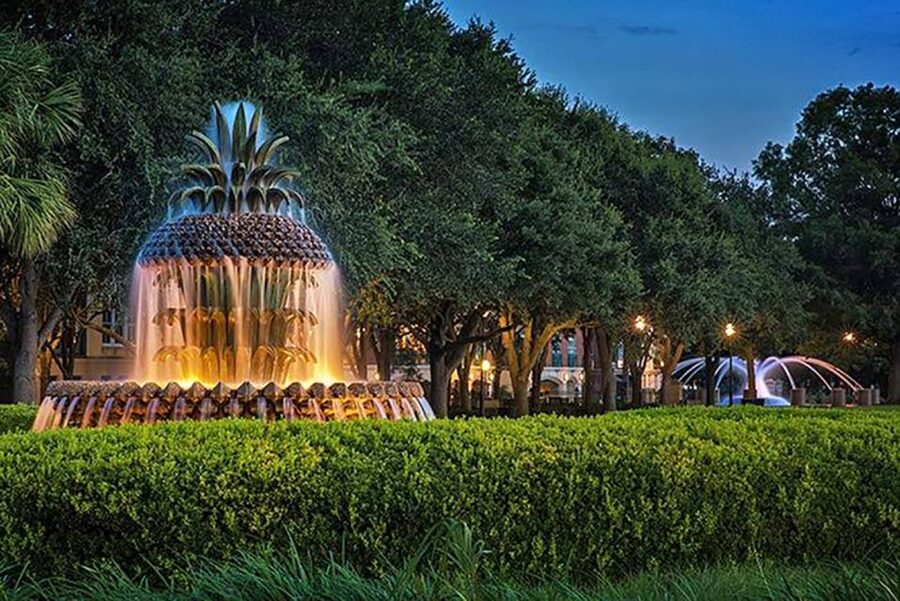
One of the highlights is the real story of the Pineapple Fountain. It’s the kind of landmark that can look like a cute detail on a map, but Cooper explains why it exists and what it signaled in its time.
This stop is a good reminder that Charleston’s city markers aren’t random. Symbols often reflect wealth, power, taste, or identity. Learning the backstory is part of why the tour feels memorable later. You start seeing the city’s “decorations” as coded information.
And yes, you’ll get fun facts you probably wouldn’t imagine before showing up. The point isn’t trivia for trivia’s sake—it’s using quirky details to teach you something structural about how Charleston worked.
Hidden courtyards, churches, and the walled-city footprint
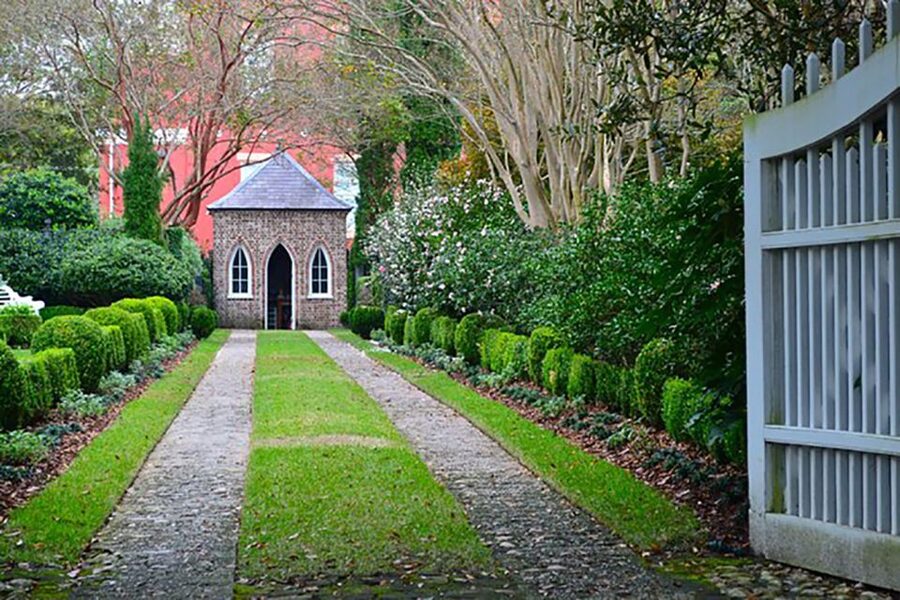
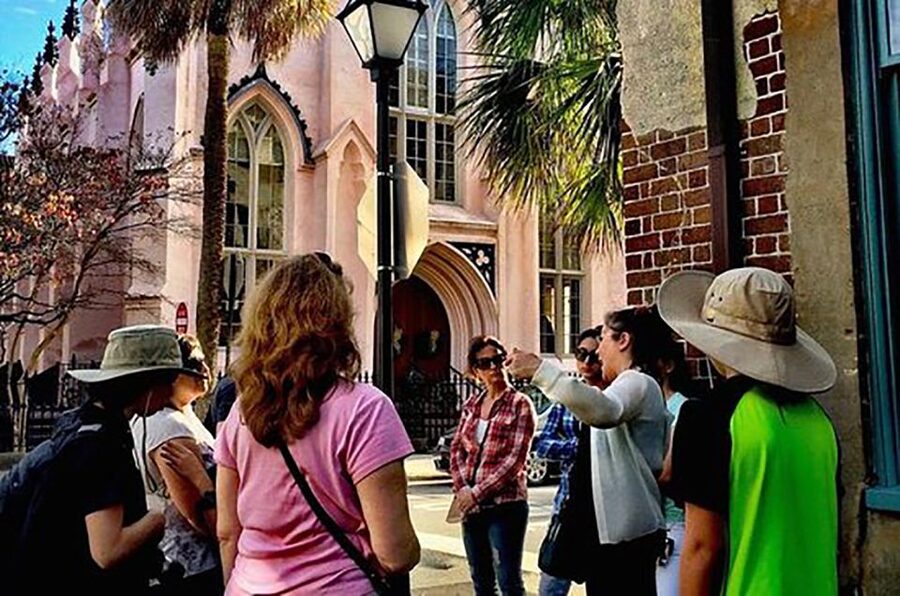
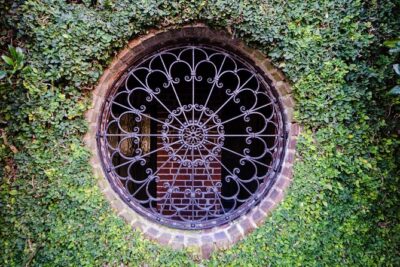
As the walk continues through streets dating back to the early 1700s, you’ll see historic churches and hidden courtyards. Cooper uses each stop to add another layer to the story, building on the context you got at the harbor.
Cooper’s method is to connect physical space to lived experience. Courtyards aren’t just pretty. Churches aren’t just old. They reflect how the city organized community, religion, and the rhythms of everyday life.
You’ll also learn where the city’s original walled area was, which helps the whole walk feel coherent. Instead of treating each location like a separate exhibit, you start to understand the city as a system: trade, defense, social structure, and daily life all influencing one another.
Price and time: what $45 buys in 150 minutes
At $45 per person for a 150-minute experience, this tour is priced like a serious walking tour, not a casual group stroll. The value comes from the guide credentials and the teaching approach: you’re paying for a PhD historian-led walk with dialogue, context, and interactive Q&A.
Time matters here. 150 minutes isn’t a quick hit, and it’s long enough for the tour to build from the harbor to the historic district without feeling rushed. You also get the benefit of a conversation-heavy start, which often makes the walking portion feel faster because you understand what you’re seeing.
If you’re the type who likes to ask questions, this kind of pricing usually makes sense. Cooper takes time for answers, and the tour can be shaped around what you want to know. That’s a better use of money than a tour where you’re just watching and hoping the guide mentions the one thing you care about.
Practical tips so you can enjoy the walk more
Charleston street logistics can be the difference between a relaxing morning and a stressful one. Street parking is limited to 2 hours, except on Sundays and holidays when street parking is free. If you’re driving, plan your timing so you’re not rushing from the car to the meeting point.
Wear shoes you can trust. You’ll be walking on cobblestones and staying outside, rain or shine. And because the tour can’t wait for latecomers, treat the meeting time like the start of an appointment, not a suggestion.
Also, this tour isn’t suitable for children under 10, and it isn’t designed for people with mobility impairments. If you fall into either category, it’s worth looking for a different format that fits your needs.
Who this Charleston history walk is best for
This is a strong match if you want Charleston history explained in plain language, with real context and honest topic coverage. It’s also ideal if you love architecture but don’t want the tour to stop at aesthetics.
You’ll likely enjoy it most if you’re:
- the kind of person who likes to ask why things were built the way they were
- visiting Charleston for the first time and want an efficient orientation
- returning to Charleston and want a deeper reading of what you thought you already saw
- traveling with teens (the tour’s interactive style can work well, as long as they’re over 10)
If you prefer tours that move quickly from stop to stop with minimal conversation, the talk-first start might feel slower than you want. But if you’re open to learning your way through the city, it’s a very satisfying format.
Should you book Cooper’s history tour with Chucktown Walking Tours?
I think you should book this tour if you want to understand Charleston instead of just collect landmarks. The combination of a PhD historian guide, a dialogue-driven start, and stops like the 1680 seawall and White Point Gardens makes the experience feel built rather than random.
It’s also a good buy when you care about accuracy and context. The tour’s approach to slavery is more than name-dropping; it gives structure, including Charleston’s legal and social specifics and the complicated realities of free people of color in the city.
Book it early in your trip if you can. Once the harbor and defense context clicks, the rest of Charleston tends to fall into place on its own.
FAQ
What is the duration of the Charleston history tour?
The tour lasts 150 minutes.
Where is the meeting point?
Meet directly across from the Harbor View Inn at Waterfront Park, under the street sign for Concord & Vendue Range. Look for someone with a Chucktown Tours logo.
How much does the tour cost?
The price is $45 per person.
Is the tour offered in English?
Yes, the live tour guide speaks English.
Does the tour run in rain?
Yes, the tour will take place rain or shine.
Will the tour wait for latecomers?
No. Out of respect for others, the tour cannot wait for latecomers.
Is street parking available nearby?
Street parking in Charleston is limited to 2 hours, except on Sundays and holidays when all street parking is free.
More History Tours in Charleston






More Tours Across Charleston



More Charleston Tours Worth Booking
Still deciding? Here are the newest Charleston tours and experiences we have reviewed










Historical Tours, compared.
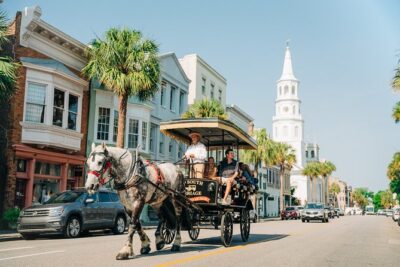 ★ 5.0Charleston’s Old South Carriage Historic Horse & Carriage TourFrom $5010,023 reviews
 ★ 5.0Historic Charleston Guided Sightseeing Walking TourFrom $306,216 reviews
 ★ 5.0Charleston Horse-Drawn Carriage Tour: Explore Historic CharlestonFrom $493,561 reviews
 ★ 4.5Charleston Harbor History Day-Time or Sunset Boat CruiseFrom $442,788 reviews
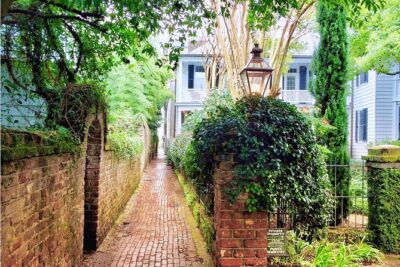 ★ 5.0Hidden Alleyways and Historic Sites Small-Group Walking TourFrom $342,335 reviews
 ★ 4.5Daytime or Sunset Historic Harbor CruiseFrom $491,352 reviews
 ★ 5.0Charleston historical walking tour with a Professor of History at The CitadelFrom $401,284 reviews
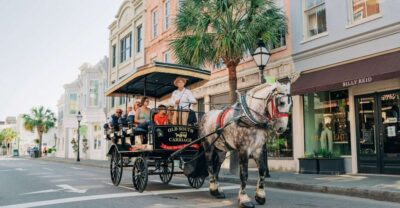 ★ 4.8Historical Downtown Tour by Horse-drawn CarriageFrom $501,009 reviews
Browse the lists this tour appears in