Reviewed · LOWCOUNTRY DAY TRIPS
Lowcountry History Strolls
Charleston history hits the sidewalk fast. This Lowcountry History Strolls tour strings together the big stories behind the streets you already see, from early English roots and colonial politics to epidemics, disasters, slavery, and wars. It’s a private 90-minute walk in Charleston led by Karen McDaniel, with a simple mobile ticket and an itinerary that keeps moving.
What I like most is how Karen makes cause-and-effect history feel visual, not random. Her explanations come with charts and graphs that help you connect social and economic forces to the buildings and street layout. I also love the way you finish with real guidance on where to eat in town, since Charleston history always feels better with a plan for dinner.
One consideration: this is a walking tour. You’ll be on the move for about 1.5 hours on city sidewalks, so it helps to be comfortable walking Charleston streets at a steady pace for a full loop.
In This Review
- Key Highlights You’ll Feel (Not Just Hear)
- Meeting at 117 Broad Street: Easy Start, Tight Loop
- Broad Street and the Laurens/Rutledge House: Where the Founding Story Begins
- Tradd Street and the Sword Gates: English History in the Street Plan
- Cross Meeting Street and the Walled City: Washington’s Visit and Charleston Firsts
- Bay Street and the Lord’s Proprietors: Why the City Looked Like That
- The High Battery: Harbor Wars and the Last Royal Governor
- Slavery, Hospitality, Friendly Societies, and the Hard Parts
- Food Culture at the End: Where to Go Next
- Who This Tour Fits Best (and Who Might Want Something Else)
- Should You Book This Charleston Lowcountry History Stroll?
- FAQ
- How long is the Lowcountry History Strolls tour?
- Where does the tour start?
- Where does the tour end?
- Is the tour private or shared?
- What language is the tour offered in?
- Do I need a printed ticket?
- Are service animals allowed?
- Is it near public transportation?
- Can most travelers participate?
- What is the cancellation policy?
Key Highlights You’ll Feel (Not Just Hear)
- Broad Street origins at Laurens/Rutledge House: a strong start with early roots tied to the founding of the country
- Tradd Street stops with the Sword Gates and Col. John Stewart’s area: history anchored to specific, named places
- Cross Meeting Street and the original walled city: Washington’s visit and Charleston firsts, tied to what you can still see
- Bay Street and the Lord’s Proprietors plan: a clear story about why the city layout existed and why it changed
- High Battery harbor wars and the Civil War storyline: the tour connects military events directly to the waterfront area
- Jim Crow era context plus food recommendations: you leave with both tough history and practical meal ideas
Meeting at 117 Broad Street: Easy Start, Tight Loop
You meet at 117 Broad St, Charleston, SC 29401, and the tour ends back at the same spot. That loop matters. You’re not hunting across town for the next stop. In about 90 minutes, you cover a lot of ground while still staying in the heart of the historic core.
Because it’s a private tour, you get a more conversational flow. It’s you and your group, not a giant crowd drifting ahead. Karen’s pace also stays practical. In one of the strongest parts of the experience, she keeps walking and talking at a rhythm that lets you see what you’re being told.
And if you’re using a mobile ticket, you can keep things simple. You just show the ticket on your phone at the start. Service animals are allowed, and the meeting point is near public transportation, so you can fit this into a flexible day without overplanning.
Head past the city limits with more Charleston Lowcountry day trips.
- Outer Banks Film Locations Tour★ 5.0 · 174 reviews
- Trolley Tour in Wadmalaw Island of South Carolina★ 4.5 · 104 reviews
- Charleston: Wadmalaw Island Wine Tasting and Tea Garden Trip★ 4.9 · 94 reviews
Broad Street and the Laurens/Rutledge House: Where the Founding Story Begins
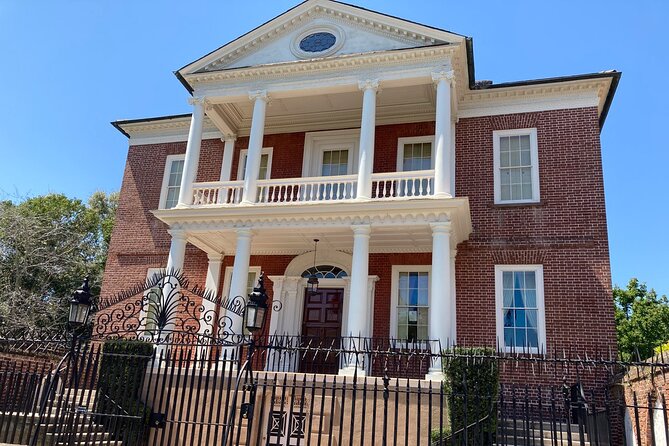
The walk opens at the Laurens/Rutledge house at 117 Broad St. This is the kind of stop that sets expectations fast: you’re not getting generic “old buildings” commentary. The focus is on how houses and places tie into the founding era, and how the story sits in the architecture and the neighborhood.
Karen then brings in context by looking at what’s nearby too, including the house across the street. That detail is more useful than it sounds. Charleston’s layout can look similar block to block until you learn what to notice: the relationships between buildings, street edges, and the way wealth and influence were physically expressed.
If you’re the type who likes history with a “why,” this first segment is a good match. You’re given enough background to understand what you see next, instead of getting a list of dates that don’t connect.
Possible drawback: if you’re the kind of traveler who expects lots of time standing still in one spot, this tour prefers motion. You’ll get a guided sequence, not a long sit-down lecture.
Tradd Street and the Sword Gates: English History in the Street Plan
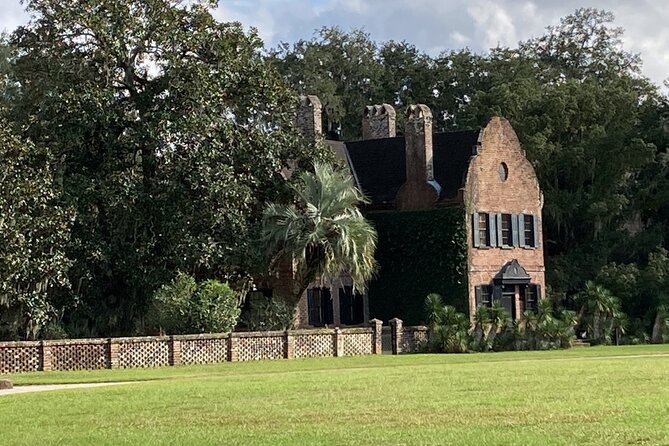
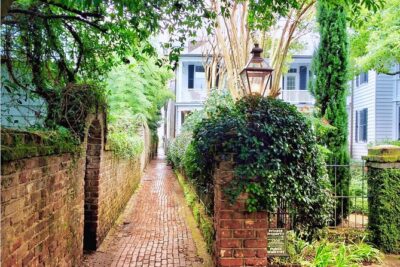
After Broad Street, the stroll works toward Tradd St, with key pauses along the way. Two early anchors here are the Sword Gates and the home associated with Col. John Stewart.
The Sword Gates stop is important because it helps you read Charleston like a map. You’re not just walking through a pretty historic area. You’re learning how entrances, boundaries, and access shaped daily life—and how the guide connects those ideas to English history and the colony’s founding.
Then you move into the stories around Col. John Stewart’s home. This is where the tour’s “architecture plus people” approach pays off. You’re shown how physical spaces relate to social and political realities, with discussion of things like architecture and the broader founding narrative.
Karen also threads in episodes that feel dark but necessary: epidemics and disasters come up as part of the colony’s real-life pressures, not just as dramatic side notes. That’s a key reason the tour works. Charleston’s history isn’t only about triumph. It’s about survival, setbacks, and how communities rebuilt.
Cross Meeting Street and the Walled City: Washington’s Visit and Charleston Firsts
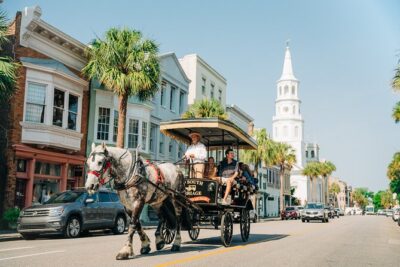
Next you cross Meeting St into the original walled city. This change of area is more than a line on a map. Karen uses the shift to talk about how the city organized itself, how it protected itself, and how power showed up in planning.
A standout part of this segment is the discussion of President Washington’s visit. Even if you’ve heard the name before, the tour helps you place the visit into the city’s setting and the period’s atmosphere.
You’ll also hear about Charleston firsts. The value here is that you’re learning the city’s story through specifics—what the city did, what it tried, and what that says about its ambitions. It’s a better way to understand Charleston than scrolling through postcards. You’re learning how the city thought about itself.
And you’ll get more of the “history in human terms” approach: what happened, what people dealt with, and how those pressures shaped what stood (or didn’t) in the long run.
Bay Street and the Lord’s Proprietors: Why the City Looked Like That
At Bay St, Karen shifts gears to the city planned by the Lord’s Proprietors. This is a smart pivot. The stroll has already built a sense of early settlement and defense; now you’re shown how planning decisions shaped the city’s layout.
The tour explains why it was built and why it came down, and that cause-and-effect framing is the point. You’re not asked to memorize. You’re taught to connect a planning idea to what actually happened over time.
For you, this means you leave with a clearer mental picture of Charleston’s evolution. You start to see street lines and building density as outcomes of decisions, not just scenery. That makes your self-guided exploring after the tour much more satisfying.
If you’re short on time, this is also where you can quickly build context for the rest of your day. Even before you walk into museums or other sites, you’ll know what kind of “story level” you’re looking at.
Dig deeper into the past with more Charleston history tours.


The High Battery: Harbor Wars and the Last Royal Governor
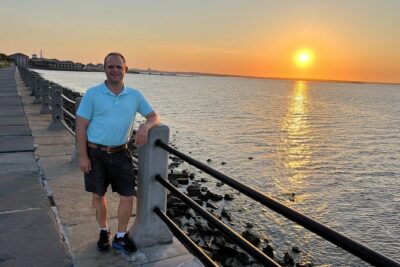
The walk continues to the High Battery, where Karen talks about the start of two wars in Charleston’s harbor. It’s one of the most striking parts of the route because it connects the city’s waterfront reality to major conflict.
You’ll also hear about the last Royal Governor, plus how the Civil War begins and ends is discussed in relation to Charleston. The tour doesn’t treat these as isolated facts. It treats them as turning points that changed the direction of the city.
This section is where the tour’s pacing really helps. You’re reaching a viewpoint area after enough storytelling that the details make sense. You’re not just hearing about wars at random. You’re learning why this location mattered.
Practical tip: if you’re sensitive to sun or wind, plan for it. Waterfront areas can feel cooler or harsher depending on the day. A light layer can make the last section more comfortable.
Slavery, Hospitality, Friendly Societies, and the Hard Parts
As you make your way back, Karen broadens the story beyond politics and battles. She discusses slavery, hospitality, and friendly societies in colonial Charleston, bringing the conversation back to community life.
This part matters because it stops the tour from becoming one-note. Charleston’s history isn’t only buildings and famous names. It includes systems that harmed people, social networks that organized everyday survival, and a culture that could feel welcoming while existing alongside cruelty.
Karen also brings in context for more modern racial history, including the Jim Crow era in Charleston, which she explains in a way that supports the bigger picture of how the city’s social rules evolved.
In plain terms: you’ll understand more about why the city is the way it is, not just what happened once.
Food Culture at the End: Where to Go Next
The tour ends with food culture. Karen sends you off with restaurant recommendations in town, and that closing touch is genuinely useful. Charleston can be so food-focused that you might otherwise waste time figuring out where to eat. Instead, you leave the history loop with a plan that fits the mood of the day.
Since the tour finishes near the start point, you can also adjust easily. If you want a quick bite, a longer sit-down meal, or something in between, you have options without trekking back across town.
For me, this ending works because it respects the way Charleston days unfold. You learn the context, then you eat in the same city that shaped the food culture.
Who This Tour Fits Best (and Who Might Want Something Else)
This stroll is a great match if you want:
- A guided narrative through major Charleston neighborhoods on foot
- A focus on architecture, street layout, and the people behind it
- A guide who can explain hard topics like slavery and Jim Crow era without losing the thread
It’s also a good choice if you like learning that connects to what you can see right in front of you. You get named stops, clear transitions between areas, and a storyline that keeps building.
Who might pause before booking: if you hate walking tours or you want a mostly indoor experience with minimal street time, this route may feel like too much movement for a full 90 minutes.
Should You Book This Charleston Lowcountry History Stroll?
Yes, if you want a sharp, well-paced introduction to historic Charleston that goes beyond surface charm. Karen McDaniel’s approach stands out because she doesn’t just point at buildings. She gives you mental hooks with charts, graphs, and specific place names, so the city becomes easier to read after the tour.
I’d book it especially if your schedule is tight. In about 1.5 hours, you cover Broad Street, Tradd Street, the original walled city area, Bay Street, and the High Battery—then you leave with food ideas that help you keep momentum.
Skip it only if you’re looking for a slow, stop-and-stay, museum-style experience. This is a strolling tour, and the payoff is in the motion and the connections.
If you’re ready to get your bearings fast and learn the stories that shaped the street lines you’ll keep seeing all week, this one is a strong choice.
FAQ
How long is the Lowcountry History Strolls tour?
It runs about 1 hour 30 minutes.
Where does the tour start?
The meeting point is 117 Broad St, Charleston, SC 29401.
Where does the tour end?
It ends back at the meeting point.
Is the tour private or shared?
It’s a private tour/activity, so only your group participates.
What language is the tour offered in?
The tour is offered in English.
Do I need a printed ticket?
No. It uses a mobile ticket.
Are service animals allowed?
Yes, service animals are allowed.
Is it near public transportation?
Yes, it’s near public transportation.
Can most travelers participate?
Most travelers can participate.
What is the cancellation policy?
You can cancel for a full refund up to 24 hours before the experience’s start time.
More History Tours in Charleston





More Charleston Tours Worth Booking



More Lowcountry Day Trips from Charleston


Still deciding? Here are the newest Charleston tours and experiences we have reviewed








Lowcountry Day Trips, compared.
 ★ 5.0Outer Banks Film Locations TourFrom $225174 reviews
 ★ 4.5Trolley Tour in Wadmalaw Island of South Carolina104 reviews
 ★ 4.9Wadmalaw Island Wine Tasting and Tea Garden TripFrom $14994 reviews
 ★ 5.0Wine Sippin’-Tea Drinkin’-Tree Huggin’ Lowcountry SightseeingFrom $14988 reviews
 ★ 5.0Get Out of Town! Visit 12 Lowcountry Stops with the Complete Charleston Tour!From $14551 reviews
 ★ 5.0Ferry Round Trip between Waterfront Park and Daniel Island41 reviews
 ★ 5.0Get Out of Town! Lighthouses, Beaches and Forts Tour! Folly to Sullivan’s IslandFrom $8541 reviews
 ★ 5.0Shem Creek Culture TourFrom $2625 reviews
Browse the lists this tour appears in