Reviewed · HISTORIC DISTRICT WALKING TOURS
Jewish History Private Walking Tour of Charleston
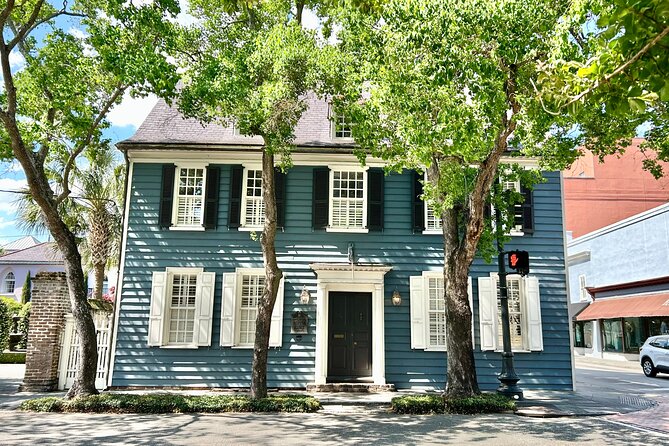
Charleston hides a second story. In this private tour, I like how the guide turns street corners into real narratives—starting at the Old Exchange and Provost Dungeon and weaving in Moorish Revival architecture and Revolutionary-era names you won’t forget. You get a focused, small-group format that keeps the pace humane and the questions welcome.
I also like that the tour is built around specific places, not vague themes. You’ll pass landmark buildings tied to Sephardic and French-Jewish Charlestonians, hear how Francis Salvador became known as the Paul Revere of the South, and learn about institutions like the Hebrew Orphan Society. One drawback: it’s still an outdoor walking experience, so plan on moderate walking and being out in the elements if Charleston decides to misbehave.
In This Review
- Key Highlights You’ll Feel Immediately
- Entering the Story at Old Exchange and Provost Dungeon
- Farmers & Exchange Bank: Moorish Revival and David Lopez
- Dock Street Theater and Sasportas Tenements: Privateers, Property, and Presence
- Francis Salvador: The Paul Revere of the South
- Dr. Jacob de la Motta’s Pharmacy and the Hebrew Orphan Society
- Moses Cohen Mordecai and Isaac Harby: Business, Conflict, and Reform Leadership
- Why the Guide’s Style Makes the Two Hours Work
- Price and Value for a Group Up to Two
- Practical Tips: Shoes, Shade, and How to Get the Most From It
- Who Should Book This Jewish History Tour?
- Should You Book This Jewish History Private Walking Tour?
- FAQ
- How long is the Jewish History Private Walking Tour of Charleston?
- How much does the tour cost?
- Where does the tour start and where does it end?
- Is the tour private?
- What language is the tour offered in?
- Will I get a ticket on my phone?
- What fitness level is needed?
- What happens if bad weather affects the tour?
Key Highlights You’ll Feel Immediately
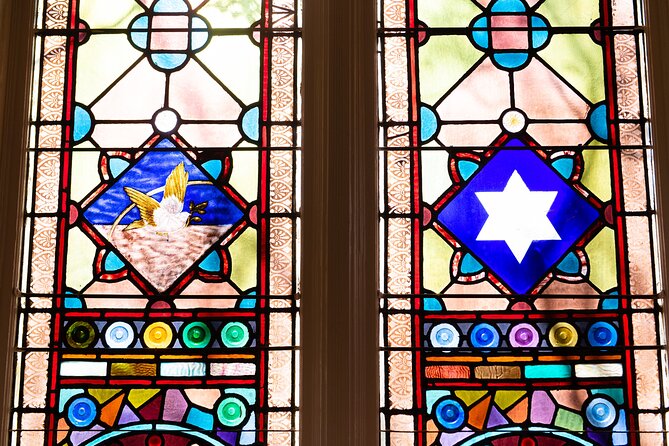
- Farmers & Exchange Bank Building’s Moorish Revival character: see how David Lopez helped shape Charleston’s visual Jewish legacy.
- Dock Street Theater and Dock Street area ownership links: connect Milton Pearlstine and Abraham Sasportas to the streets you walk.
- Francis Salvador, the Paul Revere of the South: a Revolutionary War story that adds a missing chapter to the usual curriculum.
- Dr. Jacob de la Motta’s former pharmacy: a tangible marker of early Jewish business life in America.
- Hebrew Orphan Society’s longevity: understand why an old charity can still matter when you look at how it began.
- Reform Judaism leadership through Isaac Harby: see how Charleston fed national religious change.
Entering the Story at Old Exchange and Provost Dungeon
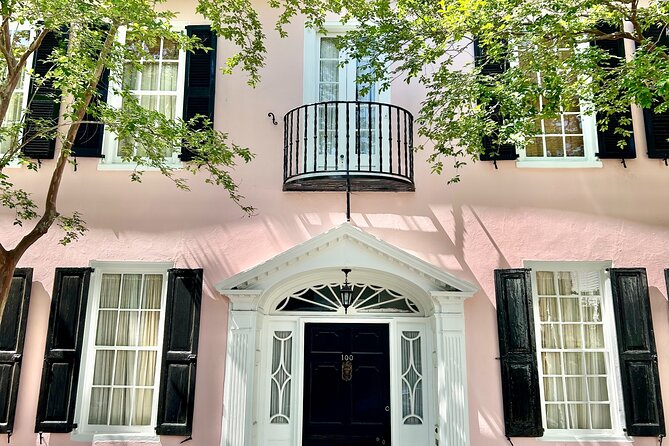
Your tour starts at Old Exchange and Provost Dungeon at 122 E Bay St. That matters, because this is one of the best “anchor” spots in downtown Charleston. From there, you can easily connect what you’re seeing—churches, tenements, theaters, banks—to the bigger American timeline the guide brings into focus.
For me, the best part about starting here is that you immediately get context: Charleston wasn’t just scenic. It was political, commercial, and strategic. When the guide then transitions into Jewish Charleston, it doesn’t feel like a side quest. It feels like the missing thread of the main story.
Trade one set of cobblestones for another with more Charleston walking tours.
- Historic Charleston Guided Sightseeing Walking Tour★ 5.0 · 6,216 reviews
- Charleston Horse-Drawn Carriage Tour: Explore Historic Charleston★ 5.0 · 3,561 reviews
- Ghosts of Charleston Night-Time Walking Tour with Unitarian Church Graveyard★ 4.5 · 2,835 reviews
Farmers & Exchange Bank: Moorish Revival and David Lopez
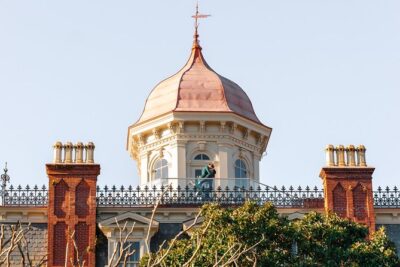
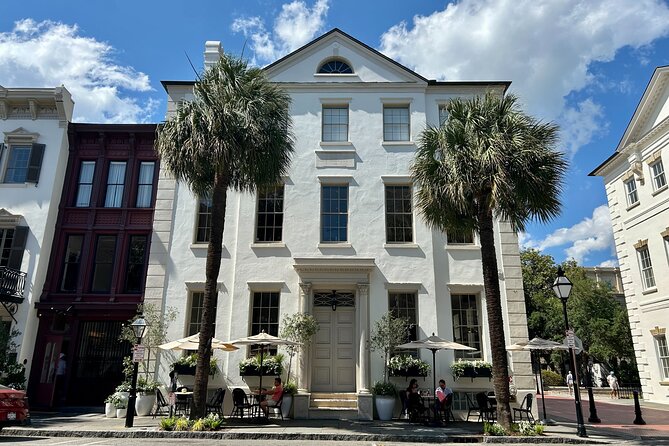
One of the first big visual moments is the Farmers & Exchange Bank Building, often cited as one of the best examples of Moorish Revival architecture in Charleston. The guide ties that architecture to David Lopez, a prominent Sephardic Jewish Charlestonian.
What I like about this stop is the way the guide links form and people. You’re not just told that a building exists—you’re shown why it looks the way it does and who had the means and identity to make that statement in public. Even if you normally skip architecture talk, this one lands because it’s anchored to real names and real status in the city.
If you care about how communities express themselves through design and money—without needing a museum label—this stop will be worth your time. It’s also a great way to set expectations for the rest of the tour: you’ll keep seeing how Jewish life shaped Charleston in visible ways, not only in documents.
Dock Street Theater and Sasportas Tenements: Privateers, Property, and Presence
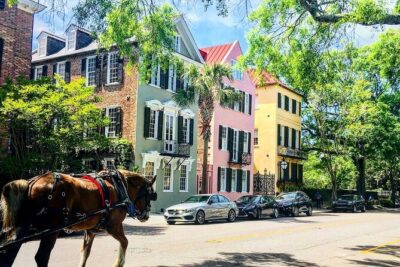
Next, you move along to the Dock Street Theater, which the guide connects to Milton Pearlstine, along with a pass by the Sasportas Tenements—once owned by Abraham Sasportas, described as a French-Jewish privateer and Revolutionary War soldier.
This is where the tour starts to feel extra practical. Charleston’s downtown layout can be confusing at first glance, but the guide uses these landmarks to teach you how to “read” the city. The theater and tenements aren’t random stops. They’re proof that Jewish people weren’t tucked away in the margins. They participated in ownership, entertainment, housing, and war-era politics.
If you like history that includes commerce and everyday life—not just battlefields—this portion is a strong match. Tenements, in particular, help you picture what living near the center of the city actually meant.
Francis Salvador: The Paul Revere of the South
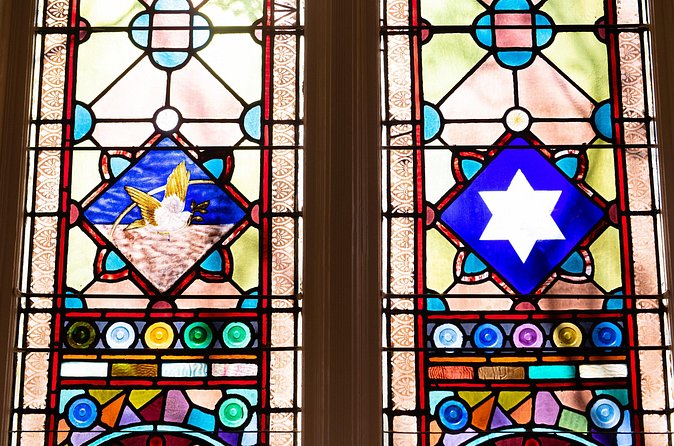
One of the tour’s most memorable story stops is Francis Salvador, described as the first Jewish person to die in the American Revolution. The guide also references his role using the nickname Paul Revere of the South.
I like this story because it refuses to keep Jewish history at arm’s length. It’s not “interesting for trivia.” It’s tied to the Revolutionary narrative you already know. When you hear how Salvador fits into the South’s Revolutionary communication and risk, the whole period feels more complete.
This is also the type of stop where the guide’s storytelling style matters. The best part isn’t just the facts—it’s the way the story makes you look up at the street and think about who would have walked there. When a tour can do that, you start noticing details you would normally miss.
Dr. Jacob de la Motta’s Pharmacy and the Hebrew Orphan Society
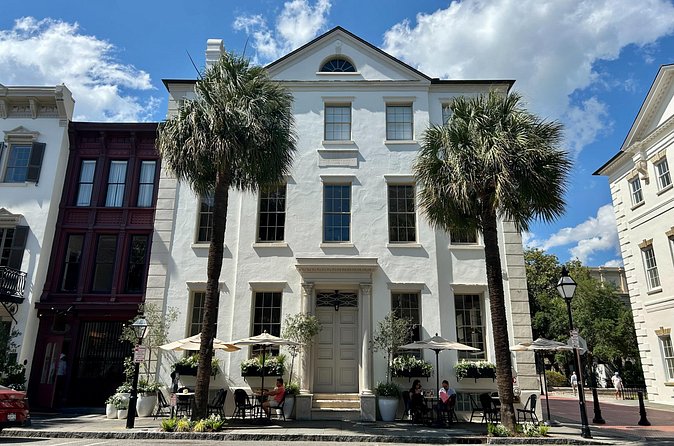
The tour then shifts to two key “institutions with staying power” moments: Dr. Jacob de la Motta’s former pharmacy, described as the first Jewish-owned pharmacy in the United States, and the Hebrew Orphan Society, noted as the oldest incorporated Jewish charity in the U.S.
These stops do two different jobs, and together they give you a fuller picture.
- Dr. de la Motta helps you see Jewish entrepreneurship and professional life. A pharmacy is practical. It’s healthcare, local business, and trust—all things you can imagine in daily use.
- The Hebrew Orphan Society helps you see Jewish communal responsibility over time. When you learn that it’s the oldest incorporated Jewish charity, you realize charity isn’t only an idea. It’s organization, leadership, and long-term planning.
If you’re the kind of person who likes history that doesn’t stay stuck in the past, this section is for you. You’re watching the guide connect business and community support to the same underlying values—then grounding that in real Charleston locations.
Want it just for your group? See more private Charleston tours.


Moses Cohen Mordecai and Isaac Harby: Business, Conflict, and Reform Leadership
Later in the walk, you hear stories of business magnate and Confederate Moses Cohen Mordecai, and you pass the home of Isaac Harby, described as a leader of the American Reform Judaism movement.
This pair of stops is important for balance. Jewish Charleston wasn’t one single stereotype or one single political stance. Mordecai ties the story to the complicated reality of the Civil War era, while Harby connects it to the religious modernization happening across America.
I find that this kind of contrast is what makes the tour feel honest. If every stop was celebratory, you’d miss the point of history as lived experience. Instead, you get a more human view: people built businesses, lived with political tension, shaped ideas, and influenced the direction of American Judaism.
Why the Guide’s Style Makes the Two Hours Work
This tour is a private experience, meaning you’ll only share it with your group. That’s a big deal for a subject like Jewish Charleston, because you’re likely to have follow-up questions—about names, dates, architecture, religious context, or why certain events are emphasized in American history.
In the reviews, the guide is consistently described as friendly, organized, and flexible. Ronnie Ludwin gets specific praise for answering questions well and even adjusting to the moment, including watching for comfort during hot weather. I also like that the tour isn’t locked into one rigid script. You’re more likely to get what you came for: clear stories tied to the exact streets and buildings you’re standing in.
Timing-wise, the tour is listed as about 2 hours, but some customized versions have stretched closer to 3 hours. So if you’re the type who asks questions and wants more context, don’t panic—just know that the experience can expand when the guide finds room for your interests.
Price and Value for a Group Up to Two
The price is $450 per group (up to 2) for roughly 2 hours. That pricing model is worth thinking about.
If you’re two people traveling together, it can work out to about $225 per person—often competitive for a private, story-heavy walking tour with a specialized topic. If you’re traveling solo, it’s $450 total, so the value depends on how much you care about getting one-on-one time on a niche subject.
Here’s what makes the price feel more justified than a generic group tour: you’re paying for precision. The stops are specific (David Lopez’s architecture links, Francis Salvador’s Revolutionary role, Dr. de la Motta’s pharmacy, and the Hebrew Orphan Society). You’re also paying for the ability to ask questions and receive tailored answers instead of listening to someone else’s pace.
If your goal is a quick city highlight reel, you might feel it’s pricey. If your goal is a deeper, more personal connection to Charleston’s people and how they shaped the place, this is the kind of tour where the cost starts to make sense.
Practical Tips: Shoes, Shade, and How to Get the Most From It
This experience fits travelers with moderate physical fitness. You’ll be walking outdoors in downtown Charleston, and the guide will likely factor in heat. Still, you’ll be happiest if you come prepared.
- Wear comfortable shoes with good grip. Downtown sidewalks can be uneven and slick depending on the day.
- Bring water, and plan for shade breaks when you can.
- If you use public transportation, the start area is described as near public transportation, which makes the meeting point easier than some more remote tour starts.
- Service animals are allowed.
One more real-world point: the tour is described as requiring good weather. If weather turns ugly, you might be offered another date or a refund. That’s a smart safeguard for an outdoor, walking-based experience.
Who Should Book This Jewish History Tour?
Book it if you want Jewish history that’s grounded in Charleston’s actual buildings and streets, not just a lecture. It’s also a great fit if you enjoy architecture, Revolutionary-era stories, and the way community institutions shaped everyday life—pharmacy, charity, housing, and religious leadership.
Skip it (or consider something broader) if you’re not interested in a niche history theme, or if you need a fully indoor experience. Also, if walking for two hours is a struggle, you may find the format less comfortable even with a private group.
Should You Book This Jewish History Private Walking Tour?
Yes, if you want a guided walk that treats Jewish Charleston as essential—not optional. The strongest reasons to book are the specific places tied to real people, the storytelling that explains why each stop matters, and the fact that it’s private with a guide known for flexibility and good Q&A.
If you’re price-sensitive, this is a smaller-group, higher-cost option. But for couples or two friends who want to slow down and get the context behind the landmarks, it’s a very solid value.
If you want one Charleston tour that helps you see the city as a layered American story, this is an easy one to recommend.
FAQ
How long is the Jewish History Private Walking Tour of Charleston?
The tour is listed as approximately 2 hours.
How much does the tour cost?
It’s $450.00 per group, up to 2 people.
Where does the tour start and where does it end?
It starts at Old Exchange and Provost Dungeon, 122 E Bay St, Charleston, SC 29401 and ends back at the meeting point.
Is the tour private?
Yes. It’s a private tour/activity, and only your group participates.
What language is the tour offered in?
The tour is offered in English.
Will I get a ticket on my phone?
Yes. The tour uses a mobile ticket.
What fitness level is needed?
Travelers should have a moderate physical fitness level.
What happens if bad weather affects the tour?
This experience requires good weather. If it’s canceled due to poor weather, you’ll be offered a different date or a full refund.
More Tours Across Charleston




More Charleston Tours Worth Booking
More Historic District Walking Tours in Charleston

Still deciding? Here are the newest Charleston tours and experiences we have reviewed






Historic District Walking Tours, compared.
 ★ 5.0Historic Charleston Guided Sightseeing Walking TourFrom $306,216 reviews
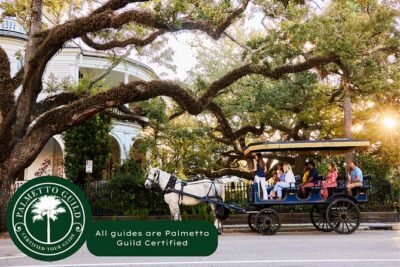 ★ 5.0Charleston Horse-Drawn Carriage Tour: Explore Historic CharlestonFrom $493,561 reviews
 ★ 4.5Ghosts of Charleston Night-Time Walking Tour with Unitarian Church GraveyardFrom $352,835 reviews
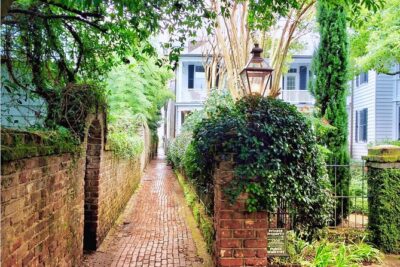 ★ 5.0Hidden Alleyways and Historic Sites Small-Group Walking TourFrom $342,335 reviews
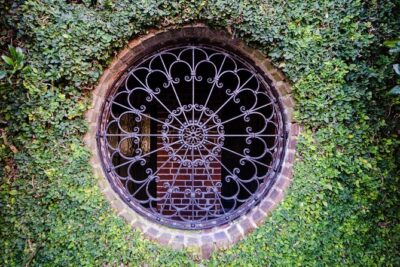 ★ 5.0Highlights of Charleston Guided Walking Tour2,206 reviews
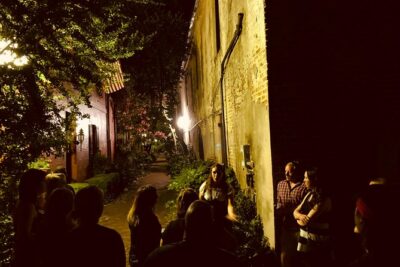 ★ 5.0Charleston Haunted Booze and Boos Ghost Walking TourFrom $391,569 reviews
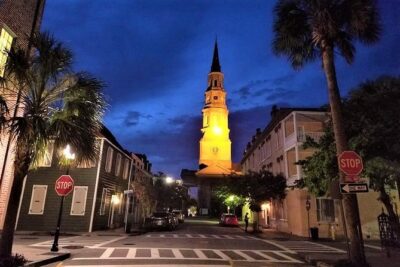 ★ 5.0Charleston’s Pleasing Terrors Night-Time Walking Ghost TourFrom $291,345 reviews
 ★ 5.0Charleston historical walking tour with a Professor of History at The CitadelFrom $401,284 reviews
Browse the lists this tour appears in