Reviewed · HISTORICAL TOURS
Evening History Tour
Charleston at dusk has a story in every corner. This 2-hour evening history walk keeps you out of the hottest hours and pairs classic landmarks with real context you can’t easily spot on your own. It’s guided, in English, and built for both first-timers and people who think they already know Charleston.
I especially like two things about it. First, the stop sequence threads together big moments in American history, including the daring escape connected to Robert Smalls. Second, the pace is friendly: short stops, clear landmarks, and free admission at each featured site so you can spend your energy on the talking, not ticket hassles.
One consideration: this tour depends on good weather, and it’s a downtown walking route. If you’re not into uneven sidewalks or you’re sensitive to walking outdoors, plan accordingly.
In This Review
- Key Things to Know Before You Go
- Why the Evening Walk Works in Charleston
- Finding Your Bearings at Pineapple Fountain and the Robert Smalls Story
- Rainbow Row at Night: Iconic Facades With Real Context
- Fort Sumter National Monument: Revolution to Civil War in One Harbor Story
- Old Exchange & Provost Dungeon: Government, Trade, and Dark Imprisonment
- St. Michael’s Church and the Four Corners of Law
- Group Size, Pace, and How Two Hours Actually Feels
- Price and Value: Free Entry Stops Plus Paid Storytelling
- Meeting Point at 80 Broad St and a Clean Finish at City Hall
- Who This Tour Is For (and Who Might Want Something Else)
- Should You Book This Evening History Tour?
- FAQ
- Where does the tour start and end?
- How long is the Evening History Tour?
- What language is the tour offered in?
- Is there a limit on how many people join the tour?
- Are there any admission fees for the stops?
- What happens if the weather is poor or I need to cancel?
Key Things to Know Before You Go
- Evening timing helps you see Charleston at a calmer hour and avoid the worst heat
- Small group size (max 20) makes it easier to hear your guide and ask quick questions
- Robert Smalls to Civil War battle sites keeps the story focused on real turning points
- Every major stop is free to enter, so the tour cost is mainly for the guiding
- Rainbow Row plus law-and-church stops add variety beyond only warfare and government
- You’ll finish at City Hall, so you can keep exploring right after without backtracking
Why the Evening Walk Works in Charleston
Charleston can feel like a museum you walk through—until the sun decides it’s taking over. This evening format helps you keep your energy for the details. You get the same downtown structure and landmarks, just with fewer heat-stressed stops.
I also like that the tour is designed around short, readable segments. You’re not being sent away for long stretches; you’re guided from one memorable point to the next. That matters when you’re trying to build a mental map fast, especially if it’s your first visit.
Finally, the guide approach is a big part of the value. It’s one thing to see Pineapple Fountain or Rainbow Row. It’s another thing to have someone connect them to the city’s deeper stories.
Dig deeper into the past with more Charleston history tours.
- Charleston’s Old South Carriage Historic Horse & Carriage Tour★ 5.0 · 10,023 reviews
- Historic Charleston Guided Sightseeing Walking Tour★ 5.0 · 6,216 reviews
- Charleston Horse-Drawn Carriage Tour: Explore Historic Charleston★ 5.0 · 3,561 reviews
Finding Your Bearings at Pineapple Fountain and the Robert Smalls Story
The tour starts at 80 Broad St and makes its first stop at Pineapple Fountain. The pineapple symbol is tied to hospitality and welcome, which is a perfect mood-setter for Charleston. Right next to it, you get a jump straight into Civil War history.
The highlight here is the monument to Robert Smalls, and the guide’s explanation of his escape during the Civil War. This isn’t just a name to memorize. You’ll hear the story as something human and dramatic, which helps the rest of the tour click into place.
One practical tip: spend a moment looking at the immediate surroundings, not just the monument. At this hour, the area can feel lively, and it’s easy to miss small details while you’re listening. Slow down and do both: listen first, then glance around.
Rainbow Row at Night: Iconic Facades With Real Context
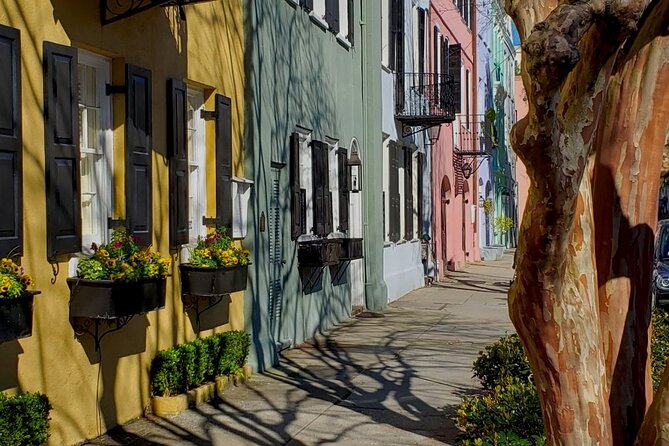
Next up is Rainbow Row, arguably the city’s most photographed landmark strip. The buildings were built between the 1740s and 1750s, and the row is famous enough that it shows up on everything from needlepoint designs to shot glasses. That’s the fun part.
The more useful part is how your guide frames it. Instead of treating Rainbow Row like a postcard background, you’ll get the sense of how Charleston’s architecture became part of how people market and remember the city. You’ll also see how these houses are more than pretty—they’re linked to the city’s wealth, change, and identity over time.
This is a short stop, about 10 minutes, so don’t plan on doing a photo marathon. Use the time for a few steady shots plus one big look down the row so you understand the layout.
Fort Sumter National Monument: Revolution to Civil War in One Harbor Story
Then the tour turns to one of Charleston’s biggest historical stages: the harbor and Fort Sumter National Monument. Your guide connects the dots across eras, from conflict in the American Revolution to the opening moves of the Civil War.
You’ll hear about the battle of Fort Sullivan during the Revolution. Then the story shifts forward to the first shots of the Civil War at Fort Sumter, and the role of the Massachusetts 54th during the action at Battery Wagner. It’s a lot of history for a short stop, but the guide keeps it organized.
Why this stop is worth your attention: Charleston’s harbor isn’t just scenery. It’s a geographic reason why so many wars mattered here. If you’ve ever wondered why Charleston keeps returning in American history, this is your answer in plain form.
The 15-minute timing means you’ll get key moments, not an academic lecture. If you want extra reading later, you’ll leave with enough names and events to search smartly.
Old Exchange & Provost Dungeon: Government, Trade, and Dark Imprisonment
One of the most intriguing stops is at Old Exchange & Provost Dungeon. This complex is tied to the Exchange, Customs House, and the Provost Dungeon, and it’s often discussed as one of the most historic colonial American structures. The big idea for your visit: commerce and punishment lived close together.
The guide’s framing is what makes it click. You’ll hear stories that stretch from presidents to pirates, which might sound like a grab bag until you realize the theme is power—who controlled trade, who got arrested, and how authority was enforced. This is the stop where the tour feels the most like stepping into a living timeline.
A consideration here: if you’re hoping for a lot of time inside buildings, this stop is relatively short (about 10 minutes). You’ll likely focus on exterior context and the guide’s interpretation. Treat it as your orientation to the place, then consider a deeper follow-up if the dungeon details hook you.
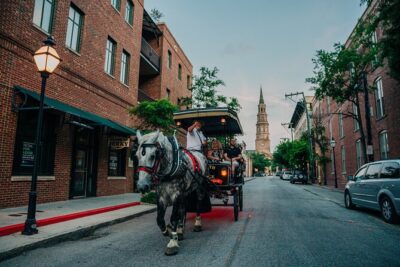
When the sun drops, more Charleston evening outings begin.
St. Michael’s Church and the Four Corners of Law
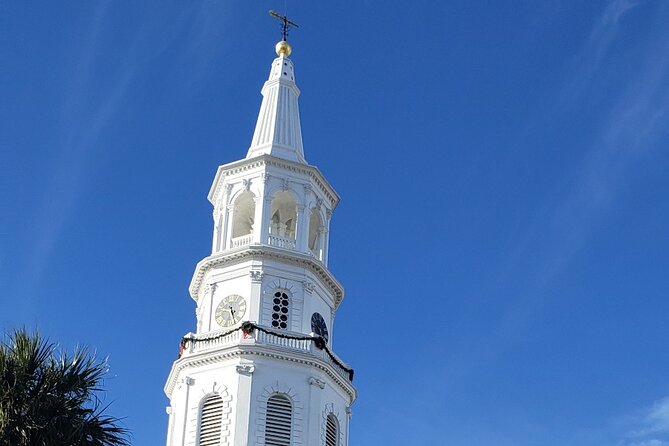
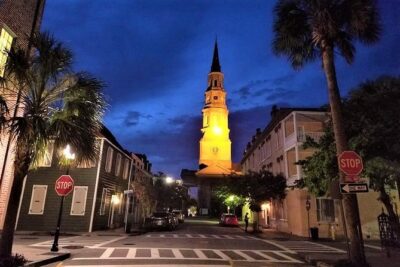
The tour wraps with St. Michael’s Church and its unusual concept: the Four Corners of Law, named by Robert Ripley of Ripley’s Believe It or Not. The idea is that God, local law, state law, and federal law are represented here. It’s one of those Charleston moments where history shows up as a visual puzzle.
The stop is brief, about 5 minutes, so keep your expectations realistic. You won’t get time to wander the surrounding area for an hour. But you will get the context that turns a quick look into a moment you’ll remember.
If you like quirky historical details, this is a satisfying final beat. It keeps the tour from ending on battle stories alone and reminds you Charleston was also a place where law, religion, and governance shaped daily life.
Group Size, Pace, and How Two Hours Actually Feels
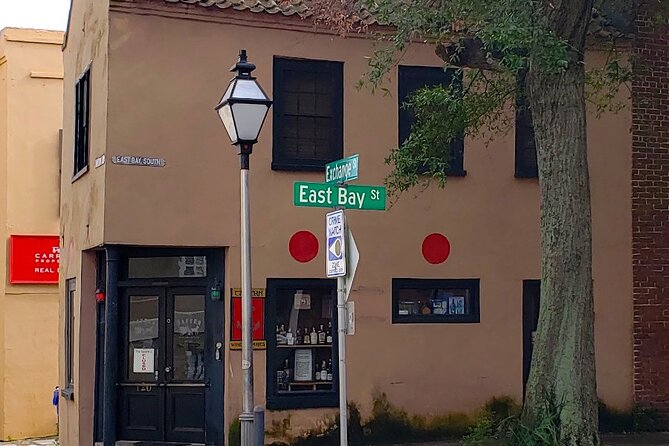
This tour runs about 2 hours and holds a maximum of 20 travelers. That’s a sweet spot for a walking tour. Small enough for the guide to keep everyone engaged, large enough that you’re not stuck waiting on the slowest person in the group.
The pace is deliberately stop-and-start, with each main point lasting roughly 5 to 15 minutes. That structure helps you keep focus. You’re not worn out before you reach the best parts, and you don’t lose the thread when you switch locations.
If you’re a first-timer, you’ll get a compact introduction to Charleston’s most recognizable corners. If you’re a repeat visitor, you’ll get something better than another self-guided loop: explanations that connect monuments to a bigger story.
Price and Value: Free Entry Stops Plus Paid Storytelling
Each featured stop is marked as free admission, which matters for value. You’re not paying for entry fees on top of the tour. What you are paying for is the guide’s ability to make sense of relationships between sites and events—especially across the Civil War and earlier conflicts.
Even without a breakdown of the exact price, the value logic here is clear: you’re spending money for time, clarity, and interpretation. In a city where you can see landmarks on your own, the “worth it” factor is whether you’ll understand what you’re looking at while you’re looking at it.
To get the best value, come ready to walk and listen. If you treat the tour like a photo scavenger hunt, you’ll miss why it’s more than sightseeing.
Meeting Point at 80 Broad St and a Clean Finish at City Hall
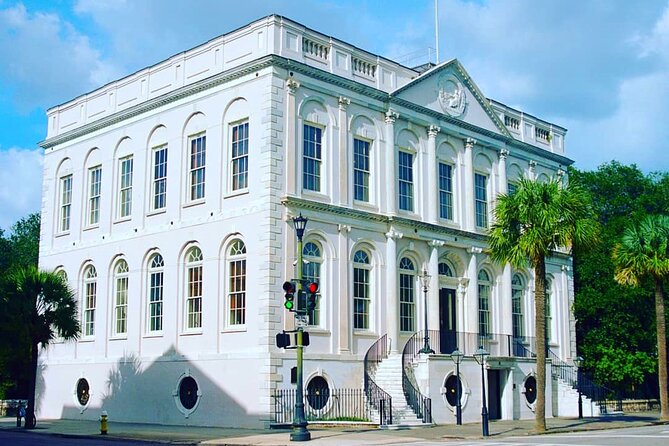
The tour starts at 80 Broad St, Charleston, SC 29401. It ends at Charleston City Hall, in front of the building at the intersection of Broad and Meeting Streets.
That end point is handy. City Hall sits in a central pocket, which makes it easy to keep going on your own—dinner, a night stroll, or popping into nearby sights—without needing to retrace your steps.
When you arrive, give yourself a few minutes before start time to orient and settle. With downtown streets and foot traffic, it helps to be ready instead of rushing while the guide is getting everyone together.
Who This Tour Is For (and Who Might Want Something Else)
This is a great fit if you want a history-focused introduction that doesn’t swallow your day. The evening schedule helps if daytime heat usually knocks you out early.
It’s also a good match if you like having a local frame for famous places. Charleston landmarks can feel too famous and too curated unless someone explains why they matter.
You might consider a different style of tour if you prefer long time at one site or lots of indoor exploring. The structure here is compact, and most of the payoff is in the storytelling as you move.
Should You Book This Evening History Tour?
Yes, if you want to understand Charleston quickly and comfortably. The combination of free entry stops, a guided explanation by a local (including named guide praise for Evans), and a history thread that spans Revolution to Civil War makes it a solid use of an evening.
Book it if you’re traveling with limited time or you want a structured way to learn without homework. Skip it only if you dislike walking outdoors or you’re traveling during a period when weather is unreliable.
If you’re on the fence, this is the kind of tour that tends to reward attention more than speed. Go in with comfortable shoes and a listening mindset, and you’ll leave downtown feeling like you actually understand what you just saw.
FAQ
Where does the tour start and end?
The tour starts at 80 Broad St, Charleston, SC 29401, USA. It ends at Charleston City Hall at the intersection of Broad and Meeting Streets.
How long is the Evening History Tour?
It lasts about 2 hours.
What language is the tour offered in?
The tour is offered in English.
Is there a limit on how many people join the tour?
Yes. The tour has a maximum of 20 travelers.
Are there any admission fees for the stops?
The listed stops are marked with free admission.
What happens if the weather is poor or I need to cancel?
The experience requires good weather. If it’s canceled due to poor weather, you’ll be offered a different date or a full refund. You can cancel for a full refund if you cancel at least 24 hours in advance.
More History Tours in Charleston






More Tours Across Charleston



More Charleston Tours Worth Booking
Still deciding? Here are the newest Charleston tours and experiences we have reviewed










Historical Tours, compared.
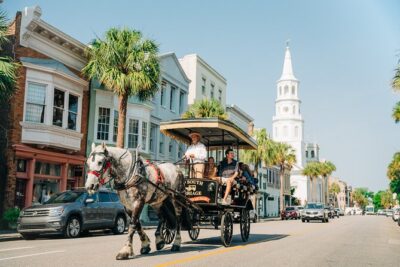 ★ 5.0Charleston’s Old South Carriage Historic Horse & Carriage TourFrom $5010,023 reviews
 ★ 5.0Historic Charleston Guided Sightseeing Walking TourFrom $306,216 reviews
 ★ 5.0Charleston Horse-Drawn Carriage Tour: Explore Historic CharlestonFrom $493,561 reviews
 ★ 4.5Charleston Harbor History Day-Time or Sunset Boat CruiseFrom $442,788 reviews
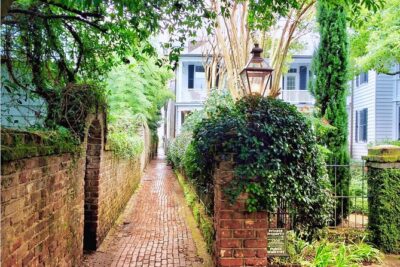 ★ 5.0Hidden Alleyways and Historic Sites Small-Group Walking TourFrom $342,335 reviews
 ★ 4.5Daytime or Sunset Historic Harbor CruiseFrom $491,352 reviews
 ★ 5.0Charleston historical walking tour with a Professor of History at The CitadelFrom $401,284 reviews
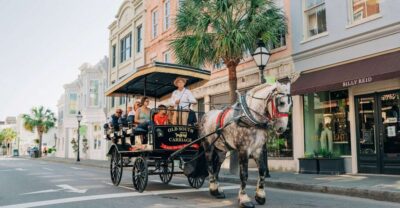 ★ 4.8Historical Downtown Tour by Horse-drawn CarriageFrom $501,009 reviews
Browse the lists this tour appears in