
Reviewed · HISTORIC DISTRICT WALKING TOURS
Charleston walking tour with a Citadel history professor
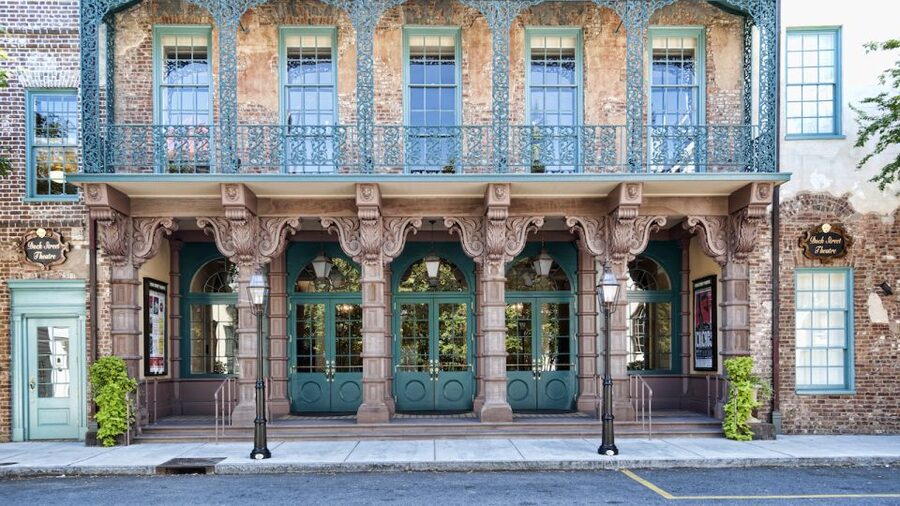
History walks here, not just talks. This Charleston tour is led by Eric Lager, a Citadel history professor, and it turns the streets around you into a timeline you can actually picture, from 1670’s founding era to the Civil War. I like that you’ll follow the city down old alleys and into graveyard-adjacent corners while stopping at places such as the Dock Street Theater and the French Huguenot Church.
Two things I really like: first, the group stays small (guaranteed no more than 12), so you can ask questions and keep up without shouting over a crowd. Second, the stories aren’t just dates; he connects architecture, religion, and cultural influences to what Charleston looked like and how people lived and argued back then.
One thing to consider: this is not a wheelchair-friendly tour, and it’s built around walking on historic sidewalks and through lanes, so plan for a steady pace and solid footwear.
In This Review
- Key things you’ll notice right away
- Meet at 108 Meeting Street—then get your bearings fast
- A 3-hour timeline tour of Charleston’s big eras (and the parts in between)
- Old alleys and graveyard history: why the quiet parts matter
- Dock Street Theater: an iconic stop with a cause-and-effect story
- French Huguenot Church: faith and community as history drivers
- Four Corners of Law and Washington Park: rules, power, and public space
- Why the max-12 group size changes everything
- What’s included—and what you’ll need to plan yourself
- Price value: why $40 can feel fair in Charleston
- Rain, shoes, and other practical details that actually affect your day
- Who this tour is best for
- Should you book Charleston History Walk with Eric Lager?
- FAQ
- How long is the Charleston walking tour?
- How much does it cost?
- How big is the group?
- Where do I meet the guide?
- Is food or drinks included?
- Are house museums included in the tour?
- Is the tour wheelchair accessible?
- Does the tour run in bad weather?
- Are pets allowed?
- Is free cancellation available?
Key things you’ll notice right away

- A professor-led walk with real classroom skills: Eric Lager brings a teaching style honed over years in public history and college instruction.
- Small-group format (max 12): you get interaction, not just a one-way lecture.
- Old alleys + graveyard areas: quiet spaces that explain how communities remembered people.
- Iconic stops with context: Dock Street Theater and French Huguenot Church aren’t treated like postcards.
- Law and civic space lessons: the tour tackles the Four Corners of Law and Washington Park as living civic ideas.
- Rain or shine, unless unsafe: you’ll want water and layers if the weather flips.
Meet at 108 Meeting Street—then get your bearings fast
You’ll start on the sidewalk along 108 Meeting Street, at a building marked by four small white Ionic Greek columns. It’s now a graphic design center and isn’t open to the public, but the meeting spot is right outside, along the brick wall.
If you’re trying to orient quickly: it’s directly across from Hibernian Hall and the pink Mills House Hotel. The good practical note here is that there are restrooms at the Mills House Hotel, but none at the actual meeting point. So if you need that first-stop comfort move, build it into your arrival plan.
Trade one set of cobblestones for another with more Charleston walking tours.
- Historic Charleston Guided Sightseeing Walking Tour★ 5.0 · 6,216 reviews
- Charleston Horse-Drawn Carriage Tour: Explore Historic Charleston★ 5.0 · 3,561 reviews
- Ghosts of Charleston Night-Time Walking Tour with Unitarian Church Graveyard★ 4.5 · 2,835 reviews
A 3-hour timeline tour of Charleston’s big eras (and the parts in between)
This is a 3-hour walking history tour through the historic district, designed to show you modern Charleston through the lens of what came before it. The eras covered run across the founding period beginning in 1670, the American Revolution, the Antebellum Era, and the Civil War.
What makes this setup useful is how he frames history as story, not a list. You’ll be asked to connect buildings to beliefs, laws to power, and everyday street life to the major turning points that shaped the city. One reason the tour lands so well is that it’s built for continuity: you hear what’s happening in the past, then you look at the street you’re standing on and understand why it’s arranged the way it is.
Old alleys and graveyard history: why the quiet parts matter

A major highlight is the way the tour guides you through old alleys and graveyards. These places are easy to skim past when you’re sightseeing on your own. With a trained historian steering you, they become clues—about community memory, about who belonged, and about how people expressed values when life was uncertain.
Also, these stops tend to slow your pace in a good way. You’ll get time to look at details you’d miss, like how the city’s layout shapes movement and how people used space for privacy, worship, and remembrance. If you like history that feels grounded and human, this is where the tour starts to click.
Practical note: because this is still a walk, don’t wear shoes you only tolerate for an hour. You want something stable, especially if the surface looks charming but uneven (historic districts love that combination).
Dock Street Theater: an iconic stop with a cause-and-effect story
The tour includes a look at the Dock Street Theater, and you’re not just meant to admire the facade. The value comes from connecting the building (and the neighborhood around it) to the larger Charleston story—how cultural life, public spaces, and social energy developed over time.
If you’ve only visited Charleston from the “viewpoint” angle, this kind of stop helps you shift into “understanding” mode. You’ll hear explanations that connect what you’re seeing with how the city grew, what it valued, and how different groups negotiated space and influence.
It’s also one of those moments where you realize a lot of Charleston’s most famous sights make sense only when you know the city’s internal logic. That’s what you’re paying for: context that makes the sights feel earned.
French Huguenot Church: faith and community as history drivers
Another featured stop is the French Huguenot Church. This is the kind of site where religion isn’t treated as an abstract topic. Instead, it becomes a lens for understanding cultural identity and how immigrant communities helped shape Charleston’s social fabric.
The tour’s approach—mixing religious context with broader political and cultural influence—matters here. You won’t just learn that people worshipped there; you’ll connect faith communities to networks, to the way Charleston organized itself, and to the continuing impact those early choices had as the city evolved.
If you’re the type who enjoys architecture and symbolism, you’ll likely appreciate how these stories intersect with what you can see. Churches, courtyards, and nearby streets are often built to communicate status and belonging. When someone explains the reasons behind the look, you start noticing patterns on your own.
Dig deeper into the past with more Charleston history tours.



Four Corners of Law and Washington Park: rules, power, and public space
One of the most specific elements on the itinerary is learning about the Four Corners of Law and seeing Washington Park through a historical lens. This part is valuable because it explains how Charleston managed order and conflict—long before the city became what most people think of today.
Here’s the practical payoff: once you understand the “law” side of the city, other details start to make sense. Building placement, neighborhood boundaries, and civic landmarks become more than scenery. They reflect decisions about governance and public life.
Washington Park also gives you a chance to connect past civic planning to present-day walking. You see how public space works over time—what stays relevant, what changes, and how the city’s identity keeps echoing forward even as eras change.
Why the max-12 group size changes everything
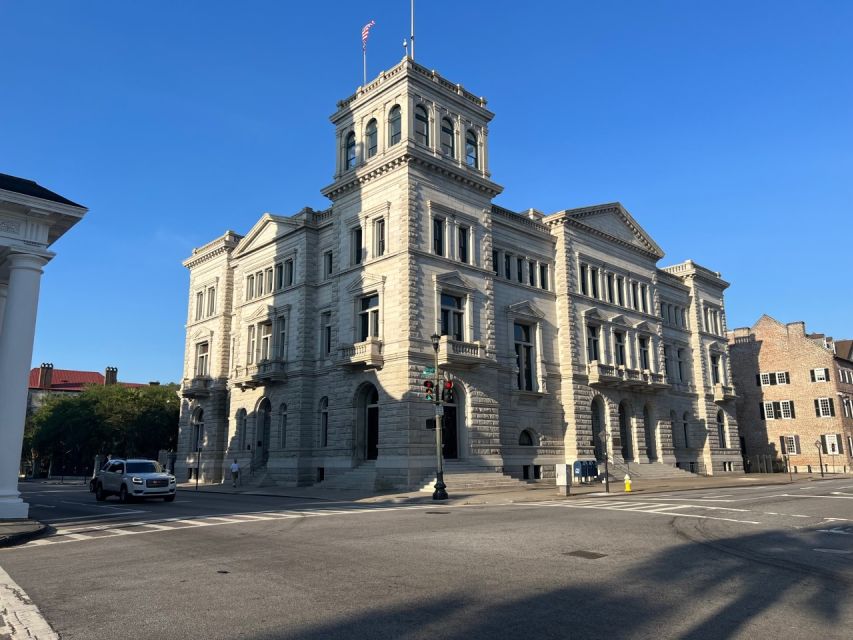
You’re paying $40 for 3 hours, but the value isn’t just the time. It’s the delivery format. This tour keeps to no more than 12 people, which is rare in a city where some group tours can feel like a school bus with better shoes.
Small group means:
- You can ask questions without losing your place in the story.
- You hear more of the fine points, especially when the guide points out architectural or cultural details.
- The pace stays conversational instead of herded.
In the feedback this tour has received, the most repeated theme is that Eric Lager doesn’t treat the tour like a script. The interaction is real, and he’s comfortable answering questions on the spot—so you’re not just collecting facts, you’re building understanding.
What’s included—and what you’ll need to plan yourself
The price is $40 per person for a 3-hour walk. What’s included is the guide and the professionally trained historian guide. What’s not included: hotel pickup/drop-off, food and drinks, and entry into house museums.
That last part matters. If you’re expecting to step inside museum houses as part of the tour, you’ll need to plan that separately. The walk focuses on the streets and exterior context—using visible space to tell visible stories.
For food and drink, bring your own plan for before or after. The tour doesn’t build meal stops into the experience, so think of it like a focused morning or afternoon session, not a casual wander with breaks for snacks.
Price value: why $40 can feel fair in Charleston
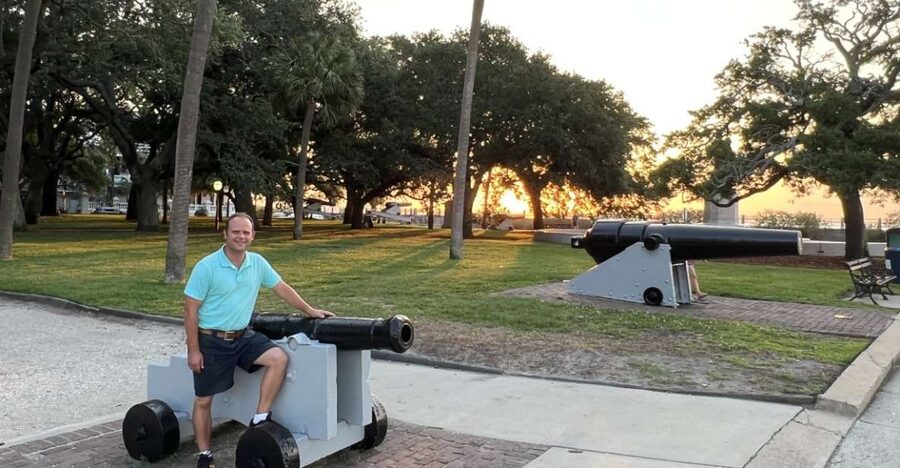
Charleston has plenty of tours at different price points, but here’s how I’d judge value for this one: you’re paying for a rare combo—expert-led context plus a small-group limit. At $40, you’re not buying an all-day museum pass, and you’re not paying for private car logistics. You’re paying for the way the guide links architecture, religion, and political history into one walkable story.
If you’re the kind of traveler who wants to understand what you’re seeing rather than just check locations off a list, this is the type of experience that can pay off fast. The tour is short enough to fit into your schedule, and long enough to cover multiple eras without feeling like a hurried highlight reel.
Rain, shoes, and other practical details that actually affect your day
This tour runs rain or shine unless conditions are unsafe. That means you should plan for weather shifts rather than hoping the heavens cooperate.
Bring comfortable shoes and water. That’s not a throwaway instruction. A 3-hour walk in Charleston heat (or damp cool) can wear you down if you forget hydration.
Pets aren’t allowed, though assistance dogs are allowed. Also keep in mind the tour is not suitable for wheelchair users—so choose alternatives if mobility is a concern.
Who this tour is best for
This walking tour is a great fit if you:
- Want a history guide who treats Charleston like a living argument between eras.
- Enjoy architecture and the “why” behind city design.
- Like stories with humor and human messiness, not just solemn lectures.
- Prefer asking questions in a small group rather than talking to your shoes.
If you dislike walking tours, can’t handle uneven historic sidewalks, or need a more stop-and-go itinerary with indoor time, you may find this format stressful. For everyone else, it’s a strong way to get past the postcard version of Charleston and see how the city learned, governed, worshipped, and fought its way into what you see today.
Should you book Charleston History Walk with Eric Lager?
I’d book it if you want Charleston history with actual teaching behind it and you care about context—especially around colonial Charleston, the Revolution, the Antebellum period, and the Civil War. The small group size is a real quality-of-life upgrade, and the choice of stops (Dock Street Theater, French Huguenot Church, Four Corners of Law, Washington Park) helps you connect major themes instead of hopping randomly between landmarks.
I’d skip it if you need wheelchair accessibility, hate walking on historic surfaces, or want guaranteed inside-the-house museum visits. This tour is about streets, spaces, and what they mean.
Bottom line: at $40 for 3 hours, it’s a smart, focused way to make Charleston’s past feel like it belongs to the streets you’re standing on.
FAQ
How long is the Charleston walking tour?
The tour lasts 3 hours.
How much does it cost?
It costs $40 per person.
How big is the group?
The tour is guaranteed to have no more than 12 people, which keeps it small-group and more interactive.
Where do I meet the guide?
Meet along the sidewalk brick wall in front of 108 Meeting Street, across from Hibernian Hall and the pink Mills House Hotel.
Is food or drinks included?
No. Food and drinks are not included.
Are house museums included in the tour?
No. Entry into house museums is not included.
Is the tour wheelchair accessible?
No. The tour is not suitable for wheelchair users.
Does the tour run in bad weather?
Yes. It runs rain or shine, unless conditions are unsafe.
Are pets allowed?
Pets are not allowed, but assistance dogs are allowed.
Is free cancellation available?
Yes. You can cancel up to 24 hours in advance for a full refund.
More Tours Across Charleston





More Charleston Tours Worth Booking
More Historic District Walking Tours in Charleston



Still deciding? Here are the newest Charleston tours and experiences we have reviewed










Historic District Walking Tours, compared.
 ★ 5.0Historic Charleston Guided Sightseeing Walking TourFrom $306,216 reviews
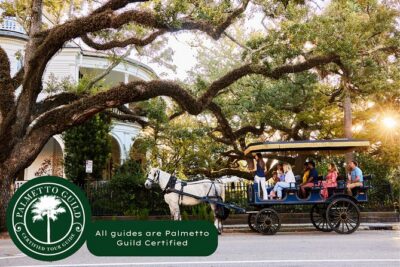 ★ 5.0Charleston Horse-Drawn Carriage Tour: Explore Historic CharlestonFrom $493,561 reviews
 ★ 4.5Ghosts of Charleston Night-Time Walking Tour with Unitarian Church GraveyardFrom $352,835 reviews
 ★ 5.0Hidden Alleyways and Historic Sites Small-Group Walking TourFrom $342,335 reviews
 ★ 5.0Highlights of Charleston Guided Walking Tour2,206 reviews
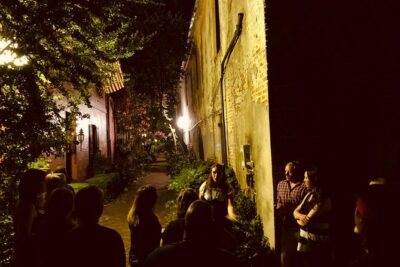 ★ 5.0Charleston Haunted Booze and Boos Ghost Walking TourFrom $391,569 reviews
 ★ 5.0Charleston’s Pleasing Terrors Night-Time Walking Ghost TourFrom $291,345 reviews
 ★ 5.0Charleston historical walking tour with a Professor of History at The CitadelFrom $401,284 reviews
Browse the lists this tour appears in