

Reviewed · HISTORIC DISTRICT WALKING TOURS
Charleston History Tour – Small Groups Only – History & Alleyways
Follow Charleston’s stories through tight alleyways and icons. This 2-hour small-group walk is built around history that feels human: pirates, churches, commerce, and hard truths—shared at landmarks you’d otherwise pass without a second glance. It also has that alleyway bonus, so you get a more lived-in sense of the city.
What I like most is the small group size (max 10). It keeps the pace sensible and makes it easier to ask questions without shouting over a crowd. I also like that the big stops are paired with real context, including Dock Street Theater and other landmark moments that explain why Charleston mattered.
One thing to consider: it is a walking tour with a moderate fitness level, and Charleston weather can change fast. Wear comfy shoes and plan for rain or heat with the supplies the tour suggests.
In This Review
- Key things to know before you go
- Why This Charleston History Walk Feels More Personal Than a Crowd
- Meeting at 151 Meeting St and Ending at Waterfront Park by the Harbor
- Powder Magazine (1713): The Pirate Story Stop That Sets the Tone
- French Quarter Walk-Through: French Huguenot Church Area in a Short Window
- Dock Street Theater (1736): First Theater in the Colonies
- Chalmers Street and the Pink House Area: Cobblestones, Palmetto, and Crepe Myrtle
- Old Slave Mart Museum Stop Outside: Facing the City’s Hardest Chapter
- Broad Street (1680): Commerce Then, Commerce Now
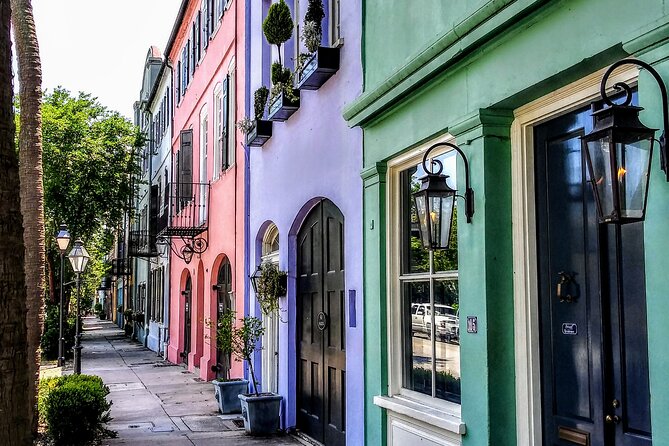
- Rainbow Row and Exchange Building: Pastels With Political Power
- Waterfront Park and the Pineapple Fountain: A Clean Finish With Harbor Views
- Price and Value: What $28 Buys You in Real Terms
- Pace, Weather, and What to Wear So You Enjoy It
- Who This Tour Best Fits
- Should You Book Tour Charleston With Adam?
- FAQ
- How long is the Charleston History Tour?
- How many people are in a group?
- Where does the tour start and end?
- What fitness level do I need?
- Is the tour offered in English?
- What should I bring or wear?
- Is admission included for the stops?
- Are service animals allowed?
- What happens if weather is poor or I cancel?
Key things to know before you go
- Max 10 people for a conversational pace so the guide can actually talk with you, not at you
- Powder Magazine from 1713, with pirate storytelling that sets a fun tone early
- Dock Street Theater (1736), including its role as the first theater in the colonies
- Old Slave Mart Museum stop outside, focused on the city’s slavery legacy and impact
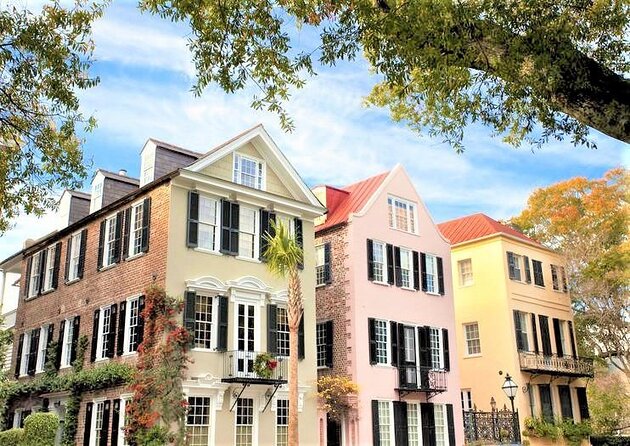
- Classic Charleston sights like Chalmers Street, the Pink House area, Rainbow Row, and Broad Street
- Harbor finale at Waterfront Park, near the Pineapple fountain
Why This Charleston History Walk Feels More Personal Than a Crowd
If you want a Charleston introduction that’s quick, focused, and not rushed, this one works. You cover a tight downtown route on foot, then connect the dots between buildings, streets, and the people who shaped them.
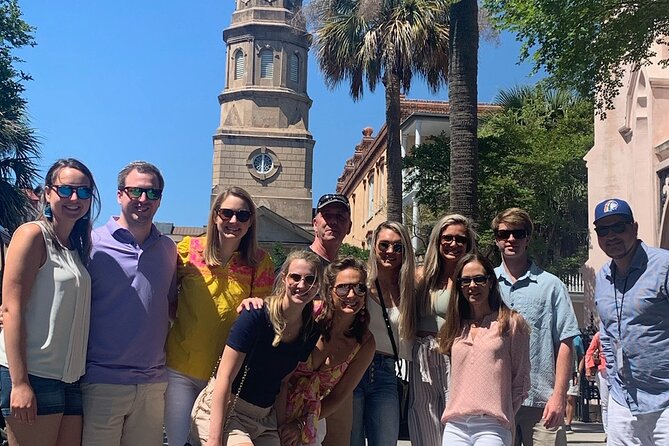
The tour’s format is the secret sauce. With small groups capped at 10, you get more of a guided stroll than a scripted lecture. You’ll still see the headline sights, but you’re also in the hands of a guide who ties details to the larger story—so you remember what you saw.
Also, the tour leans into the city’s contrast. It doesn’t just point at pretty architecture; it talks about commerce and culture alongside brutal history, including the slavery story tied to the Old Slave Mart Museum.
Trade one set of cobblestones for another with more Charleston walking tours.
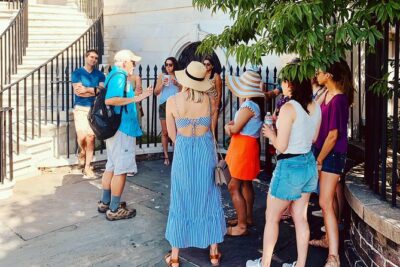
- Historic Charleston Guided Sightseeing Walking Tour★ 5.0 · 6,216 reviews
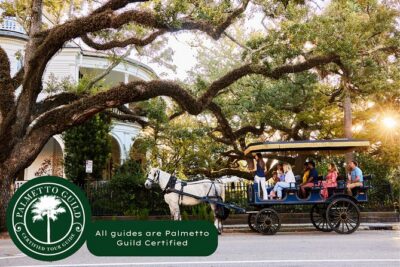
- Charleston Horse-Drawn Carriage Tour: Explore Historic Charleston★ 5.0 · 3,561 reviews
- Ghosts of Charleston Night-Time Walking Tour with Unitarian Church Graveyard★ 4.5 · 2,835 reviews
Meeting at 151 Meeting St and Ending at Waterfront Park by the Harbor
The tour starts at 151 Meeting St, Charleston, SC 29401. You end on the waterfront at Waterfront Park near the Pineapple fountain, with views out toward Charleston Harbor.
That start-to-finish flow matters. Meeting near the historic core makes it easier to begin without backtracking. Ending by the water gives you a natural wind-down and a great place to grab a snack or plan your next stop.
You’ll also want to know the practical side. The tour notes English only, uses mobile tickets, and is near public transportation. Service animals are allowed, which is helpful if you’re traveling with an animal companion.
Powder Magazine (1713): The Pirate Story Stop That Sets the Tone
You begin with the Powder Magazine, described as the oldest public building in South Carolina, built in 1713. Even if you’ve never read a Charleston history book, this stop gives you the right lens: early Charleston was strategic, organized, and tied to global seafaring.
The guide then adds a story about pirates. That’s not random fun—it works because Powder Magazine connects to the idea of a port city where ships, trade, and threats were part of daily reality.
Time at this stop is about 10 minutes, so you’re not standing around for long. It’s the kind of quick, story-led introduction that helps the rest of the walk make more sense.
Practical note: this is a walking tour, so treat the early minutes as a warm-up. If you’re coming in from a hotel outside the core, give yourself a little buffer so you don’t arrive flustered.
French Quarter Walk-Through: French Huguenot Church Area in a Short Window
Next up is the French Huguenot Church area, with a short walk into the French Quarter. This part is about place-feeling. You’re not trying to cram everything into 5 minutes; you’re getting oriented to how this neighborhood shaped Charleston’s identity.
The listed time is about 5 minutes, which is short by design. It keeps the pacing moving and helps you reach the bigger landmark stops without feeling like you’re on a museum schedule.
One drawback of short stops: if you’re the type who wants to linger and read every plaque, you may wish you had more time here. Still, the benefit is that the guide uses the time to point you to what matters.
Dock Street Theater (1736): First Theater in the Colonies
You spend about 15 minutes at Dock Street Theater, originally built in 1736. The tour frames it as the first theatre in the Colonies, which instantly adds weight to what you’re seeing.
This stop is one of the reasons the tour feels like more than a drive-by photos routine. The guide’s style includes taking people inside a historic building when possible—so you should expect at least one moment where you get to experience a real interior space rather than only looking from the sidewalk.
Why I think that matters: interiors change how history feels. A street corner tells you where something happened. A room tells you how it happened and who used it.
If you’re visiting for the first time and want at least one indoor landmark, this is a good one to bet on.
Dig deeper into the past with more Charleston history tours.


Chalmers Street and the Pink House Area: Cobblestones, Palmetto, and Crepe Myrtle
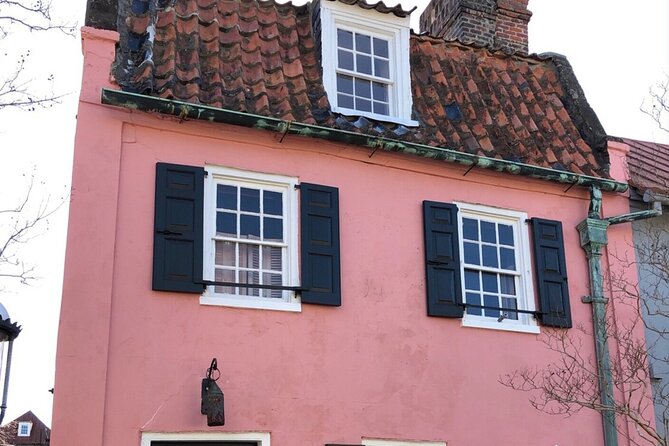
Then you shift to Chalmers Street, a cobblestone stretch lined with palmetto trees and crepe myrtle. This is Charleston as postcard, but the guide uses the scenery to anchor a point.
You’ll hear about the Pink House, described as one of the oldest buildings in Charleston, possibly the oldest. Whether it’s the oldest or one of the very first, the main idea is the same: this is a city where age clings to the architecture.
Expect about 10 minutes here. That’s enough time to look closely, notice the trees, and understand why this street became part of the city’s recognizable character.
Downside? This is a popular area, so you may share the space with other visitors. The small-group pace helps—you still get attention from your guide instead of being swept along by the crowd.
Old Slave Mart Museum Stop Outside: Facing the City’s Hardest Chapter
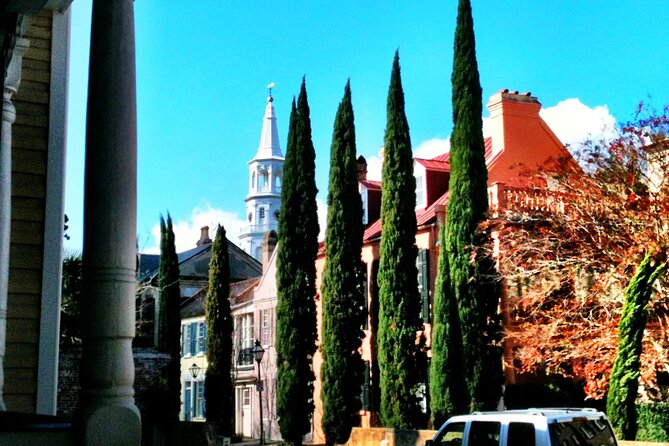
The tour includes a stop at the Old Slave Mart Museum, standing outside and discussing the massive impacts of slavery on Charleston and its people. This part is not a casual add-on. It’s central, and it’s handled with a clear focus on real consequences.
The listed time is about 10 minutes. That duration may sound short, but it’s enough for a strong framing: what slavery did to wealth, family lives, neighborhoods, and the city’s power structure.
If you’re sensitive to heavy topics, plan for that. This stop is meant to be direct, not softened. If you want history that doesn’t sugarcoat, you’ll likely appreciate this approach.
Broad Street (1680): Commerce Then, Commerce Now
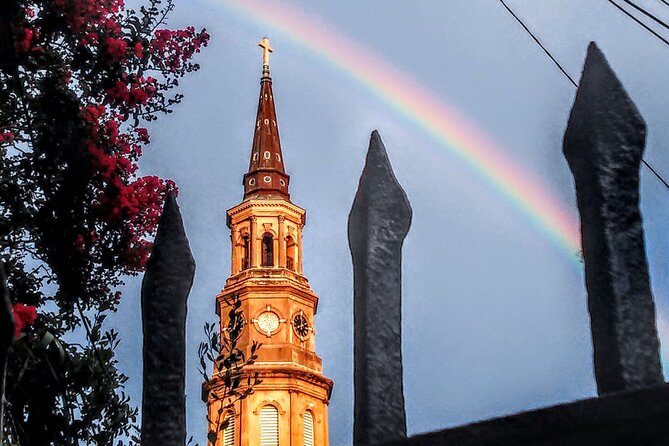
From there you move to Broad Street, laid out in 1680. The guide explains it as the center of commerce in Charleston—and notes that it still is.
That detail is important. It helps you stop treating downtown streets like scenery. They’re infrastructure. Broad Street wasn’t just where people walked; it was where systems ran.
Expect a quick 5-minute stop. This one feels like a punchline after the previous sites: you see the city’s architecture, then you learn how it connected to money, goods, and influence.
If you like street-level context—how cities function—this is the kind of moment you’ll remember later.
Rainbow Row and Exchange Building: Pastels With Political Power
You’ll pass by Rainbow Row, the famous colorful waterfront row. The walk includes about 10 minutes here, enough time to take photos and hear how this landmark fits into the broader story of Charleston’s growth.
After that comes the Exchange Building, dating to 1771, where you discuss Charleston’s role in the American Revolution. This stop is another quick one at about 10 minutes, but it gives you a useful time marker: Charleston wasn’t only building houses and churches. It was part of the machinery of a new country.
Why this pairing works: Rainbow Row can make you think only about aesthetics. Exchange Building reminds you those same city blocks were tied to bigger political outcomes.
Waterfront Park and the Pineapple Fountain: A Clean Finish With Harbor Views
The final stretch is Waterfront Park, with about 15 minutes overlooking Charleston Harbor. You’ll also find the Pineapple fountain here, a well-known landmark tied to the city’s decorative waterfront style.
This ending is smart. After two hours of walking and stories, you get a visual reset. The harbor view gives you a sense of scale—how a port city like Charleston could shape trade, wealth, and conflict.
If you like to end tours by finding food nearby, this is a good spot. You’re placed at the waterfront, which makes it easier to keep sightseeing without needing to backtrack.
Price and Value: What $28 Buys You in Real Terms
At $28 per person for about 2 hours, this is strong value for Charleston. The price is lower than you might expect for a guide-led walking route that hits major landmarks and keeps the group small.
You’re also getting practical help. Many of the stops are marked as admission ticket free, which means you’re not paying extra just to stand in front of history and listen. Instead, you’re paying for the guide’s storytelling and route efficiency.
The real value is the pacing and the group size. When the group stays under control, you get a clearer explanation at each stop and more chances to ask questions. That’s not a small difference when you’re paying for a guided experience.
One more value point: you’re not just collecting facts. You’re building a map in your mind. Powder Magazine, Dock Street Theater, Chalmers Street, Broad Street, Rainbow Row, and the Exchange Building all connect into one story of how Charleston worked.
Pace, Weather, and What to Wear So You Enjoy It
The tour is listed for people with moderate physical fitness. That means you should expect sustained walking on city sidewalks and cobblestones. It’s not a short shuffle, so plan accordingly.
What to bring is very clear:
- Water
- Bug spray
- Umbrella or rain coat
- Comfortable footwear
Charleston rains, and the tour notes that clearly. Even if rain doesn’t fully stop your plans, it can change how comfortable the walk feels. Bring rain gear so you can focus on the guide instead of thinking about wet socks.
Also consider timing. The tour is a good idea early in your trip if you want context before you wander on your own. You’ll likely recognize streets and buildings later and feel like you’re walking with a mental map.
Who This Tour Best Fits
I’d point you to this tour if you want:
- a small-group walking experience rather than a big, crowded event
- history told through local landmarks and street-level context
- a guide like Adam who mixes stories, humor, and direct answers
- a route that includes both iconic sights (Rainbow Row) and harder truths (the Old Slave Mart Museum stop outside)
It may be less ideal if you strongly prefer slow, independent exploring with lots of downtime. This is a structured route with short stop times, so you won’t linger for long at every single corner.
If you’re traveling with a family, it can work well because the pace keeps moving and the guide’s stories make the time feel lighter than you might expect.
Should You Book Tour Charleston With Adam?
Yes, if you want a practical, efficient way to learn Charleston history without losing the thread. The small-group limit keeps it conversational, the route hits major landmarks, and the guide’s storytelling adds color without turning history into noise.
I’d book it early in your stay so the next days feel easier. If you’re picky about walking comfort, plan for shoes and weather, and you’ll be set.
If you’re looking for a history intro that feels like a real conversation while you walk Charleston’s oldest streets, this is a good bet.
FAQ
How long is the Charleston History Tour?
It runs for about 2 hours (approx.), with a schedule of multiple short stops along the way.
How many people are in a group?
The tour is limited to a maximum of 10 travelers, keeping it small and easier to move at a conversational pace.
Where does the tour start and end?
It starts at 151 Meeting St, Charleston, SC 29401 and ends at Waterfront Park near the Pineapple fountain.
What fitness level do I need?
The tour is listed for people with a moderate physical fitness level, since it’s a walking experience.
Is the tour offered in English?
Yes, the tour is offered in English.
What should I bring or wear?
Wear comfortable footwear you enjoy walking in. Bring water, bug spray, and an umbrella or rain coat since it rains often.
Is admission included for the stops?
The tour includes free admission ticket notes for the listed stops, so you typically do not pay extra for entry at those points.
Are service animals allowed?
Yes, service animals are allowed on this tour.
What happens if weather is poor or I cancel?
The tour requires good weather. If it’s canceled due to poor weather, you’ll be offered a different date or a full refund. Cancellation is free if you cancel at least 24 hours in advance.
More Tours Across Charleston






More Charleston Tours Worth Booking
More Historic District Walking Tours in Charleston


Still deciding? Here are the newest Charleston tours and experiences we have reviewed









Historic District Walking Tours, compared.
 ★ 5.0Historic Charleston Guided Sightseeing Walking TourFrom $306,216 reviews
 ★ 5.0Charleston Horse-Drawn Carriage Tour: Explore Historic CharlestonFrom $493,561 reviews
 ★ 4.5Ghosts of Charleston Night-Time Walking Tour with Unitarian Church GraveyardFrom $352,835 reviews
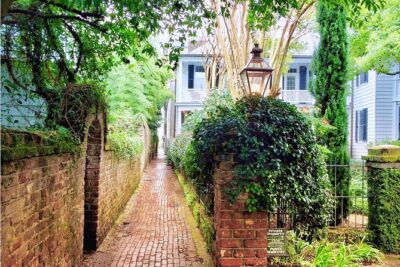 ★ 5.0Hidden Alleyways and Historic Sites Small-Group Walking TourFrom $342,335 reviews
 ★ 5.0Highlights of Charleston Guided Walking Tour2,206 reviews
 ★ 5.0Charleston Haunted Booze and Boos Ghost Walking TourFrom $391,569 reviews
 ★ 5.0Charleston’s Pleasing Terrors Night-Time Walking Ghost TourFrom $291,345 reviews
 ★ 5.0Charleston historical walking tour with a Professor of History at The CitadelFrom $401,284 reviews
Browse the lists this tour appears in