
Reviewed · HISTORIC DISTRICT WALKING TOURS
Charleston: Historical Walking Tour with Storytelling
Charleston can feel like a stage set if you rush it. This 2-hour tour gives you the real plot: stories about pirates, prisoners, and patriot founders while you walk the oldest streets and look out over Charleston Harbor. I especially like how the guide turns famous names into people you can picture, not just facts on plaques.
I also like that the tour includes paid entry stops, not only street viewing. You’ll get into the Halsey Institute of Contemporary Art and the Philip Simmons House as part of the ticket, which makes the $37 price feel more like a full experience than a quick stroll. You’ll also see famous landmarks in the right order, starting at the Old Exchange and Provost Dungeon and working down toward Broad Street.
One thing to plan for: you’re walking for about 2 hours and the tour runs rain or shine. So wear comfortable shoes and bring weather-appropriate clothing, especially if the heat is heavy or the wind off the harbor is chilly.
In This Review
- Quick hits before you go
- Where the tour starts: Old Exchange and Provost Dungeon
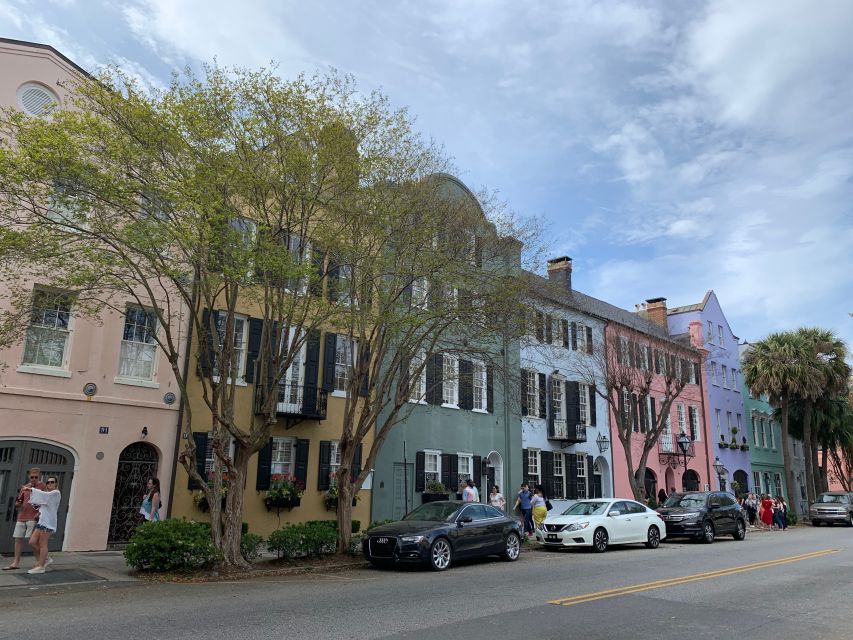
- East Bay Street to Rainbow Row: beauty with a backstory
- Harbor views and White Point Garden: where the stories breathe
- South of Broad: pirates, patriots, and what happened when captives talked
- The George Washington 1791 stop: history you can point at
- Four Corners of the Law and Broad Street: ending where the city converges
- Included stops: Halsey Institute and Philip Simmons House
- Halsey Institute of Contemporary Art
- Philip Simmons House
- Guide style matters: what the best tours get right
- Price and value: $37 for a real mix, not just narration
- What to wear and how to time your day
- Who this tour is best for (and who might want something else)
- Should you book this Charleston historical walking tour?
- FAQ
- How long is the Charleston historical walking tour?
- Where do I meet for the tour?
- What’s included in the ticket price?
- Is the tour wheelchair accessible?
- Does the tour run in bad weather?
- What should I bring?
Quick hits before you go
- Old Exchange and Provost Dungeon at the start: the tour opens with the places tied to prisoners and punishment.
- Rainbow Row and period mansions: you get photo-worthy street views with actual context.
- Harbor and White Point Garden views: the scenery isn’t random; it supports the stories.
- Pirates meet captors on these streets: you’ll hear tales of looting, plundering, and consequences.
- George Washington’s 1791 Charleston visit: you’ll connect local landmarks to early national history.
- Halsey Institute + Philip Simmons House included: two ticketed stops make the walk feel complete.
Where the tour starts: Old Exchange and Provost Dungeon
The tour begins by the benches next to the Old Exchange and Provost Dungeon, which is a smart move. It’s a historic site that immediately sets a darker tone for the walk, not just postcard scenery.
From there, you’ll learn how the city handled conflict in its own time—especially around prisoners and detention. Instead of treating the building like a backdrop, your guide ties it into the broader story of Charleston’s rise and rough edges. That helps the rest of the route make sense, because the streets you’re about to walk weren’t built for quiet tourism.
If you like history that has friction—decisions, punishment, power plays—this first stop is where the tour earns its keep.
Trade one set of cobblestones for another with more Charleston walking tours.
- Historic Charleston Guided Sightseeing Walking Tour★ 5.0 · 6,216 reviews
- Charleston Horse-Drawn Carriage Tour: Explore Historic Charleston★ 5.0 · 3,561 reviews
- Ghosts of Charleston Night-Time Walking Tour with Unitarian Church Graveyard★ 4.5 · 2,835 reviews
East Bay Street to Rainbow Row: beauty with a backstory
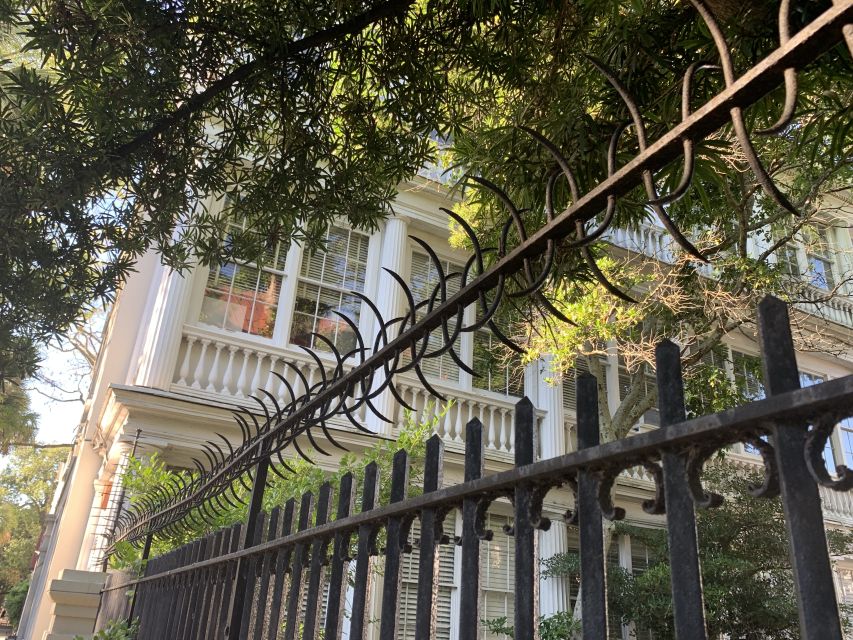
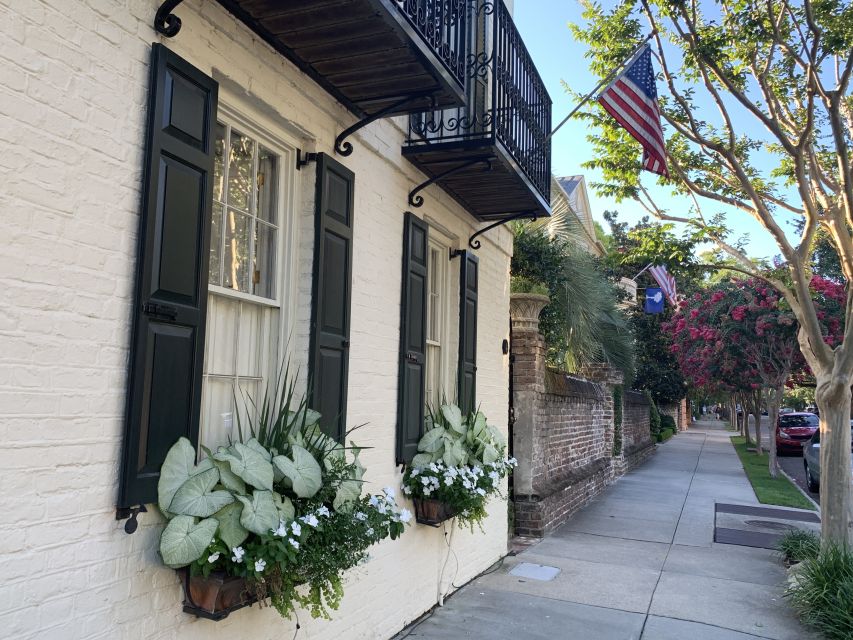
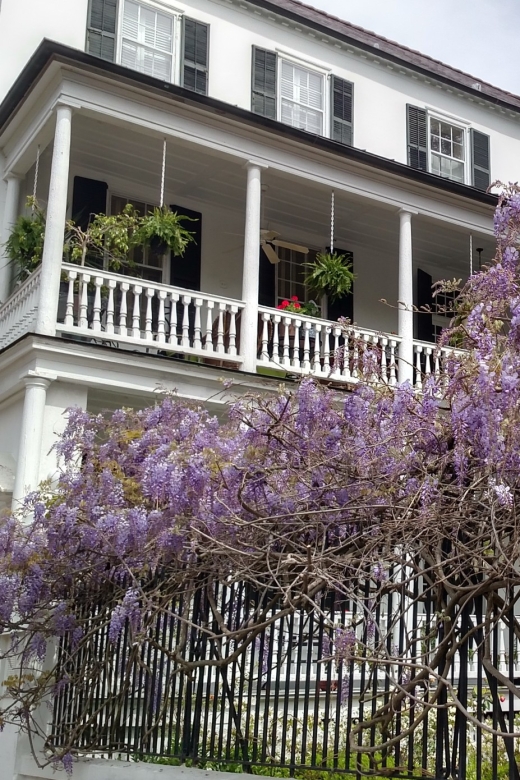
After the Old Exchange, you head down East Bay Street. This is where the architecture starts doing the talking, and your guide helps you notice what you’d otherwise skate past.
Rainbow Row is one of Charleston’s most recognizable sights, but the tour approach is practical: you don’t just see it, you learn how the neighborhood’s identity formed and why these streets mattered. You’ll also move past periods of rebuilding and reuse, so the mansions you spot don’t feel like isolated showpieces.
This part of the walk tends to be a favorite because it mixes visual payoff with explanation. If you’re the type who likes to know what you’re looking at before you start snapping photos, you’ll appreciate the pacing here.
Harbor views and White Point Garden: where the stories breathe
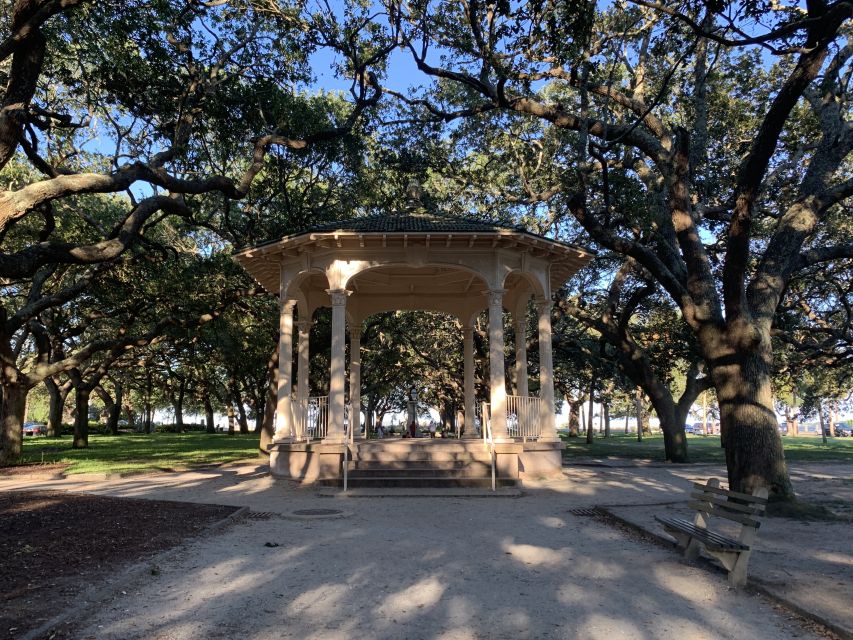
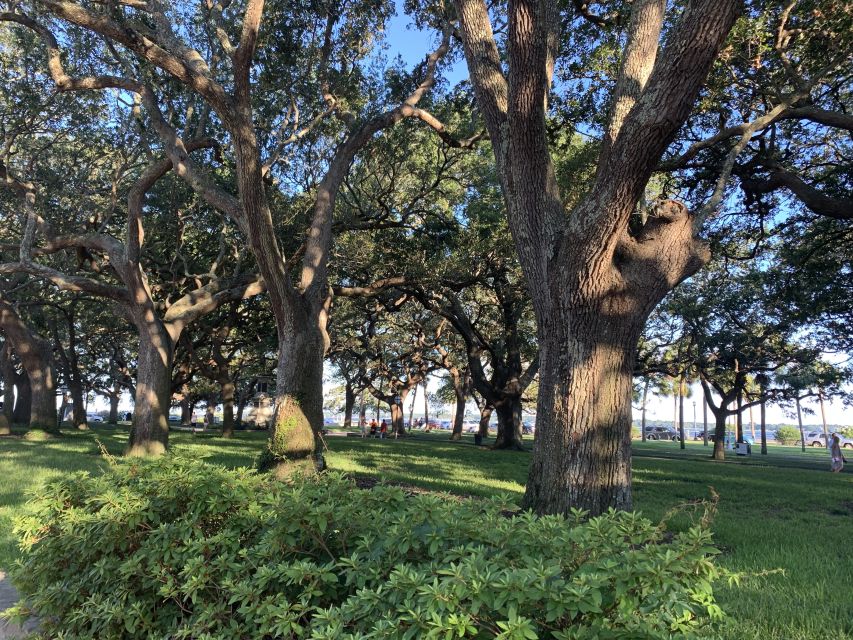
One of the best things about this tour is that it doesn’t keep you staring at buildings the whole time. You admire views of the Charleston Harbor and White Point Garden, which matters for more than just comfort.
Charleston was shaped by its waterfront access—who arrived, who traded, who controlled movement. When you catch the harbor perspective, the pirate-and-captors stories start to feel more grounded. You can almost see why ships, docks, and routes mattered so much to power in the city.
If you’re visiting in warmer weather, these open spots can also be a short mental reset. You’re still on a schedule, but the landscape around the water helps break up the walking.
South of Broad: pirates, patriots, and what happened when captives talked
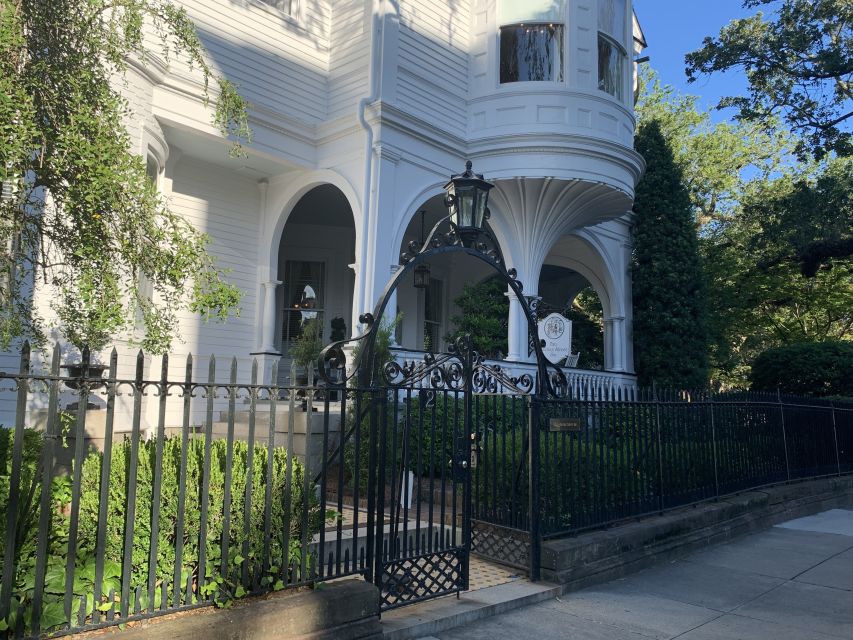
The tour then moves into the South of Broad neighborhood and keeps the tension up. You’ll walk through streets and alleys tied to the era of pirates and their captors, with the guide connecting the gritty details to the city’s broader identity.
What I like here is the way the stories are framed. Instead of turning every tale into a vague legend, the guide points you toward cause-and-effect: looting leads to pursuit, and pursuit leads to consequences. That’s how you end up understanding the stakes behind the drama.
You’ll also hear how early figures helped shape Charleston and the American story. Names like George Washington and Thomas Jefferson come up in a way that connects local events to the founding era—not just as distant “big history” names.
The George Washington 1791 stop: history you can point at
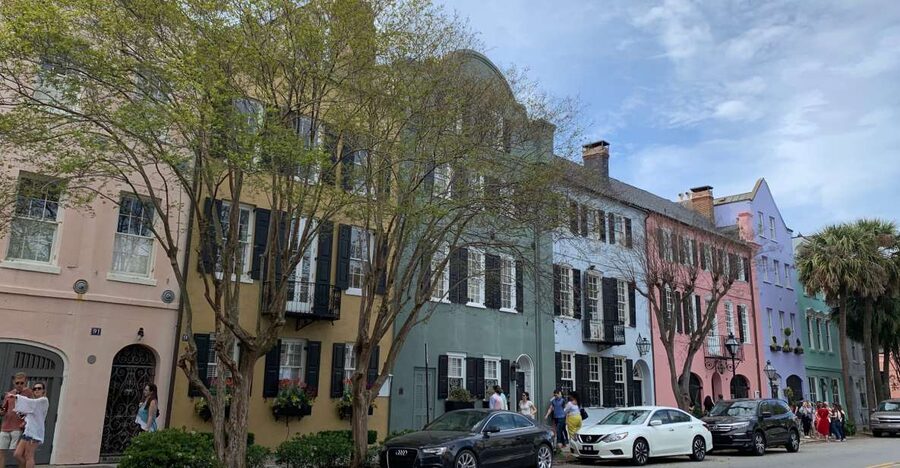
One moment built into the tour is the tale of George Washington’s visit to Charleston in 1791. That detail is useful because it gives you a specific anchor date while you’re walking.
When a guide can tie a visit to a location and to what people were dealing with in that moment, you get something more than a parade of names. You start to understand how the early U.S. connected to Atlantic ports like Charleston and why local scenes mattered to national leaders.
If you’ve ever felt like historic walking tours are too general, this part helps correct that. You’re learning why the city’s role mattered at a particular time, not just that it was “important.”
Dig deeper into the past with more Charleston history tours.


Four Corners of the Law and Broad Street: ending where the city converges
Heading back toward the start, you pass the Four Corners of the Law and then re-enter the Broad Street area, where shops and residences line the route.
This return path is more than just getting you back to your meeting point. It’s a chance to see how the tour’s themes tie together: order versus disorder, authority versus opportunism, and how the city built systems to manage both.
The Four Corners of the Law is a particularly satisfying stop if you like knowing that something isn’t just named—it’s also symbolic of how Charleston tried to enforce rules. After hearing pirate and prisoner stories earlier, the legal angle lands with more weight.
Included stops: Halsey Institute and Philip Simmons House
This is one of the biggest value points of the tour. You’re not only walking through history’s exterior. Your ticket includes entrance to two specific indoor stops.
Halsey Institute of Contemporary Art
You’ll enter the Halsey Institute of Contemporary Art as part of the tour price. Even if you’re not a hard-core art person, I like this inclusion because it keeps Charleston from feeling like a museum that only looks backward.
Contemporary art in a historic city can help you understand that Charleston is still making culture now, not only preserving it from earlier centuries.
Philip Simmons House
The tour also includes entrance to the Philip Simmons House. This stop gives you a different lens on Charleston’s story, one tied to people and craft rather than only power and politics.
If your goal is to leave with a more complete sense of the city—who shaped it and how—this inclusion is exactly the kind of extra that makes a walking tour feel worth doing rather than skimming along sidewalks.
Guide style matters: what the best tours get right
A huge share of the success here comes down to the guide. The consistent pattern in the feedback is that the storytelling is active, not robotic, and that the guide adapts.
You might hear the guide’s name come up as Larry, and he’s described as courteous and attentive, with a knack for pulling in lots of detailed facts and quirks. One guide also won praise for being flexible enough to adjust the tour pace and route for an elderly father during extreme heat.
I also like that the tour encourages conversational history. In other words, if your group has questions or the route opens up a related topic, you’re not punished with a hard script. You get a guided experience that can react, which is exactly what makes a walking tour feel human.
Price and value: $37 for a real mix, not just narration
At $37 per person for about two hours, you’re paying for more than a walk. The ticket includes:
- a guided walking tour
- entrance to the Halsey Institute of Contemporary Art
- entrance to the Philip Simmons House
That matters for value. A lot of tours sell you “see landmarks while we talk.” This one also includes paid access to specific sites, so you’re not left thinking you paid only for the guide’s voice.
Also, $1 from each ticket is donated to both the Philip Simmons Foundation and the Halsey Gallery. It’s not the main reason to go, but it’s a nice confirmation that you’re supporting local cultural efforts while learning the city.
What to wear and how to time your day
The tour is about two hours on foot. That means comfort is not optional. Bring weather-appropriate clothing, and plan for walking in sun, wind, or rain because the tour runs in all weather.
You’ll likely want:
- comfortable shoes with grip
- a light layer for breeze off the harbor
- a rain layer if clouds roll in
If you’re building your itinerary, this is a great mid-day or early afternoon option, since the included entrances help anchor the schedule. It’s also a solid first-day tour if you want your bearings fast, because the route follows a logical sweep from the Old Exchange area down toward South of Broad and back through key corners.
Who this tour is best for (and who might want something else)
This is an excellent fit if you:
- like walking tours that explain what you’re seeing, not only where you’re going
- want pirate and prison stories mixed with major early-American references
- appreciate architecture and harbor views with context
- enjoy a guide who can tailor the pace and handle questions
It might not be ideal if you:
- hate walking and need a mostly seated experience
- want only one theme, like only mansions or only pirates. This tour blends prisons, piracy, politics, and art.
Should you book this Charleston historical walking tour?
Yes, if you want a Charleston experience that feels like a story with real places attached. The guide-led narrative, the route through the oldest neighborhoods, and the included access to the Halsey Institute and Philip Simmons House make the $37 feel fair.
Also, with a 4.9 rating from past bookings and repeated praise for guides who keep the tour engaging and adaptable, you’re not taking a gamble on a boring script. Just be ready for two hours of walking in real-world weather.
If you’re trying to choose between a quick photo walk and something more meaningful, this one is the choice that gives you both the scenery and the “why.”
FAQ
How long is the Charleston historical walking tour?
It lasts about 2 hours.
Where do I meet for the tour?
Meet by the benches next to the Old Exchange and Provost Dungeon.
What’s included in the ticket price?
The ticket includes the walking tour and guide, plus entrance to the Halsey Institute of Contemporary Art and the Philip Simmons House.
Is the tour wheelchair accessible?
Yes, the tour is listed as wheelchair accessible.
Does the tour run in bad weather?
Yes, tours take place rain or shine.
What should I bring?
Bring weather-appropriate clothing. Tips are not included in the ticket price.
More Tours Across Charleston






More Charleston Tours Worth Booking
More Historic District Walking Tours in Charleston



Still deciding? Here are the newest Charleston tours and experiences we have reviewed









Historic District Walking Tours, compared.
 ★ 5.0Historic Charleston Guided Sightseeing Walking TourFrom $306,216 reviews
 ★ 5.0Charleston Horse-Drawn Carriage Tour: Explore Historic CharlestonFrom $493,561 reviews
 ★ 4.5Ghosts of Charleston Night-Time Walking Tour with Unitarian Church GraveyardFrom $352,835 reviews
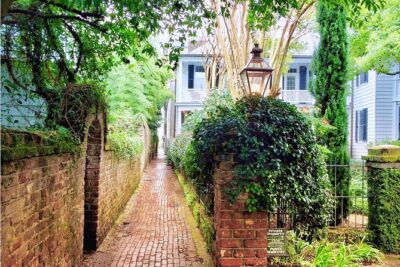 ★ 5.0Hidden Alleyways and Historic Sites Small-Group Walking TourFrom $342,335 reviews
 ★ 5.0Highlights of Charleston Guided Walking Tour2,206 reviews
 ★ 5.0Charleston Haunted Booze and Boos Ghost Walking TourFrom $391,569 reviews
 ★ 5.0Charleston’s Pleasing Terrors Night-Time Walking Ghost TourFrom $291,345 reviews
 ★ 5.0Charleston historical walking tour with a Professor of History at The CitadelFrom $401,284 reviews
Browse the lists this tour appears in