
Reviewed · HISTORICAL TOURS
Book Charleston’s Most Educational History Tour!
History walks in the shade. This Charleston tour is built for real learning on your feet: you start near the waterfront, slow down for breaks, and trade textbook facts for street-by-street context, including George Washington’s connection to town. Expect a professional historian guide with sharp storytelling and humor, all in English and designed for a small group of up to 15.
I love how the tour keeps its pace human. You’re walking mostly in the shade with time to stop, sit if you need to, and ask questions, which makes the history feel less like a lecture and more like a conversation. I also love the focus on places with real local texture, like cobblestone streets by the water and the specific buildings that shape how Charleston grew.
One thing to consider: this is a proper walk in hot, humid weather, and Charleston’s sidewalks can be narrow and uneven. The tour is not recommended for wheelchairs or walkers, so plan around comfort and mobility before you book.
In This Review
- Key highlights worth planning around
- A Slow, Shade-Filled Walk Through Charleston’s Historic Center
- Waterfront Park Start: First Fish Market + Cobblestone Atmosphere
- Tradd Street Built in 1720: A Street That Becomes a Timeline
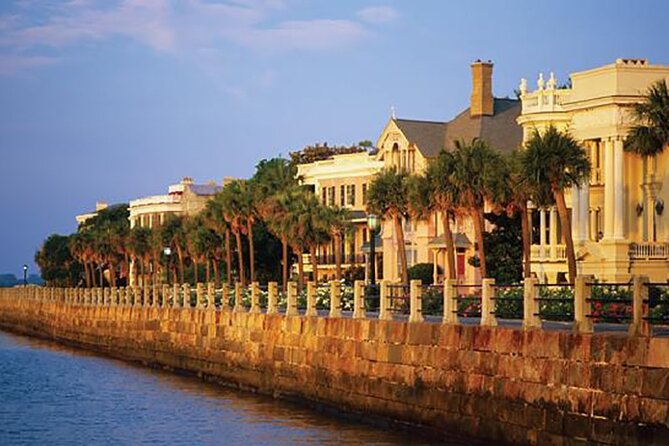
- The Battery and White Point Gardens: Live Oaks and Big Views
- Heyward-Washington House: Washington’s Charleston Connection
- What $45 Buys You: A PhD Historian, Small Group Learning, and Free Stops
- How to Prepare: Heat, Shoes, Kids, and the Sidewalk Reality
- Booking and Timing That Actually Matters
- Should You Book This Charleston History Walk?
- FAQ
- What time does the tour start, and how long is it?
- Where do I meet the guide?
- What’s included in the $45 ticket?
- Do I need to pay extra for the stops?
- Is the tour stroller-friendly or accessible for walkers/wheelchairs?
- What if the weather is bad or I need to cancel?
Key highlights worth planning around
- Start at Waterfront Park and move from the water outward, so the city’s story starts with geography.
- Mostly shade + break-friendly pacing means you can learn without sprinting.
- Tradd Street built in 1720 turns a normal street into a timeline you can picture.
- Battery and White Point Gardens deliver major views under long-leaning live oaks.
- Heyward-Washington House adds a twist on Washington, where he lived during his time in Charleston.
A Slow, Shade-Filled Walk Through Charleston’s Historic Center
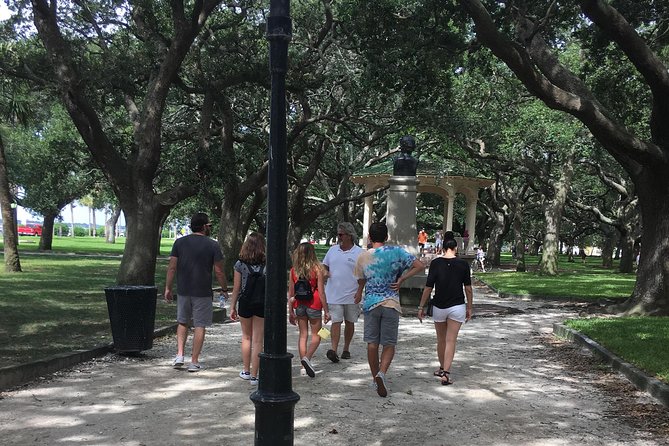
This tour is paced for thinking, not speed. You’ll walk mostly in the shade and the guide builds in breaks so your morning doesn’t turn into a sweaty endurance test. The group size caps at 15 travelers, which matters because it makes it easier to hear the guide and ask follow-up questions.
Charleston also isn’t built for easy walking. Sidewalks can be narrow, and the terrain isn’t always straight or level. The tour is not recommended for wheelchairs and walkers, though strollers are fine. If you’re traveling with young kids, expect you may need extra care on tight sidewalks.
Weather is the big variable. In the season described, it can be hot and humid, so plan your expectations around that. Comfortable walking shoes and bottled water aren’t just nice ideas here; they’re part of having a good experience.
Dig deeper into the past with more Charleston history tours.
- Charleston’s Old South Carriage Historic Horse & Carriage Tour★ 5.0 · 10,023 reviews
- Historic Charleston Guided Sightseeing Walking Tour★ 5.0 · 6,216 reviews
- Charleston Horse-Drawn Carriage Tour: Explore Historic Charleston★ 5.0 · 3,561 reviews
Waterfront Park Start: First Fish Market + Cobblestone Atmosphere
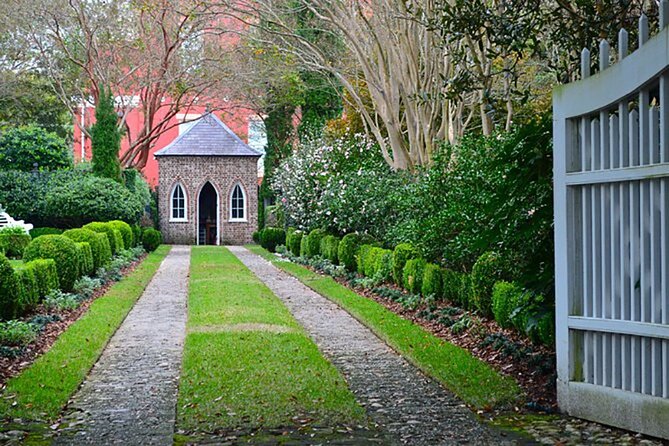
You begin at Waterfront Park near Vendue Range on Concord Street (10:00 am). This matters because it gets you into Charleston’s historic center with the waterfront as your baseline. The tour starts by the water, and that first stretch sets the tone: you’re not just seeing buildings, you’re seeing how people lived and moved near the shore.
Early on, you’ll spend time around cobblestone streets and stand in Charleston’s first fish market. It’s a small detail that pays off, because it turns an everyday word like market into something tangible: trade, daily life, and why neighborhoods formed the way they did. The guide also frames the walk with reminders that you can take breaks as needed, so you’re not rushing through the early learning moments.
One practical tip: start with water in hand, even if you think you’ll buy it later. Humidity hits fast, and the tour is designed to be slow enough that you’ll actually feel the weather in real time. Having water makes the whole experience smoother.
Tradd Street Built in 1720: A Street That Becomes a Timeline
Tradd Street is where the tour shifts from scenery into specific history. You’ll stop on Tradd Street and learn that it was built in 1720, which is the kind of fact that sticks when you hear it while you’re standing in the space. A street built that early isn’t just old—it’s a physical record of how Charleston developed over time.
This stop lasts about 15 minutes, which is a good length for street-level storytelling. It’s enough time for the guide to connect architecture and layout to real life, but not so long that you feel stuck in one spot. You get to look around and notice details while the story is fresh.
The guide’s style—historian with PhD credentials and a sense of humor—helps here. When the narration includes laughs and quick asides, the history doesn’t feel heavy. It feels like you’re getting the inside track from someone who actually teaches this stuff.
The Battery and White Point Gardens: Live Oaks and Big Views
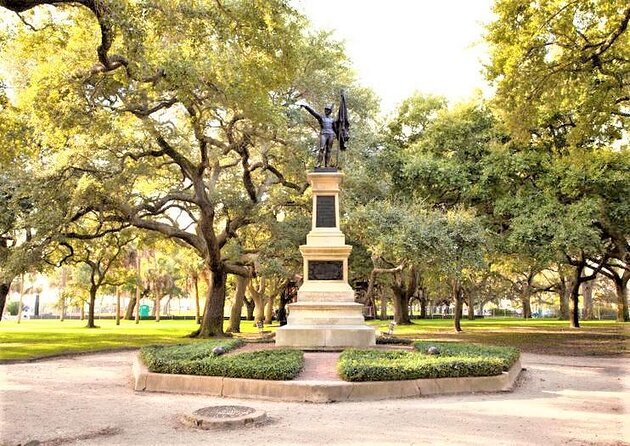
Next comes one of Charleston’s most iconic visual zones: the Battery area and White Point Gardens. You’ll get a stop that centers on a breathtaking view among hundred-year-old live oaks, which is the best kind of lesson—one you can see. It’s hard to separate “history” from “why the place looks like this,” and this stop naturally connects both.
This stop runs about 20 minutes, giving you time to pause, look, and take in the scale of the streets and greenery. Long live oaks don’t just add beauty; they signal how long people have shaped and used the space. You’ll get the sense that Charleston’s past is present in the way light falls, how the canopy frames sightlines, and how the area invites slow walking.
A balanced expectation helps: it’s a scenic stop, but it’s not only scenic. The guide ties the view back to context so you’re not just taking a photo—you’re understanding what you’re looking at.
Heyward-Washington House: Washington’s Charleston Connection
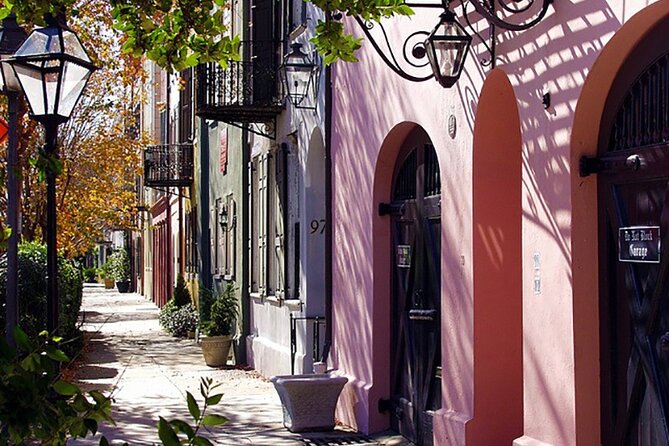
One of the most satisfying things about this tour is how it treats famous names. You’ll stop at the Heyward-Washington House, where you’ll learn that many places show you where George Washington slept, but this is where he lived while he was in Charleston.
This is a quick stop—about 5 minutes—but it lands because it clarifies the story. It’s the difference between a detail you might hear once and the bigger meaning of the space. When the guide frames it right, you start noticing how “where someone stayed” changes how we imagine their time in a city.
Even short stops matter because the tour keeps a rhythm: you’re always moving from one meaning-rich point to the next. That makes it easier to remember the tour later, when you’re walking around on your own.


What $45 Buys You: A PhD Historian, Small Group Learning, and Free Stops
At $45 per person for about 2 hours 30 minutes, this tour is positioned as a value play for people who want more than a basic walk. You’re paying for a guide who’s built to teach—a professional historian with a PhD—and you’re getting that instruction in real-world settings instead of indoors with printed facts.
You’ll also notice the experience is structured to avoid extra costs. The stops highlighted are marked as free admission for the visit moments included in the tour. That makes the ticket price feel cleaner, because you don’t have to budget for multiple paid entries just to get the “must-see” parts.
Then there’s the intangible value: the guide uses dad jokes and keeps things laughing-friendly. Humor can sound like fluff, but in a walking format it helps attention and pacing. When the guide can make a point and then lighten the mood, you absorb more without realizing it.
How to Prepare: Heat, Shoes, Kids, and the Sidewalk Reality
If you’re coming to Charleston in warm weather, come ready. The tour specifically notes it can be hot and humid, and it’s smart advice to bring bottled water and comfortable walking shoes. This is a walking tour where you’ll actually benefit from good footwear because the route includes cobblestones and uneven sidewalks.
Mobility planning is important. The tour is not recommended for wheelchairs and walkers, mainly due to the sidewalks. Strollers are allowed, but young kids may need extra care because sidewalks can be narrow.
Bring a flexible mindset. The guide says they take their time and don’t walk fast, and the tour includes breaks. That’s great—just know it can mean you’re outdoors longer than you might expect if you compare it to a faster “tour bus” pace.
Booking and Timing That Actually Matters
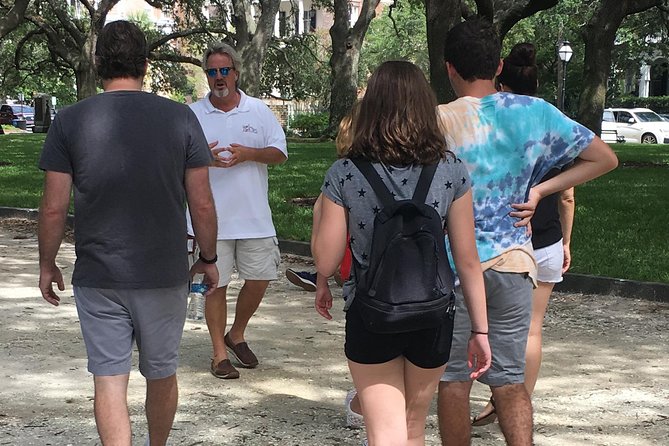
This tour starts at 10:00 am and generally runs about 2 hours 30 minutes. Starting in the morning can help with heat, and it gives you the rest of the day to explore Charleston with your new mental map.
You’ll get a mobile ticket, and the tour is offered in English. Confirmation is received at the time of booking, which takes guesswork out of the planning. The experience also notes it’s near public transportation and service animals are allowed.
Weather can affect outdoors plans. The tour runs with a good-weather requirement, and if it’s canceled due to poor weather, you’ll be offered a different date or a full refund.
Should You Book This Charleston History Walk?
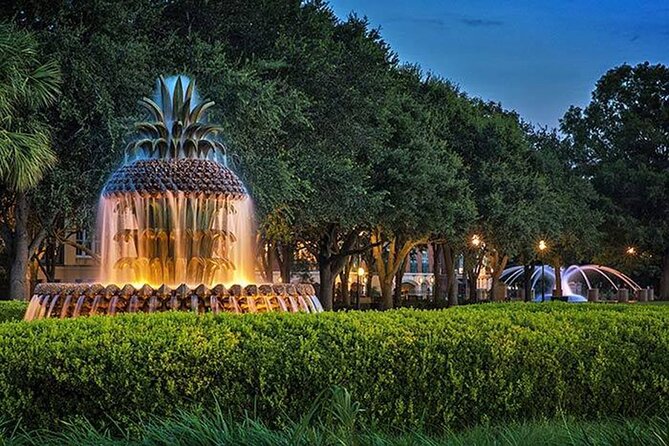
Book it if you want a smart, readable way to understand Charleston without turning your day into homework. I’d especially recommend it if you like local context—streets, architecture, and the “why” behind famous names—delivered by a guide who can answer questions and keep the tone engaging.
Skip it (or rethink) if walking is hard for you. The route relies on city sidewalks that can be narrow and uneven, and it’s not recommended for wheelchairs or walkers. Also, if heat is a major issue, plan carefully: this is an outdoor tour in humid conditions, and comfort gear matters.
If you’re visiting for a short time and want one morning that gives you momentum, this is a strong choice. A small group, a PhD historian, free stop moments, and a slow pace add up to more value than a quick checklist tour—especially in a city where the details are the whole point.
FAQ
What time does the tour start, and how long is it?
The tour starts at 10:00 am and lasts about 2 hours 30 minutes (approx.).
Where do I meet the guide?
Meet at Waterfront Park, Vendue Range, Concord St, Charleston, SC 29401, USA. The tour ends back at the meeting point.
What’s included in the $45 ticket?
You get a professional historian with a PhD, education and discussion, and a light, humorous tone (dad jokes and lots of laughs).
Do I need to pay extra for the stops?
The included stop moments are marked as free admission.
Is the tour stroller-friendly or accessible for walkers/wheelchairs?
Strollers are fine, but the tour doesn’t recommend wheelchairs or walkers because Charleston sidewalks aren’t straight and level. Young children may need extra care on narrow sidewalks.
What if the weather is bad or I need to cancel?
You can cancel for a full refund up to 24 hours in advance. If the tour is canceled due to poor weather, you’ll be offered a different date or a full refund.
More History Tours in Charleston






More Tours Across Charleston



More Charleston Tours Worth Booking
Still deciding? Here are the newest Charleston tours and experiences we have reviewed










Historical Tours, compared.
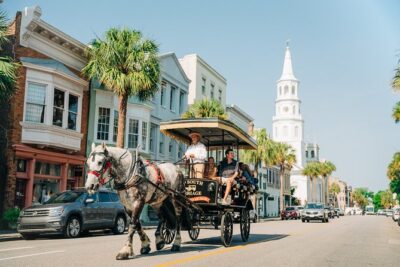 ★ 5.0Charleston’s Old South Carriage Historic Horse & Carriage TourFrom $5010,023 reviews
 ★ 5.0Historic Charleston Guided Sightseeing Walking TourFrom $306,216 reviews
 ★ 5.0Charleston Horse-Drawn Carriage Tour: Explore Historic CharlestonFrom $493,561 reviews
 ★ 4.5Charleston Harbor History Day-Time or Sunset Boat CruiseFrom $442,788 reviews
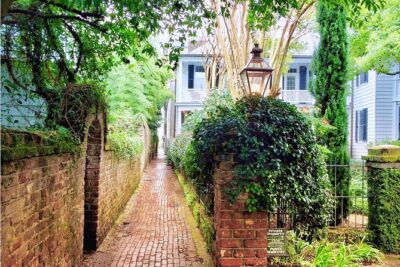 ★ 5.0Hidden Alleyways and Historic Sites Small-Group Walking TourFrom $342,335 reviews
 ★ 4.5Daytime or Sunset Historic Harbor CruiseFrom $491,352 reviews
 ★ 5.0Charleston historical walking tour with a Professor of History at The CitadelFrom $401,284 reviews
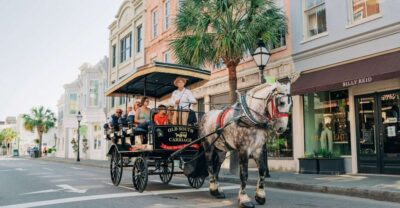 ★ 4.8Historical Downtown Tour by Horse-drawn CarriageFrom $501,009 reviews
Browse the lists this tour appears in