
Reviewed · HISTORIC DISTRICT WALKING TOURS
Frankly Charleston Morning Walking Tour
Charleston has another story to tell. This small-group morning tour (Frankly Charleston Black History Tours) focuses on Black history and culture that many visitors miss, using three key stops to connect slavery, Gullah life, and the experiences of free Black people in the Lowcountry. I love how direct the conversation feels, with time for real questions, and I also love the simple, walkable format that makes learning feel human, not like a lecture. One consideration: this is a standing-and-walking tour, so wear shoes you trust, especially if the weather is warm.
You start at 375 Meeting St at 10:00 am and head out on foot around some landmark sites tied to African American community life. The pacing is compact—about 1 hour 30 minutes to 2 hours—so you get depth without being stuck in the city for half a day. And because the group maxes at 15, your guide can actually respond to your questions instead of rushing everyone along.
The route includes Emanuel AME Church, Second Presbyterian Church, and Aiken-Rhett House, and the vibe is firmly about context: what these places meant, who lived their lives around them, and how Charleston’s story keeps echoing into the present. If you’re expecting a glossy sightseeing route with lots of picture-perfect “vacation” framing, you might find this tour more serious than you planned. Still, it’s designed to be understandable, grounded, and practical.
In This Review
- Key things I’d circle before you go
- Why this morning walk changes how you see Charleston
- Price and value: what $49.30 really buys you
- Route in plain English: what happens at each stop
- Stop 1: Emanuel African Methodist Episcopal Church
- Stop 2: Second Presbyterian Church
- Stop 3: Aiken-Rhett House
- The story focus: slavery, Gullah culture, and free Black lives
- Small-group Q&A: why the format feels different
- Logistics that actually help on a 10:00 am start
- Who should book this and who might want a different tour
- Should you book Frankly Charleston Black History Tours?
- FAQ
- How long is the Frankly Charleston morning walking tour?
- How much does the tour cost?
- Where does the tour start and where does it end?
- What time does the tour start?
- How many people are in the group?
- What stops are included?
- Are admission fees included for these stops?
- Are pets and service animals allowed?
- Is alcohol included?
- FAQ
- What is the cancellation policy?
- What happens if the tour is canceled due to weather?
- What if the minimum number of travelers isn’t met?
Key things I’d circle before you go
- Small group size (max 15) so you can ask questions and get direct answers
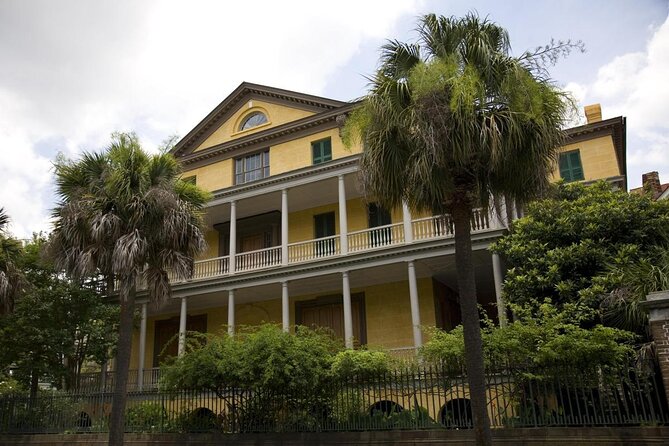
- Three major stops: Emanuel AME Church, Second Presbyterian Church, and Aiken-Rhett House
- All listed admissions are free for these stops
- Black history focus you won’t get from the usual highlights—slavery, Gullah culture, and free Black lives
- Mobile ticket for a smoother start at the meeting point
Why this morning walk changes how you see Charleston
Charleston is good at offering surface-level stories. You can walk past gorgeous buildings all day and still miss the people whose lives shaped the region. This tour is built to correct that imbalance, without turning it into a history class that forgets you have feet.
The key difference is the lens. Instead of treating Black history as a side note, the guide uses the city’s landmarks to explain how slavery affected daily life, how Gullah culture carries memory across generations, and how free Black people navigated society in the Lowcountry. You don’t just hear facts—you hear connections. Places you may have seen in passing start to feel like evidence, not scenery.
I also appreciate the human tone. The guide names that show up in past groups—Frank and Franklin, plus William—come through as passionate and personal. That matters, because with heavy topics, you want a guide who can explain clearly and treat your questions seriously. The result is a tour where you leave with more understanding than you started with, and where the 2 hours don’t feel like they drag.
There’s a second value here that’s easy to overlook: this is morning timing. You get the chance to ask questions early in your trip, so the rest of your days make more sense.
Trade one set of cobblestones for another with more Charleston walking tours.
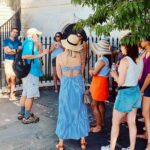
- Historic Charleston Guided Sightseeing Walking Tour★ 5.0 · 6,216 reviews
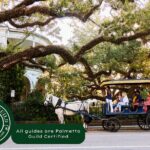
- Charleston Horse-Drawn Carriage Tour: Explore Historic Charleston★ 5.0 · 3,561 reviews
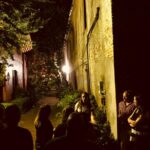
- Ghosts of Charleston Night-Time Walking Tour with Unitarian Church Graveyard★ 4.5 · 2,835 reviews
Price and value: what $49.30 really buys you
At $49.30 per person, this isn’t a $15 “quick stop” activity. But the cost also isn’t inflated for a small group format that keeps you close to the guide and the story. You’re paying for:
- A max group size of 15, which helps your questions land
- A focused route tied to three major sites
- About 1.5 to 2 hours of guided interpretation on themes that can be hard to research on your own
- Free entry at each listed stop, which removes one common friction point in tours
If you’ve ever done a generic sightseeing tour and felt like the history was flattened into a few sound bites, this is the alternative path. The value isn’t just that you’ll learn. It’s that you’ll learn with a guide who can answer the next question that pops into your head.
Also, the reviews’ 5/5 average (with 65 reviews) isn’t just about praise. It hints at consistency: people are leaving feeling they got what they came for—an honest, place-based look at Black history in Charleston.
Route in plain English: what happens at each stop
This tour keeps its promise: you visit three meaningful locations and use each one to build the bigger story. All of them are listed as free to enter.
Stop 1: Emanuel African Methodist Episcopal Church
Emanuel AME Church is a historic African American church in Charleston, and it’s a strong first stop because it sets the tone. You’re not starting with a random building—you’re starting with a community institution.
What you should expect here is guidance on how Black religious life and community spaces carried weight beyond Sunday services. You’ll also get stories that connect to broader themes the tour covers—slavery’s impact, and the long arc of Black experience in the Lowcountry—without losing the specificity that makes history stick.
A practical tip: treat the first stop as your “orientation anchor.” If you come in with questions, this is a good time to start asking them while your guide is still laying the framework.
Stop 2: Second Presbyterian Church
Second Presbyterian Church is another historic church site, and it matters because it shows you how different institutions sat side-by-side in Charleston’s social world. This stop is where the tour’s interpretation helps you read the city more carefully: what people had access to, who held power, and how those realities shaped everyday life.
This is also where you’ll likely hear more about the lived experience behind the big historical terms. The tour themes—Gullah culture and the lives of free Blacks—aren’t abstract here. They’re connected back to social structures that existed around these places.
If you’re the type who likes dates and names, this stop is a good reminder that you’ll get more than vibes. One review highlighted that the guide knows dates and explains significant people and events clearly.
A few more Charleston tours worth a look before you go.




Stop 3: Aiken-Rhett House
Aiken-Rhett House is the final major stop, and it works as a closing lens. Historic house sites can go two ways on tours: either they become “look at the rooms” photo ops, or they become a way to talk about power, labor, and the people whose lives made the household possible.
On this tour, that house setting is used to connect back to the broader themes you’ve been hearing since the morning began. You’ll revisit the story from the angle of Charleston’s economic and social reality—especially how slavery and its aftereffects shaped life in the region.
It’s a natural way to wrap up, because by the time you reach the house, you’ve already learned how to interpret the city. The last stop doesn’t feel like a separate chapter; it feels like the book closing neatly on the point you need to remember.
The story focus: slavery, Gullah culture, and free Black lives
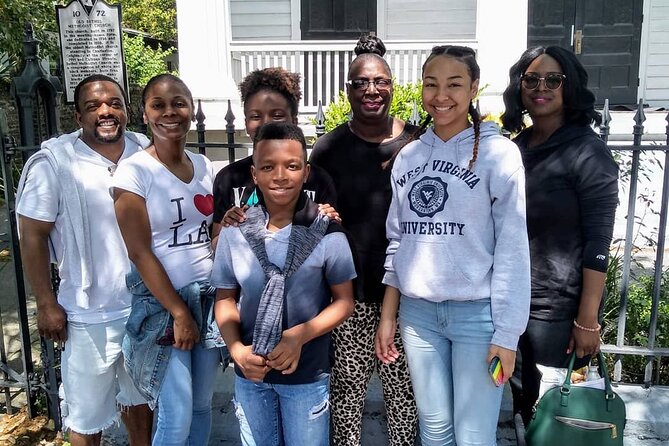
The tour’s main themes are slavery, Gullah culture, and the lives of free blacks in the Lowcountry. That trio is a smart mix because it covers both rupture and continuity.
Slavery is the foundational context for Charleston’s early history and its wealth structure. Without it, a lot of the city’s landmarks can feel like they float in time. This tour aims to fix that by explaining slavery’s role in shaping the city and the people inside it.
Gullah culture is the continuity piece. It’s where you start seeing how memory, language, traditions, and community identity persist even after the systems that threatened them. You’ll learn how culture traveled and survived, and why it matters in understanding Charleston today.
And the lives of free Black people adds the part many casual histories skip. Freedom didn’t mean safety or equality in the way modern readers often assume. The tour’s approach helps you understand what freedom could look like on the ground, and how those realities influenced Black community life in the Lowcountry.
This matters because it changes your walking path afterward. Instead of just noticing buildings, you start noticing relationships: power, labor, community, faith, and survival.
Small-group Q&A: why the format feels different
The tour is capped at 15 travelers, and that small number is not a throwaway detail. It’s the reason the tour can slow down when you ask something important.
In a larger group, questions often turn into awkward pauses while the guide tries to keep everyone synchronized. Here, the experience is built around discussion. That means you can ask things like:
- How a particular landmark fits the larger story
- Why certain events changed life in Charleston
- How Gullah culture shows up beyond family stories and folklore
Even better, it’s a morning tour, so you’re not mentally fried yet. You’re fresh enough to process the heavier content, and you’re not stuck in lineups afterward. When the guide answers clearly, you’re left with understanding you can carry into the rest of your trip.
One nice detail from past groups: Frank has been noted for practical touches like bringing enough water bottles. It’s not listed as a formal inclusion, but it’s a reminder that the guides think about your actual comfort on the walk.
Logistics that actually help on a 10:00 am start
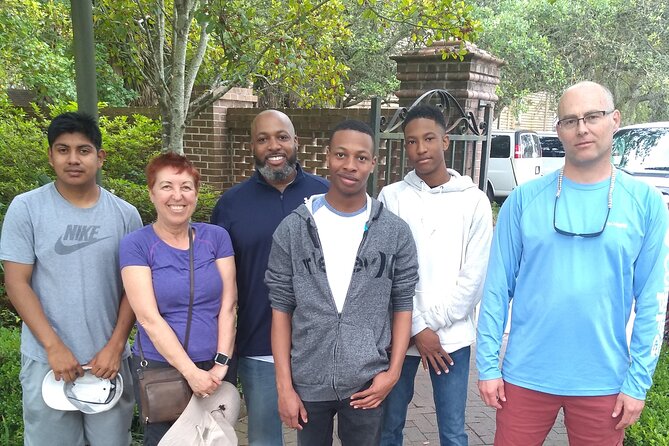
You meet at 375 Meeting St, Charleston, SC 29403. The tour starts at 10:00 am, and it ends back at the meeting point.
That matters because it’s easier to plan the rest of your day. You don’t have to figure out a complicated drop-off, and you can pair this tour with breakfast nearby or a museum stop afterward.
Also:
- You’ll get a mobile ticket, which saves time when you arrive.
- It’s near public transportation, which helps if you’re not driving into the center.
- Service animals are allowed.
Weather matters. The tour requires good weather, and if it gets canceled due to poor conditions, you’ll be offered a different date or a full refund.
For pacing, expect walking most of the time. The duration—about 1.5 to 2 hours—means you’re not doing a marathon, but you also shouldn’t treat it like a sit-and-stroll event.
If pets are part of your travel plans, this is one of the friendlier factors: pets are included, as long as you clean up after them. The provider also indicates they’ll work with you within reason.
Who should book this and who might want a different tour
This tour is best for you if:
- You want a Black history lens in Charleston and don’t want it reduced to a single paragraph
- You like learning from a guide who can answer questions on the spot
- You’re comfortable with a serious topic and want context tied to real places
- You’re short on time and want the value of a tight, 1.5 to 2-hour format
It may not fit as well if:
- You want a mostly light, purely scenic sightseeing walk
- You dislike structured interpretation at historic sites
- You’re looking for an alcohol-included tour (this one does not include alcoholic beverages)
If you’re doing other tours during your trip, I’d place this one early. It gives you a better lens for the rest of what you see.
Should you book Frankly Charleston Black History Tours?
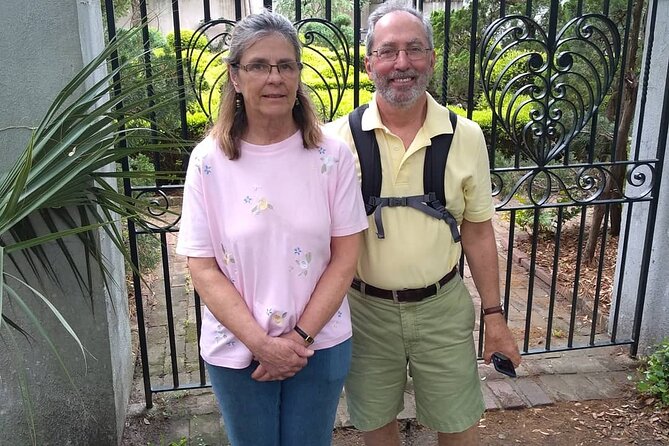
Yes—if your goal is to understand Charleston beyond the postcard version. The price is fair for a small group, the route is focused, and the themes hit the key gaps most casual histories leave behind. The strongest evidence is consistency in the reviews: people rate it 5/5 and recommend it strongly, and the praise centers on the guide’s passion, clarity, and the feeling that time flew because the story landed.
Book it especially if you value interpretation tied to specific places—Emanuel AME Church, Second Presbyterian Church, and Aiken-Rhett House—and you want time to ask questions without being treated like you’re holding up the line.
Go with good walking shoes, bring water (or plan for it), and arrive ready to see Charleston through a different angle.
FAQ
How long is the Frankly Charleston morning walking tour?
It runs about 1 hour 30 minutes to 2 hours.
How much does the tour cost?
The price is $49.30 per person.
Where does the tour start and where does it end?
It starts at 375 Meeting St, Charleston, SC 29403, USA and ends back at the same meeting point.
What time does the tour start?
The start time is 10:00 am.
How many people are in the group?
The tour has a maximum of 15 travelers.
What stops are included?
You visit Emanuel African Methodist Episcopal Church, Second Presbyterian Church, and Aiken-Rhett House.
Are admission fees included for these stops?
The tour info lists admission as free for Emanuel AME Church, Second Presbyterian Church, and Aiken-Rhett House.
Are pets and service animals allowed?
Pets are included as long as you clean up after them, and service animals are allowed.
Is alcohol included?
No. No alcoholic beverages are included.
FAQ
What is the cancellation policy?
You can cancel for a full refund up to 24 hours in advance of the experience’s start time. If you cancel less than 24 hours before, the amount you paid will not be refunded.
What happens if the tour is canceled due to weather?
The tour requires good weather. If it’s canceled due to poor weather, you’ll be offered a different date or a full refund.
What if the minimum number of travelers isn’t met?
If the tour is canceled because the minimum isn’t met, you’ll be offered a different date or experience, or a full refund.
More Tours Across Charleston



More Charleston Tours Worth Booking
More Historic District Walking Tours in Charleston

Still deciding? Here are the newest Charleston tours and experiences we have reviewed







Historic District Walking Tours, compared.
 ★ 5.0Historic Charleston Guided Sightseeing Walking TourFrom $306,216 reviews
 ★ 5.0Charleston Horse-Drawn Carriage Tour: Explore Historic CharlestonFrom $493,561 reviews
 ★ 4.5Ghosts of Charleston Night-Time Walking Tour with Unitarian Church GraveyardFrom $352,835 reviews
 ★ 5.0Hidden Alleyways and Historic Sites Small-Group Walking TourFrom $342,335 reviews
 ★ 5.0Highlights of Charleston Guided Walking Tour2,206 reviews
 ★ 5.0Charleston Haunted Booze and Boos Ghost Walking TourFrom $391,569 reviews
 ★ 5.0Charleston’s Pleasing Terrors Night-Time Walking Ghost TourFrom $291,345 reviews
 ★ 5.0Charleston historical walking tour with a Professor of History at The CitadelFrom $401,284 reviews
Browse the lists this tour appears in