

Reviewed · SELF-GUIDED AUDIO & APP TOURS
Charleston: Pirate Escape Scavenger Hunt
A pirate story with a paper trail through Charleston. You get a self-guided scavenger hunt that sends you off the main walkways and into the city’s historic bones, starting with access to the Fireproof Building Museum. It’s built around the real Pirate Siege of Charles Town in 1718, so the fun isn’t just costume-level.
I also like that the whole thing is paced to you. You work through clue instructions at your own tempo over about a mile and a half of Charleston’s historic district, and you can lean on text help if you need it. The main drawback to weigh: it’s not set up for kids under 10 (and it’s not suitable for people with mobility impairments), so if you’re traveling with younger children or anyone who needs step-free routes, this may be the wrong fit.
In This Review
- Key things to know before you start
- Pirate Escape Scavenger Hunt: a story you can walk
- Entering at Washington Square and the Fireproof Building Museum
- How the self-guided escape works (no live guide, lots of freedom)
- Following clue instructions through Charleston’s historic district
- Museum start + street mission: why this combo feels smart
- What makes the historical content feel trustworthy
- Pacing, time on your feet, and where “90 minutes” really fits
- Value for $9: what you’re really buying
- Who should book this scavenger hunt
- Practical tips to make your hunt smoother
- Getting the most out of the pirate story and the 1718 context
- Should you book Charleston Pirate Escape Scavenger Hunt?
Key things to know before you start
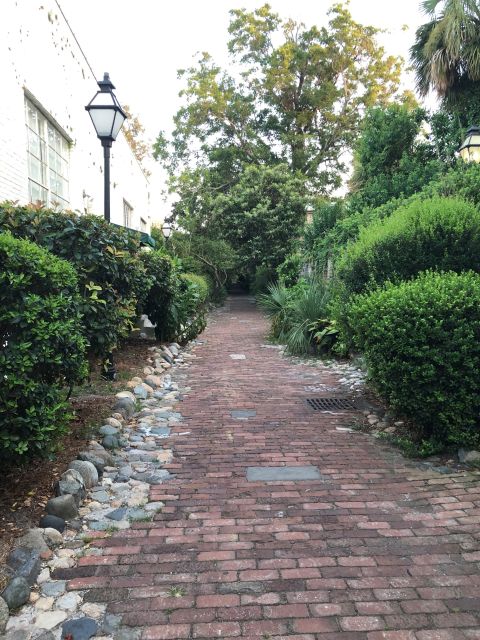
- Start at Washington Square Park: head to the northwest corner for the Fireproof Building Museum
- Museum access is part of the hunt: you begin with entry, not just a street scavenger worksheet
- A 1718 pirate siege storyline: historical accuracy is vetted by local historians and the museum director
- About 1.5 miles through the historic district: expect a walk that covers more than one quick loop
- No live guide: you’ll follow a packet and communicate by text as directed
- Small group limit (10 participants): less chaos at the start, more personal time at the museum desk
Pirate Escape Scavenger Hunt: a story you can walk
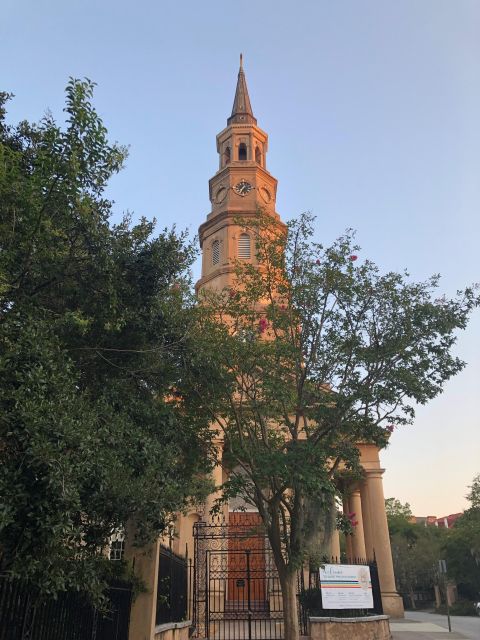
This isn’t a generic “find five things” stroll. The pirate theme is tied to the Pirate Siege of Charles Town in 1718, and the packet-based challenge is framed like an escape plan. You’re essentially reading clues, making choices, and using the city around you as your map.
I like that this turns Charleston into your game board. Instead of only hearing about history, you’re hunting for it—then using what you find to move forward. That approach works especially well in a place like Charleston, where streets and hidden corners can feel like plot twists if you’re paying attention.
More Charleston pirate history is waiting to be dug up.
- Charleston Pirates and Ghosts Tour★ 4.5 · 238 reviews
- Charleston Historical Walking Tour: Pirates, Patriots, and More★ 5.0 · 47 reviews
- Pirate Escape Charleston Scavenger Hunt and Free Museum★ 5.0 · 40 reviews
Entering at Washington Square and the Fireproof Building Museum
Your experience begins at Washington Square Park, at the corner of Meeting and Broad Street. The northwest corner of the park is where you’ll find the Fireproof Building Museum, and that’s the first stop in your “escape.”
Here’s what you should expect right away:
- You’ll enter the museum area and show your voucher to staff.
- You’ll receive the instruction packet for the hunt within your booked timeframe.
- You’ll need to follow the packet directions and text the team when you start, as requested on your materials.
One practical note: the “Powder Magazine” is mentioned in the instructions for where you show your booking voucher to get going. In other words, don’t stress if the desk you check in at is described with that name—just be ready to show your voucher at the starting point staff direct you to.
This is also where the experience gets grounded. The museum piece matters because the hunt doesn’t float above the past. It uses a real historic setting to kick things off, so you’re not only chasing answers—you’re learning as you go.
How the self-guided escape works (no live guide, lots of freedom)
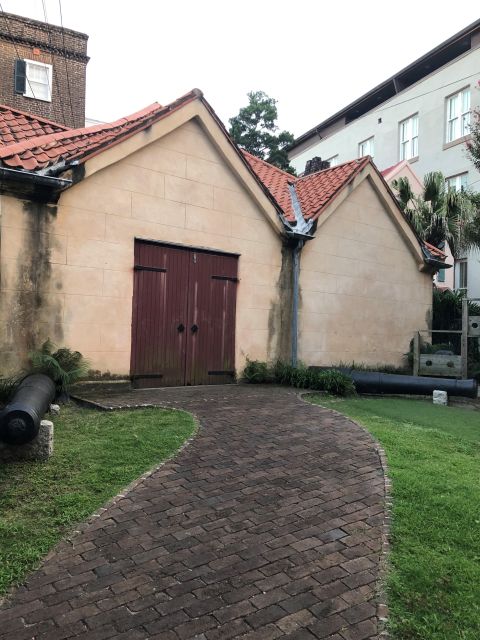
This activity is self-guided, not a traditional guided tour. You won’t have a live guide walking alongside you giving commentary every step. Instead, you’ll get a clipboard-style packet (clues and instructions) and move through the city on your own schedule.
The upside is control. You can take the time to read, look closer at details, and slow down if something catches your eye. Multiple people will like this structure because it keeps the experience from feeling rushed.
The “keep it moving” part comes from the format: the hunt is designed to cover about a mile and a half within an expected time window. Finish close to the recommended time and you complete the escape story—basically avoiding that terrible pirate fate.
You’ll also have a simple safety net. Reviews mention communication by text throughout the hunt, which is useful if you get stuck or need help interpreting an instruction. The key is that the packet tells you exactly how to do it, so follow those steps.
Following clue instructions through Charleston’s historic district
The route is designed to take you through some of Charleston’s best-known historic areas, but with a twist: you’re also sent toward places many people wouldn’t find on their own. The hunt covers roughly 1.5 miles in the most historic district, and it includes historic locations and items tied to the storyline.
What you’re really doing along the way is learning how to “read the city”:
- You look for what the packet tells you to find.
- You use directions embedded in the challenge to navigate.
- You look down smaller side streets and alleys where the city changes character.
Even if you’re already familiar with downtown Charleston, this structure can still surprise you. People mention it taking them onto streets they didn’t walk before. That matters, because Charleston is one of those cities where a block or two can change everything—light, architecture, mood, and history.
Museum start + street mission: why this combo feels smart
Many walking experiences do the same thing: quick intro, then straight into the streets with no real grounding. Here, you start with museum access, which gives context before you begin solving.
That museum start is valuable in three ways:
- You begin informed, not confused. You’re not guessing what you’re supposed to care about.
- The story clicks faster. When a clue is tied to history, you understand what you’re looking at sooner.
- Your morning or afternoon becomes flexible. One review highlights enjoying time in the museum after finishing the hunt—basically stretching the value beyond the game itself.
So you’re not paying only for a walk. You’re paying for a guided-by-clues way to experience a key local historic site, plus a curated route through the district.
Go at your own speed with more Charleston self-guided and audio tours.
What makes the historical content feel trustworthy
The packet isn’t just themed. The locations and information are described as being historically accurate, vetted by two local historians and the director of the museum.
That’s a big deal for a pirate story. Pirate-themed experiences can sometimes feel like they’re guessing at the past. Here, the emphasis on historical accuracy means you’re more likely to learn something real instead of absorbing a bunch of “sounds right” trivia.
It’s also why the provider recommends the hunt for age 10+. The content and length are described as having historical material that may not land the same way for younger kids.
One review notes fun for kids even at a younger age, but if you’re deciding for your family, I’d still treat the 10+ recommendation as the baseline. The packet format can demand reading and focus, and the historical angle likely takes more attention than a pure scavenger game.
Pacing, time on your feet, and where “90 minutes” really fits
The listed duration is 90 minutes, but the real takeaway is that this is designed to fit into a normal Charleston visit block. You’ll start at Washington Square, spend time in the museum to begin, and then walk about 1.5 miles while solving clues.
How to think about timing:
- If you move quickly, you’ll likely finish with breathing room.
- If you pause for photos, read carefully, and scan details, you’ll still likely land near the recommended window.
- If you get stuck, the text communication described in reviews can help keep you from wasting time.
Because it’s self-guided, this is also a good option for mixed groups—say, adults who want history plus kids who want a game. You can keep everyone moving without the friction that sometimes comes from a rigid schedule.
Value for $9: what you’re really buying
At $9 per person, you’re getting a lot more than a basic activity. You’re paying for:
- a self-guided scavenger hunt
- free access to the museum as part of the experience
- a designed walking route through the historic district
- small-group startup structure (limited to 10 participants)
For a Charleston visit, museum entry alone can easily make activities feel expensive. Here, you’re bundling the museum start directly into the hunt, so your money goes further.
Is it as immersive as a live guided tour? No live guide is included. But for many people, that’s exactly the point. You’re getting a route and a packet that structures your time, while letting you control the pace.
And based on the reviews, the sweet spot is clear: it’s fun for both kids and adults, and it works even if you’re not a hardcore history nerd.
Who should book this scavenger hunt
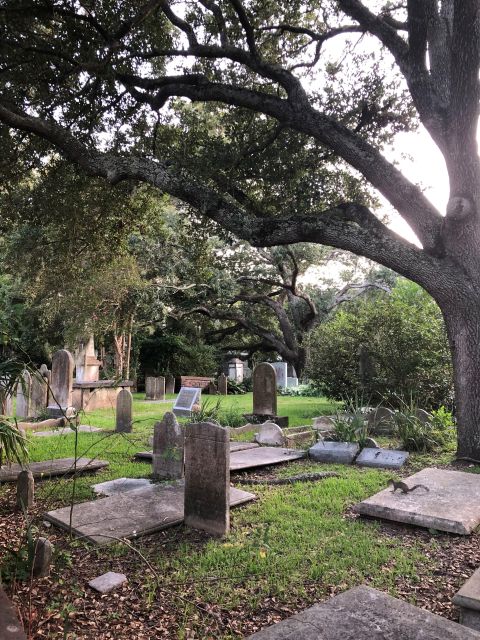
This fits best if you want:
- a walkable way to see more of downtown Charleston than a standard “hit the top sights” loop
- history you interact with through clues, not just facts you hear
- freedom to go at your own pace without a live guide schedule
- a family-friendly mission style experience (with the understanding that the recommendation is 10+)
It may not be ideal if:
- you have very young kids who struggle with reading or longer attention spans
- anyone in your group needs step-free or highly accessible routes, since it’s noted as not suitable for mobility impairments
- you dislike self-guided activities and prefer someone leading every step
Practical tips to make your hunt smoother
I’d treat this like a casual mini adventure, not a museum sprint. A few practical moves help a lot:
- Wear comfortable walking shoes. You’re covering about a mile and a half, and Charleston streets can vary underfoot.
- Bring your phone and be ready for text. The packet instructions call for texting as you start, and reviews mention text communication during the hunt.
- Arrive at Washington Square on time so staff can check your voucher within the allocated timeframe and hand over the packet.
- Read instructions once, then skim again before moving. Clue mistakes usually come from skipping a detail rather than the city being “hard.”
- Plan for museum time. Even if you finish the hunt, you can spend time in the Fireproof Building Museum afterward if you want.
If you’re driving, the closest public parking garage is listed as the Cumberland Garage at 84 Cumberland Street, about two blocks away. That’s helpful when you’re trying to keep the morning uncomplicated.
Getting the most out of the pirate story and the 1718 context
What I like about using the 1718 siege framing is that it gives you a reason to pay attention as you walk. You’re not just collecting trivia; you’re working through a scenario.
Because the packet info is vetted by local historians and the museum director, the pirate storyline is used as a vehicle for accuracy. That means the hunt doesn’t feel like it’s ignoring the real past behind the legend.
And that’s why this experience works for different types of travelers:
- If you love history, you’ll enjoy how the clues point you toward historic locations and items.
- If you’re more casual, you’ll still enjoy the pacing and the “escape” narrative.
- If you’re traveling with kids, the story + discovery element can keep attention on the move.
Should you book Charleston Pirate Escape Scavenger Hunt?
I’d book it if you want an interactive, self-paced way to explore Charleston’s historic district while also getting museum access. At $9, you’re getting excellent value for a structured 90-minute adventure, especially if you like the idea of solving clues while walking streets you might not choose on your own.
Skip it if you want a live guided tour, need a fully accessible route, or you’re bringing kids under the recommended age range. This is a packet-based experience, and the experience level is built around participants who can follow instructions and handle the historical material.
If your ideal Charleston day includes a walk, a little suspense, and time inside a real historic site, this is an easy yes.
More Charleston Tours Worth Booking






More Self-Guided & Audio Tours in Charleston





More Pirate History Tours in Charleston





Still deciding? Here are the newest Charleston tours and experiences we have reviewed












Self-Guided Audio & App Tours, compared.
 ★ 4.5Fort Sumter Admission and Self-Guided Tour with Roundtrip FerryFrom $433,343 reviews
 ★ 5.0Charleston in a Nutshell Private Tours375 reviews
 ★ 4.5Middleton Place Admission with Self Guided Tour and LunchFrom $120326 reviews
 ★ 4.5Charleston’s Haunted Ghost Tour – Solo Smart Phone Guided TourFrom $665 reviews
 ★ 4.0Charleston TourPass 1-Day Pass – Includes 40 Top ToursFrom $5952 reviews
 ★ 4.7Tour Pass with 40+ AttractionsFrom $11940 reviews
 ★ 5.0Pirate Escape Charleston Scavenger Hunt and Free MuseumFrom $940 reviews
 ★ 4.5Charleston Self Guided Walking TourFrom $939 reviews
Browse the lists this tour appears in