Reviewed · CHARLESTON GHOST & GRAVEYARD WALKS
Paranormal Investigation: YOU are the Ghost Hunter
Charleston at 9 pm can get weird. This small-group paranormal investigation puts you in the role of a ghost hunter, using a thermal imaging camera and local stories tied to real streets.
I like that it’s hands-on from the start, not a sit-and-listen show. I also like the promise that you’ll get all the investigation media and very extensive notes to review afterward.
One thing to consider: you’ll be walking for a couple hours after dark, and the route can change depending on what the devices detect.
In This Review
- Key things you’ll remember
- Entering Charleston as the ghost hunter, not the tourist
- Price and value: $63.20 for equipment, training, and your data
- Meet Nicholas McGirr and learn the kit before you start
- Your night’s route and the seven places you might investigate
- Stop 1: Philadelphia Alley and the Whistling Doctor tale
- Stop 2: St. Philip’s Church and Cemetery
- Stop 3: The Powder Magazine and Anne Bonny
- Stop 4: Washington Square and Henry Timrod’s Blood Book
- Stop 5: Lawrimore Park and a Quaker graveyard
- Stop 6: 235 E Bay St and Eliza Lucas Pinckney
- Stop 7: The French Quarter’s Lodge Alley and Belgian Blocks
- What the equipment actually changes in your experience
- The Estes session with earbuds and blindfolds
- How you get your results after the night
- Logistics that matter: walking, timing, and what to bring
- Who this paranormal investigation tour suits best
- A balanced reality check: technology and unpredictable outcomes
- Should you book Paranormal Investigation: YOU are the Ghost Hunter?
- FAQ
- How long is the Paranormal Investigation tour in Charleston?
- What time does the tour start, and where does it begin?
- How many people are in a group?
- What equipment do you use during the investigation?
- Do you visit every listed stop on the itinerary?
- Is bottled water or insect repellant included?
Key things you’ll remember
- You use the tools, not just watch someone else use them
- Thermal imaging camera plus other investigation gear
- Small group (max 12) for real interaction and lots of questions
- Data access afterward with audio, video, imagery, and extensive notes
- Estes session setup with disposable earbuds and blindfolds
- Historic stops that may vary based on activity and the lead investigator’s decisions
Entering Charleston as the ghost hunter, not the tourist
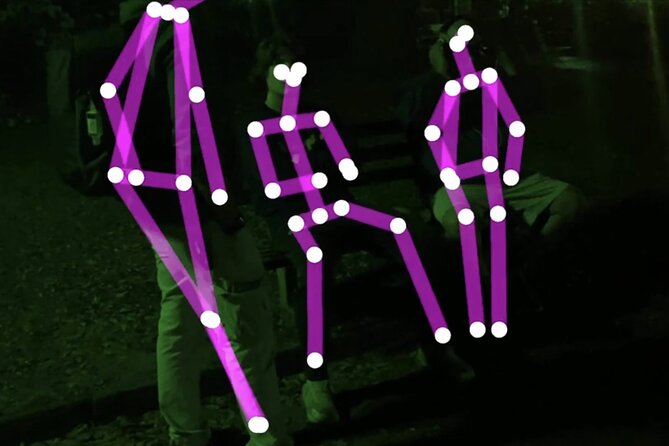
This tour is built around one simple idea: if you’re going to hunt ghosts, you should run the investigation. You’ll meet up in downtown Charleston and head out at 9:00 pm, when the city feels different and the shadows matter. The vibe is part night walk, part field training, and part “let’s test our senses like we mean it.”
Instead of treating the supernatural as pure entertainment, the experience focuses on process. You get tutorials on the devices, you participate in the investigation, and then you receive the collected results so you can look at what happened once you’re back somewhere safer and brighter.
Expect a guided small group with an easy pace. It’s still walking—Charleston streets add up fast after dark—so you’ll want comfortable walking shoes and the mindset that you’ll be on your feet for most of the tour.
If the dark stories pulled you in, more Charleston ghost and graveyard walks wait after sundown.
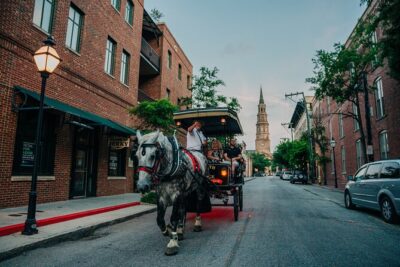
- Haunted Evening Horse and Carriage Tour of Charleston★ 4.5 · 3,678 reviews
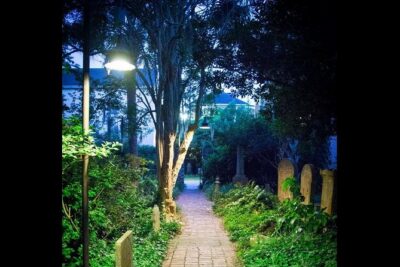
- Ghosts of Charleston Night-Time Walking Tour with Unitarian Church Graveyard★ 4.5 · 2,835 reviews
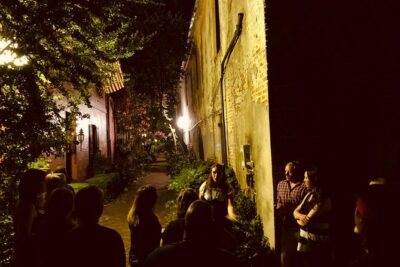
- Charleston Haunted Booze and Boos Ghost Walking Tour★ 5.0 · 1,569 reviews
Price and value: $63.20 for equipment, training, and your data
At $63.20 per person, this is not the cheapest ghost tour option. But the value comes from what you’re actually paying for: equipment, instruction, and the deliverable afterward.
Most walking tours give you stories. Here, you also get:
- Ghost hunting equipment to use during the investigation
- All media collected (audio, video, imagery)
- Very extensive notes from the night
- A quick way to review what your tools captured
That “data package” is the part that makes this feel like an investigation instead of a performance. If you like the idea of comparing what you saw in person with what your devices recorded, this price starts to make more sense.
One more value point: the group size stays small, with a maximum of 12 travelers, which makes it easier for the guide to check that you’re using the gear correctly and not just holding random gadgets.
Meet Nicholas McGirr and learn the kit before you start
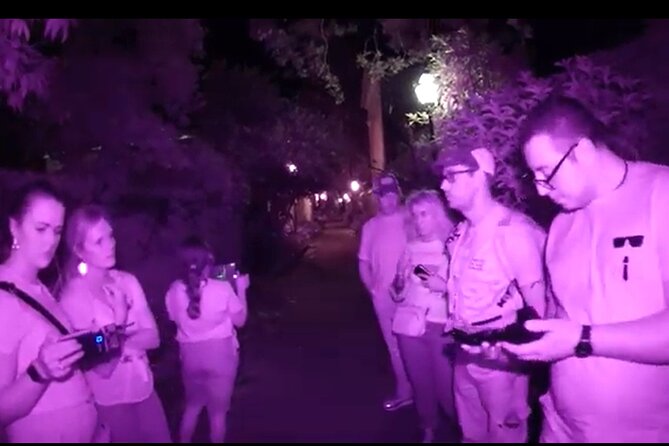
The experience is led by Nicholas McGirr. His role is part teacher, part field lead, part storykeeper. The big difference is that you get taught how to use what you’re carrying—so you can spend the night asking better questions and noticing more.
In the field, that training matters because ghost hunting tools can confuse people fast. If you’re not sure what a thermal camera is really showing you, you’ll either ignore it or over-read it. With instruction built in, you have a better shot at separating “normal night effects” from whatever looks unusual.
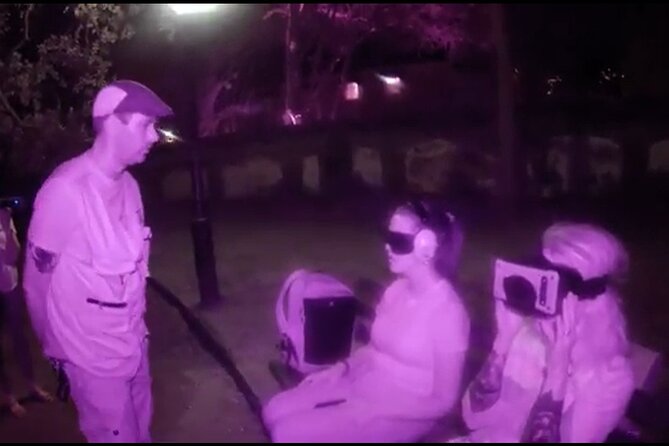
You’ll also get some “sensory challenge” style tools during the Estes session—disposable earbuds and blindfolds are provided. That doesn’t mean the whole night is scary. It means you’re running controlled attempts at perception, guided by the structure of the session and the lead investigator’s process.
Your night’s route and the seven places you might investigate
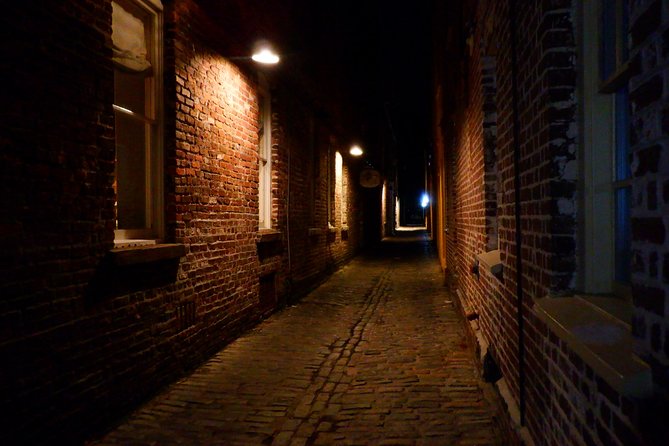
The itinerary uses a set list of strong Charleston sites, but not every location is guaranteed to happen for every group. Routes can change based on the lead investigator’s discretion and changing activity detected by devices used. That sounds vague until you realize what it actually does: it keeps the night flexible and responsive instead of “same script every time.”
Here are the stops you should be prepared for, plus what each one brings to the hunt.
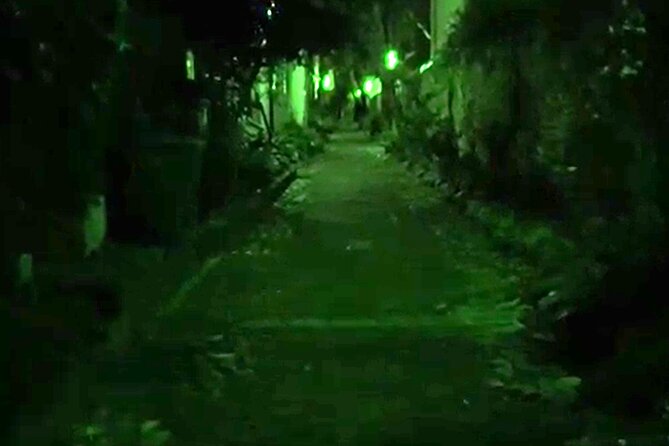
Stop 1: Philadelphia Alley and the Whistling Doctor tale
You start at Philadelphia Alley, where the stories turn toward dueling. The night’s lore includes tales of the Whistling Doctor and his opponent, Ralph Isaacs, tied to the alley’s reputation for conflict.
This is a strong warm-up stop because narrow alleys can feel acoustically lively at night. You’ll be looking for anything your tools pick up, but the guide’s job here is also to set you up for how to observe without spiraling into fear.
Possible drawback: if you’re hoping for a loud, dramatic “moment,” this stop is more of a context builder. It’s still a real location to investigate, just don’t expect every stop to feel equally intense.
The Old City Jail is only the start of more haunted Charleston history.
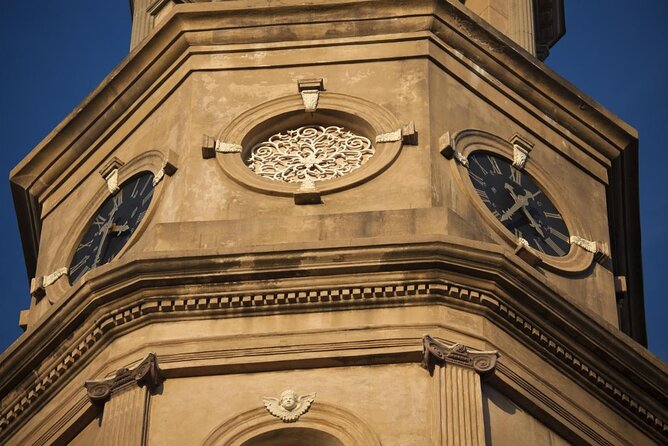
Stop 2: St. Philip’s Church and Cemetery
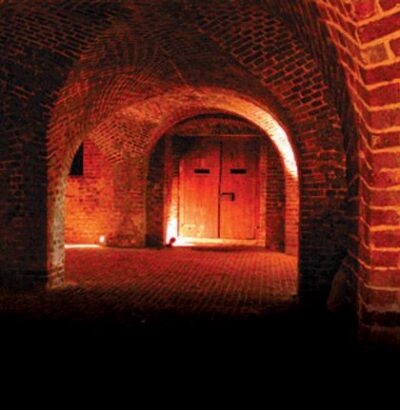
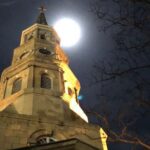
Next up is St. Philip’s Church and its cemetery grounds, where the area is associated with spirits roaming.
Cemeteries add two things to a night hunt. First, they’re historically dense places, so the guide can connect equipment observations to meaningful location history. Second, they tend to be quieter, which can make it easier to notice changes in sound or temperature patterns.
Practical note: if you tend to get restless outdoors for long stretches, treat this as the moment to pace yourself. The walking adds up across the night, and cemeteries can feel longer than they look on a map.
Stop 3: The Powder Magazine and Anne Bonny
At the Powder Magazine, the ghost story centers on Anne Bonny, the famous female pirate. This stop shifts the tone toward legend and maritime energy, which fits the Powder Magazine’s charged past.
From an investigation perspective, this type of location can be good because you’re often dealing with unusual angles of stone, open vs. enclosed spaces, and shifts in airflow. Your job is to keep your attention steady while the guide runs the equipment workflow.
Possible consideration: powder magazine investigations may feel less “street-level spooky” and more “focused observations.” If you only want dramatic walk-by frights, this might not match your expectations.
Stop 4: Washington Square and Henry Timrod’s Blood Book
Then you’ll head to Washington Square, hunting the ghost of Henry Timrod and the infamous Blood Book stories.
This stop gives you a different kind of atmosphere. Squares can feel open and airy compared with alleys or cemetery lanes, which changes what you might notice with thermal and audio equipment.
If you’re the type who likes stories with a built-in narrative, this is one to pay attention to. You’ll be listening for how the guide explains the characters and the setting as part of the investigation framing.
Stop 5: Lawrimore Park and a Quaker graveyard
At Lawrimore Park, the focus becomes a Quaker graveyard—an intimate corner of Charleston where investigation meets a quieter kind of history.
Graveyard corners can be good for observation because the environment stays relatively stable. You can get a better sense of whether something changes in a way that stands out from the background noise.
One caution: this stop is still outdoors and still part of the walking loop. Bring stamina, not just curiosity.
Stop 6: 235 E Bay St and Eliza Lucas Pinckney
Next is 235 E Bay St, connected to the indigo plantation owner Eliza Lucas Pinckney—a reminder that Charleston’s ghost stories sit on top of big economic and daily-life history.
This stop tends to work well if you enjoy the “human history first” approach. Ghost hunting here becomes a lens for noticing how people lived, worked, and shaped the city.
Possible drawback: if your heart is set on only the most well-known hauntings, you may find this more educational and reflective than shocky.
Stop 7: The French Quarter’s Lodge Alley and Belgian Blocks
Finally, you reach the French Quarter area, with an emphasis on Lodge Alley and the Belgian Blocks that make up parts of the alley.
The Belgian blocks detail matters more than it sounds. Different paving and street textures affect how sound carries and how your senses interpret vibrations and temperature shifts near the ground. In a night investigation, those small environmental factors can affect what the tools record.
This stop is a good closer because it returns you to the street feeling of Charleston—tight spaces, old textures, and a vibe that makes the stories feel close to the pavement.
What the equipment actually changes in your experience
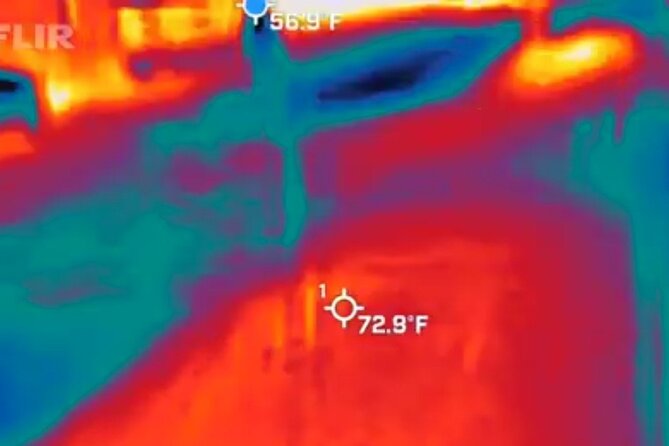
A big part of why this tour gets such strong marks is that you’re not just collecting spooky vibes. You’re collecting data, with the tools you’re taught to use.
A highlight is the thermal imaging camera. Even if you’re not an expert, the training component helps you read the camera output more logically. You’ll also be using other ghost hunting devices provided by the tour, with each tool included in the tutorials.
Here’s the real benefit: you’ll spend less time wondering what’s happening and more time testing for patterns. That shift can turn a ghost tour from “entertain me” into “help me figure it out.”
The Estes session with earbuds and blindfolds
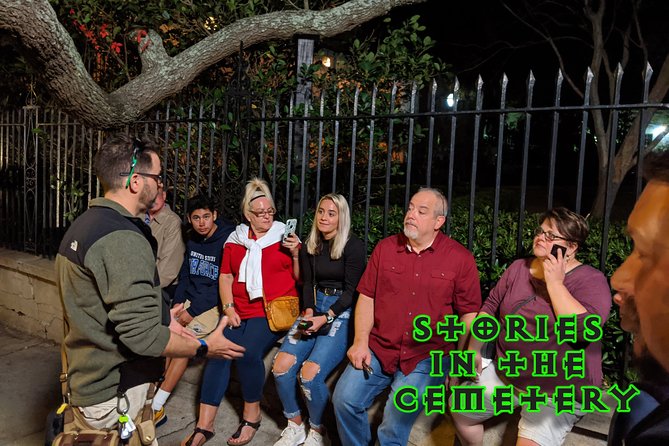
You’ll also get disposable earbuds and blindfolds provided during the Estes session. That tells you the experience includes more than standard tool use.
What it adds is structured sensory focus. Instead of scanning the environment randomly, you’re asked to experience in a controlled way while the process captures what the investigation devices register. It can be fun in a grounded way, not campy.
Practical note: if you’re someone who doesn’t like restricted senses, you can still participate—just consider whether you’ll feel comfortable wearing a blindfold for the session portion.
How you get your results after the night
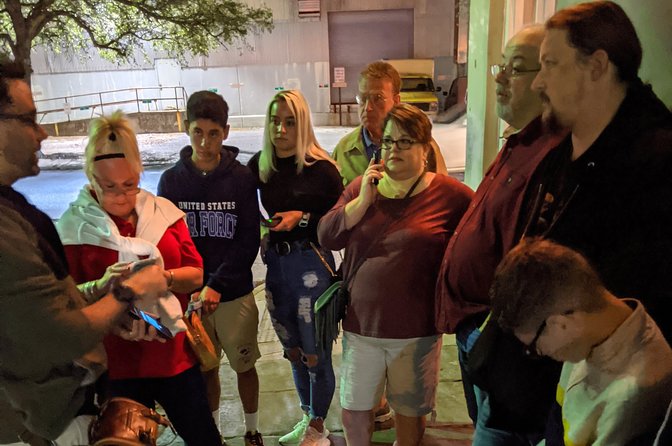
This tour is built around one promise: you receive access to all data recorded during your investigation, including audio, video, imagery, and very extensive notes.
That’s a key distinction. A lot of paranormal tours end when you reach your last stop. Here, the investigation continues in your hands once you get the materials.
It also means you have an after-action step. You can replay audio, compare images, and look at the notes the guide gathered while you were out investigating. Even if nothing “major” shows up, you still walk away with something concrete: a record of what you tested that night.
Logistics that matter: walking, timing, and what to bring
The tour runs about 2 hours to 2 hours 30 minutes, though you should plan for the possibility of a slightly longer night depending on what’s happening in the field. Start time is 9:00 pm, and the meeting point is 255 E Bay St. The tour ends at Charleston Library Society, 164 King St.
Because it’s after dark, the simple choices matter:
- Wear comfortable walking shoes
- Bring something to stay hydrated if you can, since bottled water isn’t included
- Consider insect protection since insect repellant isn’t included
This is also a good family option in the sense that it’s open to all ages. Still, it’s a nighttime activity with walking, so bring an honest sense of what your kids or group members can handle.
Who this paranormal investigation tour suits best
This works best for people who like hands-on activities and can enjoy a mix of story and testing. If you enjoy history but also want to use real tools to look for unusual patterns, you’ll likely have a great time.
It’s also a strong fit for:
- Folks who want more interaction than a standard ghost walk
- Anyone curious about how thermal imaging plays out in real conditions
- Families who like a structured activity rather than pure thrills
If you want only a dramatic, scripted haunting with guaranteed “proof,” this probably won’t match your idea of entertainment. The tour’s whole structure leaves room for uncertainty because it’s tied to what the investigation devices record.
A balanced reality check: technology and unpredictable outcomes
Paranormal tools run on technology. Technology can fail, and even when everything works, conditions vary. That’s just the nature of the setup: outdoor nights, shifting temperatures, and devices that capture data instead of delivering instant answers.
A small downside can be when a piece of equipment doesn’t record as expected. The good news is that you still receive the broader package of media and notes collected by the full investigation.
Another consideration is route variability. Some stops may or may not be included for your group. If you’re the type who wants a fixed checklist, that flexibility might feel annoying. If you’re open to a responsive hunt, it’s part of the fun.
Should you book Paranormal Investigation: YOU are the Ghost Hunter?
Book it if you want a hands-on Charleston ghost hunting night with real equipment training, a thermal imaging camera, and the chance to review what your tools recorded afterward. The small-group size and the focus on collecting data instead of only telling stories make it a smarter choice than many traditional ghost walks.
Skip it if you’re mainly chasing guaranteed jump-scares or you dislike nighttime walking. Also think twice if restricted-sense activities like the Estes session blindfold setup would stress you out.
If your goal is a night in Charleston where you actively investigate historic places and get a concrete data package afterward, this is a strong pick.
FAQ
How long is the Paranormal Investigation tour in Charleston?
The tour typically lasts about 2 hours to 2 hours 30 minutes.
What time does the tour start, and where does it begin?
It starts at 9:00 pm. The meeting point is 255 E Bay St, Charleston, SC 29401.
How many people are in a group?
The tour has a maximum group size of 12 travelers.
What equipment do you use during the investigation?
You’ll be provided ghost hunting equipment, including a thermal imaging camera. You’ll also be taught how to use the devices.
Do you visit every listed stop on the itinerary?
Not necessarily. The route may change, and some locations may or may not be part of your full investigation depending on activity detected by the devices and the lead investigator’s decisions.
Is bottled water or insect repellant included?
No. Bottled water and insect repellant are not included, so it’s smart to plan to bring your own.
More Charleston Tours Worth Booking

More Haunted Jail & Dungeon Tours in Charleston
More Ghost & Graveyard Walks in Charleston
Still deciding? Here are the newest Charleston tours and experiences we have reviewed



Charleston Ghost & Graveyard Walks, compared.
 ★ 4.5Haunted Evening Horse and Carriage Tour of CharlestonFrom $503,678 reviews
 ★ 4.5Ghosts of Charleston Night-Time Walking Tour with Unitarian Church GraveyardFrom $352,835 reviews
 ★ 5.0Charleston Haunted Booze and Boos Ghost Walking TourFrom $391,569 reviews
 ★ 5.0Charleston’s Pleasing Terrors Night-Time Walking Ghost TourFrom $291,345 reviews
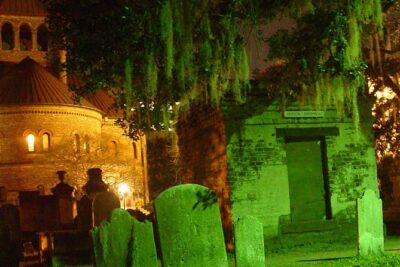 ★ 4.5Charleston Ghost & Graveyard Night-Time Guided Walking TourFrom $401,100 reviews
 ★ 5.0Real Hauntings of Charleston! (Small Group Ghost Tour)From $35724 reviews
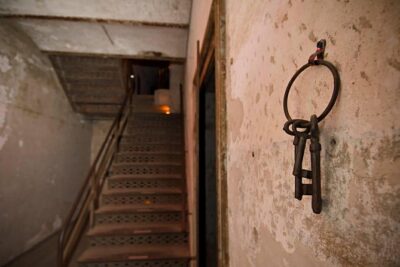 ★ 4.5Charleston Haunted Jail Night-Time Walking Tour with Admission to Old City JailFrom $40570 reviews
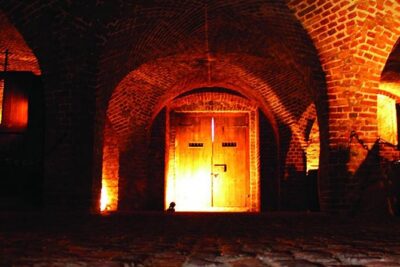 ★ 4.0Charleston Ghost & Dungeon Night-Time Walking Tour with Entry to Provost DungeonFrom $40479 reviews
Browse the lists this tour appears in