Reviewed · COOKING CLASSES & CRAFT WORKSHOPS
Hands-on Cooking Class in Charleston
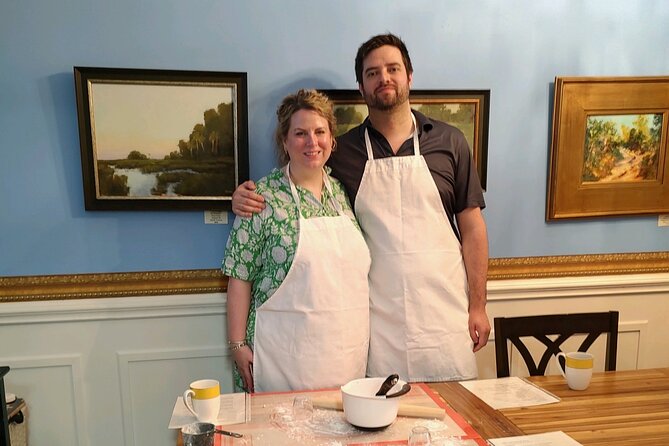
Biscuits and stories, all in two hours. This Charleston cooking class is a real work-in-the-kitchen kind of experience, where you chop, mix, and season your way through Lowcountry favorites. You also get to sit down afterward in a charming 19th-century dining room with coffee or tea.
I love that you cook three dishes instead of watching from the sidelines. I also love the way the class pairs technique with context, with instructors like Martha (and also Beth, in one session) sharing the ingredient and recipe background while you’re actively working.
One possible drawback: the class caps at 16 people, so if the room is full, you may feel a bit rushed compared with a private cooking school setup. Still hands-on, just plan for shared space and a set pace.
In This Review
- Key highlights you’ll care about
- Why This Charleston Cooking Class Feels Different Than a Food Tour
- Price and What You Get for $99 in Real Terms
- AM vs PM Menus: What You’ll Cook (and Why It’s a Smart Choice)
- AM Class Menu
- PM Class Menu
- How to pick between AM and PM
- Meeting at 184 E Bay St and What to Expect in the Room
- How the Two Hours Typically Flow: Chop, Cook, Season, Eat
- Step 1: Getting your ingredients and station work
- Step 2: Learning the technique behind the recipe
- Step 3: Finishing and serving
- A practical timing tip
- The Dishes Up Close: What You’ll Learn From Each One
- Buttermilk Biscuits (and the kind of “secrets” that stick)
- Pimento Cheese: familiar comfort with real method
- Huguenot Torte: dessert with Charleston identity
- Charleston Red Rice: savory, comforting, and meal-friendly
- Skillet Cornbread: quick, cast-iron comfort
- Seasonal Cobbler: the sweet finish
- Who This Class Suits Best (and Who Might Want to Think Twice)
- It’s a great fit if:
- Considerations if you:
- Tips to Get More From Your Cooking Class Day
- Should You Book It?
- FAQ
- How long is the Hands-on Cooking Class in Charleston?
- What is the price per person?
- How many dishes will I cook?
- What are the AM menu options?
- What are the PM menu options?
- Is coffee or tea included?
- Where is the meeting point?
- What is the maximum group size?
- What language is the class offered in?
- Can the class accommodate food allergies?
- Is there free cancellation?
Key highlights you’ll care about
- Three-dish format: you make (and then eat) a full Lowcountry meal setup
- Two session choices: AM and PM run with different menus
- Small group size: maximum of 16 people
- Instructor-led technique: hands-on instruction from chefs/instructors like Martha, sometimes with helpers like Mimi
- Eat together afterward: local coffee and/or tea in a 19th-century dining room
- Recipe handouts: you leave with recipes for everything you made
Why This Charleston Cooking Class Feels Different Than a Food Tour
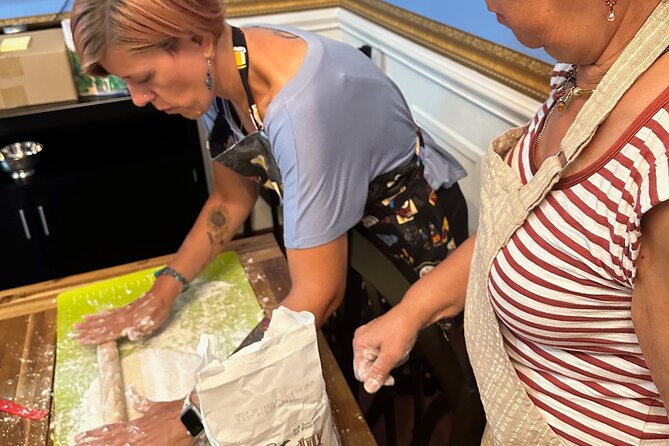
Charleston already has great food, but this is different because you’re not just sampling. You’re doing the work. You’ll chop, mix, and season as you go, and you’ll learn why each recipe is built the way it is.
That matters for two reasons. First, it turns your time into an actual skill you can use later. Second, the history and culture part lands better when your hands are busy and your brain is paying attention.
The format also keeps it friendly. Reviews highlight instructors who mix clear instruction with a lot of Charleston and Lowcountry context. If you like your vacation activities to be active, this one fits.
Make something to take home in more Charleston classes and workshops.
- Undiscovered Charleston: Half Day Food, Wine & History Tour with Cooking Class★ 5.0 · 948 reviews
- Sip History in The Sun Cabana Covered Cocktail Class★ 5.0 · 332 reviews
- Create a Custom Perfume or Cologne in Charleston, SC: Mix & Match★ 5.0 · 97 reviews
Price and What You Get for $99 in Real Terms
It costs $99 per person, and on paper that sounds like a lot—until you look at what’s included. You’re paying for about 2 hours of guided cooking, plus all ingredients and supplies, plus snacks and your meal (coffee and/or tea included).
You’re also paying for the instructor time. In a class like this, someone has to plan the recipes, prep the stations, and keep the pacing moving so everyone gets hands-on time. With a maximum of 16 people, it’s built to stay interactive rather than turning into a lecture.
If you’re the type who likes to bring something home from a trip, the value jumps. Several participants mention leaving with recipes for what you made, which turns your visit into future breakfasts and comfort-food dinners.
AM vs PM Menus: What You’ll Cook (and Why It’s a Smart Choice)
You’ll cook three authentic regional dishes, but the menu depends on whether you take the AM or PM class.
AM Class Menu
- Huguenot Torte
- Buttermilk Biscuits
- Pimento Cheese
This is the choice I’d steer you toward if you love Southern baking and spreads. Biscuit-making is the kind of skill that people remember, and one of the strongest themes in the class feedback is learning the steps that make biscuits work. Pimento cheese also has that almost-universal appeal: rich, tangy, and made for sandwiches, crackers, and casual snacking.
For dessert, the Huguenot torte shows up in versions like an apple and walnut style in some sessions, which gives it a classic, old-school Charleston dessert vibe.
PM Class Menu
- Charleston Red Rice
- Skillet Cornbread
- Seasonal Cobbler
The PM menu is the “more dinner-forward” option. Red rice and cornbread complement each other well, and the cobbler finishes things off sweet. If you’re the kind of person who wants a meal you could almost serve to friends without a lot of extra effort, PM is a solid bet.
A few more Charleston tours worth a look before you go.
How to pick between AM and PM
- Choose AM if you want biscuits and pimento cheese in your recipe folder.
- Choose PM if you want a savory meal base with red rice and cornbread, plus cobbler.
Either way, you’re getting three dishes and the full eat-together finish.
Meeting at 184 E Bay St and What to Expect in the Room
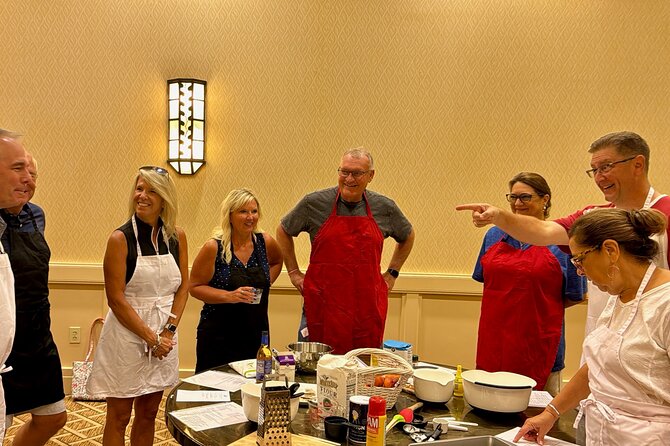
You start at 184 E Bay St, suite 103, Charleston, SC 29401. The activity ends back at the meeting point. It’s near public transportation, which is useful if you’re walking most places or not renting a car just for this.
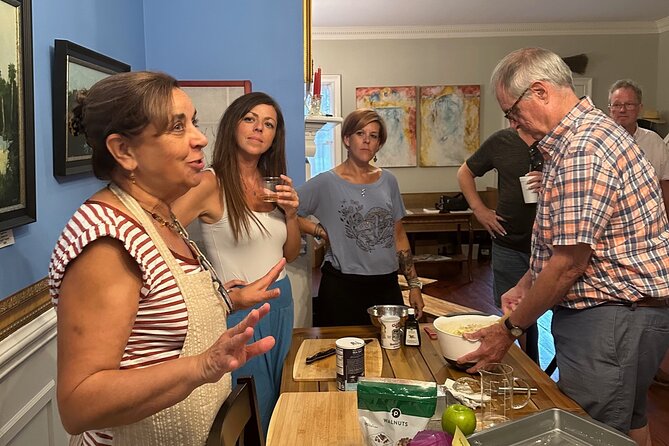
The setting is not a random storefront. The experience includes a charming 19th-century dining room where you’ll enjoy what you cook. That matters because you’re not just finishing when the cooking ends; you get to slow down for coffee or tea and actually taste the results as a group.
Group size is max 16 people. In real life that usually means you’ll have enough space to work at your station, but you’ll still share equipment and workflow. If you want a super hands-on, every-minute, one-person-per-task feel, you may notice the schedule stays structured.
How the Two Hours Typically Flow: Chop, Cook, Season, Eat
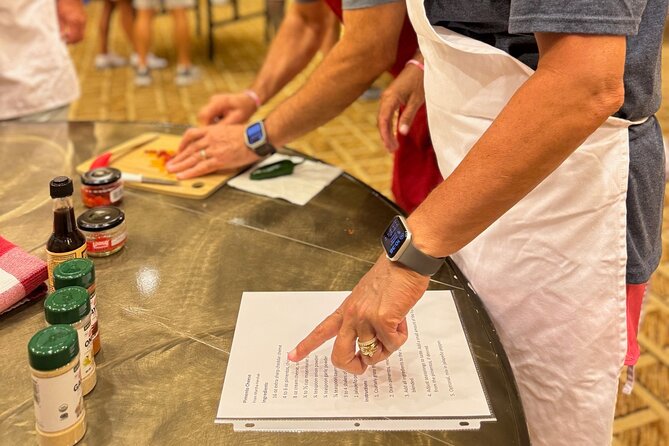
This class is built around a simple arc: prep together, cook through three recipes, then sit down and enjoy the meal.
Step 1: Getting your ingredients and station work
You’ll be actively working from the start—chopping, mixing, and seasoning. This is a key reason the class works even if you’ve never baked before. The instructor’s job is to translate classic Lowcountry cooking into doable steps you can follow.
In several sessions, the class experience emphasizes splitting tasks so everyone gets involved. So even if you’re with a group, you shouldn’t end up hovering. You should end up doing.
Step 2: Learning the technique behind the recipe
The strongest feedback centers on technique, especially biscuit success. That’s the difference between a recipe you skim and a method you actually understand. When you learn why a step matters, you can repeat it at home without guessing.
You’ll also hear about ingredient source and historic significance of what you’re making. The goal isn’t trivia for trivia’s sake. It’s more like: this is why this dish became a classic, and this is what makes it taste like the Lowcountry.
Step 3: Finishing and serving
Once the cooking portion is done, you move into enjoying the food you made. Included snacks are part of the day’s pace, and coffee and/or tea comes with the meal.
The best part is you get to taste everything while the experience is still fresh. You’re not just leaving with a box; you’re eating the results with the people who just cooked alongside you.
A practical timing tip
One detail worth planning around: the class runs closer to a full 2 hours than a shorter “quick session” format. If you’re stacking another tour right after, give yourself padding so you’re not racing the clock.
The Dishes Up Close: What You’ll Learn From Each One
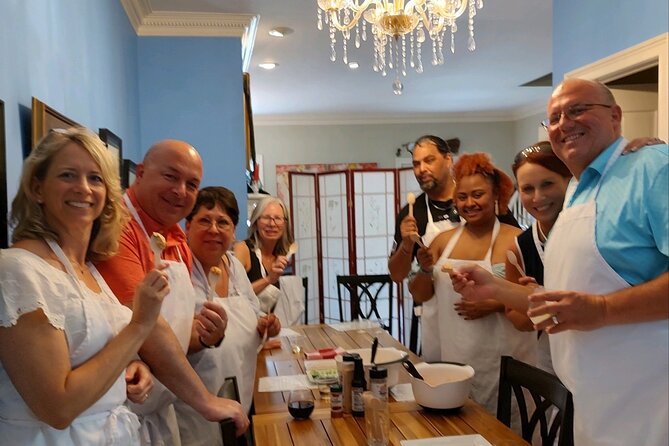
Here’s how each dish plays into the bigger value of the class.
Buttermilk Biscuits (and the kind of “secrets” that stick)
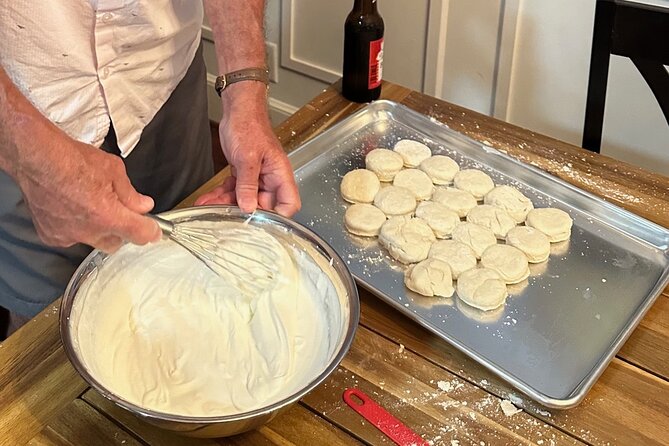
Biscuit-making is often treated like a mystery. The class makes it teachable. You’ll learn steps and handling that help you get biscuits that come out right instead of turning into sad, dense rounds.
If you’re new to baking, this is one of the best classes you can pick in Charleston because the technique is practical. And you’ll want to eat them warm.
Pimento Cheese: familiar comfort with real method
Pimento cheese is a classic Southern spread, and the class approach turns it into something you can repeat. You’ll work on mixing and getting the right flavor balance. It’s the kind of dish you can use immediately at home, whether that means crackers, sandwiches, or a snack board.
Huguenot Torte: dessert with Charleston identity
A torte sounds fancy, but in class it’s about understanding the build. One common version mentioned is an apple and walnut style. You’ll make a dessert that feels tied to the region and doesn’t rely on complicated kitchen gear.
Charleston Red Rice: savory, comforting, and meal-friendly
Red rice has that “this goes with everything” energy. You’ll cook it in the class, learning how it comes together into a satisfying base. It’s also a great way to leave the class with more than just baked goods.
Skillet Cornbread: quick, cast-iron comfort
Skillet cornbread is built for real meals. It’s practical, not delicate. Once you’ve seen the process, it’s the kind of side dish you can make without turning your kitchen into a science lab.
Seasonal Cobbler: the sweet finish
Cobbler is flexible comfort food, and this class version includes a seasonal cobbler option. You’ll get the satisfaction of making dessert that matches what you already cooked, rather than just “something sweet.”
Who This Class Suits Best (and Who Might Want to Think Twice)
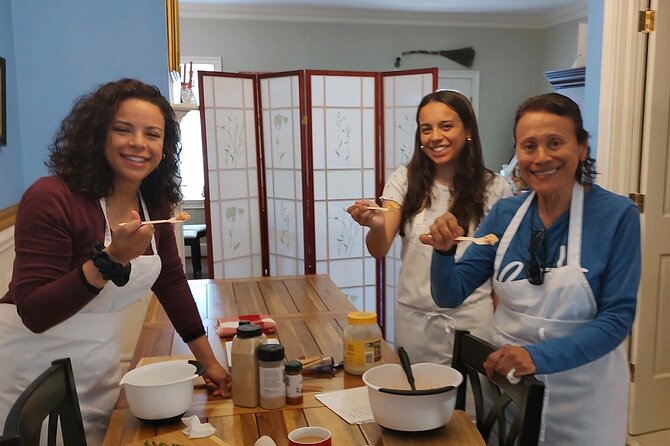
This works well if you want a hands-on activity in Charleston that feels like real Lowcountry cooking, not a tasting parade.
It’s a great fit if:
- You want to learn skills you can repeat at home (especially biscuits).
- You like history and culture tied to what’s on your cutting board.
- You enjoy small-group activities with structure and clear instruction.
- You want a fun, memorable break from strolling and photo stops.
Considerations if you:
- Prefer a solo, private kitchen setup. With max 16 people, time is paced.
- Want a totally open-ended cooking experience where you choose everything. This is more guided.
One more thing: the class runs in English, so it’s best if you’re comfortable with instruction in English.
Tips to Get More From Your Cooking Class Day
- Plan your schedule with the real class length in mind. Give yourself breathing room before and after.
- Come ready to work. You’re chopping and mixing; comfortable shoes help.
- If you have food allergies, mention them in advance. In one case, allergies were reportedly addressed so the recipes could be accommodated when possible.
- If you’re unsure which menu to pick, decide based on your biggest “I want to learn this” dish: biscuits (AM) or red rice and cornbread (PM).
Should You Book It?
Yes, you should book this cooking class in Charleston if you want an activity that’s active, memorable, and directly useful at home. The $99 price makes sense when you consider you’re cooking three dishes, eating what you make, and getting coffee/tea plus ingredients and supplies included.
I’d book AM if biscuits and pimento cheese are your priority. I’d book PM if you want a full savory meal experience with red rice and skillet cornbread, finished with cobbler.
If you hate shared kitchen pacing or want a fully private cooking school setup, you might feel limited by the small-group format. But for most people, this is exactly the kind of Charleston experience you’ll actually use after the trip is over.
FAQ
How long is the Hands-on Cooking Class in Charleston?
It runs about 2 hours.
What is the price per person?
The price is $99.00 per person.
How many dishes will I cook?
You will prepare three dishes during the class.
What are the AM menu options?
The AM class menu includes Huguenot Torte, Buttermilk Biscuits, and Pimento Cheese.
What are the PM menu options?
The PM class menu includes Charleston Red Rice, Skillet Cornbread, and Seasonal Cobbler.
Is coffee or tea included?
Yes. Coffee and/or tea are included, and you’ll also have snacks during the activity.
Where is the meeting point?
You meet at 184 E Bay St suite 103, Charleston, SC 29401.
What is the maximum group size?
The class has a maximum of 16 travelers.
What language is the class offered in?
The class is offered in English.
Can the class accommodate food allergies?
One review notes that food allergies were easily addressed with advance notice, so it’s worth telling the team ahead of time when possible.
Is there free cancellation?
Yes. You can cancel for a full refund up to 24 hours in advance of the experience start time.
More Charleston Hands-On Classes


More Charleston Tours Worth Booking




More Cooking Classes & Craft Workshops in Charleston

Still deciding? Here are the newest Charleston tours and experiences we have reviewed







Cooking Classes & Craft Workshops, compared.
 ★ 5.0Undiscovered Charleston: Half Day Food, Wine & History Tour with Cooking Class948 reviews
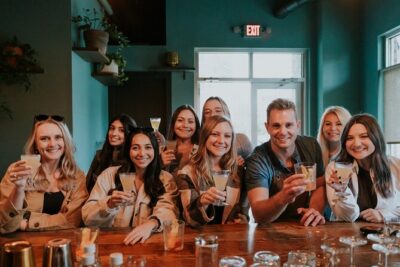 ★ 5.0Sip History in The Sun Cabana Covered Cocktail ClassFrom $97332 reviews
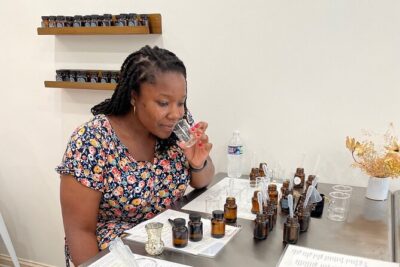 ★ 5.0Create a Custom Perfume or Cologne in Charleston, SC: Mix & MatchFrom $10997 reviews
 ★ 5.0Sip History In a Secret Speakeasy Cocktail ClassFrom $9740 reviews
 ★ 4.8Sip History Cocktail Making Class w Drinks Incl.From $9728 reviews
 ★ 4.8Custom Perfume or Cologne Making ExperienceFrom $10923 reviews
 ★ 4.0Charleston’s Crafts & Cocktails tourFrom $4513 reviews
 ★ 5.0Create Your Very Own Custom Perfume or Cologne in Charleston – Fragrance 101From $1927 reviews
Browse the lists this tour appears in